Constipation During Menstrual Period: What You Need to Know

Key Takeaways
- Hormonal changes around menstruation can slow bowel movement and cause constipation.
- Constipation may appear before, during, or after a period, often alongside bloating or cramping.
- Simple steps such as hydration, fiber, movement, and routine can help many people feel better.
- Severe pain, blood in the stool, vomiting, or persistent bowel changes should be assessed by a doctor.
- A repeated monthly pattern may point to underlying digestive or gynecologic issues that deserve evaluation.
Constipation during menstrual period is a common, usually temporary change linked to hormone shifts, fluid balance, and bowel motility. Understanding the pattern can help a person ease discomfort, support regular bowel movements, and know when symptoms need medical review.
Overview
Constipation during menstrual period is a real and common experience for many people. It usually happens because the body’s hormone levels shift across the cycle, which can affect how quickly food moves through the intestines and how much water the stool contains.
For some, the change is mild: fewer bowel movements, harder stools, or a sense of incomplete emptying for a few days around the period. For others, constipation is part of a wider cluster of menstrual symptoms, such as bloating, cramping, nausea, or a feeling of pelvic pressure.
Most period-related constipation is temporary and manageable with everyday measures. Still, when the pattern is intense, new, or disruptive, it is worth looking beyond “normal period symptoms” so that another digestive or hormonal condition is not missed.
Symptoms
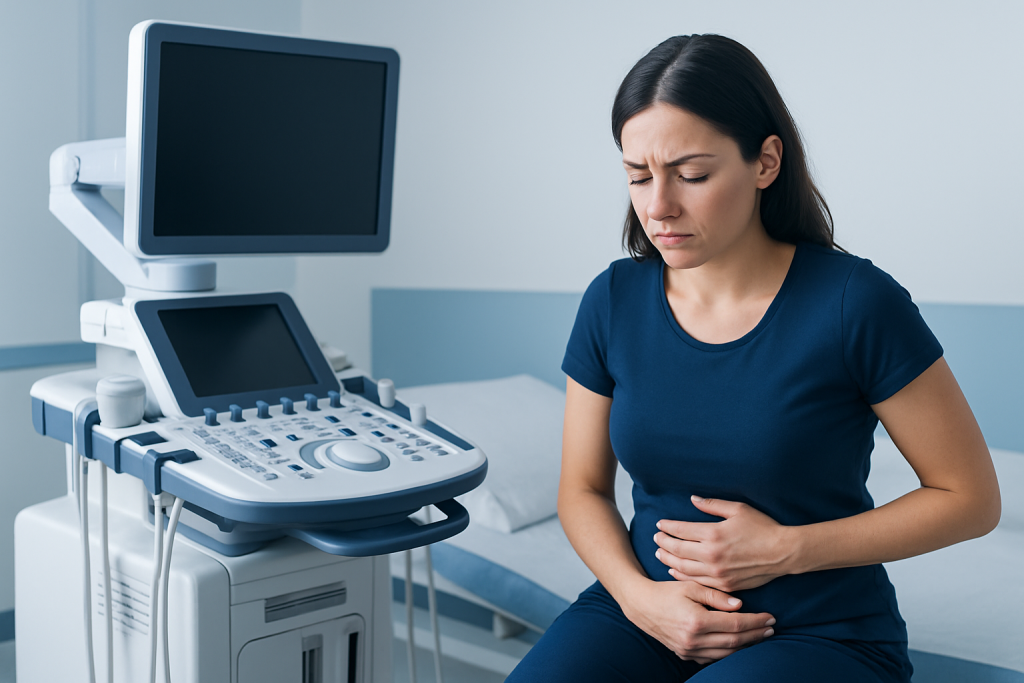
Period-related constipation often looks like ordinary constipation, but the timing around the menstrual cycle offers an important clue. A person may notice fewer bowel movements than usual, straining, hard or dry stools, abdominal fullness, or a lingering sense that the bowel has not fully emptied.
Some people also feel more bloated than they expected for the time of month. That bloating can make the lower abdomen feel tight or tender and may be confused with menstrual cramps, even though bowel sluggishness is part of the picture.
Common signs may include:
- Less frequent bowel movements than usual
- Hard, dry, or pellet-like stools
- Straining during bowel movements
- Abdominal bloating or pressure
- Discomfort that improves after passing stool or gas
If constipation comes with severe abdominal pain, vomiting, fever, or blood in the stool, it should not be assumed to be cycle-related.
Causes & Risk Factors
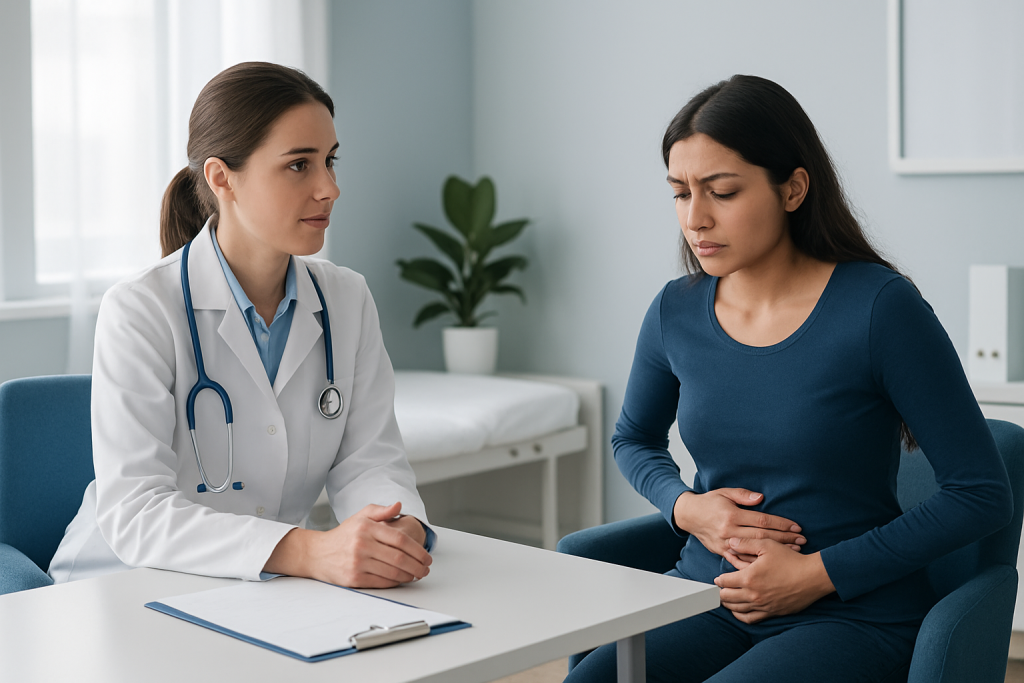
The main reason constipation can appear around a period is hormonal fluctuation. In the days before and during menstruation, changes in estrogen and progesterone may influence bowel motility, water balance, and how sensitive the gut feels.
Prostaglandins, which help the uterus contract, also play a role in the digestive tract. In some people they contribute more to looser stools or diarrhea, while in others the overall hormonal environment and reduced activity lead to slower transit and constipation. The body’s response is individual, which is why cycle-related bowel symptoms can look very different from one person to another.
Several factors may make constipation more likely around menstruation:
- Low fluid intake
- Lower fiber intake during busy or uncomfortable days
- Less physical activity because of fatigue or pain
- Stress and disrupted sleep
- Iron supplements, which can sometimes harden stools
- Underlying digestive conditions such as irritable bowel syndrome
People with endometriosis, pelvic pain, or significant premenstrual symptoms may notice bowel changes more strongly and should mention that pattern to a clinician.
Diagnosis
Doctors usually start with a careful history. The timing of symptoms matters: whether constipation appears before bleeding starts, during the period, or at another point in the cycle can help identify whether hormones are likely involved.
A clinician may ask about stool frequency, abdominal pain, bloating, diet, hydration, medications, supplements, and any change in menstrual symptoms. A physical examination may be enough in many situations, but additional tests can be useful if the pattern is persistent, severe, or not typical.
Depending on the person’s age and symptoms, evaluation may include blood tests, stool tests, or further imaging. If there are signs suggesting a gynecologic cause, such as painful periods, pain with bowel movements, or pelvic pain outside menstruation, a gynecologist’s assessment may be recommended alongside digestive review.
Treatment Options
Treatment depends on how often symptoms occur and how bothersome they are. For many people, simple lifestyle measures are the first step and may be enough to make the monthly pattern much easier to manage.
General measures that often help include drinking enough water, increasing dietary fiber gradually, staying physically active, and trying to keep bowel habits regular even when menstrual discomfort makes routines less predictable. Warm drinks, walking, and a relaxed toileting schedule can also support bowel movement.
If symptoms continue, a doctor may suggest short-term constipation treatments or review medications and supplements that could be contributing. It is best not to start frequent laxative use without medical guidance, especially if constipation happens every month or is paired with pain, bloating, or irregular cycles.
When a deeper cause is suspected, treatment focuses on that condition. For example, irritable bowel syndrome, thyroid problems, endometriosis, or medication-related constipation may need a targeted plan rather than symptom relief alone.
Prevention & Self-care
A practical routine can make a noticeable difference. Many people find it helpful to pay attention to the days just before menstruation, since that is often when bowel changes begin.
Helpful habits may include:
- Drinking fluids consistently through the day
- Adding fiber slowly from fruits, vegetables, whole grains, and legumes
- Moving the body daily, even with a short walk
- Not ignoring the urge to use the toilet
- Maintaining a regular eating pattern when possible
- Watching whether certain foods, supplements, or stress patterns worsen symptoms
Self-care should remain gentle. Overly restrictive diets, unmonitored herbal products, or repeated stimulant laxative use can create new digestive problems. If a person is traveling for care or following guidance from another country, it helps to keep a simple symptom diary with cycle dates, bowel habits, and any medicines used so the treating doctor can see the pattern clearly.
When to See a Doctor
Medical advice is appropriate when constipation is new, persistent, unusually painful, or clearly worsening over several cycles. It is especially important to seek review if bowel changes are no longer limited to the menstrual window or are affecting daily life.
A doctor should be consulted sooner if constipation comes with blood in the stool, unexplained weight loss, vomiting, fever, severe abdominal swelling, or very strong pain. These symptoms do not always mean something serious, but they do need proper assessment.
It is also wise to ask for a review if periods are very painful, bowel movements are painful during menstruation, or constipation occurs together with pelvic pain, which may suggest a gynecologic condition such as endometriosis. Acibadem Health Point notes that its multidisciplinary specialists and JCI-accredited hospitals can diagnose and treat this condition for international patients, with coordinated follow-up when needed.
Frequently asked questions
01Is constipation during menstrual period normal?
It can be normal and is often related to hormone changes that affect bowel movement. For many people, it improves after the period ends. If it is severe, persistent, or new, it should be checked by a doctor.
02Why do some people get constipated before their period?
In the days before menstruation, hormone shifts can slow digestion and change fluid balance in the bowel. Stress, diet changes, less activity, and pain can also contribute. The pattern often varies from month to month.
03Can period constipation cause bloating and cramps?
Yes. Slower bowel movement can cause gas buildup, fullness, and lower abdominal discomfort that feels similar to menstrual cramping. Sometimes both menstrual cramps and constipation are present at the same time.
04What helps constipation during a period?
Hydration, fiber, movement, and a regular toileting routine are often helpful. Warm fluids and gentle exercise may also ease symptoms. If relief is not enough, a doctor can suggest safe next steps.
05Should laxatives be used for period constipation?
Occasional use may be appropriate for some people, but repeated use should not be started without medical advice. A doctor can help determine whether the constipation is simple cycle-related constipation or part of another condition.
06When does period-related constipation need medical attention?
It needs medical attention if there is severe pain, vomiting, blood in the stool, fever, or symptoms that continue beyond the menstrual period. Ongoing monthly constipation is also worth discussing with a clinician, especially if it affects quality of life.
This article is for general information only and is not a substitute for professional medical advice. Please consult a qualified doctor about your individual situation.
Persistent digestive symptoms? Get evaluated in Turkey
JCI-accredited · board-certified surgeons · reply within 24h
Add us as a Preferred Source to see more of our trusted health content across Google Search, AI Overviews and Discover.