Constipated and in Pain: Causes, Relief and When to Worry

Key Takeaways
- Constipation can cause cramping, bloating, rectal pain, and discomfort while passing stool.
- Low fluid intake, low fiber, inactivity, medicines, and some medical conditions can trigger painful constipation.
- Most mild cases improve with hydration, fiber, movement, and bowel routine changes.
- Severe abdominal pain, vomiting, fever, blood in the stool, or a swollen belly need prompt medical assessment.
- A doctor can look for impaction, bowel blockage, hemorrhoids, and other causes when pain is more than mild.
Being constipated and in pain usually means stool is moving too slowly, becoming hard, and stretching the bowel. In many cases, gentle self-care helps, but persistent, severe, or unusual pain should be checked by a doctor.
Overview
When someone is constipated and in pain, the problem is usually more than “just not going enough.” The stool may have become dry and difficult to pass, the bowel may be cramping, or the rectum may be sore from straining. In some people, the pain feels like a dull ache; in others, it becomes sharp during a bowel movement or after several days without one.
Most constipation is temporary and linked to everyday factors such as not drinking enough, eating too little fiber, being less active, or taking a medicine that slows the bowels. Even so, painful constipation deserves attention because the discomfort can hide an issue that needs medical care, such as fecal impaction, hemorrhoids, anal fissure, or a bowel obstruction.
For international patients deciding whether to travel for care, the practical question is usually simple: is this a short-lived episode that can be managed safely at home, or is there a pattern of pain, repeated constipation, or associated symptoms that should be assessed by a clinician? That distinction matters, especially when symptoms keep returning or do not improve with basic measures.
Symptoms
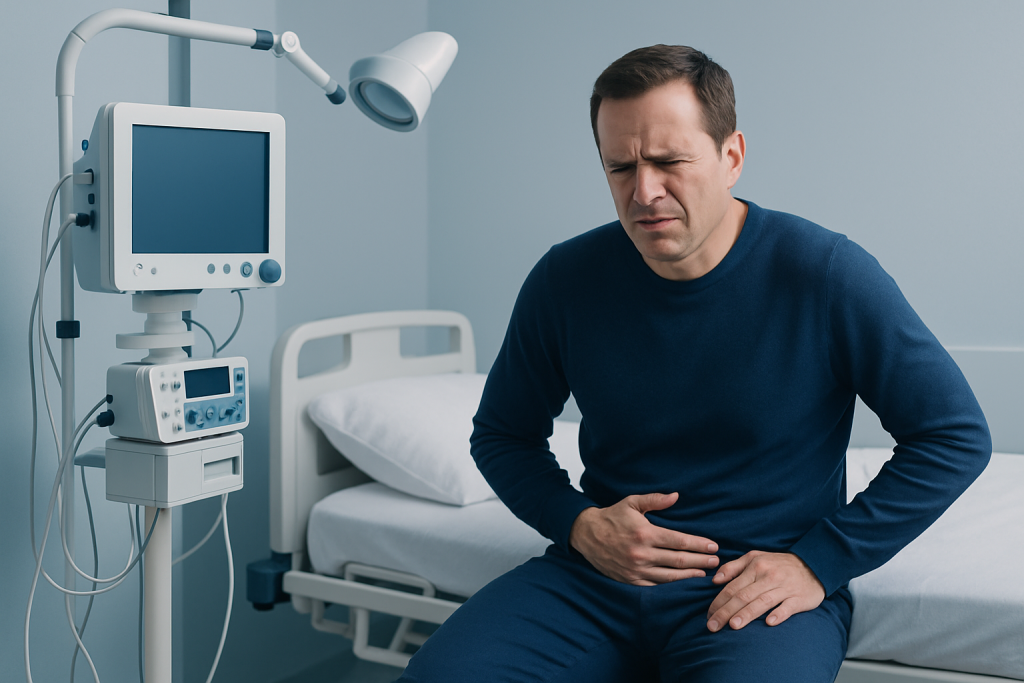
Constipation does not look exactly the same for everyone. Some people have fewer bowel movements than usual, while others pass stool every day but still feel incomplete emptying. Pain can appear before, during, or after passing stool, and it may be accompanied by bloating or a feeling of pressure low in the abdomen.
Common symptoms include hard, dry, or lumpy stool; straining; a sense that the rectum is blocked; and lower abdominal discomfort. Some people also notice nausea, reduced appetite, or gas that is difficult to pass. Rectal pain, bleeding from a small tear, or burning after a bowel movement can happen when stool is hard and the tissues are irritated.
Warning patterns are different from ordinary constipation. Pain that is severe, localized, or steadily worsening; a swollen abdomen; vomiting; inability to pass gas; or fever are not typical features of simple constipation and should prompt medical evaluation.
- Hard, dry stool
- Straining with bowel movements
- Cramping or bloating
- Rectal soreness or bleeding
- Feeling of incomplete emptying
Causes & Risk Factors

Painful constipation often begins with a slowing of the bowel’s normal movement. When stool remains in the colon longer, the body absorbs more water from it, which makes the stool harder and more difficult to pass. Straining then adds pressure and can irritate the anal area, leading to pain.
Several everyday factors can contribute. Not drinking enough fluids, eating too little fiber, sudden changes in diet, stress, traveling, and being less physically active can all affect bowel regularity. Some medicines may also slow the intestines, including certain pain medicines, iron supplements, antacids containing calcium or aluminum, some antidepressants, and some blood pressure medicines.
Other causes are medical rather than lifestyle-related. Irritable bowel syndrome, thyroid disorders, diabetes, neurologic conditions, pregnancy, and pelvic floor dysfunction can interfere with normal bowel movements. In older adults, slowed bowel activity, reduced fluid intake, and multiple medications often combine to make constipation more likely.
Risk increases when a person routinely ignores the urge to go, has a diet very low in fiber, or has a history of hemorrhoids, anal fissures, or prior bowel surgery. Recurrent constipation with pain should not be assumed to be harmless, especially if it is new for the person or clearly different from their usual pattern.
Diagnosis
Doctors usually begin by asking detailed questions about bowel habits, stool consistency, pain location, diet, fluids, medicines, and any recent changes in routine. This history often reveals whether the constipation is likely to be functional and short-term or whether another cause should be considered.
A physical examination may include gently feeling the abdomen for tenderness or bloating. In some cases, a rectal examination is useful to check for hard stool in the rectum, bleeding, fissures, hemorrhoids, or signs of impaction. If the symptoms suggest inflammation, blockage, or another illness, further testing may be recommended.
Possible tests depend on the situation and can include blood tests, abdominal imaging, or endoscopic evaluation if there are concerning features. The goal is not to test everyone with constipation, but to identify people whose pain signals a different problem or a complication that needs treatment.
Treatment Options
Relief depends on the cause and on how severe the pain is. For mild constipation, doctors often start with measures that soften stool and make bowel movements easier rather than forcing the bowel to work harder. Hydration, gradual fiber increase, and consistent toilet habits are often part of the plan.
When medicine is needed, clinicians may recommend an over-the-counter stool softener, an osmotic laxative, or another bowel-regulating option, chosen according to the person’s age, symptoms, and other medical conditions. If pain is coming from hemorrhoids or an anal fissure, treatment may also focus on reducing straining and calming local irritation. If the stool is impacted, a more direct medical approach may be necessary.
If a medication is causing constipation, a doctor may suggest an adjustment or alternative. When an underlying condition such as hypothyroidism, diabetes, or a pelvic floor problem is involved, treating the cause is essential for lasting relief. Severe pain should never be managed by repeatedly increasing laxative use without medical guidance.
In some international-patient cases, especially when symptoms are persistent or complicated, a specialist-led evaluation can be helpful to coordinate imaging, endoscopy, or multidisciplinary care in one place. Acibadem Health Point’s multidisciplinary specialists and JCI-accredited hospitals diagnose and treat constipation-related conditions for international patients in a coordinated setting.
Prevention & Self-care
Simple habits can make bowel movements easier and reduce the chance of painful constipation. Many people improve by drinking enough fluids through the day, eating more fiber from fruits, vegetables, legumes, and whole grains, and moving regularly. A gentle daily walk can help the bowels keep their rhythm.
It also helps to respond to the body’s natural signals. Delaying a bowel movement can make stool drier and harder to pass later. Sitting on the toilet at the same time each day, especially after meals, may support a more predictable routine. Using a footstool to bring the knees slightly higher can make passing stool easier for some people.
Self-care should remain gentle. Straining, prolonged sitting on the toilet, and repeated use of laxatives without professional advice can worsen irritation or mask a more serious issue. If constipation tends to recur during travel, changes in diet, or periods of reduced activity, planning ahead with fluids, movement, and familiar foods can be useful.
- Increase fiber gradually, not all at once
- Drink fluids regularly unless a doctor has restricted them
- Move the body every day
- Do not ignore the urge to have a bowel movement
- Avoid repeated straining
When to See a Doctor
Medical assessment is important when constipation is accompanied by significant pain, or when the pattern is new, persistent, or changing. A doctor should also be contacted if constipation lasts more than a short period despite self-care, if bowel habits change without a clear reason, or if the person is older and suddenly becomes constipated.
Prompt evaluation is especially important if there is blood in the stool, black stool, fever, vomiting, unexplained weight loss, a hard or swollen abdomen, or an inability to pass gas. These signs can point to impaction, infection, inflammatory disease, or bowel obstruction, which require more than home treatment.
People who are pregnant, have neurologic disease, have had bowel surgery, or take medications known to slow the gut may need tailored advice sooner. When in doubt, it is safer to ask a qualified doctor than to keep waiting for the discomfort to pass on its own.
Frequently asked questions
01Why does constipation sometimes hurt so much?
As stool sits longer in the bowel, it becomes drier and harder, which can stretch the intestines and make bowel movements painful. Straining can also irritate the rectum and anal tissue, adding soreness or burning.
02What is the fastest safe relief for painful constipation?
For many mild cases, fluids, a gentle walk, and a fiber-rich meal can help, but relief is not always immediate. If medication is needed, it is best to follow a doctor’s or pharmacist’s guidance, especially if pain is significant or constipation is recurrent.
03Can constipation cause abdominal cramps and bloating?
Yes. Slow movement of stool and gas often leads to cramping, pressure, and a bloated feeling. If the abdomen becomes very swollen or the pain is severe, medical evaluation is important.
04When is constipation more than a simple stomach issue?
It becomes more concerning when pain is severe, symptoms keep returning, or there is vomiting, fever, blood in the stool, or inability to pass gas. Those features can suggest a complication or another condition that should be checked.
05Should someone keep taking laxatives if they are constipated and in pain?
Not without guidance if the pain is strong, unusual, or getting worse. Repeated laxative use without understanding the cause may delay proper diagnosis, especially if there is impaction or bowel obstruction.
06Can diet alone fix painful constipation?
Diet can help many people, especially when low fiber and poor fluid intake are the main triggers. However, if pain persists or constipation is frequent, a doctor may need to look for a medical cause and recommend a more specific plan.
This article is for general information only and is not a substitute for professional medical advice. Please consult a qualified doctor about your individual situation.
Persistent digestive symptoms? Get evaluated in Turkey
JCI-accredited · board-certified surgeons · reply within 24h
Add us as a Preferred Source to see more of our trusted health content across Google Search, AI Overviews and Discover.