Constant Urination: When to Seek Medical Advice

Constant urination describes needing to pass urine unusually often, feeling a persistent urge, or producing frequent small amounts. It can occur temporarily after pelvic or urinary surgery, but it may also result from infection, bladder conditions, medication effects or incomplete bladder emptying, so the underlying cause matters.
Overview: why constant urination can happen
Constant urination may mean urinating more often than usual, waking repeatedly at night to pass urine, or having a constant urge even when little urine comes out. It is important to distinguish urinary frequency from increased urine volume. Drinking large amounts of fluid, high blood sugar or certain medicines may increase total urine output, while bladder irritation or incomplete emptying may cause repeated small voids.
After an operation, urinary symptoms can be temporary. Intravenous fluids, anesthesia, pain medicines, a urinary catheter and swelling near the bladder or urethra can all alter normal bladder sensations. Constant urination after surgery should gradually improve for many people, but persistent or severe symptoms deserve assessment rather than being assumed to be a normal part of recovery.
The best next step depends on accompanying symptoms, the type of surgery and how long the issue has lasted. A clinician may look for a urinary tract infection, urinary retention, overactive bladder, pelvic-floor dysfunction, enlarged prostate, scar-related narrowing or another contributing condition.
Symptoms and patterns that help identify the cause
Useful details include when symptoms began, how many times a person urinates during the day and night, whether each amount is small or large, and whether there is pain. Urgency is the sudden, hard-to-delay need to urinate. Urge incontinence is leakage that happens with urgency, while stress incontinence is leakage during coughing, laughing, lifting or exercise.
Other symptoms can provide important clues. Burning, cloudy or foul-smelling urine, lower abdominal discomfort and fever can occur with a urinary tract infection. A weak stream, hesitancy, straining, dribbling or a feeling that the bladder does not empty may point to retention or obstruction. Pelvic discomfort and urgency can also arise from bladder irritation without infection.
Keeping a short bladder diary can be valuable. For two or three days, a person can record drinks, urine timing and approximate volume, urgency episodes, leakage and nighttime trips. This gives the clinical team a clearer picture than frequency alone and can support a more targeted treatment plan.
Why constant urination may occur after surgery

Constant urination after surgery may occur while the bladder readjusts after catheter removal or after receiving extra fluids during and after the procedure. Catheter use can temporarily irritate the urethra and bladder. Some people also develop urinary retention, where the bladder does not empty completely; this can paradoxically cause frequent attempts to urinate, small volumes and lower abdominal pressure.
Constant urination after prostate surgery can have several explanations. Following surgery for prostate enlargement, urinary frequency and urgency may persist while the bladder recovers from longstanding obstruction. After prostate cancer surgery, a constant urge to urinate after prostate surgery can occur alongside temporary leakage, particularly as the urinary control mechanism heals and pelvic-floor muscles are retrained.
Constant urination after hysterectomy may reflect temporary bladder irritation, pelvic tissue swelling, catheter effects or a urinary infection. Less commonly, a surgical complication or injury affecting the urinary tract needs evaluation. Symptoms that are worsening rather than settling, especially with fever, severe pain, inability to urinate or visible blood, should not be managed with home measures alone.
Medication can also influence urination. Diuretics increase urine production, while opioids and some anesthetic medicines may contribute to retention. A clinician can review medicines safely; patients should not stop prescribed treatment on their own because of urinary symptoms.
How long does it take for urination to return to normal after surgery?
There is no single recovery timetable. Mild urgency or frequency after a catheter or uncomplicated surgery may improve over several days to a few weeks. Recovery can be longer after operations involving the prostate, bladder, urethra or pelvic organs because the tissues, nerves and muscles involved in urinary control need time to heal.
After prostate surgery, bladder control and urgency often improve gradually over weeks to months, although individual recovery differs. If the bladder had been working against obstruction for a long period before treatment, it may take time for it to settle even when urine flow improves. Pelvic-floor rehabilitation may be recommended for leakage or urgency-related symptoms.
Symptoms should be reviewed if they fail to improve, interfere substantially with sleep or daily activity, or change suddenly. The surgical team may check for infection, retained urine, narrowing, medication effects or a separate bladder condition. Early review is particularly important when a person cannot pass urine normally or develops significant discomfort.
What will an urologist do for frequent urination?
An urologist will begin with a detailed history, including surgery history, fluid intake, medicines, bowel habits, neurological conditions and the pattern of symptoms. They may ask the patient to complete a bladder diary and will usually perform a focused examination when appropriate. The goal is to determine whether the main issue is too much urine production, bladder overactivity, infection, incomplete emptying or obstruction.
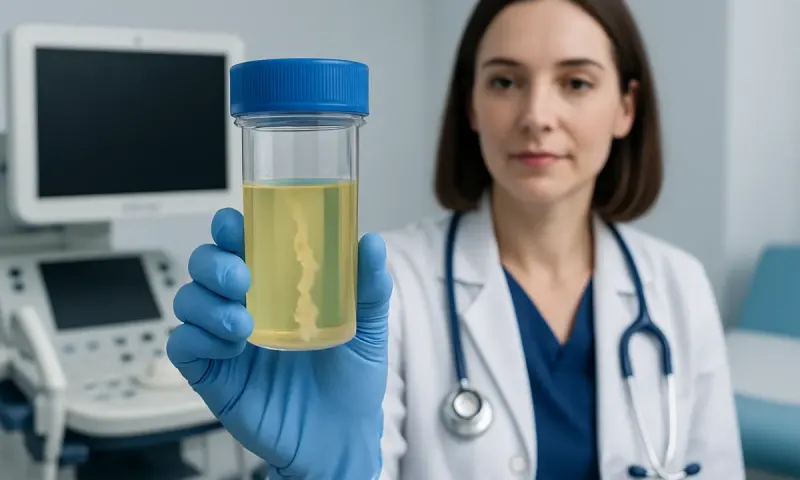
Common tests include a urine test for infection or blood, and a post-void residual measurement to see how much urine remains after urinating. Depending on the findings, the specialist may recommend ultrasound imaging, a flow test, cystoscopy to inspect the urethra and bladder, or urodynamic testing to measure bladder storage and emptying function.
Treatment is matched to the cause. It may include adjusting fluid timing, bladder training, treating an infection, reviewing medications, pelvic-floor physiotherapy or medicines for bladder symptoms. If there is an anatomical blockage or scar, procedures may be considered. Conditions such as overactive bladder and urinary narrowing can require different approaches, which is why diagnosis comes before selecting treatment.
Is incontinence surgery worth it?
Incontinence surgery can be worthwhile for selected people whose urine leakage remains bothersome despite suitable conservative treatment, but it is a personal decision rather than an automatic next step. The likely benefit depends on the type of leakage, severity, daily impact, medical history, future pregnancy plans where relevant, prior pelvic surgery and test results.
Stress incontinence, in which leakage happens with pressure such as coughing or exercise, may respond to procedures designed to support the urethra. Persistent leakage after prostate treatment may be managed with specialist options such as a male sling or an artificial urinary sphincter in carefully selected patients. Urgency-related leakage is generally approached by treating bladder overactivity rather than using stress-incontinence surgery.
Before surgery, clinicians usually discuss pelvic-floor therapy, lifestyle adjustments, bladder training and other non-surgical options. They should also explain expected recovery, possible complications, the possibility of incomplete improvement and the need for follow-up. A shared decision with a urologist or urogynecology specialist helps a person weigh symptom burden against the potential benefits and risks.
How painful is urethroplasty recovery?
Urethroplasty is a reconstructive operation to repair a urethral stricture, a narrowing that can restrict urine flow and prevent complete bladder emptying. Recovery discomfort is usually manageable with the pain-control plan provided by the surgical team, but people may experience soreness in the perineal or genital area, bladder spasms, fatigue and discomfort from a catheter during the initial healing period.
The level and duration of pain vary according to the stricture location, the reconstruction performed and individual health factors. A catheter commonly remains in place for a period set by the surgeon, and activity restrictions are used to protect healing tissues. The team provides specific instructions on wound care, bathing, driving, work, exercise and when sexual activity can safely resume.
Severe or escalating pain, fever, catheter blockage, inability to drain urine, increasing swelling, or heavy bleeding should be reported promptly. Follow-up checks are important because the clinical team needs to confirm that the repair is healing and urine flow is improving. When constant urination is related to a suspected urethral narrowing, evaluation for urethral stricture can help clarify whether reconstructive treatment is appropriate.
When to seek medical care
A person should contact a doctor soon for new or persistent constant urination, especially after surgery. Prompt assessment is appropriate for burning urine, fever, chills, flank pain, worsening lower abdominal or pelvic pain, nausea, visible blood in urine, new leakage, a weak stream, or a feeling of incomplete emptying. These features can indicate infection, retention or another issue needing treatment.
Urgent medical care is needed if a person is unable to urinate, has severe lower abdominal pain or swelling, develops high fever with urinary symptoms, feels faint or very unwell, or has heavy bleeding in the urine. After an operation, patients should also follow the discharge instructions and contact their surgical team for symptoms specific to the procedure.
In the meantime, adequate hydration is generally sensible unless a clinician has advised fluid restriction. Avoiding excessive caffeine and alcohol, spacing fluids through the day, managing constipation and following catheter-care instructions may reduce irritation for some people. Acıbadem Health Point’s multidisciplinary specialists and JCI-accredited hospitals can assess urinary symptoms and coordinate care for international patients when specialist evaluation is needed.
Frequently asked questions
01Can anesthesia cause constant urge to pee after surgery?
Anesthesia and pain medicines can temporarily affect bladder sensation and bladder emptying. Intravenous fluids and catheter-related irritation can also make a person urinate more often or feel urgent after surgery. Symptoms should be reviewed if they are severe, persistent or associated with inability to urinate, fever or pain.
02Is frequent urination after catheter removal normal?
Some burning, urgency and frequent small voids can occur briefly after catheter removal because the urethra and bladder may be irritated. These symptoms should generally begin to improve. A urine test may be needed if there is fever, worsening pain, cloudy urine, blood or persistent symptoms.
03Why do I feel like I need to urinate but only a little comes out?
This can happen with bladder irritation, urinary infection, overactive bladder or incomplete bladder emptying. Retention may cause frequent small voids because urine remains in the bladder after each attempt. A clinician can check bladder emptying with a simple scan and investigate the cause.
04Can a urinary tract infection cause constant urination?
Yes. A urinary tract infection can cause frequency, urgency, burning, lower abdominal discomfort and sometimes cloudy or bloody urine. Similar symptoms can have other causes, so urine testing is often used to confirm whether infection is present and guide treatment.
05Will pelvic-floor exercises help after prostate surgery?
Pelvic-floor muscle training may help improve urinary control after prostate surgery, particularly for stress-related leakage. It is best learned with guidance from a clinician or pelvic-floor physiotherapist so the muscles are identified and exercised correctly. The surgical team can advise when it is safe to begin after a specific operation.
06Should I drink less water if I am urinating constantly?
Deliberately restricting fluids can make urine more concentrated and may irritate the bladder or contribute to dehydration. It is usually better to drink regular amounts throughout the day and reduce known bladder irritants, such as excessive caffeine, if they worsen symptoms. People with heart, kidney or other conditions should follow their clinician’s individual fluid advice.
This article is for general information only and is not a substitute for professional medical advice. Please consult a qualified doctor about your individual situation.
Explore treatments in Turkey — costs, top hospitals & a free quote
JCI-accredited · board-certified surgeons · reply within 24h
Add us as a Preferred Source to see more of our trusted health content across Google Search, AI Overviews and Discover.