Considering Liposuction in Turkey: Care and Recovery
Liposuction in Turkey is a surgical body-contouring procedure that removes localized fat deposits that have not responded to diet and exercise. It is not a weight-loss treatment, and the best results depend on appropriate candidacy, safe surgical planning and consistent aftercare.
Liposuction in Turkey: an overview
Liposuction in Turkey is an elective surgical procedure used to improve body contours by removing localized collections of fat. It may be considered for areas such as the abdomen, waist, hips, thighs, upper arms, back, knees, chin or neck when these areas remain disproportionate despite a healthy lifestyle. The procedure is individualized: the technique, number of areas treated and anesthesia plan depend on the person’s anatomy, health and goals.
Liposuction is not a treatment for obesity, and it does not correct the medical causes of weight gain. It also does not reliably treat cellulite or loose skin. A qualified plastic surgeon assesses whether fat removal alone is likely to create a smoother contour or whether skin-tightening or another operation may be more appropriate.
For people travelling for care, safety planning should begin before booking travel. This includes a thorough medical assessment, clear discussion of the planned procedure and recovery period, arrangements for follow-up, and flexibility to delay return travel if recovery requires it. The primary treatment overview is available through liposuction treatment information.
How liposuction works and what it can achieve
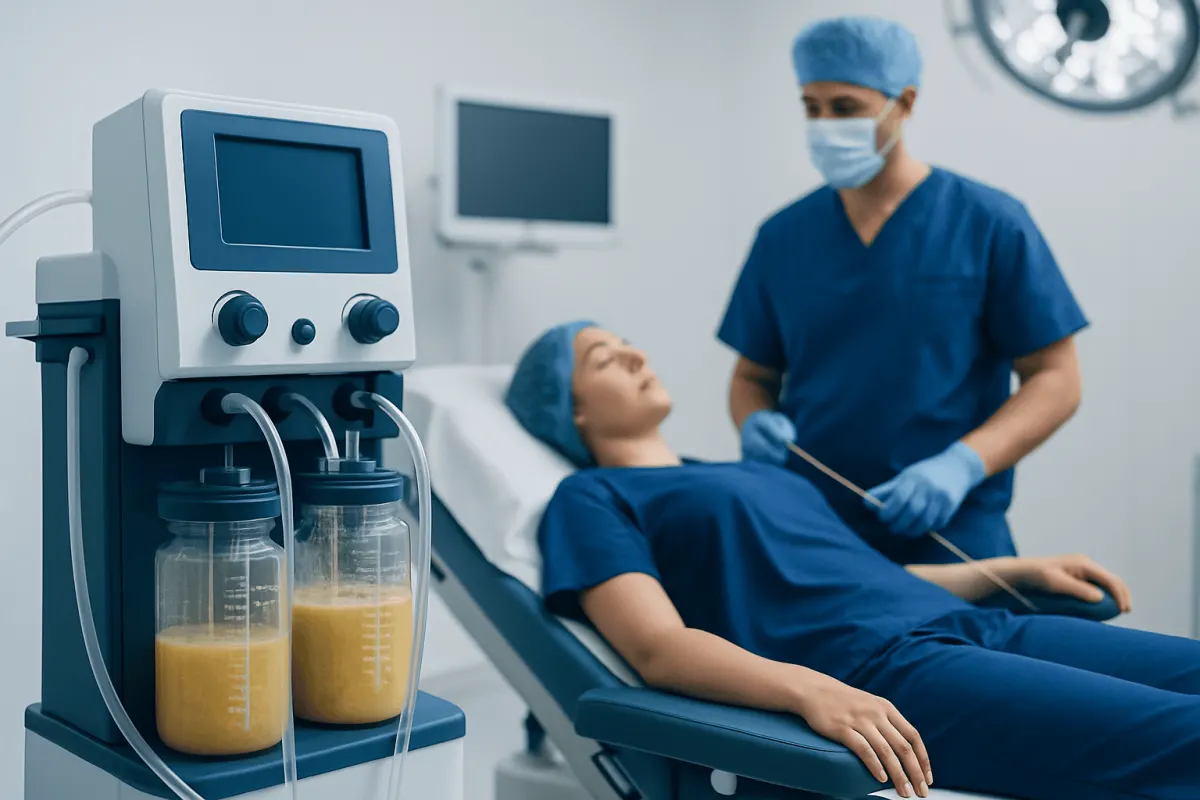
During liposuction, a surgeon makes small incisions and inserts a narrow tube called a cannula into the fatty layer beneath the skin. The cannula is moved carefully through the treatment area to loosen fat, which is then removed with controlled suction. The goal is not simply to remove the greatest possible volume of fat; it is to create balanced, natural-looking contours while protecting surrounding tissues.
Several techniques may be used. Tumescent liposuction involves injecting a sterile fluid containing local anesthetic and medication to reduce bleeding into the fatty tissue. Power-assisted liposuction uses a vibrating cannula, while ultrasound- or laser-assisted approaches may help loosen fat in selected cases. The appropriate technique should be chosen according to the area being treated, tissue characteristics and the surgeon’s experience.
Removing fat cells can produce lasting contour changes in the treated areas, particularly when body weight remains relatively stable. However, remaining fat cells can enlarge with future weight gain, and untreated body areas may also change. Results are influenced by skin elasticity, muscle tone, healing and lifestyle, so the outcome should be viewed as contour improvement rather than perfection.
Who may be a suitable candidate?

A suitable candidate for liposuction is usually an adult in good general health who is close to a weight they can maintain and has localized fat deposits that are resistant to lifestyle measures. Firm, elastic skin often adapts more smoothly after fat removal. A person should have specific, realistic goals and understand that recovery includes temporary swelling, bruising and activity restrictions.
Before surgery, the clinician reviews medical conditions, previous operations, medications, allergies, smoking or nicotine use, alcohol and substance use, and any history of blood clots or bleeding problems. People with uncontrolled diabetes, significant heart or lung disease, active infection, certain clotting disorders, or unstable weight may need treatment optimization or may not be suitable for elective surgery.
Pregnancy and major weight changes can alter the result, so people may prefer to postpone body-contouring surgery until after planned pregnancies or completion of weight-loss goals. Liposuction can sometimes be combined with other procedures, but combined surgery may increase recovery demands and risks. The safest plan is one based on an in-person examination and an individualized risk assessment.
- Be near a stable, sustainable body weight.
- Have localized areas of fat rather than a need for overall weight reduction.
- Be prepared to stop nicotine products as directed by the surgical team.
- Understand the expected recovery and commit to follow-up care.
What happens before, during and after the procedure?
The process starts with a consultation and physical examination. The surgeon discusses the areas of concern, evaluates skin quality and body proportions, reviews medical history, and explains expected benefits and limitations. Preoperative testing may be advised according to age, health status and the planned anesthetic. Patients are also given instructions about medications, fasting, arranging a responsible adult after anesthesia and preparing their recovery setting.
On the day of surgery, the surgeon marks the treatment areas while the patient is standing. Liposuction may be performed with local anesthesia and sedation or with general anesthesia, depending on the extent of treatment and clinical needs. After small incisions are made, the selected technique is used to remove fat in a controlled manner. The incisions are closed or, in some cases, left to drain briefly, and compression garments are applied.
Most procedures are performed as day surgery, although observation or an overnight stay may be recommended when more extensive treatment is planned or when medical factors require it. Before discharge, the team provides written instructions on wound care, medication use, compression garments, walking, follow-up appointments and warning signs that require urgent assessment.
Acıbadem Health Point’s multidisciplinary specialists and JCI-accredited hospitals provide assessment and treatment for international patients considering liposuction, with care planning tailored to the procedure and individual health needs.
Liposuction recovery timeline and aftercare
Recovery varies with the size and number of treatment areas, the technique used and the individual’s health. In the first few days, soreness, tightness, fluid drainage from incision sites, bruising and swelling are common. Prescribed or recommended pain relief should be used exactly as instructed. Short, gentle walks are usually encouraged soon after surgery to support circulation, while strenuous activity should be avoided.
Many people can return to desk-based work and routine daily activities within several days to around two weeks, depending on comfort and the nature of their work. Compression garments are commonly worn for a period determined by the surgeon; they can help support healing and limit swelling. Driving should wait until the patient is comfortable, no longer taking sedating pain medicines and can safely perform an emergency stop.
Early shape changes may be visible after swelling begins to improve, but the body continues to heal over time. Bruising generally fades over weeks, while residual swelling and firmness can persist for several months. Final contour definition is often judged only after the tissues have settled. Follow-up appointments are important for checking incision healing and addressing questions promptly.
For international travel, patients should not assume that they can fly immediately after surgery. The surgeon should advise on the timing of travel based on the extent of surgery, mobility, individual clot risk and the length of the journey. Maintaining hydration, walking regularly when permitted and following clot-prevention advice are especially important during longer trips.
Benefits, risks and realistic results
The main potential benefit of liposuction is improved proportion in carefully selected areas. Some people find that clothing fits differently and feel more comfortable with their body shape. Because the procedure targets subcutaneous fat, it can be effective for contour concerns that persist even in people who exercise regularly and follow balanced eating habits.
Like any operation, liposuction has risks. These include bleeding, infection, poor wound healing, scarring, fluid collections, temporary or persistent changes in skin sensation, uneven contours, asymmetry, skin laxity and the need for revision surgery. Less common but serious complications can include blood clots, fat embolism, injury to deeper structures, fluid imbalance and reactions to anesthesia. Risk may increase when very large volumes are removed, multiple major procedures are combined or important health conditions are not well controlled.
A safe consultation includes a clear conversation about these risks and the measures used to reduce them. Patients should be cautious about promises of dramatic or guaranteed results. A properly qualified surgeon will explain what is achievable for the person’s anatomy, how much recovery support is needed and what signs should prompt contact with the clinical team.
When to seek medical care
After liposuction, the surgical team should be contacted promptly for increasing redness, warmth, pain or swelling around an incision; fever; foul-smelling drainage; persistent vomiting; worsening asymmetry; or a wound that opens. These symptoms do not always indicate a serious problem, but they need timely clinical advice.
Emergency medical care is needed for symptoms such as sudden shortness of breath, chest pain, fainting, coughing up blood, confusion, or one-sided leg swelling and pain. These can be signs of serious complications, including a blood clot, and should not be managed by waiting for a routine follow-up appointment.
Before travelling home, international patients should have a clear plan for accessing urgent care, copies of relevant medical information and a method of contacting their surgical team. Any new or worsening concern after travel should be assessed by a qualified local clinician as well as communicated to the operating team when possible.
Frequently asked questions
01Is liposuction in Turkey a weight-loss procedure?
No. Liposuction is a body-contouring procedure for localized fat deposits, not a treatment for obesity or a substitute for diet, physical activity or medically supervised weight management. People generally achieve the most predictable results when their weight is already relatively stable.
02How long does liposuction recovery take?
Many people resume light daily activities within several days to about two weeks, depending on the areas treated and their work demands. Swelling and tissue firmness may take several months to resolve, so final results are not immediate. The surgeon’s recovery instructions should take priority over general timelines.
03Will the fat return after liposuction?
Fat cells removed by liposuction do not grow back in the treated area. However, the remaining fat cells can enlarge if a person gains weight, and body fat can increase in other areas. Maintaining stable weight supports longer-lasting contour results.
04Is liposuction painful?
Discomfort, bruising, tightness and swelling are expected in the early recovery period. The clinical team provides an individualized pain-management plan and advice on safe movement, garments and wound care. Severe or increasing pain should be reported rather than ignored.
05How long should an international patient stay after liposuction?
The appropriate length of stay depends on the procedure’s extent, anesthetic, personal health and the destination and duration of travel. Patients should remain locally long enough for early follow-up and should only fly when their surgeon considers it safe. Travel plans should include flexibility in case recovery takes longer than expected.
06What should a person ask during a liposuction consultation?
Useful questions include who will perform the surgery, which technique and anesthesia are recommended, what outcome is realistic, what the full recovery plan involves and how complications are managed. It is also important to discuss personal risk factors, follow-up arrangements and recommendations for return travel. A patient should feel able to make an informed decision without pressure.
This article is for general information only and is not a substitute for professional medical advice. Please consult a qualified doctor about your individual situation.
Medical weight-loss options in Turkey — costs & eligibility
JCI-accredited · board-certified surgeons · reply within 24h
Add us as a Preferred Source to see more of our trusted health content across Google Search, AI Overviews and Discover.