

Composite Veneers: Benefits, Procedure and Care
- 9 min read
- Published November 28, 2026
Key Takeaways
- Composite veneers are made from tooth-colored resin and are applied to the front surface of teeth to improve appearance.
- They can help with chips, small gaps, discoloration, worn edges, and minor shape differences.
- Treatment is usually less invasive and often more affordable than ceramic veneers, but results may be less durable.
- Good oral hygiene, avoiding staining habits, and regular dental checkups help extend their lifespan.
- A dentist can help decide whether composite veneers, whitening, bonding, aligners, or ceramic veneers are the best fit.
Composite veneers are a cosmetic dental option used to improve the shape, color, and appearance of teeth with a relatively conservative approach. They can be completed in fewer visits than many other smile-enhancing treatments, but choosing the right case and caring for the result are important.
Overview
Composite veneers are a cosmetic dentistry treatment designed to refine the visible surface of teeth. A dentist applies a tooth-colored resin material to selected teeth, shapes it carefully, and hardens it with a special light so the smile looks more even, balanced, or bright.
People often consider this option when they want to improve the appearance of front teeth without moving through a more extensive treatment plan. Composite veneers may be used to address small chips, worn edges, narrow gaps, uneven contours, or discoloration that does not respond well to whitening alone.
For international patients planning care abroad, the appeal is often practical as well as cosmetic: treatment can sometimes be completed in a shorter timeframe and with less tooth removal than other veneer options. Even so, the decision should always be individualized, because not every smile concern is best treated with veneers.
Symptoms
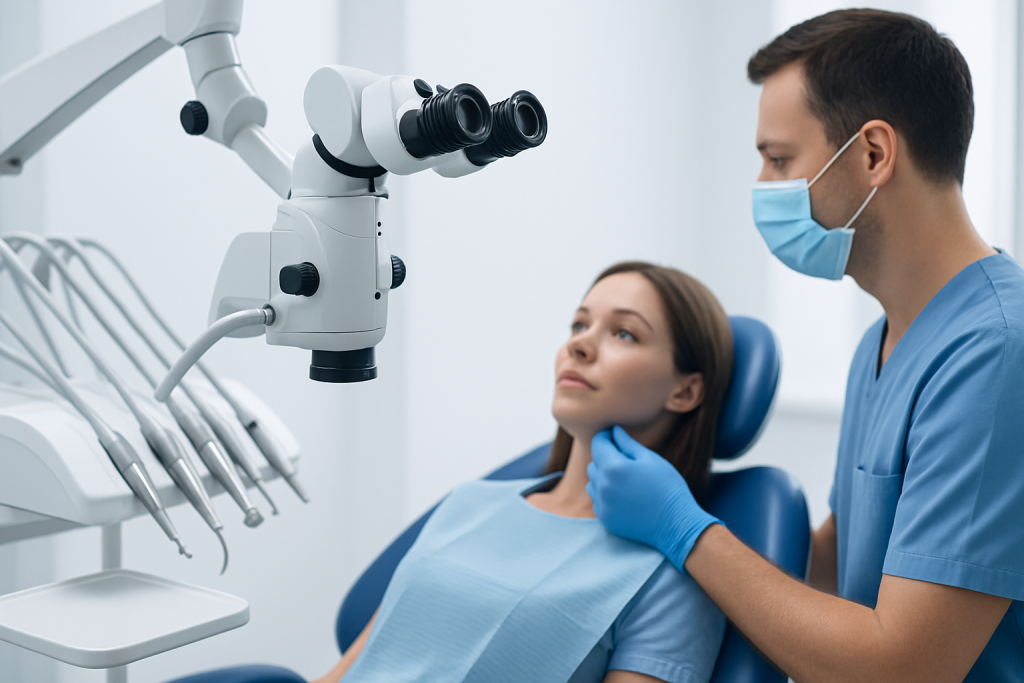
Composite veneers are not a treatment for a disease, so there are no medical symptoms in the usual sense. Instead, they are chosen when a person is bothered by visible changes in the teeth that affect smile appearance or confidence.
Common concerns that may lead someone to ask about composite veneers include teeth that look slightly chipped, uneven, worn, misshapen, or more yellow than desired. Some people also seek treatment for small spaces between teeth or for one or two teeth that stand out after injury or previous dental work.
Sometimes the issue is less about a single flaw and more about how the front teeth look together. In those cases, a dentist evaluates whether composite veneers, whitening, bonding, orthodontic treatment, or a combination approach would create a result that looks natural and remains healthy over time.
Causes & Risk Factors

Several everyday factors can make someone a candidate for composite veneers. Teeth may become chipped from biting hard foods, sports injuries, or accidental trauma. Small enamel irregularities can also be present from childhood, tooth development, or minor wear over time.
Color changes are another common reason people seek cosmetic treatment. Teeth can appear darker after aging, frequent exposure to staining foods and drinks, smoking, certain medications, or previous dental procedures. While whitening helps many patients, some stains and shape concerns are better managed with veneering or bonding.
There are also practical considerations that influence whether composite veneers are a good fit:
- Bruxism, or teeth grinding, which can shorten the life of restorations
- Active gum disease or untreated cavities
- Very limited enamel, which affects adhesion and long-term stability
- Orthodontic issues such as crowding or bite misalignment
- Expectations that are too large for what cosmetic resin can safely achieve
A careful assessment matters because composite veneers work best when the bite is stable, the gums are healthy, and the cosmetic goals are realistic.
Diagnosis
Before recommending composite veneers, a dentist performs a detailed oral examination. This usually includes checking the teeth, gums, bite, existing fillings, and areas of wear or fracture. The goal is to understand not only what the patient wants to improve, but also whether the mouth is ready for cosmetic treatment.
Digital photos, impressions, scans, or shade matching may be used to plan the appearance of the final result. Some practices also create a mock-up or trial smile so the patient can preview the general shape and size before any permanent changes are made.
For patients traveling from another country, this planning stage is especially important. A dentist may need to confirm whether treatment can be completed in one visit, how many teeth should be treated, and whether any preparatory care—such as cleaning, cavity treatment, or gum therapy—should happen first.
Treatment Options
Composite veneer treatment is typically a chairside procedure. After cleaning the tooth surface, the dentist prepares the enamel lightly if needed, then places the resin in layers and sculpts it to match neighboring teeth. Once the shape looks right, the material is hardened, polished, and checked for bite comfort.
There are two broad approaches. Direct composite veneers are built directly on the teeth during the appointment, while indirect options may involve laboratory steps before final placement. In everyday practice, many patients are looking for direct composite veneers because they are efficient and can often be adjusted quickly if the smile design needs fine-tuning.
Composite veneers are not the only way to enhance a smile. Depending on the situation, a dentist may suggest:
- Professional whitening for color-only concerns
- Composite bonding for a single chipped tooth or small defect
- Orthodontic treatment for spacing or alignment problems
- Ceramic veneers for greater stain resistance and longevity
- Crowns when teeth are structurally weakened
The best choice depends on tooth condition, bite forces, cosmetic goals, time available, and how much tooth structure should be preserved. Composite veneers are often valued for their conservative nature, but they may need polishing, repair, or replacement sooner than ceramic options.
Prevention & Self-care
Once composite veneers are in place, daily habits play a large role in how long they continue to look good. Gentle but consistent oral hygiene helps protect both the restoration and the natural tooth underneath it. Brushing twice daily with a soft-bristled brush and cleaning between the teeth are simple but important steps.
Patients are usually advised to avoid using front teeth as tools, such as opening packages or biting hard objects. Limiting frequent exposure to strongly staining drinks like coffee, tea, and red wine may also help keep the resin looking fresher. If someone smokes, reducing or stopping tobacco use can improve overall oral health and help preserve color.
Helpful long-term habits often include:
- Wearing a night guard if a dentist recommends one for grinding or clenching
- Attending regular dental checkups and professional cleanings
- Reporting rough edges, chips, or color change early
- Choosing softer foods immediately after treatment if the dentist advises it
- Maintaining gum health, since inflammation can affect the appearance of the smile
For international patients, it is sensible to plan follow-up care before travel ends. A clear aftercare plan and local dentist coordination can make maintenance easier once the patient returns home.
When to See a Doctor
A dentist should be consulted if a person is considering composite veneers for cosmetic reasons or is unsure whether another treatment would be more suitable. A professional assessment can clarify whether the underlying issue is mainly cosmetic or whether decay, gum disease, wear, or bite imbalance also needs attention.
It is also wise to seek dental care if a veneer or bonded tooth feels rough, has changed color, appears chipped, or no longer fits comfortably in the bite. Early evaluation can often prevent a small repair from becoming a larger restoration problem.
Patients should not delay care if they have tooth pain, sensitivity that is worsening, swelling, bleeding gums, or a broken tooth after trauma. Those symptoms may signal a condition that needs treatment before any cosmetic work is started. Acibadem Health Point’s multidisciplinary specialists and JCI-accredited hospitals diagnose and treat this condition for international patients, with care planning that can support both treatment and follow-up needs.
Living With Composite Veneers
Many people choose composite veneers because they want visible improvement without a long or heavily invasive process. In the right case, the result can look natural and feel comfortable, blending cosmetic goals with a practical treatment path. The key is to think of the veneers as part of ongoing dental care rather than a one-time cosmetic fix.
Resin restorations can be repaired if they chip or wear, which is one reason they appeal to patients who want flexibility. At the same time, this material may stain or lose polish more quickly than ceramic, so maintenance matters. A dentist can suggest when a simple polish is enough and when replacement is the better choice.
For someone arranging care during a short stay abroad, composite veneers can be particularly attractive when treatment goals are modest and the mouth is healthy enough for immediate cosmetic work. A careful consultation helps ensure the smile design fits the patient’s face, bite, and long-term dental health, not just the first impression in the mirror.
Frequently asked questions
01What are composite veneers made of?
Composite veneers are made from a tooth-colored resin material that a dentist shapes directly onto the front surface of the teeth. The material is then hardened and polished to match the surrounding smile as closely as possible.
02How are composite veneers different from ceramic veneers?
Composite veneers are usually placed more quickly and involve less tooth preparation than ceramic veneers. Ceramic veneers often last longer and resist staining better, but they may require more planning and are not the right choice for every patient.
03Do composite veneers damage the teeth?
When planned and placed correctly, composite veneers are designed to be conservative and preserve as much natural tooth structure as possible. However, they still require a healthy mouth and proper technique, so a dentist should assess whether the teeth and gums are suitable first.
04How long do composite veneers last?
Their lifespan varies depending on oral hygiene, bite forces, staining habits, and whether the person grinds their teeth. Regular checkups and timely maintenance can help them stay attractive and functional longer.
05Can composite veneers be whitened later?
No, the resin material itself does not whiten the way natural teeth do. If color becomes a concern, a dentist may recommend polishing, repair, replacement, or whitening of the surrounding natural teeth to create a balanced result.
06Are composite veneers a good option for people traveling for dental care?
They can be a practical option for some international patients because they may be completed in a shorter timeframe. A consultation is still important so the treatment plan, aftercare, and any follow-up steps are clear before travel begins.
This article is for general information only and is not a substitute for professional medical advice. Please consult a qualified doctor about your individual situation.
Explore treatments in Turkey — costs, top hospitals & a free quote
JCI-accredited · board-certified surgeons · reply within 24h
Add us as a Preferred Source to see more of our trusted health content across Google Search, AI Overviews and Discover.


How can we help you today?
Meet an Acibadem specialist by secure video, before you travel.
Book a video visit