

Complex Post-Traumatic Stress Disorder: Symptoms and Treatment
- 9 min read
- Published November 28, 2026
Key Takeaways
- Trauma-related symptoms can affect mood, sleep, memory, relationships, and day-to-day functioning.
- Symptoms may appear after a single event or after repeated experiences of danger, loss, or abuse.
- Diagnosis is based on a careful clinical assessment and the person’s history, not on a single test.
- Treatment often combines psychotherapy, practical coping strategies, and, when appropriate, medication.
- Early support can make recovery easier and help reduce the impact on work, travel, and family life.
Post traumatic stress complex refers to a broader, often longer-lasting pattern of distress that can follow repeated or severe trauma. Understanding how it differs from everyday stress can help a person seek the right support at the right time.
Overview
Post traumatic stress complex is not a formal diagnosis in the same way as Stress Disorder: Trauma Symptoms and Recovery Options" class="ahp-ilk">post-traumatic stress disorder, but the term is often used to describe a wider, more layered response to trauma. It may be used when a person has ongoing symptoms after repeated, prolonged, or especially overwhelming experiences, rather than one clearly defined event.
For some people, the effects of trauma are limited to fear and flashbacks. For others, the impact spreads further: trust becomes difficult, sleep is disrupted, concentration weakens, and the body seems to stay on alert long after the danger has passed. That broader picture is what many people mean when they use the phrase complex post-traumatic stress.
Because trauma responses can look different from person to person, it helps to think less about labels alone and more about how daily life is affected. When symptoms are interfering with work, relationships, travel, or simple rest, professional support can be an important next step.
Symptoms
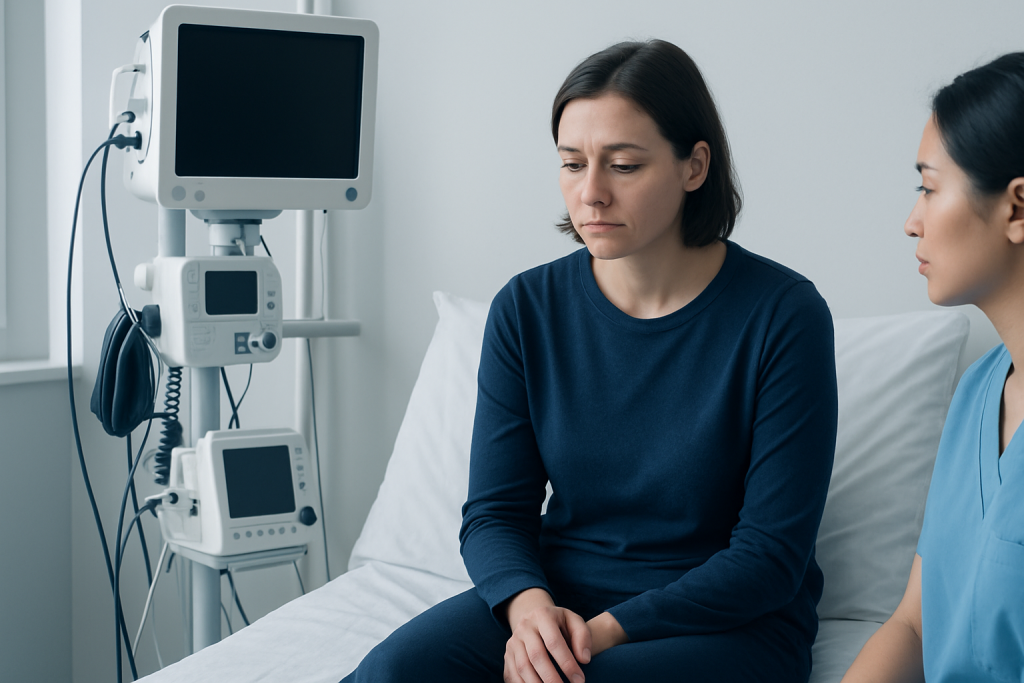
Symptoms can appear soon after trauma or emerge later, sometimes when life becomes quieter and the mind has space to process what happened. They may come and go, or feel steady and exhausting. Many people notice that reminders such as places, sounds, anniversaries, or even certain conversations can trigger a strong reaction.
Common signs include intrusive memories, nightmares, and feeling as if the event is happening again. Some people avoid people, places, or topics that bring back the trauma, while others feel emotionally numb or detached. Irritability, hypervigilance, poor sleep, and difficulty concentrating are also common.
- Repeated distressing memories or flashbacks
- Nightmares or disturbed sleep
- A strong startle response or feeling constantly on edge
- Avoiding reminders of the trauma
- Emotional numbness, guilt, shame, or persistent fear
- Difficulty trusting others or maintaining close relationships
In more complex patterns, trauma may also affect self-image, emotional regulation, and the ability to feel safe in ordinary settings. A person may describe feeling disconnected from their body, overwhelmed by emotions, or unable to calm down once distressed.
Causes & Risk Factors
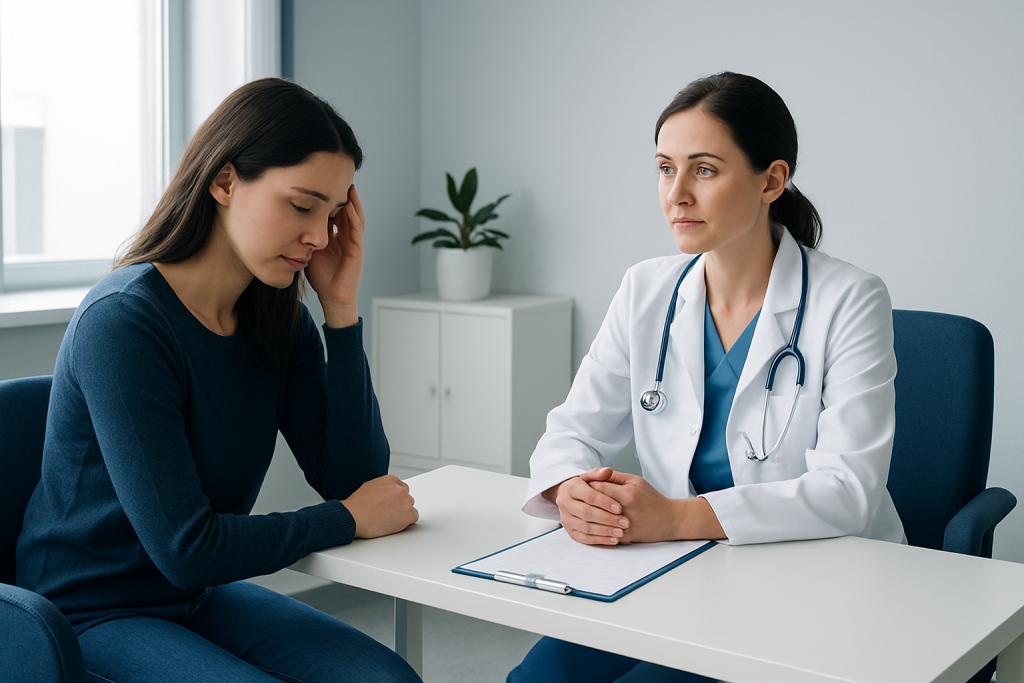
Post traumatic stress complex is linked to experiences that overwhelm a person’s ability to cope. These may include repeated abuse, violence, neglect, captivity, war, serious accidents, or other situations where escape felt impossible. The nervous system may remain in a protective state long after the event has ended.
Not everyone exposed to trauma develops ongoing symptoms. Risk can be influenced by the type of trauma, how long it lasted, whether it happened in childhood, and whether the person had support afterward. A person’s earlier mental health, physical health, and current stress level can also shape recovery.
Some situations can make symptoms more likely or more persistent:
- Trauma that is repeated or prolonged
- Childhood trauma or abuse
- Lack of emotional or practical support after the event
- Prior anxiety, depression, or trauma history
- Ongoing stress, unstable housing, or unsafe environments
It is important to remember that trauma reactions are not a sign of weakness. They are a human response to experiences that overwhelmed the body and mind’s normal sense of safety.
Diagnosis
There is no blood test or scan that can confirm post traumatic stress complex. Diagnosis depends on a careful clinical conversation in which a qualified mental health professional or doctor learns about the person’s symptoms, trauma history, and current functioning. The goal is to understand the full picture, not to judge how “serious” the experience was.
Because trauma symptoms can overlap with depression, anxiety, sleep disorders, or substance use, clinicians often ask about mood, physical health, medications, and daily habits. They may also assess risk, especially if the person feels hopeless, unsafe, or unable to manage everyday tasks.
For international patients, this assessment may be especially helpful before travel for treatment. A clear diagnosis and treatment plan can guide decisions about whether care should begin locally, continue virtually, or be coordinated with a specialist center abroad. This can reduce uncertainty and make follow-up easier across different countries and time zones.
Treatment Options
Treatment is usually most effective when it is tailored to the individual’s symptoms, history, and goals. Many people benefit from psychotherapy first, especially approaches that help the brain process traumatic memories and reduce avoidance. Trauma-focused therapies are commonly used, and some people also need support for sleep, mood, panic, or related difficulties.
Therapy may be delivered one-to-one, in a group setting, or through a combination of formats. A clinician may also recommend medication when symptoms are significantly affecting sleep, anxiety, or depression. Medication is not a cure for trauma, but it can sometimes make therapy and daily functioning more manageable.
Helpful treatment approaches may include:
- Trauma-focused psychotherapy
- CBT-based approaches that address thoughts, avoidance, and stress responses
- Eye movement desensitization and reprocessing (EMDR), when appropriate
- Medication for associated symptoms, prescribed by a doctor
- Supportive counseling, group therapy, or family involvement
When trauma has been long-standing, treatment may take time. That does not mean it is ineffective. Many people improve gradually as they build safety, learn coping skills, and work through painful memories at a pace that feels tolerable.
Prevention & Self-care
Trauma cannot always be prevented, but the impact can sometimes be softened by early support and steady routines. After a distressing event, it is often better to seek help early rather than wait for symptoms to become deeply rooted. Gentle structure, rest, and connection with trusted people can support the nervous system while recovery begins.
Self-care does not replace treatment, but it can make symptoms easier to manage day to day. Small, practical steps often work better than trying to “push through” distress. For people traveling for care, it can also help to prepare before the trip: arrange follow-up appointments, bring a symptom list, and plan who will help at home after returning.
- Keep regular sleep, meal, and activity times when possible
- Limit alcohol and recreational drugs, which can worsen symptoms
- Use grounding techniques during flashbacks or panic
- Stay connected to supportive friends, family, or peers
- Break difficult tasks into smaller steps and allow recovery time
Breathing exercises, light physical activity, journaling, and time outdoors may also help some people feel more settled. The most useful routine is the one a person can maintain consistently, especially during stressful periods.
When to See a Doctor
Medical or mental health help is advisable when trauma symptoms last more than a few weeks, worsen over time, or interfere with work, school, sleep, or relationships. A person should also seek care if they feel persistently hopeless, unable to function, or increasingly isolated from others.
Urgent help is important if there are thoughts of self-harm, severe panic, confusion, or a sense that the person may act in an unsafe way. If symptoms make it difficult to care for children, drive safely, or make important decisions, prompt assessment is also wise.
For people considering treatment abroad, it can be useful to choose a center experienced in coordinated mental health care, including assessment, therapy, and follow-up planning. Acibadem Health Point’s multidisciplinary specialists and JCI-accredited hospitals can diagnose and treat this condition for international patients, with care arranged in a way that supports continuity before and after travel.
A clinician can help distinguish trauma-related symptoms from other conditions and create a plan that fits the person’s life circumstances. Even when recovery feels slow, the right support can make symptoms more understandable and more manageable.
Living With the Condition
Living with post traumatic stress complex often means learning to notice patterns: which situations trigger distress, which routines are stabilizing, and which relationships feel safe enough for honesty. This awareness can be the beginning of recovery, because it helps a person respond to symptoms rather than feel controlled by them.
Progress may not be linear. A stressful anniversary, a move, illness, or travel can bring symptoms back to the surface, even after a period of improvement. That does not mean treatment has failed; it often means the nervous system needs renewed support.
With consistent care, many people regain a stronger sense of safety, sleep more reliably, and reconnect with work, family, and daily life. The process is often gradual, but it is real, and it is worth pursuing with professional guidance.
Frequently asked questions
01Is post traumatic stress complex the same as PTSD?
The term is often used informally to describe a broader or more complicated trauma response. It is not always a formal diagnosis, but it usually points to symptoms that are persistent, layered, or related to repeated trauma.
02Can symptoms start long after the traumatic event?
Yes, symptoms can appear weeks, months, or even later, sometimes when life becomes less busy and the mind has more space to process the experience. A delayed start does not make the symptoms less real or less important.
03What kind of therapy is most helpful?
Trauma-focused psychotherapy is often a central part of care, and some people benefit from EMDR or CBT-based approaches. The best option depends on the person’s history, symptom pattern, and comfort level with treatment.
04Do medications cure trauma-related symptoms?
Medication does not cure the underlying trauma, but it can help with associated problems such as insomnia, anxiety, or depression. A doctor can explain whether medication is appropriate as part of a broader treatment plan.
05Can a person recover while living in another country?
Yes. Many people recover with a combination of local support, virtual follow-up, and coordinated specialist care. Planning ahead for records, therapy continuity, and aftercare can make treatment smoother across borders.
06How can family members help?
Family members can help by listening without pressure, learning about trauma responses, and encouraging professional care when needed. Predictable routines, patience, and respect for boundaries often make support feel safer.
This article is for general information only and is not a substitute for professional medical advice. Please consult a qualified doctor about your individual situation.
Explore treatments in Turkey — costs, top hospitals & a free quote
JCI-accredited · board-certified surgeons · reply within 24h
Add us as a Preferred Source to see more of our trusted health content across Google Search, AI Overviews and Discover.


How can we help you today?
Meet an Acibadem specialist by secure video, before you travel.
Book a video visit