Common TMJ Signs: Jaw Pain, Clicking, and Stiffness
A TMJ sign is a symptom that may suggest a problem affecting the temporomandibular joint (TMJ), the joint that connects the lower jaw to the skull. Common signs include jaw pain, clicking or popping, limited movement, facial discomfort and changes in chewing, but these symptoms can have several possible causes.
What Does TMJ Sign Mean?
A TMJ sign refers to a change or symptom involving the temporomandibular joint, commonly called the TMJ. There is one TMJ on each side of the face, just in front of the ears. These complex joints allow the jaw to open, close, move side to side and support activities such as speaking, chewing and swallowing.
In everyday use, people may say they have “TMJ” when they mean pain or dysfunction in this area. Clinically, the broader term is temporomandibular disorder (TMD). TMD includes conditions affecting the jaw joints, the cushioning disc within the joint, and the muscles that control jaw movement.
A single symptom does not always mean there is a disorder. For example, painless clicking can occur in people with otherwise normal jaw function. A healthcare professional considers the full pattern of symptoms, jaw movement, dental health and medical history before identifying the likely cause.
Common TMJ Signs and Symptoms
TMJ-related symptoms vary from person to person. They may be temporary, come and go, or become more noticeable during periods of stress, increased jaw use or teeth grinding. Symptoms can affect one or both sides of the face.
Common TMJ signs include pain or tenderness around the jaw joint, cheek, temple or ear; stiffness in the jaw; discomfort while chewing; and a feeling that the bite has changed. Some people notice sounds such as clicking, popping or grating when opening or closing the mouth.
- Difficulty opening the mouth fully or moving the jaw normally
- Jaw locking in an open or closed position
- Jaw fatigue after chewing, talking or yawning
- Headaches, temple pain, neck discomfort or facial aching
- Ear fullness or discomfort when no ear infection is present
- Tooth sensitivity or worn teeth that may be linked with clenching or grinding
Symptoms around the ear can be confusing because the TMJ is located nearby. However, hearing loss, ear discharge, fever or significant dizziness are not typical TMJ signs and should be evaluated for other possible causes.
Why TMJ Signs Develop

TMD symptoms often develop through a combination of physical, behavioral and emotional factors rather than from one clear cause. The joint and its surrounding muscles can become irritated when they are overloaded or when movement is not well coordinated.
Teeth clenching and grinding, known as bruxism, can strain the jaw muscles and joints. This may happen during sleep or while awake, especially during concentration or stress. Frequent gum chewing, biting nails, holding objects between the teeth, or repeatedly opening the mouth very wide can also add stress to the area.
Other possible contributors include jaw injury, arthritis affecting the joint, changes in the position or movement of the small disc within the joint, and muscle tension in the face or neck. Poor sleep and stress do not mean symptoms are “all in the mind”; they can increase muscle activity and heighten the experience of pain.
Less commonly, jaw symptoms may be connected to dental infection, sinus disease, nerve pain or another medical condition. For this reason, new or persistent jaw pain should not be self-diagnosed solely as a TMJ problem.
How TMJ Problems Are Assessed
Assessment usually begins with a discussion of symptoms. A clinician may ask when the discomfort started, whether it follows an injury, what movements trigger it, and whether there is clenching, grinding, stress, sleep difficulty or a history of dental treatment. They may also ask about headaches, ear symptoms and general joint health.
During the examination, the clinician may gently feel the jaw muscles and joints, listen for joint sounds, measure how widely the mouth opens and observe whether the jaw moves evenly. The teeth, gums and bite may also be checked for signs of grinding, infection or other dental concerns.
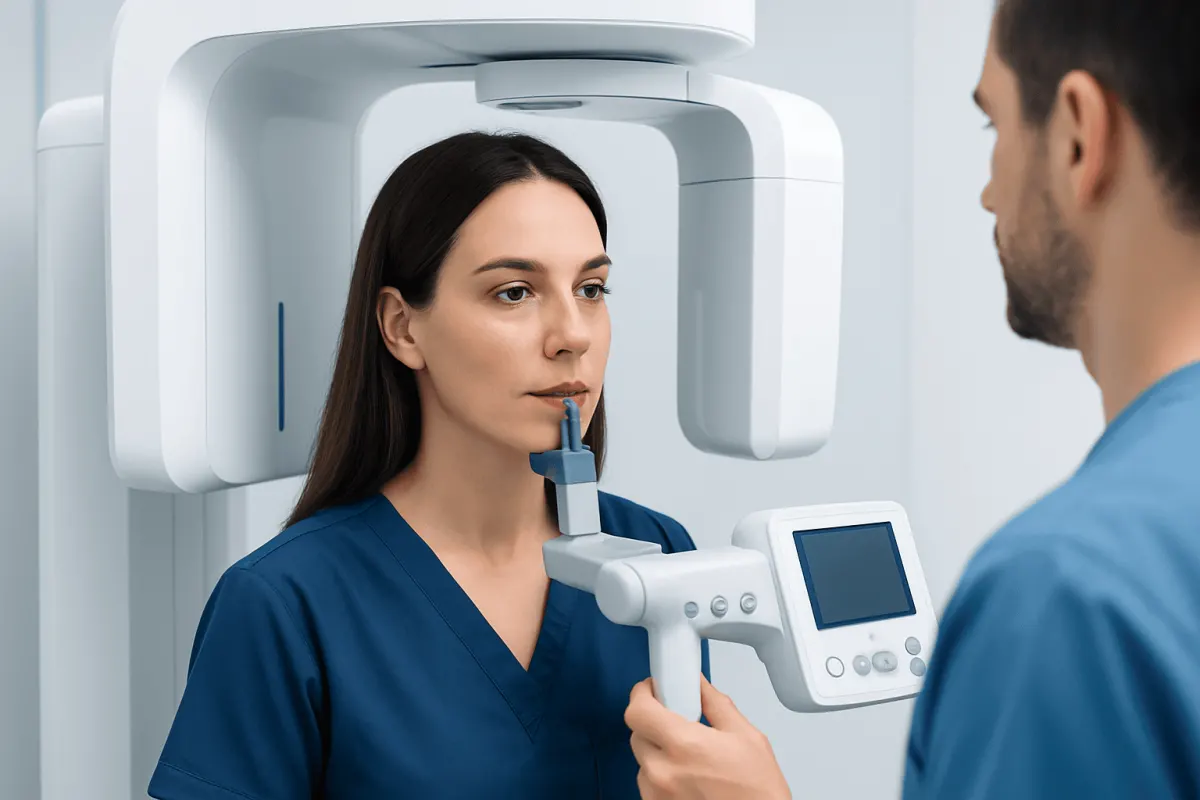
Imaging is not required for every person with a TMJ sign. X-rays may help assess teeth and bony joint changes. When detailed information is needed, magnetic resonance imaging (MRI) can show the joint disc and other soft tissues, while computed tomography (CT) can provide clearer images of bone. Imaging is generally considered when symptoms are severe, follow trauma, do not improve, or suggest a structural problem.
Treatment Options for TMJ Symptoms
For many people, initial care focuses on reducing strain on the jaw and helping the muscles recover. Treatment is tailored to the suspected cause, the severity of symptoms and how much daily function is affected. Conservative approaches are usually tried before irreversible dental procedures or surgery.
A clinician may recommend temporarily choosing softer foods, taking smaller bites, avoiding gum and hard or chewy foods, and limiting very wide yawning. Warm or cold packs may offer comfort for some people. Gentle jaw movement and physical therapy can improve mobility and reduce muscle tension when guided by an appropriately trained professional.
Other options may include short-term pain-relief medicines when medically appropriate, treatment for an underlying dental problem, or a custom oral appliance for selected people with grinding or clenching. An appliance should be prescribed and monitored by a qualified dental professional; it is not suitable for every jaw problem.
Injections, joint procedures and surgery are reserved for carefully selected cases, such as persistent significant pain, confirmed joint disease or mechanical locking that has not responded to less invasive treatment. The benefits and possible risks should be discussed with an oral and maxillofacial surgeon or another experienced specialist.
Self-Care and Everyday Jaw Protection
Self-care can be helpful for mild symptoms and alongside professional treatment. The aim is not to stop using the jaw, but to avoid unnecessary overuse while symptoms settle. Gradual return to normal eating and movement is usually more helpful than keeping the jaw completely still for a long period.
People may find it useful to notice their resting jaw position: the lips can be together while the teeth remain slightly apart, with the tongue resting gently against the roof of the mouth. This can reduce unconscious daytime clenching. Regular breaks during screen work, relaxed posture and supported neck positioning may also reduce muscle tension.
- Avoid chewing gum, ice, pens and other non-food items
- Choose softer foods for a short period during painful flare-ups
- Use both sides of the mouth when chewing where comfortable
- Support the lower jaw during a yawn if wide opening is painful
- Practice stress-management approaches, such as paced breathing or regular physical activity
- Attend recommended dental reviews, especially if there are signs of grinding or tooth wear
It is best to avoid forceful jaw stretching, aggressive massage or attempting to “pop” the jaw back into place. These actions can worsen irritation or delay evaluation of a more significant problem.
When to Seek Medical Care
A dental professional, doctor or specialist should assess jaw symptoms that last more than a few weeks, recur frequently, interfere with eating or sleeping, or do not improve with gentle self-care. Prompt assessment is also appropriate when there is jaw locking, a clear change in bite, significant limitation in mouth opening, or pain after an injury.
Urgent medical or dental care is important for facial swelling, fever, redness, drainage from the gums or mouth, severe tooth pain, or inability to swallow fluids. These symptoms can indicate infection or another condition requiring timely treatment rather than a routine TMJ disorder.
Chest pain, shortness of breath, sweating, nausea, or pain spreading to the jaw, arm, shoulder or back requires emergency medical assessment, particularly in people with cardiovascular risk factors. Jaw pain can occasionally occur with heart-related conditions, so it should not be assumed to be caused by the TMJ when these symptoms are present.
Acıbadem Health Point’s multidisciplinary specialists and JCI-accredited hospitals assess jaw, dental and facial pain concerns for international patients, with referral to relevant dental, ear, nose and throat, neurology or surgical services when needed.
Frequently asked questions
01Is jaw clicking always a TMJ sign?
Jaw clicking can be a TMJ sign, but it is not always a sign of disease. Many people have occasional painless clicking without limited movement or chewing problems. Assessment is more important if the sound is painful, persistent, associated with locking, or accompanied by reduced jaw movement.
02Can stress cause TMJ symptoms?
Stress can contribute to TMJ symptoms by increasing muscle tension and making daytime clenching or nighttime grinding more likely. It can also make pain feel more intense. Stress management may be useful, but ongoing jaw pain should still be assessed for dental, joint and other physical causes.
03How long do TMJ symptoms last?
The duration varies according to the underlying cause and the steps taken to reduce jaw strain. Mild muscle-related symptoms may improve over days to weeks, while recurrent or joint-related problems can take longer. A clinician can advise on next steps when symptoms persist or worsen.
04Can TMJ problems cause headaches?
Yes, overworked jaw and temple muscles can contribute to headaches, particularly around the temples or on waking when grinding may occur overnight. However, headaches have many possible causes. New, severe, sudden or unusual headaches need medical evaluation.
05Should a person use a mouthguard for TMJ pain?
A custom oral appliance may help some people who grind or clench their teeth, but it is not a universal treatment for TMJ pain. The type of appliance and its fit matter, and it should be recommended by a dental professional after assessment. Over-the-counter products may not address the cause and can sometimes affect the bite if used improperly.
06Can TMJ symptoms go away without treatment?
Some mild TMJ symptoms settle with temporary jaw rest, reduced clenching and simple self-care. Even so, symptoms that are frequent, painful, function-limiting or associated with locking should be professionally assessed. Early guidance can help avoid unnecessary strain and identify problems that need specific care.
This article is for general information only and is not a substitute for professional medical advice. Please consult a qualified doctor about your individual situation.
Joint and spine care in Turkey — expert assessment & treatment
JCI-accredited · board-certified surgeons · reply within 24h
Add us as a Preferred Source to see more of our trusted health content across Google Search, AI Overviews and Discover.