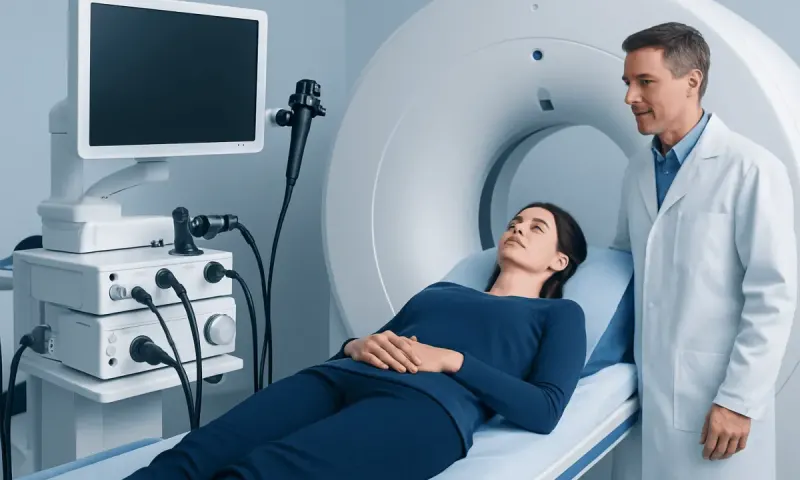
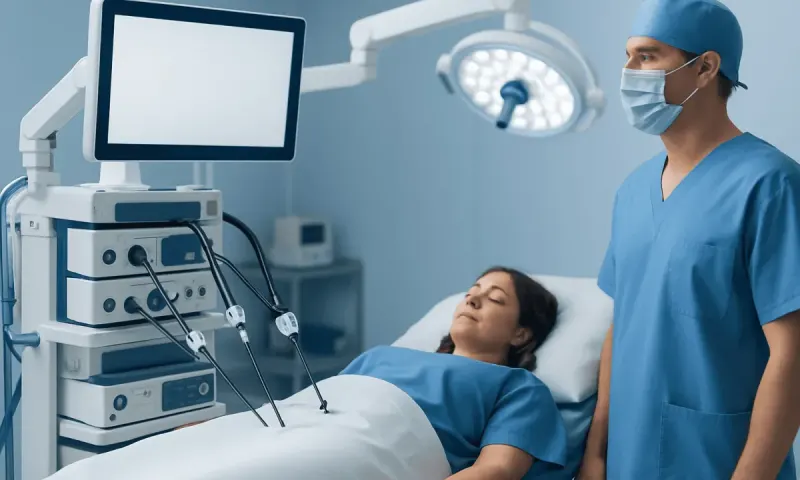
Colonoscopy Sedation Options: What to Expect
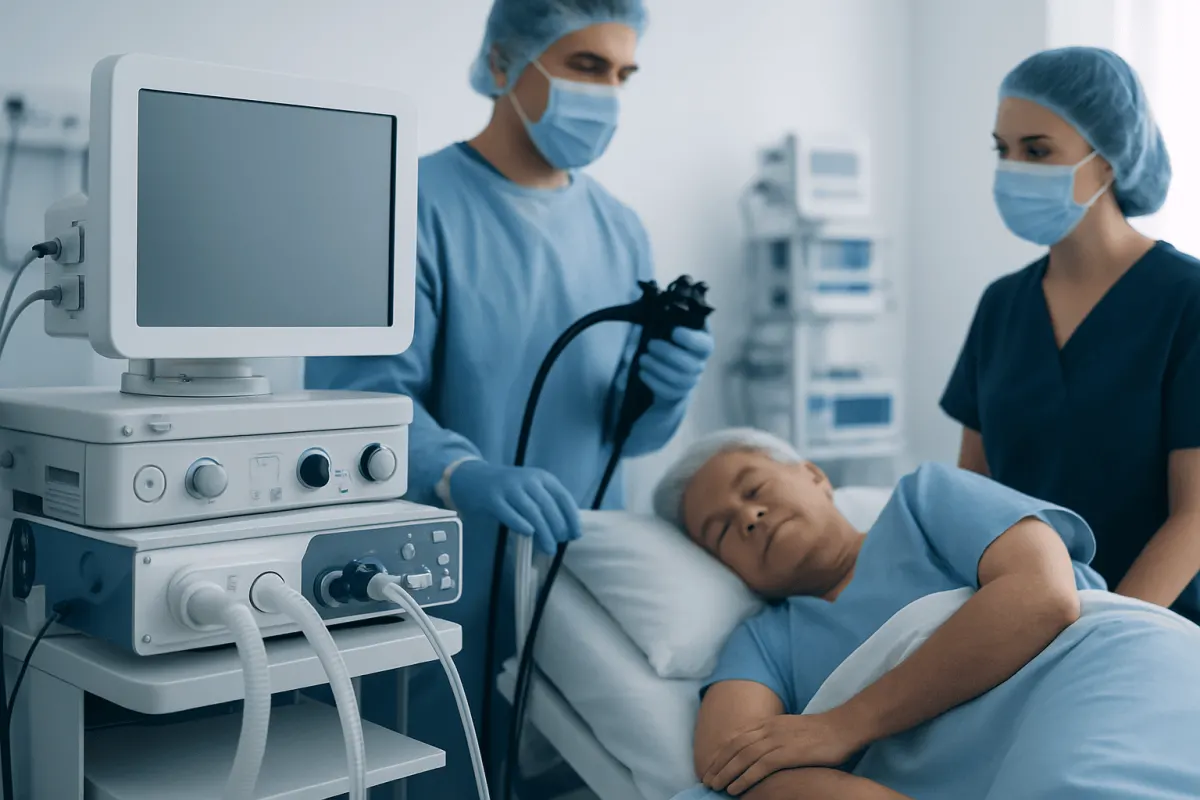
Colonoscopy sedation options include no sedation, light or moderate sedation, and deeper sedation administered by an anesthesia professional. The best approach depends on medical history, comfort preferences, the planned procedure, and local clinical practice.
Overview: understanding colonoscopy sedation options
Colonoscopy sedation options range from having no sedative medication to receiving moderate sedation or deeper anesthesia-led sedation. Sedation does not replace the bowel preparation or the colonoscopy itself; it is used to help a person remain comfortable while a doctor examines the large intestine with a flexible camera.
In many settings, moderate sedation is given through a vein and allows a person to breathe independently while becoming sleepy and less aware of the procedure. Deep sedation, often using propofol and delivered by an anesthesia professional where appropriate, usually produces a deeper sleep-like state. Some people choose or need little to no sedation, although they may feel pressure, bloating, or cramping during the examination.
The choice is individualized. The endoscopy and anesthesia teams consider the person’s previous experiences with sedation, anxiety level, heart and lung health, sleep apnea, medicines, allergies, alcohol or substance use, and whether a therapeutic procedure such as polyp removal may be needed. Before the appointment, patients should share their complete health history and follow fasting and medication instructions carefully.
What happens during a colonoscopy with sedation?
Before the examination, a nurse reviews medical information, checks vital signs, and places an intravenous line if sedation is planned. The patient changes into a gown and is usually positioned on the left side. Monitoring equipment tracks breathing, oxygen levels, blood pressure, and heart rate throughout the procedure.
Once sedation has taken effect, the doctor gently passes a colonoscope through the rectum and around the colon. Air or carbon dioxide may be introduced to open the bowel for a clear view, which can create temporary pressure or bloating. The doctor may take small tissue samples or remove polyps during the same procedure; these steps are generally painless because the bowel lining has limited pain sensation.
Afterward, the patient rests in a recovery area while the sedative effects wear off. The clinical team explains initial findings when the patient is sufficiently alert, although it can be helpful for an accompanying adult to hear the information as well. If biopsies or polyps were removed, laboratory results may take additional time.
- No sedation: The patient remains awake and can leave sooner, but may experience more discomfort.
- Moderate sedation: The patient is relaxed and drowsy, may respond to instructions, and may remember little of the procedure.
- Deep sedation: The patient is usually unaware of the procedure and requires closer anesthesia monitoring and recovery planning.
Is it worth being sedated for a colonoscopy?

For many people, sedation makes colonoscopy more comfortable and reduces anxiety and awareness of pressure or cramping. It may be particularly helpful for people who have had a difficult previous colonoscopy, have significant procedure-related anxiety, are expected to need a longer examination, or are undergoing treatment such as removal of multiple polyps.
However, sedation is not automatically the best option for every person. Avoiding sedation may allow a faster return to normal alertness and may be considered by people who prefer to remain awake, have a suitable medical reason to limit sedative medicines, or have access to an experienced team that offers this approach. Whether it is comfortable enough depends on individual pain sensitivity, anatomy, and the complexity of the examination.
All sedatives can temporarily affect breathing, blood pressure, reflexes, judgment, and coordination, which is why trained staff monitor patients closely. The decision should be made with the clinician before the procedure, balancing likely comfort, safety, logistics, and personal preferences. A patient should not change a sedation plan without discussing it with the endoscopy team.
Preparing for sedation and bowel cleansing
A successful colonoscopy depends on an empty, clean bowel. Patients are given specific instructions about a low-fiber diet, clear liquids, and a prescribed bowel-cleansing solution. The exact schedule varies, but many people use split-dose preparation, taking part of the solution the evening before and the remainder closer to the examination time.
It is important to tell the care team about blood thinners, diabetes medicines, weight-loss medicines that slow stomach emptying, iron supplements, kidney disease, pregnancy, sleep apnea, and prior reactions to anesthesia. Some medicines require special timing or temporary adjustment, but patients should only do this under the directions of the prescribing clinician or endoscopy team.
Because fasting instructions are designed to reduce aspiration risk during sedation, they must be followed exactly. Patients also need to arrange for a responsible adult to take them home after moderate or deep sedation and, where advised, stay with them for the first part of recovery. Public transport, driving, cycling, and operating machinery are not safe alternatives immediately after sedation.
Will I be up all night pooping with colonoscopy prep?
Frequent watery bowel movements are expected after starting colonoscopy preparation, and they can continue for several hours. Some people will need to use the toilet during the evening or overnight, especially if the preparation begins later in the day. Others complete most of the bowel emptying earlier, depending on the type and timing of the preparation.
The goal is for bowel movements to become liquid and pale yellow or nearly clear by the end of the preparation. Staying near a bathroom, using soft toilet paper or fragrance-free wipes, and applying a protective barrier cream can help prevent skin irritation. Clear liquids, taken according to the instructions, can help maintain hydration.
Patients should contact the medical team if they cannot keep the solution down, have severe abdominal pain or marked bloating, become very dizzy, or have not had bowel movements after taking the preparation as directed. The team may adjust the plan rather than having the patient proceed with an inadequately prepared bowel.
How long does it take to recover from a colonoscopy with sedation?
Most people are monitored in the recovery area for roughly 30 to 60 minutes after a colonoscopy with sedation, but recovery of clear thinking and coordination takes longer. Drowsiness, fatigue, mild nausea, bloating, and passing gas are common for the rest of the day. Many people feel physically closer to normal by the next morning.
Even if a person feels alert soon after the procedure, sedative medicines can affect reaction time, judgment, and memory for up to 24 hours. They should not drive, use machinery, drink alcohol, sign legal documents, make major decisions, or return to safety-sensitive work until the next day or until their team says it is safe. A light meal and fluids are usually appropriate unless different instructions are given.
Recovery may take longer after deeper sedation, a lengthy procedure, significant dehydration from bowel preparation, or polyp removal. The endoscopy unit provides individualized discharge advice, including when to restart usual medicines, exercise, and work. Patients should follow those instructions even if they differ from general guidance.
Why do you feel so good after a colonoscopy?
Some people feel unexpectedly well or relaxed after a colonoscopy because sedative medicines can temporarily reduce anxiety and create a sense of calm or wellbeing. Relief after completing an anticipated procedure, reassurance from initial findings, and the effects of resting may also contribute to this feeling.
Feeling good does not mean that sedative effects have fully passed. A person may still have reduced concentration, slower reflexes, or gaps in memory without realizing it. This is why discharge instructions about having an escort and avoiding driving or alcohol remain important, even when the person feels energetic or cheerful.
Others feel tired, mildly crampy, or bloated instead, particularly after bowel preparation. These effects usually improve with rest, fluids, and gentle movement. Persistent or worsening symptoms should be discussed with the clinical team.
When to seek medical care
It is common to pass gas and have mild bloating or brief cramps after colonoscopy. Small amounts of blood on toilet paper may occur after a biopsy or polyp removal, depending on the procedure. The endoscopy team should explain what is expected in the individual situation and provide a contact number for questions after discharge.
Urgent medical advice is needed for severe or increasing abdominal pain, a firm or significantly swollen abdomen, fever, persistent vomiting, fainting, trouble breathing, black stools, or more than a small amount of rectal bleeding. Patients should also seek prompt help if bleeding continues or they feel weak, dizzy, or unwell.
Colonoscopy is commonly used to investigate bowel symptoms and screen for conditions including colon cancer. Acıbadem Health Point’s multidisciplinary specialists and JCI-accredited hospitals diagnose and treat digestive conditions for international patients, with care plans based on the individual’s findings and needs.
Frequently asked questions
01What are the main colonoscopy sedation options?
The main options are no sedation, moderate sedation, and deep sedation. Moderate sedation usually makes a person sleepy and relaxed while preserving independent breathing, whereas deep sedation generally results in little or no awareness of the procedure. Availability and suitability vary by medical history and local practice.
02Can a person have a colonoscopy without sedation?
Yes, some colonoscopies can be performed without sedation. The person remains awake and may feel pressure, gas, or cramping, but can often leave sooner afterward. This choice should be discussed in advance because it may not be suitable for every procedure or patient.
03How long does it take to recover from a colonoscopy with sedation?
Most patients leave the recovery area within one to two hours of the procedure, depending on the sedation used and their condition. However, the effects on coordination and judgment can last until the next day. A responsible adult should take the patient home, and driving should be avoided for 24 hours or as instructed.
04Will I be up all night pooping with colonoscopy prep?
Frequent loose stools are an expected part of bowel preparation and may continue into the night, particularly with an evening dosing schedule. The timing differs among preparations and individual patients. Following the prescribed schedule and staying hydrated with approved clear liquids can help the process go more smoothly.
05Why do you feel so good after a colonoscopy?
A temporary sense of wellbeing may come from the sedative medication, relief that the procedure is over, and reassurance from hearing initial results. However, a person can still have impaired judgment or coordination despite feeling well. It is important to follow all post-sedation restrictions.
06Is it worth being sedated for a colonoscopy?
For many people, sedation is worthwhile because it can reduce discomfort, anxiety, and recall of the procedure. Others may prefer no sedation to recover alertness more quickly. A doctor can help compare the benefits and limitations based on health conditions, procedure expectations, and personal preferences.
This article is for general information only and is not a substitute for professional medical advice. Please consult a qualified doctor about your individual situation.
Persistent digestive symptoms? Get evaluated in Turkey
JCI-accredited · board-certified surgeons · reply within 24h
Add us as a Preferred Source to see more of our trusted health content across Google Search, AI Overviews and Discover.