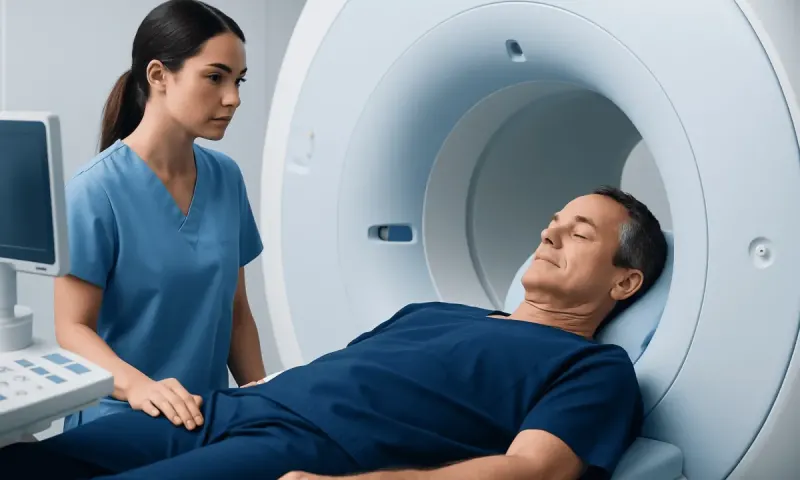
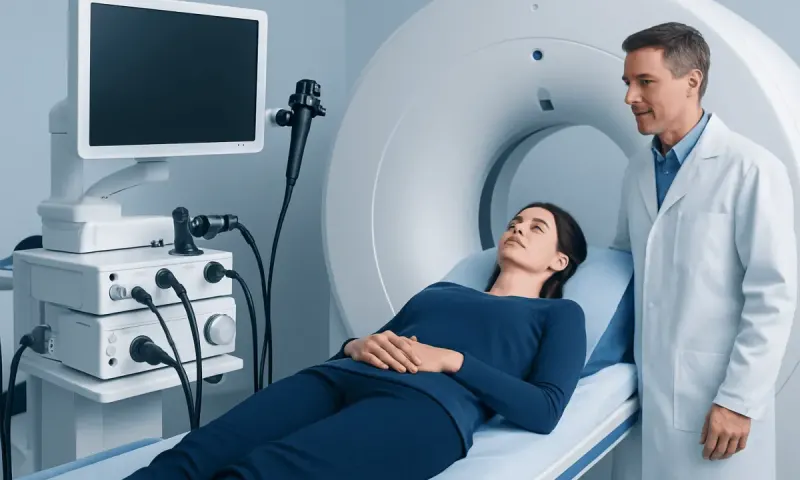
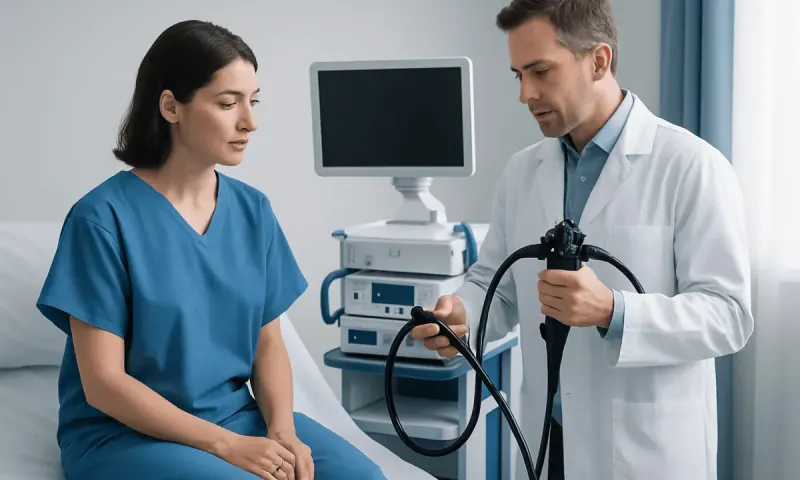
Colonoscopy: Preparation, Procedure, and What Results Mean
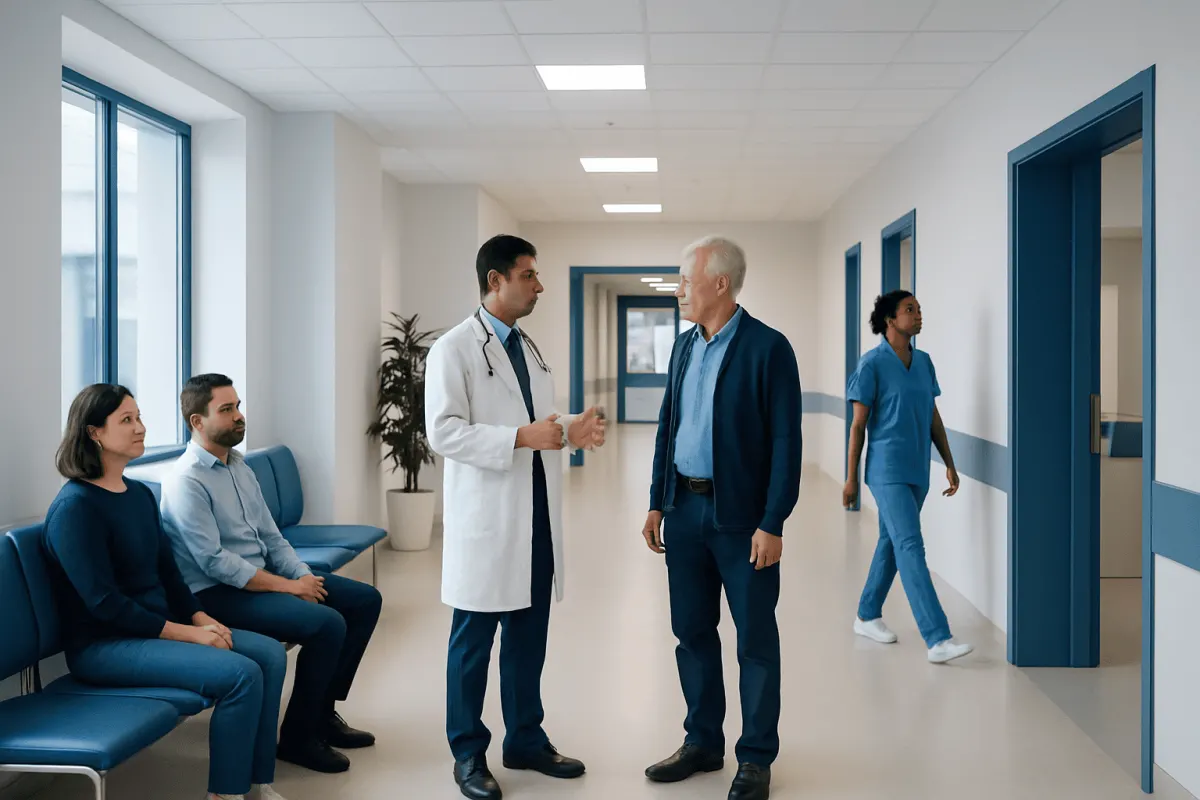
A colonoscopy is a common test that allows a doctor to examine the inside of the large intestine and, when needed, remove small growths called polyps. Good preparation helps make the procedure safer, clearer, and more useful for diagnosing or preventing disease.
Overview
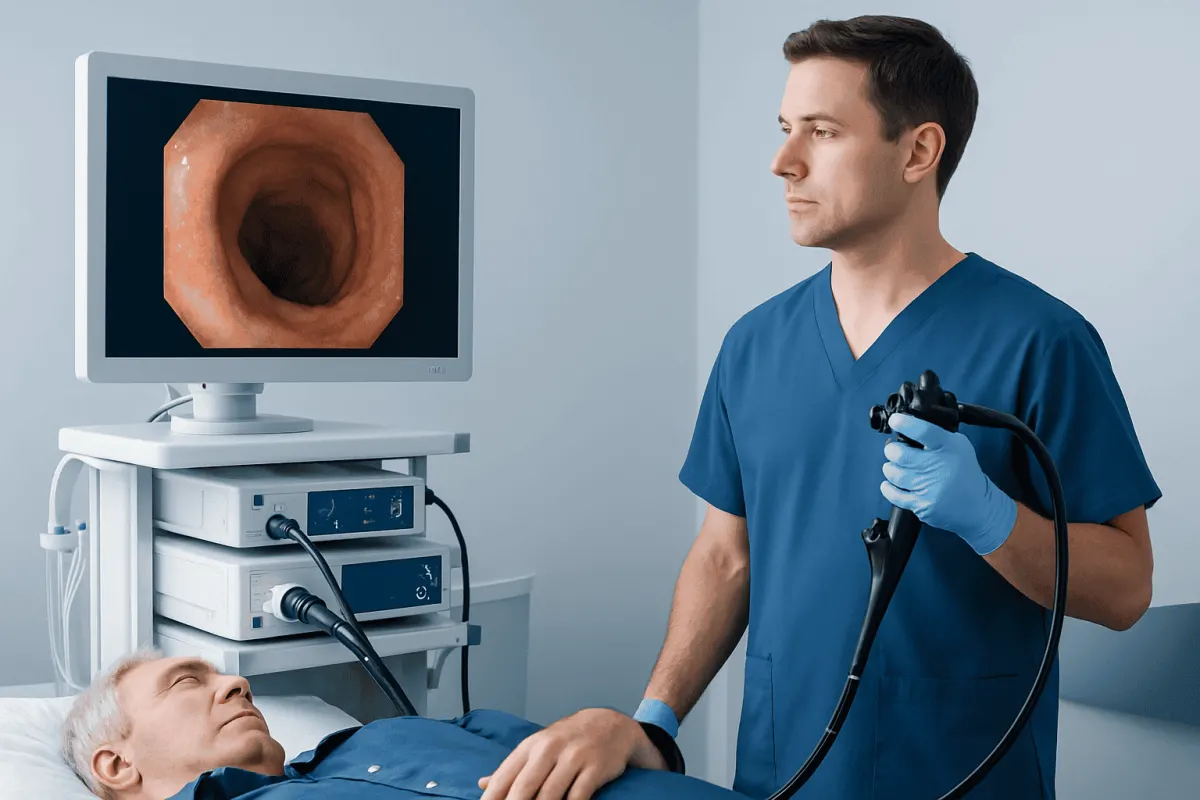
A colonoscopy is an endoscopic examination of the colon, also called the large intestine, and the rectum. During the test, a gastroenterologist uses a long, flexible tube with a small camera and light at the tip. The camera sends images to a screen, allowing the doctor to inspect the bowel lining in detail.
Colonoscopy is both a diagnostic and preventive procedure. It can help explain symptoms such as rectal bleeding, persistent diarrhea, changes in bowel habits, unexplained anemia, or abdominal pain. It is also widely used for colorectal cancer screening because it can detect polyps before they become cancerous and, in many cases, remove them during the same session.
For most patients, colonoscopy is an outpatient procedure, meaning they return home the same day. The examination itself is usually brief, but preparation begins earlier and is a key part of getting accurate results. Patients are typically advised to arrange transportation home because sedative medicines can affect alertness for several hours.
Why a Colonoscopy Is Recommended
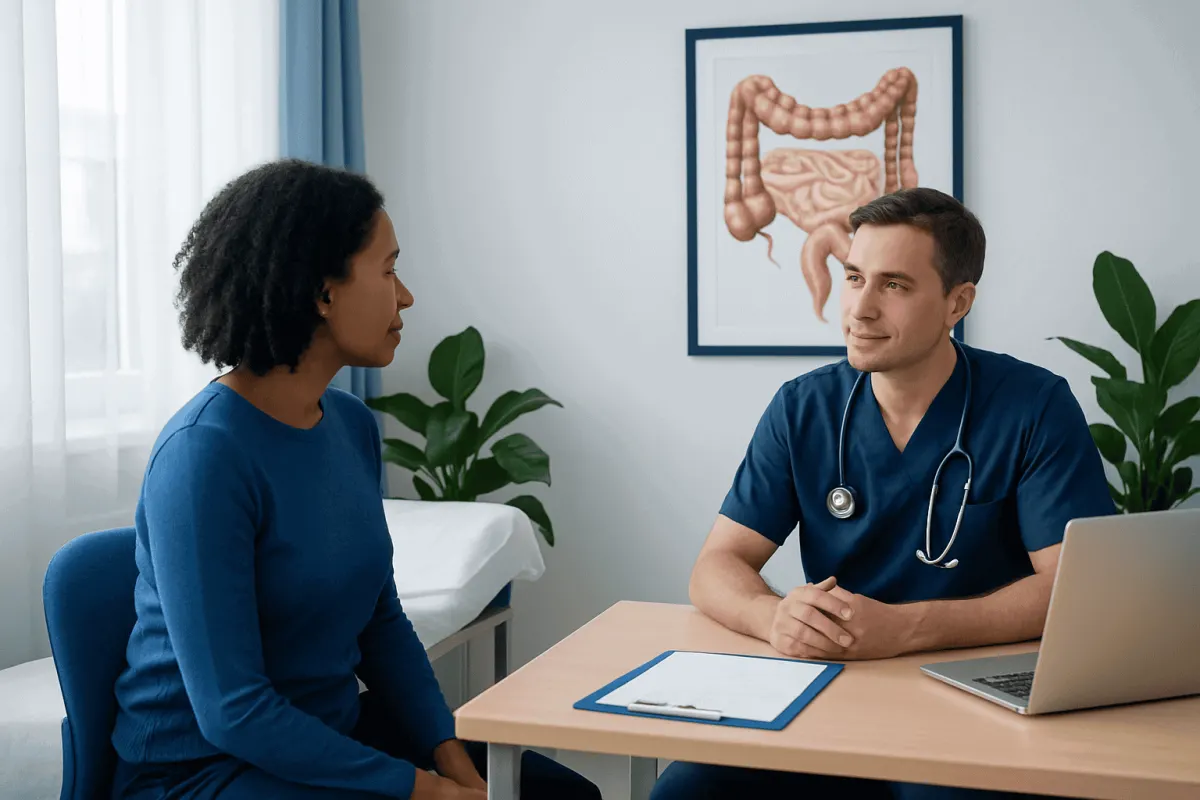
A doctor may recommend colonoscopy for screening, diagnosis, treatment, or follow-up. Screening is performed in people who do not have symptoms but are at an age or risk level where colorectal cancer prevention is important. The timing and frequency of screening depend on a person’s age, family history, previous colonoscopy findings, and other medical conditions.
Colonoscopy may also be advised when symptoms suggest a problem in the colon or rectum. These symptoms do not always mean a serious disease is present, but direct visualization helps identify causes and guide treatment. The doctor may take small tissue samples, called biopsies, even if the lining looks nearly normal.
Common reasons for colonoscopy include:
- Screening for colorectal cancer or precancerous polyps.
- Evaluation of blood in the stool or rectal bleeding.
- Investigation of ongoing diarrhea, constipation, or changes in bowel habits.
- Assessment of inflammatory bowel disease such as ulcerative colitis or Crohn’s disease.
- Follow-up after previous polyps, colon cancer treatment, or abnormal imaging tests.
- Removal of certain polyps or treatment of some bleeding areas.
Colonoscopy Preparation
Colonoscopy preparation, often called bowel prep, is the process of emptying the colon so the doctor can clearly see the bowel lining. Even small amounts of stool can hide polyps or inflammation. For this reason, following the preparation instructions carefully is one of the most important steps for a successful examination.
Preparation usually includes temporary diet changes and a prescribed laxative solution or tablets. Many patients are asked to eat low-fiber foods for a short period before the procedure and then switch to clear liquids the day before. Clear liquids may include water, clear broth, apple juice, tea or coffee without milk, and certain sports drinks, depending on the instructions. Red or purple liquids are often avoided because they can resemble blood during the examination.
Patients should tell their doctor about all medicines and supplements they take, especially blood thinners, diabetes medicines, iron supplements, aspirin or anti-inflammatory drugs, and heart medications. Some medicines may need to be adjusted, but they should not be stopped without medical guidance. People with kidney disease, heart disease, pregnancy, allergies, or previous problems with anesthesia should mention this before the test.
Practical preparation also matters. Patients are usually advised to stay close to a bathroom while the laxative is working, drink permitted fluids to reduce dehydration risk, and use skin-protective wipes or ointment if bowel movements irritate the area. Because sedation is commonly used, a responsible adult should accompany the patient or be available to take them home afterward.
What Happens During the Procedure
Before the colonoscopy begins, the healthcare team reviews the patient’s medical history, allergies, current medications, and consent. Vital signs such as blood pressure, heart rate, and oxygen levels are monitored. An intravenous line may be placed so sedation or anesthesia medicines can be given. The type of sedation varies by center and patient needs, but the goal is comfort and safety.
The patient usually lies on the left side while the colonoscope is gently inserted through the rectum and advanced through the colon. Air or carbon dioxide may be used to expand the colon slightly, helping the doctor see the lining. The camera allows careful inspection while the scope is advanced and again as it is slowly withdrawn.
If the doctor sees polyps, many can be removed immediately using small instruments passed through the colonoscope. Biopsies may be taken from areas of inflammation, abnormal tissue, or sometimes normal-appearing lining when microscopic evaluation is needed. These samples are sent to a pathology laboratory for analysis.
The procedure time varies depending on the findings and whether polyps are removed. Afterward, the patient is moved to a recovery area until the sedative effects wear off. Mild bloating, gas, or cramping may occur because of the air used during the examination, and these symptoms usually improve as gas passes.
What Colonoscopy Results Mean
Colonoscopy results may be discussed immediately after the procedure, especially if the doctor found no obvious abnormality or removed visible polyps. However, biopsy and polyp results usually take additional time because tissue must be examined under a microscope by a pathologist. The final report helps determine whether follow-up is needed and when the next colonoscopy should be scheduled.
A normal colonoscopy means the doctor did not see polyps, cancer, bleeding, inflammation, or other significant abnormalities. This is reassuring, but it does not always mean future screening is unnecessary. The recommended interval for the next screening depends on age, risk factors, bowel preparation quality, and the reason for the test.
Abnormal findings can include polyps, diverticulosis, hemorrhoids, inflammation, ulcers, strictures, bleeding areas, or tumors. Polyps are common and not all are dangerous. Some types, such as adenomas or certain serrated polyps, can become cancerous over time, which is why removal and pathology testing are important. If cancer is suspected or confirmed, the patient is referred for further evaluation and a treatment plan.
Sometimes a colonoscopy is described as incomplete or limited. This may happen if bowel preparation was not adequate, if the colon could not be fully examined, or if an area requires additional imaging or repeat examination. In these cases, the doctor explains the next safest and most useful step.
Benefits, Risks, and Recovery
The main benefit of colonoscopy is that it allows direct visualization of the colon and treatment of certain findings during the same procedure. Removing precancerous polyps can reduce the chance of colorectal cancer developing in the future. Colonoscopy can also provide clear answers when symptoms have been difficult to explain with blood tests or imaging alone.
Colonoscopy is generally safe when performed by trained professionals, but like any medical procedure it has potential risks. These include bleeding, especially after polyp removal, reaction to sedative medicines, infection, or a tear in the bowel wall called perforation. Serious complications are uncommon, and the healthcare team takes precautions to reduce risk, including monitoring during and after the procedure.
Most people can eat after the procedure unless their doctor gives different instructions. It is common to feel sleepy, forgetful, or less coordinated for the rest of the day, so driving, signing important documents, drinking alcohol, or operating machinery should be avoided until the next day or as advised. If polyps were removed, the doctor may recommend avoiding certain medicines or strenuous activity for a short time.
Aftercare instructions should be followed carefully. A small amount of rectal spotting can occur, particularly after biopsy or polyp removal, but heavy bleeding is not expected. Patients should keep their follow-up appointment or communication plan so pathology results and next steps are not missed.
Prevention, Self-Care, and When to See a Doctor
Colonoscopy is one part of colon health, but prevention also includes everyday habits. A balanced eating pattern rich in vegetables, fruits, legumes, and whole grains, along with regular physical activity, supports digestive and overall health. Limiting processed meats, avoiding tobacco, moderating alcohol, and maintaining a healthy weight may also help reduce colorectal cancer risk.
People should speak with a qualified doctor about when to begin colorectal cancer screening and which test is most appropriate. Some individuals need earlier or more frequent screening, including those with a personal history of polyps, inflammatory bowel disease, hereditary cancer syndromes, or a strong family history of colorectal cancer. Stool-based tests, CT colonography, and flexible sigmoidoscopy may be options for some patients, but abnormal findings often require colonoscopy for confirmation or treatment.
Medical advice should be sought promptly after colonoscopy if there is severe or worsening abdominal pain, fever, dizziness, repeated vomiting, black stools, or significant rectal bleeding. Patients should also contact their doctor if they have persistent bowel changes, unexplained weight loss, ongoing rectal bleeding, or iron deficiency anemia, even if they have not yet been scheduled for screening.
For international patients, Acıbadem Health Point provides access to multidisciplinary gastroenterology teams and JCI-accredited hospitals for diagnosis and treatment of colon and rectal conditions. Individual recommendations should always be based on a doctor’s assessment, medical history, and test results.
Frequently asked questions
01Is colonoscopy painful?
Most people do not describe colonoscopy as painful because sedation or anesthesia support is commonly used. Some patients may feel bloating, gas, or mild cramping afterward, which usually improves within a few hours. If there are concerns about comfort, they should be discussed with the doctor before the procedure.
02How long does a colonoscopy take?
The examination itself often takes less than an hour, but the total visit is longer because of check-in, preparation, sedation, and recovery time. Patients should plan to spend several hours at the endoscopy unit. They should not drive themselves home after sedation.
03What can a person eat before a colonoscopy?
Diet instructions vary, but many patients are asked to eat low-fiber foods for a short time and then have clear liquids the day before the procedure. Clear liquids may include water, clear broth, certain juices, and tea or coffee without milk, depending on the doctor’s instructions. Patients should avoid foods or drinks that their preparation sheet specifically excludes.
04What happens if a polyp is found?
Many polyps can be removed during the colonoscopy using instruments passed through the scope. The removed tissue is sent to a pathology laboratory to identify the type of polyp and whether it has any concerning changes. The pathology result helps the doctor decide when the next colonoscopy should be done.
05Can colonoscopy miss cancer or polyps?
Colonoscopy is a highly useful test, but no test is perfect. The chance of missing an abnormality is lower when bowel preparation is good, the entire colon is examined, and the procedure is performed carefully. This is why following preparation instructions and attending recommended follow-up are important.
06When can normal activities resume after colonoscopy?
Many people return to routine activities the next day, but they should rest for the remainder of the procedure day because of sedation. If a large polyp was removed or treatment was performed, the doctor may recommend avoiding strenuous activity for longer. Patients should follow the discharge instructions provided by their healthcare team.
This article is for general information only and is not a substitute for professional medical advice. Please consult a qualified doctor about your individual situation.
Persistent digestive symptoms? Get evaluated in Turkey
JCI-accredited · board-certified surgeons · reply within 24h
Add us as a Preferred Source to see more of our trusted health content across Google Search, AI Overviews and Discover.