Colonoscopy Anesthesia: What Sedation Feels Like
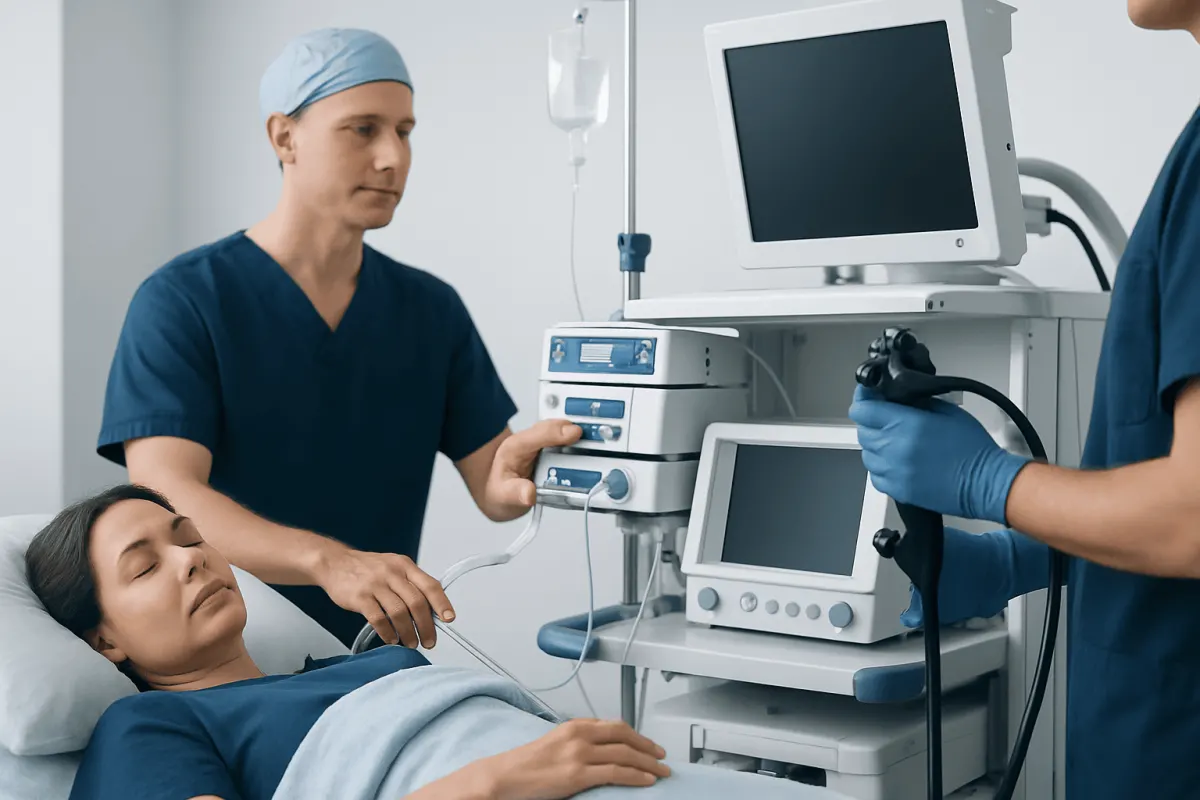
Colonoscopy anesthesia usually involves sedation that helps a person stay comfortable, relaxed and often unaware of the examination. Most people go home the same day, but they need a responsible adult to accompany them and should follow temporary safety restrictions while the medicines wear off.
Overview: what colonoscopy anesthesia involves
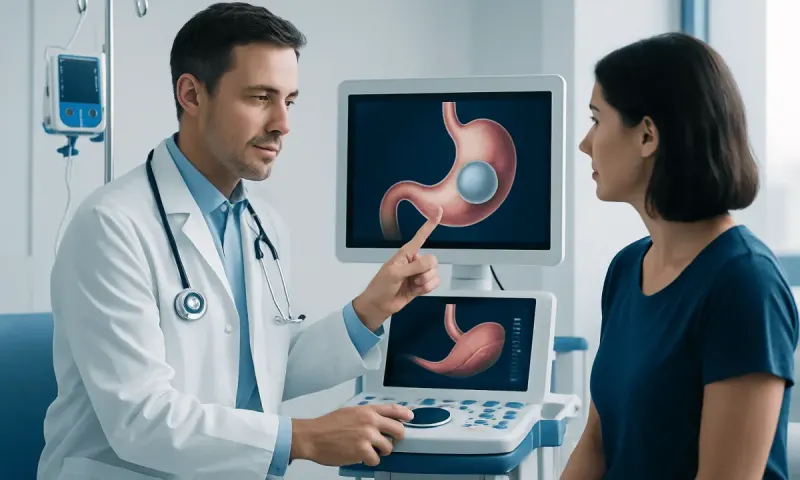
Colonoscopy anesthesia refers to the medicines used to reduce discomfort and anxiety during a colonoscopy, an examination of the large intestine using a flexible camera. Most people receive sedation through a vein rather than full general anesthesia. Depending on the plan, they may be awake but deeply relaxed, or asleep enough that they do not remember the procedure.
The type of sedation is chosen individually. The endoscopy team considers the reason for colonoscopy, a person’s age, overall health, prior reactions to anesthesia, airway and breathing conditions, regular medicines, and personal preferences. An anesthesiologist or trained sedation professional monitors breathing, oxygen level, heart rate and blood pressure throughout the examination.
Colonoscopy can help investigate symptoms such as unexplained rectal bleeding, persistent changes in bowel habits or iron-deficiency anemia. It is also used for screening and prevention because doctors can remove many polyps during the examination before they have the chance to develop into cancer. This is part of colonoscopy evaluation and treatment.
How sedation works and who may need extra planning
Moderate sedation commonly combines medicines that relieve anxiety and discomfort while allowing a patient to respond to simple instructions. Deep sedation, often delivered with a short-acting medicine, produces a deeper sleep-like state and is widely used for colonoscopy. General anesthesia, where a person is fully unconscious and may need help with breathing, is less common but can be appropriate in selected situations.
People may need an individualized anesthesia plan if they have severe heart or lung disease, obstructive sleep apnea, significant obesity, liver or kidney disease, neurological conditions, previous difficult sedation, or a history of allergic reactions to medicines. Pregnancy, use of alcohol or recreational substances, and certain prescription medicines should also be discussed in confidence before the procedure.
It is especially important to tell the team about blood thinners, diabetes medicines, weight-loss medicines that affect stomach emptying, opioid pain medicines, sedatives and supplements. A clinician should give specific instructions on whether and when these should be paused or adjusted; patients should not stop prescribed medicines without medical advice.
Preparing safely for colonoscopy anesthesia

A clean bowel allows the doctor to see the intestinal lining clearly. The preparation usually includes a low-fiber diet for a short period followed by clear liquids and a prescribed bowel-cleansing solution. Exact instructions vary, so the endoscopy unit’s written plan should always take priority over general advice.
Before sedation, the stomach needs to be empty to reduce the chance of regurgitation and aspiration. Patients are given instructions about when to stop solid food and when clear liquids must stop. They should disclose any food or medication allergies, previous anesthesia problems, loose teeth or dental appliances, and recent illnesses such as fever, cough or chest infection.
An adult escort should be arranged in advance. Sedation can affect judgment, memory, coordination and reaction time even when a person feels alert. The escort should take the patient home and ideally remain available during the first night, particularly after deeper sedation or if the patient has important health conditions.
Will I be up all night pooping with colonoscopy prep? The bowel-cleansing medicine causes frequent, urgent watery bowel movements, often beginning within a few hours of starting it. If the preparation is split between the evening before and the morning of the examination, bowel movements may occur at both times. Staying near a toilet, using soft toilet paper or barrier cream, drinking approved clear fluids, and following the timing instructions carefully can make the process more manageable.
Step by step: what happens during the procedure
On arrival, the clinical team confirms medical details, checks vital signs and reviews consent. An intravenous line is placed, and monitoring equipment is attached. The sedation professional explains the plan and gives the medicines through the IV; oxygen may be provided through small tubing under the nose.
During the colonoscopy, the patient lies on their side. The gastroenterologist gently advances the colonoscope through the rectum and colon, using air or carbon dioxide to open the bowel for inspection. The doctor can take small tissue samples or remove polyps when needed. These actions are usually not felt because the intestinal lining has few pain-sensitive nerves.
The examination itself often lasts less than an hour, although the total visit is longer because of admission, preparation and recovery. If polyps are removed or other treatment is needed, the procedure may take longer. Afterward, samples or removed tissue may be sent to a laboratory for analysis.
What is the most painful part of a colonoscopy? With effective sedation, most people do not experience significant pain or remember the examination. Without sedation, pressure, stretching and temporary cramping can occur as the scope moves around bends in the colon or as gas is introduced. For many patients, the bowel preparation and its frequent bowel movements are more uncomfortable than the colonoscopy itself.
Recovery timeline, benefits and results
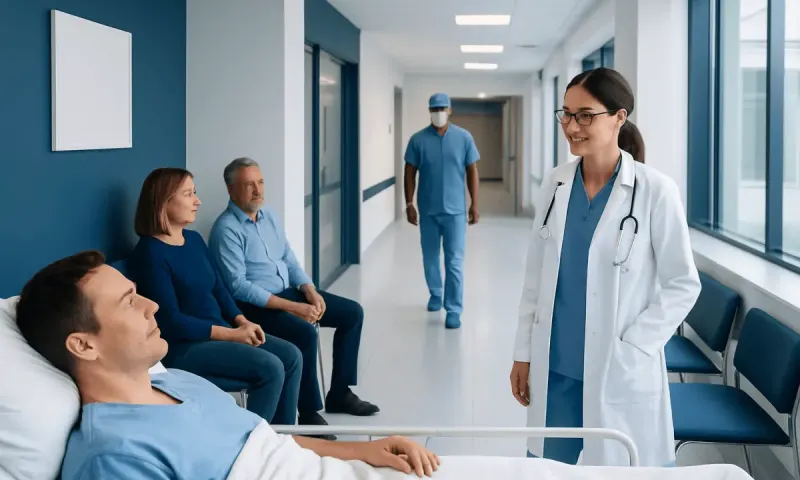
After the procedure, the patient rests in a recovery area while the team monitors alertness, breathing and vital signs. Mild grogginess, temporary bloating, gas and brief cramping are common. Passing gas often relieves the pressure. Most people can begin drinking and eating as advised once they are awake and able to swallow safely.
How long does it take to recover from a colonoscopy with anesthesia? Initial recovery from sedation commonly takes one to two hours in the clinic, but tiredness, slower reaction times and patchy memory may last through the day. Most people return to usual light activities the following day. Recovery may take longer after a more complex procedure, polyp removal, deeper sedation or when a person has other medical conditions.
The doctor may share preliminary findings before discharge, such as whether the bowel looked normal or whether polyps were removed. Biopsy and polyp pathology results take longer and are communicated when available. Follow-up timing depends on the findings, bowel preparation quality, family history and the reason for the examination.
The main benefit of sedation is improved comfort and the ability to complete a careful examination. Colonoscopy also supports early detection and prevention of colorectal disease, including colorectal cancer. No test is perfect, however, and a doctor may recommend repeat assessment if symptoms continue despite a normal result.
What should be avoided after colonoscopy anesthesia?
What should I avoid after colonoscopy anesthesia? For at least 24 hours, patients should not drive, cycle in traffic, operate machinery, drink alcohol, use recreational drugs, sign legal documents, make major financial or medical decisions, or return to work that requires close attention or safety-sensitive tasks. They should follow the discharge instructions if the clinic advises a longer restriction.
It is sensible to rest at home, drink fluids and eat light meals at first unless the clinical team says otherwise. Bloating and mild cramps typically settle as gas passes. A person who had a polyp removed may receive additional instructions about exercise, diet and medicines, especially anticoagulants or anti-inflammatory pain relievers.
Patients should not take extra sleep medicines, sedatives or opioid pain medicines after the procedure unless a clinician who knows about the colonoscopy has advised it. A responsible adult should be contactable during the first 24 hours. The endoscopy team’s discharge sheet should be kept nearby because it contains procedure-specific guidance.
Risks, warning signs and when to seek medical care
Colonoscopy with sedation is generally well tolerated when it is performed by an experienced team with appropriate monitoring. Sedation can occasionally cause low blood pressure, slowed breathing, nausea or an allergic-type reaction. Serious complications are uncommon, but the team is equipped to identify and manage problems promptly.
Colonoscopy-related risks include bleeding, particularly after polyp removal, and rarely a tear in the wall of the colon. Mild spotting after a biopsy or small polyp removal can occur, but symptoms should not be ignored if they are heavy, persistent or worsening.
When to seek medical care: Patients should contact the endoscopy team urgently or seek emergency assessment for severe or increasing abdominal pain, a firm or swollen abdomen, fever or chills, repeated vomiting, trouble breathing, fainting, black stools, or substantial rectal bleeding. They should also seek advice if they cannot keep fluids down or feel unusually unwell after returning home.
Acıbadem Health Point’s multidisciplinary specialists and JCI-accredited hospitals support international patients who need diagnostic evaluation and treatment planning for digestive health concerns. A qualified clinician can explain whether colonoscopy, sedation and any follow-up investigations are appropriate for the individual situation.
Frequently asked questions
01Is colonoscopy anesthesia the same as general anesthesia?
Usually, no. Most colonoscopies are performed with moderate or deep sedation, which reduces awareness and discomfort but differs from general anesthesia. General anesthesia may be used in selected situations based on the procedure and the patient’s medical needs.
02Can a patient choose not to have sedation for a colonoscopy?
In some settings, colonoscopy can be performed with little or no sedation. The choice depends on the person’s health, anxiety level, expected procedure complexity and local clinical practice. The patient should discuss comfort options and safety considerations with the gastroenterology team beforehand.
03Why is an escort needed after colonoscopy sedation?
Sedation can temporarily impair attention, coordination, judgment and memory, even if the patient feels awake. An adult escort helps ensure safe travel home and can assist if unexpected symptoms occur. Public transport or driving alone is not a safe substitute after sedation.
04Can patients eat after colonoscopy anesthesia?
Many people can drink fluids and eat a light meal once they are fully awake and the clinical team confirms it is appropriate. Individual advice may differ after polyp removal, treatment of bleeding or a more complex procedure. The discharge instructions should be followed closely.
05Is it normal to have gas or mild cramps after a colonoscopy?
Yes, temporary gas, bloating and mild cramping are common because air or carbon dioxide is used to view the colon. These symptoms usually improve within several hours, especially after passing gas. Severe, worsening or persistent pain requires medical advice.
06When can a patient return to work after colonoscopy anesthesia?
Most people can return to usual work and normal activities the next day. They should take the day of the procedure off because sedation restrictions apply for at least 24 hours. A longer recovery may be needed after a complex procedure or if the doctor gives specific instructions.
This article is for general information only and is not a substitute for professional medical advice. Please consult a qualified doctor about your individual situation.
Persistent digestive symptoms? Get evaluated in Turkey
JCI-accredited · board-certified surgeons · reply within 24h
Add us as a Preferred Source to see more of our trusted health content across Google Search, AI Overviews and Discover.