

Colon Cancer in Women: Signs and Symptoms
- 8 min read
- Published November 28, 2026
Key Takeaways
- Early colon cancer may cause subtle or vague symptoms, including changes in bowel habits, bleeding, or unexplained fatigue.
- Women may dismiss symptoms as hemorrhoids, menstrual changes, IBS, or stress, which can delay diagnosis.
- Risk increases with age, family history, inflammatory bowel disease, obesity, smoking, and certain lifestyle factors.
- Diagnosis usually starts with a medical review and stool or imaging tests, but colonoscopy is the most direct way to examine the colon.
- Screening and prompt evaluation of persistent symptoms are the best ways to detect colon cancer early and improve treatment options.
Colon cancer can develop quietly, and in women its early signs are often mistaken for common digestive or gynecologic issues. Understanding the warning patterns can help women seek timely evaluation and treatment.
Overview
Colon cancer begins in the large intestine, also called the colon, and it often develops gradually from small growths called polyps. Because the disease may not cause obvious symptoms at first, some women only learn about it after a screening test or after they notice changes that seem unrelated at the time.
The phrase signs of colon cancer in women matters because symptoms are not always dramatic or easy to recognize. A woman may think she has a stomach bug, iron deficiency, hemorrhoids, or a hormonal issue when the underlying concern is something that needs a closer look.
That does not mean every digestive change is cancer. It does mean that persistent or unusual symptoms deserve medical attention, especially when they do not settle with time or keep returning. Early evaluation can make a major difference in what comes next.
Symptoms

The earliest warning signs can be mild and easy to overlook. Some women notice a change in bowel habits, such as diarrhea, constipation, or a feeling that the bowel does not empty fully. Others may see blood in the stool, on toilet paper, or in the toilet bowl, though this is sometimes mistaken for hemorrhoids.
Abdominal discomfort is another possible clue. This may feel like cramping, bloating, pressure, or a general sense that digestion is “off.” In some cases, symptoms are vague enough that they are attributed to diet, stress, travel, or irritable bowel syndrome.
Other possible signs include:
- Unexplained tiredness or weakness
- Iron-deficiency anemia
- Unintentional weight loss
- Ongoing nausea or reduced appetite
- A change in stool size or shape
In women, symptoms can blend into everyday concerns such as menstrual changes, fatigue from a busy routine, or abdominal discomfort from gynecologic conditions. A pattern that is new, persistent, or progressive is more important than any single episode.
Causes & Risk Factors

Colon cancer usually begins when cells in the lining of the colon grow in an abnormal way over time. Many cases start in polyps, which are small growths that may stay harmless for years before changing. Not every polyp becomes cancer, but some do, which is why screening is so valuable.
The exact cause in any one person is not always known. Still, several factors are associated with a higher risk. These include increasing age, a personal or family history of colon polyps or colorectal cancer, inflammatory bowel disease such as ulcerative colitis or Crohn’s disease, and inherited syndromes that affect cancer risk.
Lifestyle factors can also contribute. A diet low in fiber and high in processed foods, excess body weight, smoking, heavy alcohol use, and limited physical activity are all linked with a higher chance of developing colorectal cancer. For women, a past history of certain gynecologic cancers, pelvic radiation, or long-term unexplained anemia may also prompt a careful look at the colon.
Diagnosis
Diagnosis begins with a conversation. A doctor will ask when the symptoms started, whether they are changing, and whether there is any family history of colorectal cancer or polyps. Because women often present with symptoms that overlap with other conditions, this clinical history is an important part of separating a temporary issue from something that needs further testing.
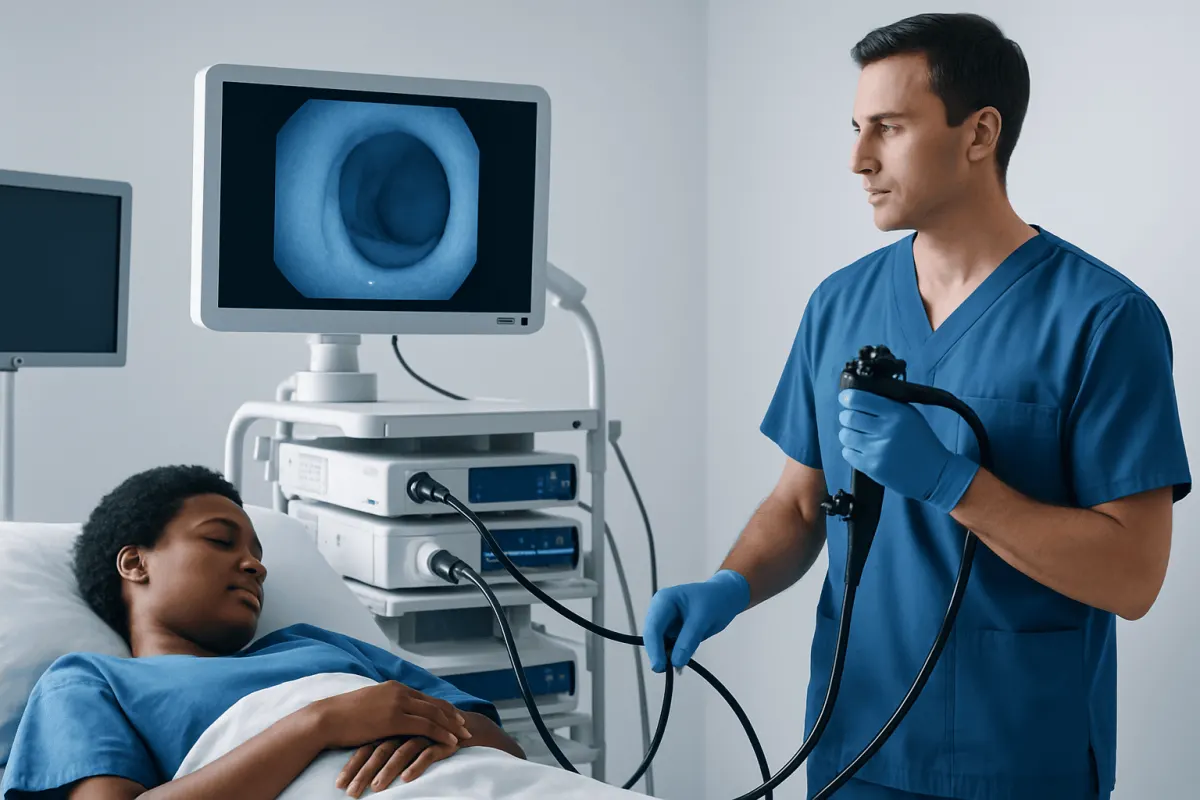
Depending on the situation, the doctor may recommend blood tests to check for anemia, stool tests to look for hidden blood, or imaging studies. However, colonoscopy is the key test when colon cancer needs to be ruled out or confirmed. It allows a specialist to view the lining of the colon directly and remove or sample suspicious tissue if needed.
Biopsy results confirm whether cancer is present and help guide next steps. If colon cancer is diagnosed, additional scans may be used to see whether it has spread and to plan treatment accurately. For women who are traveling for care, this process may be coordinated so that testing, pathology review, and treatment planning happen in a more streamlined way.
Treatment Options
Treatment depends on the stage of the cancer, its location, and the woman’s overall health. Surgery is often used when the tumor can be removed, especially in earlier stages. In some situations, surgery is followed by chemotherapy to reduce the risk of recurrence.
More advanced disease may be treated with a combination of chemotherapy, targeted therapy, and sometimes immunotherapy, depending on the tumor’s biological features. Radiation therapy is used less often for colon cancer than for rectal cancer, but it may still be part of care in selected cases.
Because treatment plans are individualized, it helps to ask how each option fits the person’s goals, work schedule, family responsibilities, and travel needs. International patients may also need help organizing records, pathology slides, imaging, and follow-up before returning home. A coordinated plan makes it easier to continue care with clarity after treatment begins.
Prevention & Self-care
No one can eliminate risk entirely, but several habits support colon health and may lower the chance of disease. A balanced diet with fiber-rich foods, regular physical activity, maintaining a healthy body weight, avoiding tobacco, and limiting alcohol are practical steps that can be started at any age.
Screening is one of the most effective preventive tools. Many people are advised to begin routine colon cancer screening at the age recommended by their doctor, earlier if they have a family history or another risk factor. Screening is especially important because it can find precancerous polyps before they turn into cancer.
Women can also protect themselves by paying attention to persistent symptoms rather than waiting for them to “go away.” Keeping a simple symptom log, noting bowel changes, and sharing a complete family history can help a clinician decide what testing is appropriate. For patients who must manage care across countries, saving test results and discharge summaries in one place can make follow-up smoother.
When to See a Doctor
A medical evaluation is advisable if bowel changes last more than a short period, if there is blood in the stool, or if abdominal discomfort keeps returning without a clear explanation. Unexplained anemia, ongoing fatigue, or weight loss also deserves prompt attention.
Women should not assume that rectal bleeding is “just hemorrhoids” or that constipation and bloating are always hormonal or stress-related. A doctor can help sort out common causes from conditions that need further testing. If symptoms are concerning enough to interfere with daily life, it is reasonable to seek assessment sooner rather than later.
If colon cancer is suspected or diagnosed, care may be best handled by a multidisciplinary team that can interpret tests, discuss treatment choices, and plan follow-up clearly. Acibadem Health Point can support international patients with multidisciplinary specialists and JCI-accredited hospitals that diagnose and treat this condition in a coordinated setting.
Frequently asked questions
01Are the signs of colon cancer in women different from men?
The core symptoms are similar, but women may be more likely to dismiss them as digestive upset, hemorrhoids, or gynecologic changes. That can delay evaluation even when the warning signs are present. The most important issue is whether the symptom is new, persistent, or unexplained.
02Can colon cancer cause bloating or stomach discomfort?
Yes, bloating, cramping, or a general sense of abdominal pressure can occur. These symptoms are common and usually have benign causes, which is why persistence and pattern matter. If discomfort keeps returning or comes with bleeding, anemia, or bowel changes, a doctor should assess it.
03Does blood in the stool always mean colon cancer?
No, blood in the stool can have many causes, including hemorrhoids and anal fissures. Still, any rectal bleeding should be taken seriously, especially if it happens more than once or appears with other symptoms. A clinician can decide whether colonoscopy or another test is needed.
04How is colon cancer usually found?
It is often found through screening, especially colonoscopy, before symptoms become severe. In women with symptoms, the doctor may start with blood work and stool testing, but colonoscopy is the most direct way to examine the colon and confirm a diagnosis. If something suspicious is found, a biopsy is used to verify it.
05Who should be more alert for colon cancer symptoms?
Women with a family history of colorectal cancer, prior polyps, inflammatory bowel disease, or inherited cancer syndromes should be especially attentive. Age also matters, since risk rises over time. Even without major risk factors, persistent symptoms should still be checked.
06What can women do if they live abroad and need follow-up care?
It helps to keep copies of pathology reports, imaging results, medication lists, and discharge summaries in one file. A written treatment timeline makes it easier for another doctor to continue care after travel. Clear communication before departure can reduce confusion later and support safer follow-up.
This article is for general information only and is not a substitute for professional medical advice. Please consult a qualified doctor about your individual situation.
Medical weight-loss options in Turkey — costs & eligibility
JCI-accredited · board-certified surgeons · reply within 24h
Add us as a Preferred Source to see more of our trusted health content across Google Search, AI Overviews and Discover.


How can we help you today?
Meet an Acibadem specialist by secure video, before you travel.
Book a video visit