Colon and Intestine Cleanse: Purpose, Procedure and Results

Key Takeaways
- Most medically supervised colon and intestine cleanses are done to empty the bowel before tests or surgery.
- The method used depends on the person’s health, the procedure planned, and any medicines they take.
- Temporary effects can include loose stools, bloating, cramping, and dehydration if fluids are not replaced.
- Self-directed cleanses and harsh laxatives can cause harm and may hide an underlying digestive problem.
- Persistent digestive symptoms deserve medical evaluation rather than repeated cleansing attempts.
A colon and intestine cleanse is not the same as a general wellness detox. In medical care, it usually refers to bowel preparation or cleansing before a procedure, and the right approach depends on the reason it is being done.
Overview
When people search for a colon and intestine cleanse, they are often thinking about feeling lighter, reducing bloating, or “resetting” digestion. In medical practice, however, a cleanse usually means bowel cleansing or bowel preparation—a short-term process used to empty the intestines before a colonoscopy, certain scans, or some operations.
The goal is not to “detox” the body. The liver, kidneys, lungs, and intestines already handle waste removal every day. A medically guided cleanse is used for a specific reason: to give doctors a clear view of the bowel or to reduce stool content before a procedure. That distinction matters, because the right method is different from commercial detox programs, herbal flushes, or repeated enemas.
For international patients, understanding the purpose of the cleanse is especially useful when planning care abroad. Preparation instructions, dietary changes, timing, and follow-up can all affect travel schedules and the quality of the procedure. A clear explanation from the clinical team helps patients prepare with confidence and avoid unnecessary stress.
What a colon and intestine cleanse is used for
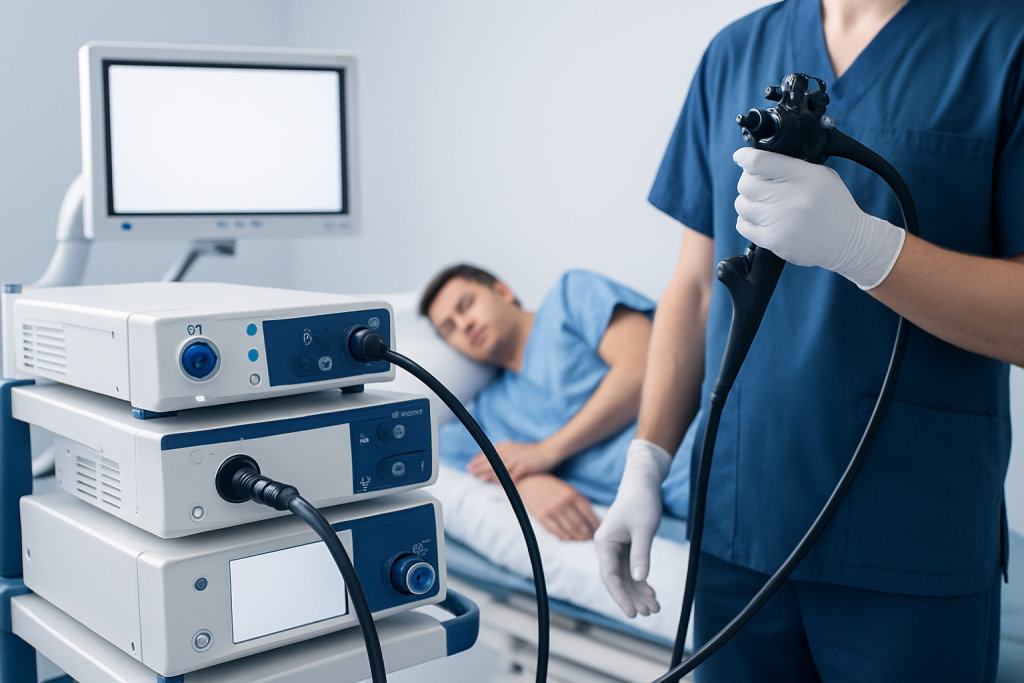
In healthcare, bowel cleansing is most commonly used before tests that need a clean view of the lining of the large intestine. The most familiar example is colonoscopy, where even a small amount of stool can hide polyps, inflammation, or bleeding. A clean bowel improves visibility and helps the doctor assess the colon more accurately.
Cleansing may also be recommended before some abdominal surgeries, imaging studies, or treatments where the bowel should be as empty as possible. In these settings, the process is a planned part of care rather than a stand-alone treatment. It is usually combined with dietary instructions and sometimes a change in usual medicines.
- Diagnostic purpose: to improve visibility during colonoscopy or similar exams
- Procedural purpose: to reduce bowel contents before selected surgeries or interventions
- Symptom evaluation: to help the doctor distinguish normal bowel residue from disease-related findings
It is worth noting that a cleanse does not treat the underlying cause of chronic bloating, constipation, diarrhea, or abdominal pain. If those symptoms keep returning, the focus should shift from cleansing to diagnosis.
Symptoms and situations that prompt evaluation

People often look into bowel cleansing after noticing fullness, irregular stools, or the feeling that the bowels are “not empty.” These sensations can happen for many reasons, including diet changes, stress, constipation, irritable bowel syndrome, medication effects, or an intestinal condition that needs assessment. A cleanse may briefly change how the abdomen feels, but it does not explain why the symptoms started.
Doctors pay closer attention when bowel complaints are persistent or come with warning signs. Unexplained weight loss, blood in the stool, anemia, ongoing pain, a change in bowel habits, or a family history of colon disease may all call for proper evaluation rather than self-treatment. In those cases, a colon cleanse should not replace medical investigation.
For some patients, the reason for a cleanse is not a symptom at all but a scheduled procedure. That can be reassuring: the plan is often straightforward, and the team will usually explain what to eat, what to avoid, and how to time the preparation so the exam is successful.
Causes and risk factors behind poor bowel clearance
There is no single cause of needing a cleanse. The bowel-preparation plan is influenced by the person’s age, bowel habits, diet, hydration, and medicines. People who are constipated or who have had incomplete cleansing before may need a different approach from those with regular bowel movements.
Some medical conditions can make bowel preparation more delicate. Kidney disease, heart failure, swallowing problems, inflammatory bowel disease, and electrolyte imbalances may affect which cleansing product is safest. Certain medicines, including some diabetes treatments, blood thinners, diuretics, and iron supplements, may also require review before preparation begins.
Practical factors matter too. Long travel, uncertain access to restrooms, language barriers, and trying to follow instructions without clarification can all affect how well preparation goes. International patients often benefit from receiving written instructions early, asking what is allowed during clear-liquid periods, and confirming who to contact if nausea or vomiting occurs during the prep.
How the diagnosis or procedure is prepared
Before a colonoscopy or similar procedure, the healthcare team usually reviews the person’s symptoms, health history, current medications, and any prior problems with bowel preparation. The plan may include a low-residue diet for a period before the procedure, then a clear-liquid phase, and finally the cleansing solution itself or another prescribed method.
The exact instructions depend on the intended exam and the person’s health. Some preparations use an oral solution, while others may involve split dosing, in which part of the cleanser is taken the evening before and the rest closer to the procedure time. The split approach is often used because it can improve bowel cleanliness while fitting the timing of the appointment.
During this period, the main practical goal is to empty the bowel safely without causing dehydration or imbalance. Patients are generally advised to follow the instructions precisely, drink the recommended fluids, and ask the team before using additional laxatives or herbal products. Unplanned add-ons can make the preparation less predictable.
Treatment options and what results to expect
For a medically supervised cleanse, the “treatment” is really the preparation method chosen for the reason at hand. Common approaches include oral bowel-cleansing solutions, stimulant or osmotic laxatives, and occasionally enemas, depending on the exam and the person’s situation. The doctor selects the safest method based on individual risk factors and the level of bowel cleaning needed.
Results are usually short-term and procedural. A successful cleanse means the bowel is clear enough for the test or operation to proceed. Patients may notice watery stools, frequent bathroom visits, mild cramping, hunger, or temporary fatigue during the process. These effects are expected and typically improve once the preparation ends and normal eating resumes.
- Common short-term effects: loose stools, abdominal rumbling, mild cramping, anal irritation
- Less desirable effects: nausea, vomiting, dizziness, dehydration, electrolyte changes
- Procedure-related benefit: better visibility and a more reliable examination
It is important to separate a true medical result from the feeling of being “cleaner.” Many people feel lighter after the bowel empties, but that sensation is temporary. A cleanse does not remove toxins in a special way, and it is not a substitute for treatment of constipation, inflammatory bowel disease, infection, or any other diagnosed condition.
Prevention and self-care
For people preparing for a procedure, the best self-care is careful adherence to the plan. Following the diet instructions, staying hydrated with approved fluids, and arranging time near a bathroom can make the experience much easier. Comfort items such as soft toilet paper, barrier cream, and a clear schedule for the day can also help.
For general digestive health, prevention looks different from cleansing. A fiber-rich diet, regular physical activity, enough water, and a consistent bathroom routine support bowel function over time. If constipation is common, it is better to address it with a clinician than to rely on repeated flushes or over-the-counter products without guidance.
Self-care should also include restraint. Harsh cleanses, frequent enemas, and long-term laxative use can irritate the bowel and affect fluid or mineral balance. When the goal is better digestive health, the safest route is usually a sustainable one rather than a dramatic short-term cleanse.
When to see a doctor
A doctor should evaluate anyone who has ongoing digestive symptoms, especially if they are new, worsening, or accompanied by bleeding, fever, vomiting, severe pain, or unexplained weight loss. These symptoms may signal a condition that needs diagnosis rather than cleansing. Persistent constipation or diarrhea also deserves a medical conversation if it interferes with daily life.
Medical advice is also important before any bowel cleanse if there is kidney disease, heart disease, diabetes, pregnancy, swallowing difficulty, or a history of electrolyte problems. The same is true when a person takes regular medicines that may need adjustment before preparation starts. A clinician can help choose the safest plan and explain what to do if the preparation is not tolerated.
If care is being arranged from another country, it helps to ask for instructions in advance, including what to do if travel timing changes. Acibadem Health Point’s multidisciplinary specialists and JCI-accredited hospitals diagnose and treat digestive conditions for international patients, with attention to preparation, procedure day, and follow-up planning.
A practical view of results and recovery
After a medically planned cleanse and the related procedure, most people return to regular eating and routine activity fairly quickly, unless they were given specific instructions to rest or modify their diet. Mild bloating or tiredness can happen for a short time, particularly if the preparation caused temporary dehydration. These effects usually improve with fluids, food, and rest.
The most meaningful result is not the cleanse itself but what the procedure reveals. If the bowel is well prepared, the clinician can assess the colon more thoroughly and decide whether further treatment, monitoring, or reassurance is needed. That outcome can be especially valuable for patients who have traveled for care and want a clear, efficient diagnosis during a limited stay.
When the procedure is complete, patients should keep the discharge instructions, including guidance on resuming medicines, diet, and follow-up appointments. If the colon and intestine cleanse was part of a larger diagnostic workup, the next step may be discussing results and planning any further care once home.
Conclusion
A colon and intestine cleanse is best understood as a medical preparation tool, not a wellness shortcut. Used appropriately, it helps doctors see the bowel clearly and carry out procedures more safely and effectively. Used casually or too often, it can create avoidable discomfort and risks.
For most people, the right question is not whether a cleanse is “good” or “bad,” but whether it is needed, how it should be done, and whether another symptom is driving the concern. That is where a qualified clinician can provide the safest guidance.
When digestive symptoms continue or a procedure is planned, a tailored medical plan is more helpful than a one-size-fits-all cleanse. Clear instructions, proper preparation, and timely follow-up usually lead to the best experience and the most useful result.
Frequently asked questions
01Is a colon and intestine cleanse the same as a detox?
No. In medical care, it usually means bowel preparation for a procedure, not a general detox. The body already has organs that remove waste every day, so a cleanse is used for a specific clinical purpose rather than to “purify” the body.
02What does a bowel cleanse usually feel like?
Most people have frequent loose stools, abdominal rumbling, and sometimes mild cramping or nausea. These effects are expected during preparation and usually settle after the process is complete and fluids are replaced.
03Can a cleanse help chronic bloating or constipation?
It may create temporary relief, but it does not address the underlying cause. If bloating or constipation keeps returning, a doctor should look for the reason instead of relying on repeated cleansing.
04Are colon cleanses safe for everyone?
Not always. People with kidney disease, heart disease, diabetes, pregnancy, or swallowing problems may need a different preparation or closer supervision. A clinician should review health conditions and medicines before any cleanse is started.
05How can someone prepare for a colonoscopy from another country?
They should ask for written instructions well before travel, confirm the timing of the bowel prep, and clarify which medicines and foods are allowed. It also helps to plan transport, bathroom access, and follow-up, since the preparation can be time-sensitive.
06What should happen if the bowel prep does not seem to work?
The patient should contact the care team rather than adding extra laxatives on their own. The team can advise whether more preparation is needed or whether the procedure should be rescheduled for safety and accuracy.
This article is for general information only and is not a substitute for professional medical advice. Please consult a qualified doctor about your individual situation.
Persistent digestive symptoms? Get evaluated in Turkey
JCI-accredited · board-certified surgeons · reply within 24h
Add us as a Preferred Source to see more of our trusted health content across Google Search, AI Overviews and Discover.