Can Back Strain Cause Constipation?

Key Takeaways
- Back strain by itself is not a common direct cause of constipation.
- Pain, stress, low activity, dehydration, and some pain medicines can slow the bowels.
- Constipation with back pain can sometimes point to a nerve, spine, or abdominal problem that needs assessment.
- Most mild cases improve with movement, fluids, fiber, and careful use of medicines.
- New bowel changes with leg weakness, numbness, fever, or severe pain should be reviewed promptly.
Back strain does not usually cause constipation directly, but pain, reduced activity, certain medicines, and nerve-related conditions can sometimes affect bowel habits. Understanding the difference helps people know when simple self-care is enough and when medical evaluation is needed.
Overview
Can back strain cause constipation? In most cases, not directly. A muscle strain in the back does not usually interfere with the bowel in a way that causes constipation on its own, but the situation around the strain can change bowel habits. Pain, guarding, reduced movement, poor hydration, and some pain-relief medicines can all make constipation more likely.
For some people, the real issue is not the strain itself but a related condition. A problem in the spine, pelvis, or abdomen may cause both back discomfort and bowel changes. That is why constipation that begins with back pain deserves a calm but careful look, especially if it is new, persistent, or associated with other symptoms.
For international patients, this question often comes up while recovering after travel, lifting luggage, long flights, or a change in routine. Those practical factors matter because constipation often reflects habits and body position as much as the original injury.
Symptoms
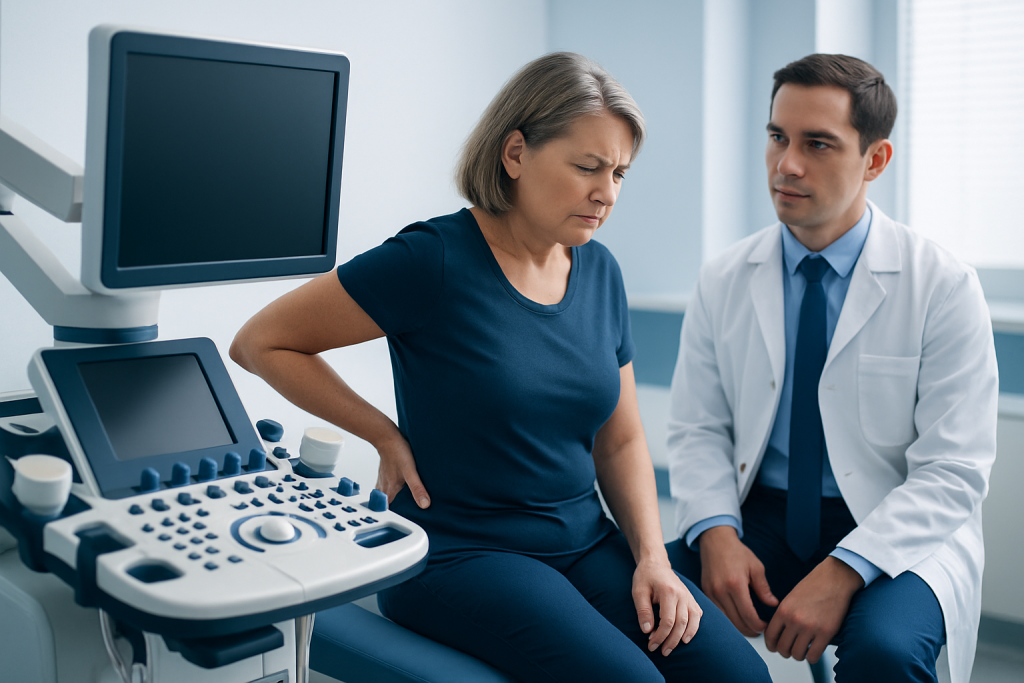
Back strain typically causes localized pain, stiffness, tenderness, and discomfort that gets worse with certain movements. The person may feel tightness when bending, twisting, or standing up, but bowel symptoms are not part of uncomplicated muscle strain.
Constipation is usually recognized by fewer bowel movements than usual, hard or lumpy stools, straining, a feeling of incomplete emptying, or bloating. Some people also notice abdominal discomfort or a sense of fullness. When constipation appears at the same time as back pain, the timing and pattern matter more than the isolated symptom.
It is helpful to watch for signs that suggest something beyond a simple strain. These include numbness in the groin area, weakness in the legs, loss of bladder control, severe abdominal pain, vomiting, fever, or pain that is rapidly worsening rather than gradually settling.
Causes & Risk Factors

The bowel and the back are not usually linked by a single direct mechanism in minor strain, but several overlapping factors can slow digestion. Pain can cause the body to tense up and reduce normal activity. Less movement may slow bowel transit, and people who are uncomfortable often change their eating and drinking patterns without noticing it.
Some medicines used for back pain can also contribute to constipation. Opioid pain medicines are a well-known example, and some muscle relaxants or anti-nausea medicines may add to the problem. Even over-the-counter pain relief can indirectly affect bowel habits if it leads someone to eat less, drink less, or stay in bed longer.
Other possible causes should not be overlooked. These include spinal nerve compression, herniated disc, bowel obstruction, urinary issues, pelvic conditions, and certain digestive disorders. Risk factors for constipation in general include low fiber intake, dehydration, older age, reduced mobility, stress, and a history of previous constipation.
- Recent use of pain medicines, especially stronger prescription medicines
- Reduced movement after injury, travel, or bed rest
- Low fluid intake or a sudden change in diet
- Existing spinal, abdominal, or nerve-related problems
Diagnosis
When constipation appears with back strain, the first step is usually a medical history and physical examination. A clinician will want to know when the pain began, how the bowel pattern changed, whether there are urinary symptoms, and what medicines or supplements have been used recently. The details often point toward a straightforward explanation.
If the story suggests a simple muscle strain with temporary constipation, testing may be limited. If the pain is severe, unusual, persistent, or associated with neurological or abdominal signs, the doctor may order further evaluation. This can include blood tests, urine tests, imaging of the spine or abdomen, or other studies depending on the suspected cause.
Diagnosis is especially important when symptoms do not fit the expected course of a strain. A back muscle injury usually improves gradually with time and gentle activity. Constipation that continues or worsens despite self-care deserves review so that less obvious causes are not missed.
Treatment Options
Treatment depends on the cause. If the problem is a mild back strain with secondary constipation, the focus is often on easing pain safely, restoring movement, and supporting normal bowel habits. Gentle walking, posture changes, and avoiding prolonged bed rest can help both the back and the digestive system.
Constipation management commonly includes drinking enough fluids, increasing fiber gradually if appropriate, and returning to regular meals. Some people benefit from stool softeners or laxatives, but these should be chosen thoughtfully, especially if other symptoms are present. If a medicine is the likely trigger, a doctor may suggest an alternative or adjust the plan.
If a nerve compression, disc problem, or abdominal condition is responsible, treatment needs to address that underlying issue. In some cases, physical therapy, targeted medication, or specialist evaluation is required. The safest path is to treat the cause rather than assuming all bowel changes come from the back strain alone.
For patients traveling for care, treatment may involve coordination between imaging, consultation, and recovery planning so that follow-up is practical after returning home. Acibadem Health Point’s multidisciplinary specialists and JCI-accredited hospitals diagnose and treat this condition for international patients.
Prevention & Self-care
Simple habits can reduce the chance that back discomfort turns into constipation. Maintaining regular movement, even short walks, helps the intestines keep working. Staying hydrated and eating a balanced diet with adequate fiber are also important, especially during periods of reduced activity.
People recovering from a strain often do better with gradual return to normal routines than with long periods of rest. Gentle stretching or rehabilitation exercises may be recommended by a clinician or physiotherapist once pain allows. If pain relief is needed, it is wise to ask whether the chosen medicine can affect bowel habits.
Self-care should remain cautious and symptom-aware. A person should avoid straining on the toilet, listen to the urge to have a bowel movement, and seek guidance if constipation becomes recurrent. Those who are traveling should try to keep a regular eating schedule and hydration routine, since disrupted habits can quickly influence bowel function.
- Walk regularly if the injury allows it
- Drink fluids consistently throughout the day
- Increase fiber gradually rather than suddenly
- Use pain medicines only as directed and review side effects
When to See a Doctor
Medical advice is appropriate if constipation lasts more than a few days, keeps returning, or starts alongside ongoing back pain that does not improve. A doctor should also be consulted if the person is older, has a history of bowel disease, or has recently started a new medication that may affect digestion.
Prompt evaluation is especially important if back pain is accompanied by leg weakness, numbness, saddle numbness, fever, vomiting, blood in the stool, severe abdominal swelling, or trouble controlling the bladder or bowels. These findings can point to a problem that needs urgent assessment rather than routine self-care.
In many cases, the cause is manageable and temporary, but a careful diagnosis prevents unnecessary worry and helps avoid missed conditions. When symptoms are unclear, a clinician can sort out whether the bowel change is related to a strain, a medicine, or a separate medical issue.
Living With Back Pain and Bowel Changes
People often become concerned when two uncomfortable symptoms appear together, yet the answer is frequently practical rather than dramatic. A strained back can alter posture, movement, and routines, and those changes can slow the bowels. The key is to notice whether symptoms are improving in step with recovery or whether something feels out of proportion.
Keeping a short record of pain level, bowel movements, medicines, and fluid intake can be useful, especially when speaking with a clinician from another country or during a short medical trip. Clear notes make it easier to identify patterns and choose the least disruptive treatment.
The question “can back strain cause constipation” is best answered with balance: not usually on its own, but it can be part of a chain of events that leads to constipation. That is why both symptoms should be viewed together rather than separately, with medical review when the pattern is new, persistent, or concerning.
Frequently Asked Questions
Can a pulled back muscle directly stop bowel movements?
A simple pulled muscle does not usually stop the bowel from working. Constipation is more often linked to reduced movement, dehydration, pain medicines, or another condition happening at the same time.
Why do I get constipated when my back hurts?
Pain can reduce activity and change routine, which may slow digestion. Some people also take medicines for back pain that commonly cause constipation.
Could constipation and back pain mean something serious?
Sometimes, yes. If the symptoms come with leg weakness, numbness, bladder changes, fever, vomiting, or severe abdominal pain, medical evaluation is important.
What is the safest first step at home?
Gentle walking, adequate fluids, and a return to regular meals are often helpful if symptoms are mild. If pain medicine may be contributing, a doctor or pharmacist can help review options safely.
Should imaging be done for back pain and constipation?
Not always. Imaging is usually considered when symptoms are severe, unusual, persistent, or suggest nerve, spine, or abdominal involvement.
When should someone seek urgent care?
Urgent care is warranted for loss of bladder or bowel control, new leg weakness, numbness in the groin area, or intense abdominal symptoms. Those signs need prompt medical assessment rather than watchful waiting.
This article is for general information only and is not a substitute for professional medical advice. Please consult a qualified doctor about your individual situation.
Persistent digestive symptoms? Get evaluated in Turkey
JCI-accredited · board-certified surgeons · reply within 24h
Add us as a Preferred Source to see more of our trusted health content across Google Search, AI Overviews and Discover.