Collar Bone Popping: When It May Need Evaluation

Collar bone popping is commonly caused by normal movement at the joints connecting the collarbone to the breastbone and shoulder blade, or by nearby tendons and muscles moving during activity. A painless, occasional pop is usually not serious, but persistent symptoms or popping after an injury deserve medical evaluation.
Overview: what collar bone popping can mean
Collar bone popping describes a click, snap, crack, or shifting sensation felt around the clavicle, the long bone that runs between the breastbone and the shoulder. It may occur while lifting an arm, reaching overhead, rolling the shoulders, carrying a bag, or moving after a period of inactivity. In many cases, it is simply a sound produced by normal joint movement and is not harmful.
The collarbone connects to the body at two small but important joints. The sternoclavicular joint sits near the base of the neck where the collarbone meets the breastbone. The acromioclavicular joint is at the top of the shoulder, where it meets part of the shoulder blade. Either joint can make noise, and nearby muscles, tendons, and ligaments can also contribute to a popping sensation.
The key issue is not the sound alone, but the symptoms that accompany it. Painless, infrequent popping with full shoulder movement is generally less concerning than popping linked with pain, swelling, weakness, a sense that the joint is slipping, or symptoms after a fall or direct blow.
How to recognize the pattern of symptoms
People often notice collar bone popping during movements that rotate or elevate the shoulder, such as putting on a coat, doing push-ups, swimming, lifting weights, or reaching across the body. The sensation may be felt at the inner end of the collarbone near the chest, at the outer end near the shoulder, or more diffusely across the upper chest and shoulder.
A harmless mechanical sound may be brief, occasional, and unaccompanied by discomfort. Some people describe a small crack after sitting still, similar to other joint noises. This can occur when pressure changes within a joint create tiny gas bubbles or when soft tissues glide over a bony prominence. Neither explanation necessarily indicates damage.
Features that may suggest a problem include pain during or after the pop, repeated catching or grinding, localized warmth or swelling, bruising, reduced range of motion, or pain when carrying objects. A prominent bump, asymmetry between the two collarbones, numbness or tingling in the arm, and a feeling of instability should also be discussed with a healthcare professional.
- Usually less concerning: painless, occasional clicking with normal strength and movement.
- Worth arranging an assessment: persistent or worsening popping with pain, tenderness, or activity limitation.
- Potentially urgent: a new deformity or severe pain after trauma, particularly if there is shortness of breath, trouble swallowing, voice change, or circulation symptoms in the arm.
Why the collarbone may pop or click

Normal anatomy is a common explanation. Both ends of the collarbone move slightly as the shoulder blade and arm move. The sternoclavicular joint is especially important because it is the only bony connection between the arm and the central skeleton. Small shifts at this joint can be felt as clicking, particularly in people who are very flexible or who repeatedly use their arms overhead.
Posture and muscle balance can also play a role. Rounded shoulders, prolonged desk work, or repetitive activities may alter how the shoulder blade moves on the rib cage. Tight chest muscles and reduced control of shoulder-blade muscles can increase strain around the collarbone region, even when there is no major injury.
Other possible causes include irritation or mild sprain of the acromioclavicular joint, wear-related joint changes, inflammation around nearby tissues, and previous fracture or dislocation. A direct impact to the shoulder can injure the acromioclavicular joint, while a fall, collision, or forceful impact may affect the sternoclavicular joint or clavicle itself. In some people, symptoms around the collarbone are related to broader shoulder conditions, including shoulder impingement syndrome, rather than the collarbone joint alone.
Less commonly, a joint may partially shift out of its normal position, known as subluxation, or become dislocated. This is more likely after trauma and is not the same as ordinary clicking. A posterior sternoclavicular dislocation, in which the inner end of the collarbone moves backward, is uncommon but can affect structures behind the breastbone and needs emergency care.
What happens during medical assessment
A clinician will ask when the popping began, whether there was an injury, which movements trigger it, and whether pain or other symptoms are present. They will examine both collarbones, the shoulder, neck, and upper chest. The examination may include checking for tenderness, swelling, joint prominence, strength, range of motion, and the way the shoulder blade moves.
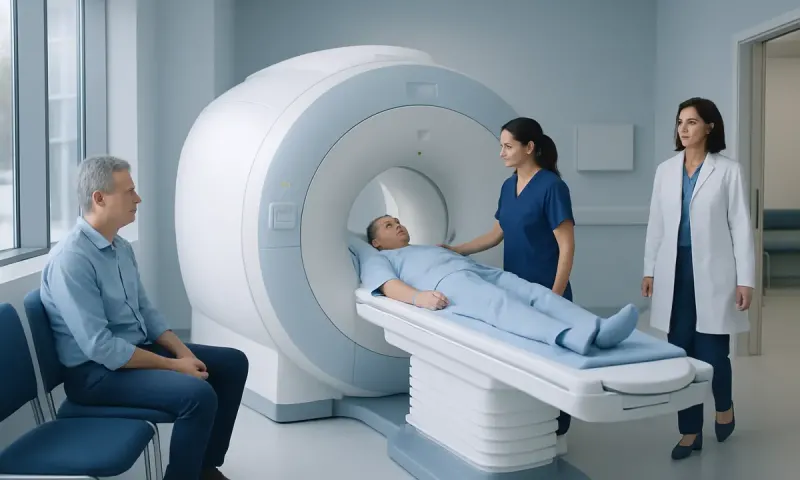
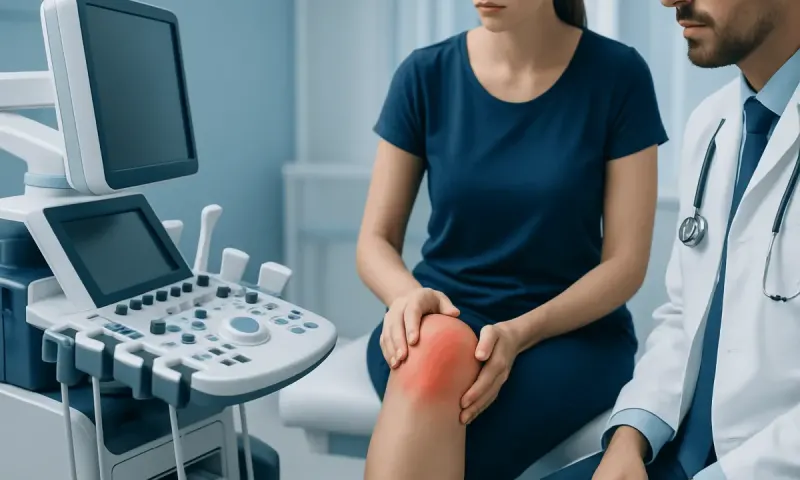
Imaging is not always needed for painless clicking. However, an X-ray may be used when a fracture, acromioclavicular joint injury, arthritis, or bone alignment problem is suspected. Because the sternoclavicular joint can be difficult to assess on standard X-rays, a clinician may recommend CT imaging after significant trauma or when a dislocation is a concern. Ultrasound or MRI can sometimes help evaluate tendons, ligaments, cartilage, and other soft tissues.
It is helpful for patients to note the exact movement that causes the pop and whether it occurs with exercise, work, sleep position, or an old injury. A short video of the movement may be useful if the sound or shift is not reproduced during an appointment. The goal of assessment is to distinguish a benign movement pattern from injury, inflammation, or instability that may need targeted care.
Treatment and practical self-care
Treatment depends on the underlying cause. If collar bone popping is painless and no injury or functional problem is found, reassurance and observation may be appropriate. Avoiding repeated attempts to force the joint to pop is sensible, as intentional manipulation can irritate soft tissues and make symptoms more noticeable.
When symptoms appear related to overuse, posture, or shoulder mechanics, temporarily reducing painful activities can allow irritated tissues to settle. Gentle shoulder and chest mobility work, together with exercises that improve shoulder-blade control, may be recommended by a physiotherapist or clinician. Progression should be gradual and should not provoke sharp pain, a slipping sensation, or increasing swelling.
For a sprain, inflammatory joint condition, or persistent mechanical symptoms, a clinician may suggest options such as supervised rehabilitation, short-term pain relief measures when medically appropriate, or referral to an orthopedic specialist. Significant fractures, dislocations, or unstable joints need prompt individualized management; they should not be treated with home repositioning attempts. People with ongoing shoulder pain may benefit from a structured physical therapy and rehabilitation program tailored to their examination findings.
Acıbadem Health Point’s multidisciplinary specialists and JCI-accredited hospitals can assess collarbone and shoulder concerns and coordinate appropriate care for international patients.
Reducing strain on the collarbone and shoulder
Not all collar bone popping can be prevented, especially when it reflects normal joint movement. Still, attention to shoulder conditioning and activity habits may reduce symptoms linked to strain. Warm up before demanding upper-body exercise, increase training loads gradually, and use technique that keeps the shoulders controlled rather than shrugged forward.
At a desk or during long periods of sitting, regular movement breaks can help prevent prolonged rounded-shoulder posture. Adjusting screen height, supporting the forearms where possible, and changing position periodically may reduce tension through the neck, chest, and shoulders. Carrying very heavy bags on one shoulder can also increase uneven load around the collarbone and upper back.
After a new minor strain, it may help to modify movements that trigger pain while maintaining comfortable, gentle motion. Ice or heat may provide short-term comfort for some people, depending on what feels better, but neither replaces assessment when pain persists. Return to contact sports, heavy lifting, or overhead activity should be guided by symptom improvement and, after an injury, by a healthcare professional.
When to seek medical care
Medical evaluation is recommended if collar bone popping is new and persistent, painful, associated with swelling, or accompanied by reduced shoulder movement. It is also appropriate to seek advice when the area feels unstable, the collarbone appears more prominent than usual, or the symptoms interfere with work, sleep, sports, or daily activities.
Prompt medical assessment is important after a fall, vehicle collision, sports impact, or direct blow to the chest or shoulder. An obvious deformity, severe pain, extensive bruising, inability to move the arm, or a suspected fracture should be evaluated urgently. A collarbone fracture may cause pain, swelling, and a visible bump, and should be assessed rather than managed at home.
Emergency care is needed if a chest or collarbone injury is followed by trouble breathing or swallowing, chest pressure, a hoarse voice, dizziness, fainting, a pale or cool arm, or new numbness and weakness. These symptoms are uncommon, but they can indicate pressure on important structures near the sternoclavicular joint and require immediate attention.
Frequently asked questions
01Is collar bone popping normal?
Occasional collar bone popping without pain, swelling, weakness, or restricted movement is often a normal mechanical joint or soft-tissue sound. If it becomes frequent, painful, or follows an injury, a clinician should assess it to rule out a joint or shoulder problem.
02Why does my collarbone pop when I move my shoulder?
As the arm moves, the collarbone rotates and glides at joints near the breastbone and top of the shoulder. Movement of tendons, ligaments, and the shoulder blade can also create a click or pop. The precise cause is best determined by where the sensation occurs and whether it is painful.
03Can poor posture cause collarbone clicking?
Poor posture does not usually damage the collarbone directly, but it can affect shoulder-blade position and muscle tension. This may make clicking or discomfort around the collarbone more noticeable, particularly during prolonged sitting or overhead activity.
04Should I try to pop my collarbone back into place?
No. A person should not attempt to force, manipulate, or reposition the collarbone, particularly after an injury. If there is a visible change in shape, pain, or a feeling that the joint has shifted, prompt medical assessment is safer.
05What type of doctor treats collarbone popping?
A primary care clinician can evaluate many cases and advise on next steps. Depending on the findings, referral may be made to an orthopedic specialist, sports medicine physician, or physiotherapist.
06Can exercise help collar bone popping?
Appropriate exercise can help when symptoms are related to shoulder mechanics, muscle imbalance, or gradual overuse. Exercises should be selected after assessment and should not cause sharp pain, instability, or worsening symptoms. Rest from painful activities may be needed after an acute injury.
This article is for general information only and is not a substitute for professional medical advice. Please consult a qualified doctor about your individual situation.
Persistent digestive symptoms? Get evaluated in Turkey
JCI-accredited · board-certified surgeons · reply within 24h
Add us as a Preferred Source to see more of our trusted health content across Google Search, AI Overviews and Discover.