Cns Lymphoma: Causes, Symptoms, Diagnosis and Treatment

Key Takeaways
- CNS lymphoma affects the brain, spinal cord, eyes, or nearby tissues and needs specialist assessment.
- Symptoms can include headaches, confusion, weakness, vision changes, seizures, or balance problems.
- Diagnosis often relies on MRI, eye and neurological exams, and a biopsy when possible.
- Treatment usually involves chemotherapy, sometimes targeted therapy, radiation, corticosteroids, or stem cell transplant in selected cases.
- Early referral to an experienced oncology and neurology team can help guide safe, coordinated care.
CNS lymphoma is a rare lymphoma that starts in or spreads to the brain, spinal cord, eyes, or surrounding tissues of the central nervous system. It can cause neurological symptoms that often need prompt evaluation by a specialist team.
Overview
CNS lymphoma, or central nervous system lymphoma, is a lymphoma that involves the brain, spinal cord, eyes, or the coverings around these structures. It may begin there, which is called primary CNS lymphoma, or it may appear as part of lymphoma elsewhere in the body and then affect the nervous system.
Because the nervous system controls movement, thinking, speech, balance, and vision, symptoms can look very different from one person to another. Some people notice a change in memory or concentration, while others develop weakness, vision problems, or a seizure that leads them to urgent medical attention.
This condition is uncommon, but it is important because diagnosis and treatment require a coordinated approach. Neurologists, oncologists, radiologists, pathologists, and sometimes eye specialists work together to confirm the diagnosis and plan treatment that fits the person’s overall health and the exact location of disease.
Symptoms
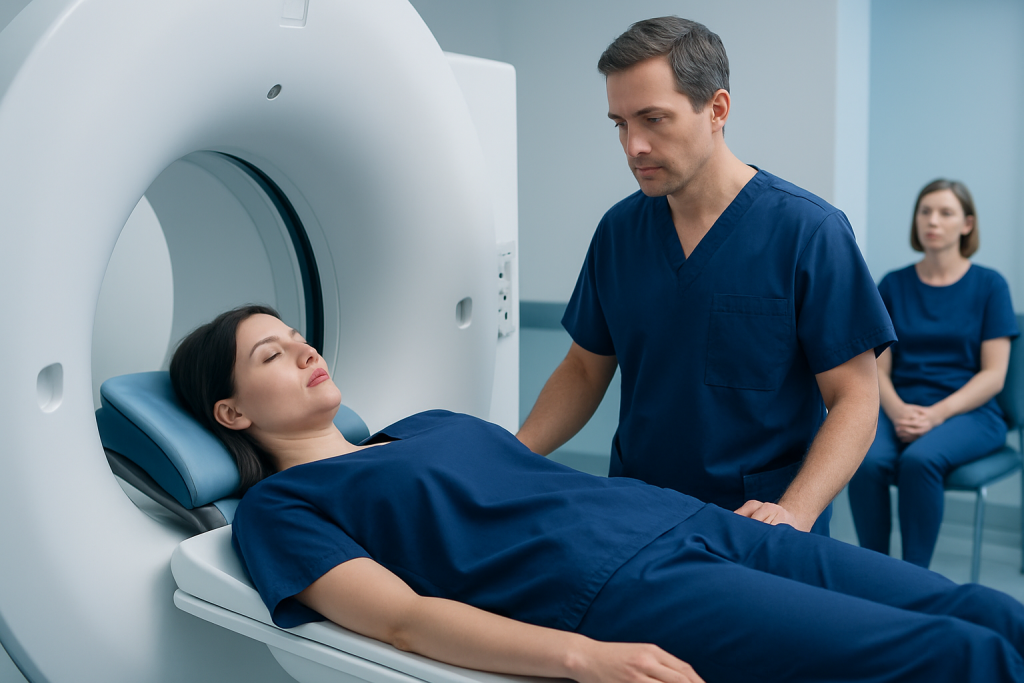
The first signs of CNS lymphoma often depend on which part of the nervous system is affected. In many people, the symptoms develop gradually over days or weeks, but they may also appear more suddenly and be mistaken at first for infection, stroke, or another neurological condition.
Common symptoms may include headaches, nausea, personality changes, confusion, trouble speaking, unsteady walking, numbness, weakness on one side of the body, or seizures. When the eyes are involved, a person may notice blurred vision, floating spots, reduced vision, or eye discomfort.
- Headache or pressure in the head
- Memory or thinking changes
- Weakness, clumsiness, or balance problems
- Vision changes or double vision
- Seizures
- Behavior or speech changes
These symptoms do not always mean lymphoma, but they should be taken seriously, especially if they are new, persistent, or getting worse. A prompt neurological evaluation helps narrow the cause and avoid delays in treatment.
Causes & Risk Factors

The exact cause of CNS lymphoma is not fully understood. It develops when lymphocytes, a type of white blood cell, grow abnormally in the central nervous system. In primary CNS lymphoma, this growth begins in the nervous system itself rather than in lymph nodes.
Some risk factors are known to increase the likelihood of the disease, although many people with CNS lymphoma do not have an obvious risk factor. A weakened immune system is one of the most important associations, including immune suppression after organ transplant, certain inherited immune problems, or advanced HIV infection.
Age can also play a role, and some cases are seen in older adults. In secondary CNS lymphoma, the disease has already been diagnosed elsewhere in the body and then spreads to the brain, spinal cord, or eyes. Because the nervous system is protected by the blood-brain barrier, lymphoma in this area often needs treatment plans that are different from lymphoma in other parts of the body.
Diagnosis
Diagnosis usually begins with a detailed medical history and neurological examination. The doctor may ask about vision changes, seizures, weakness, infections, immune status, and any history of lymphoma or other cancers. Imaging is often the next step, especially MRI of the brain and sometimes the spine, because it can show the size, location, and pattern of lesions.
A biopsy is often needed to confirm the diagnosis and distinguish CNS lymphoma from other conditions that can look similar on imaging. Depending on the location of the lesion and the person’s condition, the team may also examine cerebrospinal fluid, perform eye evaluation if ocular involvement is suspected, and order blood tests to understand general health and immune function.
For international patients, the diagnostic journey may move quickly once a specialist center reviews prior scans and records. Bringing past imaging, pathology reports, medication lists, and any immune-related medical history can help the team avoid repeat testing and plan the safest route to a definitive diagnosis.
Treatment Options
Treatment for CNS lymphoma is individualized and depends on the type of lymphoma, whether the disease is primary or secondary, where it is located, the patient’s age, and overall health. Because the brain and spinal cord are delicate, treatment is usually managed by an experienced oncology team familiar with central nervous system disease.
Chemotherapy is often the main treatment, and some medicines are chosen because they can reach the nervous system more effectively. In selected cases, targeted therapies, immunotherapy approaches, or radiation therapy may also be part of the plan. Steroids are sometimes used early to reduce swelling and improve symptoms, but they are not a substitute for a complete treatment plan and may affect biopsy results if given before diagnosis.
In some people, especially those who respond well and are fit enough, high-dose therapy followed by stem cell transplant may be considered. Supportive care is also important and may include seizure control, rehabilitation, vision support, infection prevention, and monitoring of treatment side effects. The goal is not only to treat the lymphoma, but also to protect neurological function and daily independence as much as possible.
Prevention & Self-care
There is no guaranteed way to prevent CNS lymphoma, especially in people who have no known risk factors. Still, careful management of immune health can be important for people who are immunocompromised or taking immune-suppressing medicines. Any changes to long-term medicines should only be made with the prescribing doctor.
Self-care during evaluation and treatment usually focuses on safety, hydration, rest, and clear communication with the care team. Keeping a written record of symptoms, seizure episodes, medication changes, and vision or memory concerns can help doctors understand how the condition is changing over time.
For patients traveling from another country, practical self-care also means planning ahead for follow-up. That may include arranging a companion, keeping copies of imaging on digital media, understanding the treatment schedule, and clarifying where urgent help is available after returning home. These steps can make ongoing care more manageable and less stressful.
When to See a Doctor
Medical evaluation should not be delayed if a person develops new neurological symptoms, especially if they are persistent or progressing. Symptoms such as sudden weakness, speech difficulty, confusion, repeated vomiting, seizure, or vision loss deserve prompt assessment.
It is also important to seek specialist advice if someone with a history of lymphoma, immune suppression, HIV, or a transplant develops brain, spinal cord, or eye symptoms. In these situations, the care team may need to move faster to differentiate CNS lymphoma from infection, stroke, inflammation, or another cancer-related cause.
If treatment is being considered abroad, a center with coordinated neurology, oncology, neuroradiology, and pathology support can make the process clearer from the start. Acibadem Health Point’s multidisciplinary specialists and JCI-accredited hospitals diagnose and treat CNS lymphoma for international patients through structured, team-based care.
Living With CNS Lymphoma
Living with CNS lymphoma often means adapting to both cancer treatment and neurological recovery at the same time. Fatigue, concentration problems, balance changes, and emotional strain may continue even after initial treatment begins, so follow-up appointments are an important part of care rather than a formality.
Rehabilitation, vision assessment, and cognitive support can all be useful depending on the symptoms involved. Many patients benefit from having one clinician or nurse coordinator who helps them understand test results, treatment timing, and warning signs that should prompt a call back to the team.
When care spans more than one country, continuity matters. A clear discharge plan, translated records when needed, and a defined follow-up pathway can help patients return home with greater confidence and less confusion about the next steps.
Outlook
The outlook for CNS lymphoma varies from person to person. It depends on factors such as the exact subtype, the person’s age, immune status, overall health, how much of the nervous system is involved, and how well the disease responds to treatment.
Because this is a complex condition, treatment in a specialized center can be especially valuable. A team that is experienced in both lymphoma and neurological disease can refine the diagnosis, choose appropriate therapy, and adjust care when side effects or recovery issues appear.
People facing this diagnosis should feel comfortable asking about the treatment plan, expected follow-up, and what symptoms should prompt urgent contact. Clear communication helps patients and families navigate decisions with more confidence at every stage.
Frequently asked questions
01What is CNS lymphoma?
CNS lymphoma is a lymphoma that affects the brain, spinal cord, eyes, or nearby tissues of the central nervous system. It may start there or spread from lymphoma elsewhere in the body. Because it affects the nervous system, it can cause a wide range of neurological symptoms.
02Is CNS lymphoma the same as brain cancer?
It is not the same as the most common types of brain cancer, because it starts from lymphocytes rather than brain cells. However, it can behave like a brain tumor because it appears in the brain or related structures and affects neurological function. That is why specialist evaluation is important.
03What symptoms should raise concern?
New headaches, confusion, weakness, seizures, balance problems, speech changes, or vision changes should be assessed. These symptoms can have many causes, but they should not be ignored, especially if they are worsening. Sudden or severe symptoms need prompt medical attention.
04How is CNS lymphoma diagnosed?
Doctors usually combine neurological examination, MRI, and tissue confirmation when possible. They may also examine cerebrospinal fluid, eyes, and blood tests to look for related findings or other causes. A biopsy often provides the clearest diagnosis.
05What is the main treatment for CNS lymphoma?
Treatment often centers on chemotherapy that can reach the central nervous system, with radiation, targeted treatment, or stem cell transplant considered in selected cases. The exact plan depends on the type of lymphoma and the person’s overall condition. Supportive care is also an important part of treatment.
06Can CNS lymphoma come back after treatment?
Yes, relapse can happen, so follow-up is important even after treatment ends. The care team may recommend regular visits, imaging, and symptom checks to watch for recurrence or treatment effects. The follow-up schedule depends on the individual treatment plan.
This article is for general information only and is not a substitute for professional medical advice. Please consult a qualified doctor about your individual situation.
Persistent digestive symptoms? Get evaluated in Turkey
JCI-accredited · board-certified surgeons · reply within 24h
Add us as a Preferred Source to see more of our trusted health content across Google Search, AI Overviews and Discover.