What Is Hypoglossal Nerve Stimulation? A Complete Medical Guide

Key Takeaways
- Hypoglossal nerve stimulation is an implantable therapy for selected adults with obstructive sleep apnea.
- The device gently activates the tongue muscles during sleep so the airway is less likely to collapse.
- Not everyone with sleep apnea is eligible; airway anatomy, sleep study findings, and overall health all matter.
- The treatment is usually considered after CPAP or other conservative options have not worked well enough.
- Follow-up appointments are important because the device must be adjusted and monitored over time.
Hypoglossal nerve stimulation is a surgically implanted treatment that helps some adults with obstructive sleep apnea keep the airway open during sleep. It is usually considered when CPAP is not tolerated or not effective enough, and careful evaluation is needed to see whether a person is a good candidate.
Overview
Hypoglossal nerve stimulation is a treatment for obstructive sleep apnea that uses an implanted device to help keep the upper airway open during sleep. In simple terms, it sends mild stimulation to the hypoglossal nerve, which controls tongue movement, so the tongue is less likely to fall back and block breathing.
This therapy is not a first step for most people with snoring or sleep-disordered breathing. It is usually considered for adults who have been diagnosed with obstructive sleep apnea and who have not done well with continuous positive airway pressure (CPAP) or another standard approach. The goal is to reduce airway obstruction in a way that can be used nightly and comfortably.
Because the treatment involves a device, surgery, and long-term follow-up, candidacy is carefully reviewed. A sleep specialist or ear, nose, and throat surgeon typically looks at the sleep study, airway anatomy, body weight patterns, and treatment history before recommending it.
Symptoms and Who It May Help
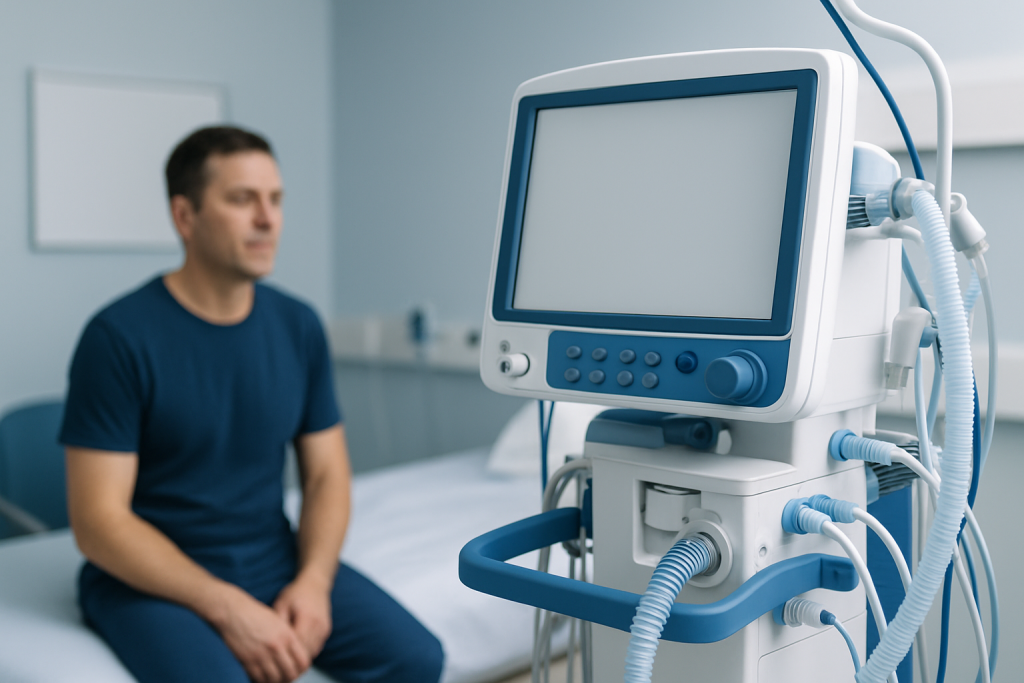
The condition hypoglossal nerve stimulation is designed to treat is obstructive sleep apnea, not simple snoring alone. People with this sleep disorder often notice loud snoring, choking or gasping during sleep, pauses in breathing, restless sleep, morning headaches, dry mouth, and daytime sleepiness.
Some people come to evaluation because a partner notices repeated breathing pauses, while others seek help because they feel unrefreshed despite spending enough time in bed. In international-patient settings, it is common for a person to arrive with previous sleep testing already completed in another country, but that testing still needs to be reviewed to confirm whether the pattern fits this therapy.
Hypoglossal nerve stimulation may be appropriate for selected adults who:
- Have moderate to severe obstructive sleep apnea
- Cannot tolerate CPAP or have not achieved enough benefit from it
- Have airway features that make the device likely to work
- Are able to use and follow the device instructions consistently
It is not a universal solution for every sleep-breathing problem. Central sleep apnea, untreated severe medical illness, or certain airway findings may make another treatment more suitable.
Causes and Risk Factors

Obstructive sleep apnea happens when the upper airway repeatedly narrows or collapses during sleep. The tongue and surrounding soft tissues can move backward, especially when muscle tone drops at night, causing airflow to be reduced or blocked.
Hypoglossal nerve stimulation addresses that mechanism by encouraging the tongue to stay slightly forward and stable. It does not cure every cause of sleep apnea, but it may reduce the collapse that occurs at the tongue base in carefully selected patients.
Factors that can influence whether a person is a candidate include:
- Anatomy of the tongue, jaw, and throat
- Sleep study results and the type of apnea present
- Body weight and distribution of soft tissue around the airway
- Previous response to CPAP, oral appliances, or surgery
- Ability to undergo a minor surgical implant procedure and follow-up care
Because the therapy works best when airway collapse follows a certain pattern, specialist review is essential. A one-size-fits-all approach does not apply here, and that is one reason a detailed assessment matters before deciding on treatment.
Diagnosis and Candidacy Evaluation
Before hypoglossal nerve stimulation is offered, the diagnosis of obstructive sleep apnea must be confirmed with a sleep study. This may be an overnight laboratory study or, in some cases, a home sleep apnea test if the clinician considers it appropriate. The study helps determine how often breathing is interrupted and whether the pattern fits obstructive rather than central sleep apnea.
The next step is candidacy evaluation. A specialist may review medical history, previous sleep treatments, and a detailed airway examination. Some patients also undergo a procedure called drug-induced sleep endoscopy, which allows the team to see how the airway behaves during a sleep-like state and whether tongue-related collapse is the main issue.
People who travel for care often benefit from bringing prior reports, imaging, and sleep-test records so the receiving team can avoid repeating unnecessary tests. Still, if records are incomplete or outdated, updated testing may be recommended to make sure the decision is safe and appropriate.
Treatment Options
Hypoglossal nerve stimulation is an implanted system with three main parts: a small generator placed under the skin, a lead that detects breathing effort, and a lead that delivers stimulation to the hypoglossal nerve. At bedtime, the device senses breathing patterns and activates the tongue muscles in a controlled way to keep the airway from narrowing.
The procedure is typically performed by an experienced surgical team under anesthesia. After healing, the device is turned on and adjusted over several visits until it provides effective support with tolerable sensation. Patients are usually taught how to activate the system before sleep and how to pause or adjust it if needed.
Other treatment options may still be discussed alongside or before this therapy, depending on the case. These can include CPAP, weight management, oral appliances, positional therapy, treatment of nasal blockage, or other airway procedures. The right plan depends on the full sleep evaluation, not just one finding.
Possible advantages of hypoglossal nerve stimulation include:
- No mask worn all night
- Nightly use that can be simpler for some people than CPAP
- Targeted action on tongue movement during sleep
- Ongoing adjustment to optimize comfort and benefit
As with any implanted therapy, there are also risks such as surgical discomfort, infection, device-related problems, or incomplete symptom improvement. A careful discussion with the treating team helps set realistic expectations.
Prevention and Self-Care
Hypoglossal nerve stimulation itself is not a preventive measure; it is a treatment for established obstructive sleep apnea. Even so, self-care remains important because sleep apnea often improves most when device therapy is combined with healthy habits.
Supportive measures may include maintaining a healthy weight, avoiding alcohol close to bedtime, sleeping on the side if advised, treating nasal congestion, and keeping regular sleep hours. These steps do not replace medical treatment, but they can make nighttime breathing more stable and improve overall sleep quality.
After implantation, follow-up care matters just as much as the procedure itself. The device may need several adjustments, and patients should keep their appointments even if they feel better early on. Good communication with the care team is especially important for people who return home to another country, since programming checks and symptom reviews may need to continue remotely or during planned follow-up visits.
When to See a Doctor
A doctor should be consulted if snoring is loud and persistent, breathing pauses are observed, or sleep leaves a person feeling unrefreshed. Daytime sleepiness, morning headaches, trouble concentrating, or drowsiness while driving are also reasons to seek medical review.
For people already diagnosed with obstructive sleep apnea, a specialist visit is appropriate when CPAP is not tolerated, symptoms remain despite treatment, or there is interest in exploring an implantable option such as hypoglossal nerve stimulation. The decision should be made only after a structured sleep and airway assessment.
Urgent evaluation is sensible if there is severe sleep-related breathing difficulty, major worsening of symptoms, or confusion about whether the apnea is truly obstructive. For international patients, a coordinated assessment can help determine whether testing, implantation, and follow-up can be planned efficiently before travel and continued safely afterward. At Acibadem Health Point, multidisciplinary specialists and JCI-accredited hospitals diagnose and treat this condition for international patients in a coordinated setting.
Recovery, Follow-Up, and Long-Term Care
Recovery after implantation is usually straightforward, but the healing period still deserves attention. Patients may feel mild soreness around the incision sites for a short time, and activity restrictions are often given to protect the implant while tissues heal.
Once the device is activated, it is common to have several follow-up visits to refine the settings. This tuning process helps balance effectiveness with comfort, since the stimulation should be strong enough to help the airway but not so noticeable that it disturbs sleep.
Long-term care includes routine device checks, monitoring of sleep symptoms, and occasional repeat sleep testing if the clinician wants to confirm benefit. Patients should report any new discomfort, changes in snoring, return of daytime sleepiness, or concerns about the device so that adjustments can be made promptly.
Frequently asked questions
01What is hypoglossal nerve stimulation used for?
It is used to treat obstructive sleep apnea in selected adults. The device stimulates the tongue-related nerve during sleep so the airway is less likely to collapse. It is generally considered when other treatments, especially CPAP, have not been tolerated or have not worked well enough.
02Is hypoglossal nerve stimulation the same as a cure?
No. It can reduce sleep apnea symptoms and improve breathing during sleep, but it does not eliminate the underlying tendency for airway collapse in every person. Ongoing follow-up is still needed after implantation.
03Who is not a good candidate for this treatment?
People with central sleep apnea, certain airway collapse patterns, or medical issues that make surgery unsuitable may not be candidates. Eligibility also depends on sleep study findings and anatomy, so a specialist evaluation is necessary.
04Does the device stay on all the time?
No. It is used during sleep and turned off when not needed. Patients are taught how to operate the system and how to use it safely each night.
05How does a doctor decide between CPAP and hypoglossal nerve stimulation?
The decision depends on the sleep study, symptom severity, tolerance of CPAP, and airway evaluation. CPAP is usually the first treatment tried, but an implantable option may be discussed if it is not practical or effective enough.
06Can someone travel for this treatment and continue follow-up later?
Yes, many international patients plan assessment and treatment across more than one visit. It is important to bring prior sleep reports and to arrange a clear follow-up plan for device checks and adjustments after returning home.
This article is for general information only and is not a substitute for professional medical advice. Please consult a qualified doctor about your individual situation.
Explore treatments in Turkey — costs, top hospitals & a free quote
JCI-accredited · board-certified surgeons · reply within 24h
Add us as a Preferred Source to see more of our trusted health content across Google Search, AI Overviews and Discover.