

Club Foot Therapy for Babies: Casting and Bracing
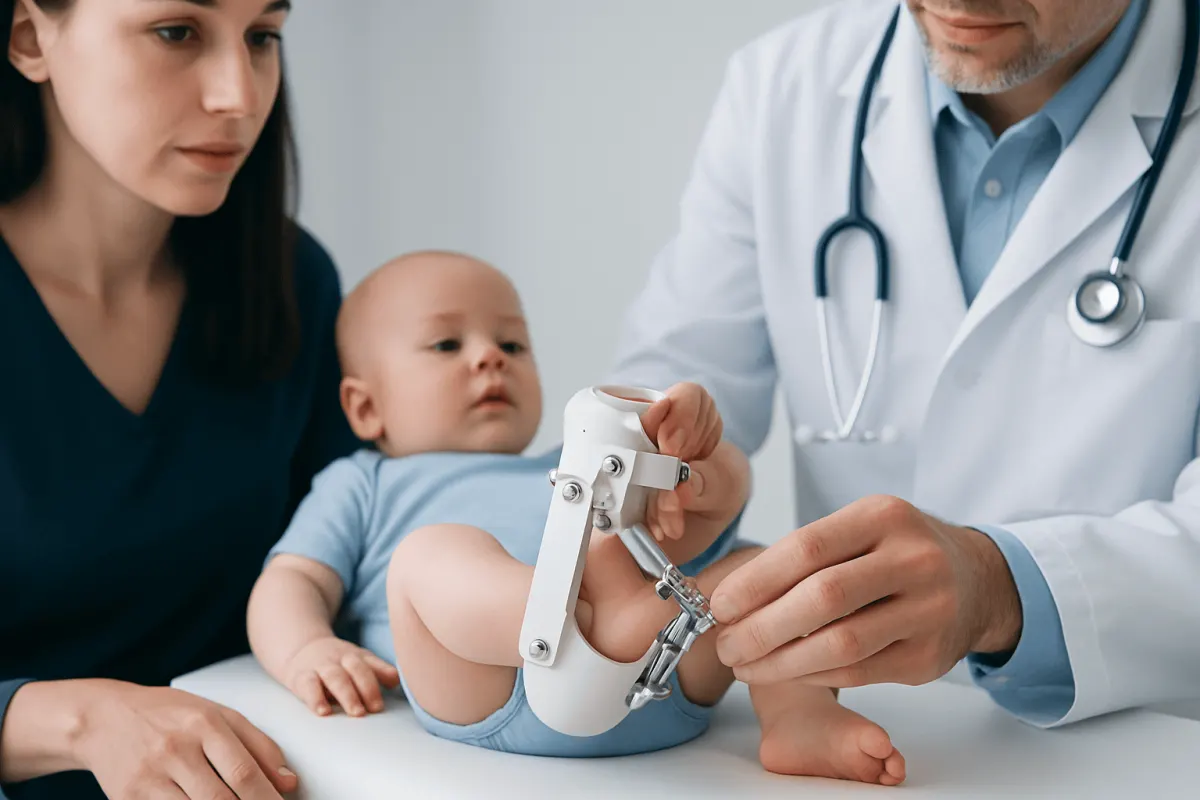
Club foot therapy is most effective when it begins soon after birth and follows a structured plan of gentle correction, bracing and long-term follow-up. With appropriate care and family support, most children can develop pain-free, functional feet and take part in everyday activities.
Club Foot Therapy: How It Works
Club foot therapy is a planned course of care for clubfoot, also called congenital talipes equinovarus. In this condition, a baby is born with one or both feet turned inward and downward. Treatment aims to gently bring the foot into a more typical position, support healthy growth and help the child walk, run and wear regular shoes comfortably.
For most babies, the preferred approach is the Ponseti method. It uses a sequence of gentle stretching and casts rather than major surgery. A specialist gradually corrects the foot’s position over several weeks, then uses bracing to hold the correction while the child grows. Starting early is helpful because an infant’s bones, joints and soft tissues are especially flexible.
Club foot treatment physical therapy may be part of care, particularly for children with stiffness, delayed motor skills, relapse or additional neuromuscular conditions. However, exercises alone generally cannot correct a typical structural clubfoot. The core treatment remains serial casting followed by reliable brace use and specialist monitoring.
Who Is a Candidate for Club Foot Therapy?
Nearly every newborn with idiopathic clubfoot is a candidate for early non-surgical correction. Idiopathic means the clubfoot occurs on its own, without another identified medical condition. Care commonly begins within the first few weeks after birth, although treatment can still be effective when it starts later.
Some children have clubfoot associated with conditions that affect the muscles, nerves or skeleton, such as spina bifida or arthrogryposis. These feet may be more rigid and can require a tailored plan, more casts, prolonged bracing or additional surgery. A pediatric orthopedic assessment helps identify the type of clubfoot and the most appropriate pathway.
Before treatment, the clinician examines the foot and leg, checks hip and spine development when indicated, and reviews the pregnancy and family history. Imaging is not usually needed for a straightforward newborn clubfoot because the diagnosis is mainly made through physical examination. Families can also use reliable club foot resources from pediatric orthopedic teams to understand casting, bracing and follow-up expectations.
Step-by-Step: The Clubfoot Treatment Process
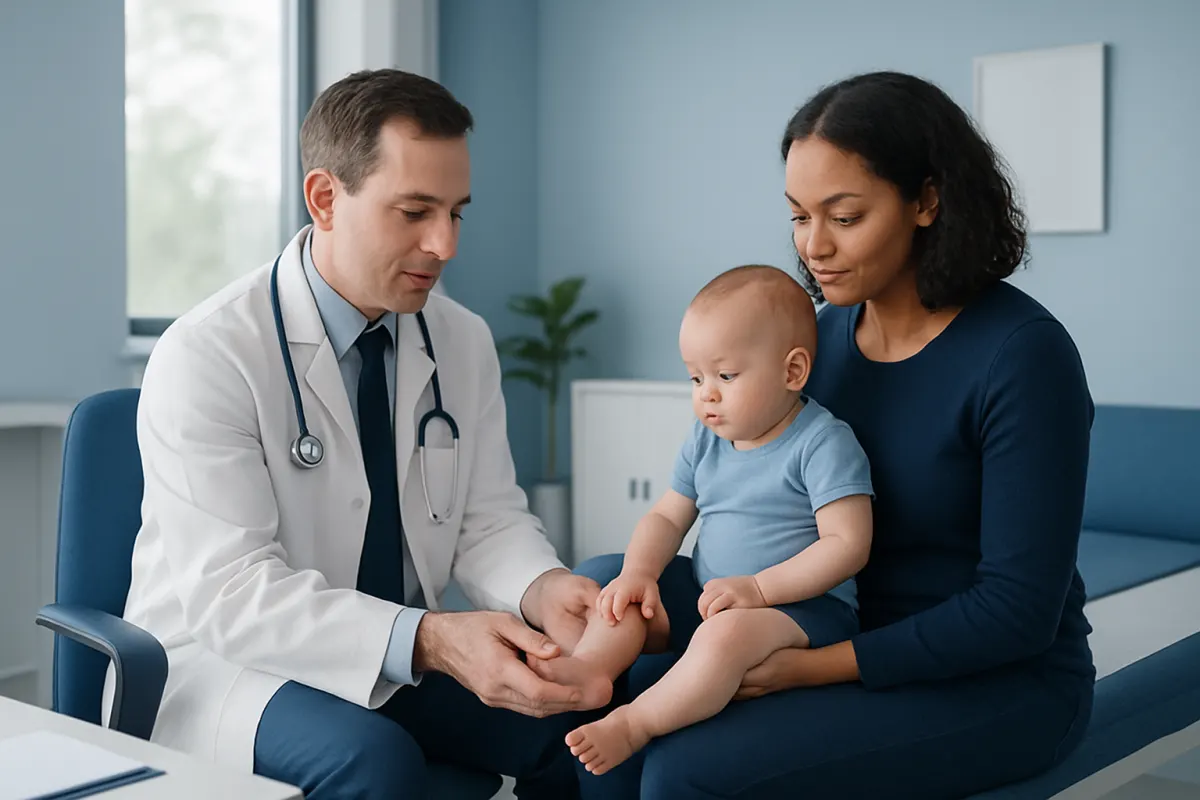
1. Gentle manipulation and casting: At each weekly visit, the clinician carefully stretches the foot toward a corrected position and applies a long-leg plaster or fiberglass cast. The cast extends from the toes to the upper thigh to prevent rotation and maintain the correction. Usually, several casts are needed, with each one building on the progress made at the prior visit.
2. Achilles tendon release when needed: In many babies, the heel remains tightly drawn downward after the other parts of the foot have been corrected. A small procedure called percutaneous Achilles tenotomy may then be recommended. It lengthens the tight Achilles tendon, usually under local anesthesia or another age-appropriate anesthetic plan, and is followed by a final cast for about three weeks while the tendon heals.
3. Bracing phase: Once the foot is corrected, the child wears special shoes attached to a bar, often called a foot-abduction brace. Initially, this is worn nearly full time. Later, it is generally worn during sleep and naps for several years. The exact schedule is individualized by the treating team, but consistent use is essential to lower the risk of relapse.
4. Ongoing review and rehabilitation: Follow-up appointments assess foot position, range of motion, shoe fit, walking and signs of recurrence. A clubfoot physical therapy protocol may include play-based movement, stretching guidance, balance activities and gait support when these are appropriate for the child’s stage of development. Parents should follow the specific plan provided by the specialist rather than force the foot into position at home.
Recovery Timeline, Benefits and Possible Risks
The initial casting phase commonly takes several weeks. Babies generally adapt well to casts, although families need guidance on keeping the cast dry, monitoring the toes and attending scheduled changes. After the final cast is removed, bracing begins immediately. The full club foot rehab journey is longer because the brace is used through early childhood, even after the child has begun walking.
The key benefits of timely treatment are a straighter, more flexible foot, improved ability to wear everyday footwear and the best possible foundation for walking and active play. Children treated early may have a foot or calf that remains somewhat smaller than the other side, especially when only one foot is affected. This does not necessarily prevent a healthy, active life.
Possible treatment-related issues include skin irritation or pressure areas from casts or braces, slipping of a cast, temporary discomfort, and recurrence of the foot deformity. Rarely, a child may need repeat casting, further tendon procedures or surgery. Contact the care team promptly if toes become pale, blue, very swollen, cold, difficult to move, or if the child seems unusually distressed in a cast.
Clubfoot correction is a form of specialized pediatric orthopedic care. Orthopedics services can coordinate assessment, casting, bracing and rehabilitation needs. Acıbadem Health Point’s multidisciplinary specialists and JCI-accredited hospitals provide diagnosis and treatment planning for international patients with clubfoot and related orthopedic concerns.
What Is the Success Rate of Clubfoot Treatment?
When the Ponseti method is started early and the bracing plan is followed consistently, it corrects most typical clubfeet without extensive surgery. Published outcomes vary between treatment centers and depend on the type and severity of the clubfoot, whether both feet are affected, associated health conditions, and adherence to brace use.
Initial correction and long-term success are not exactly the same. A foot may look well corrected after casting but gradually turn inward again during growth if bracing is stopped early or worn inconsistently. Regular reviews allow a relapse to be identified early, when repeat casting and other less invasive measures may be effective.
Families can support the best possible result by attending all appointments, using the brace exactly as advised, checking the skin and shoe fit, and discussing any practical barriers with the care team. A supportive plan that fits daily routines makes long-term treatment more manageable.
Is Clubfoot 100% Curable?
Clubfoot is highly treatable, but it is more accurate to describe it as a condition that can be corrected and managed rather than one that is guaranteed to be permanently cured in every child. Treatment can create a functional, comfortable, plantigrade foot, meaning a foot that can rest flat on the ground for standing and walking.
Even after successful early correction, the muscles and tendons on the affected side may remain different from those in an unaffected foot. Some children experience tightness, inward turning, reduced ankle movement or a recurrence as they grow. This is why brace use and follow-up during childhood remain important.
If relapse occurs, it does not mean the original treatment has failed. Early reassessment can often identify the cause and guide further casting, bracing adjustments, physical therapy or surgery when required. The outlook is generally favorable when care is delivered by an experienced pediatric orthopedic team and monitored over time.
Which Gender Is More Commonly Affected by Clubfoot?
Clubfoot is more commonly diagnosed in boys than in girls. It may affect one foot or both feet, and bilateral clubfoot means that both feet are involved. The reason for the sex difference is not fully understood.
Clubfoot can occur in families, which suggests that genetics contribute in some cases. It is usually not caused by anything a parent did or did not do during pregnancy. In some pregnancies, clubfoot is suspected during an ultrasound scan, while in others it is identified during the newborn examination.
Whether a child is a boy or girl does not change the importance of early specialist assessment or consistent follow-up. Individual foot characteristics and response to treatment guide the care plan far more than sex alone.
Which Celebrities Were Born With Clubfoot? When to Seek Medical Care
Public accounts have identified several well-known people as having been born with clubfoot, including actor Damon Wayans and former football player and coach Troy Aikman. However, celebrity stories are not a reliable guide to diagnosis, treatment decisions or expected outcomes, because individual circumstances and medical details vary. The most useful perspective is that many people treated for clubfoot go on to live active lives.
Parents should seek medical care promptly if a newborn’s foot appears turned inward or downward, if a prenatal scan has raised concern, or if there is uncertainty about the baby’s foot shape. Clubfoot should be assessed by a pediatric orthopedic clinician as soon as practical so that treatment can be planned early.
A child already receiving treatment should be reviewed sooner if the cast is damaged or slips, the toes change color or temperature, there is swelling or a skin wound, the brace no longer fits, or the foot appears to be turning inward again. Parents should not wait for a routine visit when these concerns occur. Early advice can protect the child’s comfort and help preserve correction.
Frequently asked questions
01What is club foot therapy?
Club foot therapy is the coordinated treatment used to correct clubfoot, a foot position present at birth. It commonly includes serial casts, a minor Achilles tendon procedure when needed, bracing and long-term pediatric orthopedic follow-up. Physical therapy may support development and mobility in selected children.
02How long does clubfoot treatment take?
The first phase of weekly casting usually lasts several weeks, followed by a final healing cast if an Achilles tenotomy is performed. Bracing then continues for years, commonly full time at first and later during sleep. Follow-up is important throughout early childhood because relapse can occur as the child grows.
03Does every child with clubfoot need surgery?
No. Most typical clubfeet can be corrected initially with the Ponseti casting method and a brace. Many babies do need a small Achilles tendon release to fully correct the heel position, but this is different from extensive reconstructive surgery. More involved surgery is usually reserved for resistant, recurrent or complex cases.
04Can a child with clubfoot walk and play sports?
Many children who receive early, appropriate treatment walk, run and participate in play and sports. Some may have differences in calf size, foot size or ankle flexibility, especially on the affected side. The child's orthopedic team can advise about activity, footwear and any rehabilitation needs as development progresses.
05Can clubfoot come back after treatment?
Yes, clubfoot can relapse, particularly during the early years of growth. Inconsistent brace use is an important risk factor, which is why the bracing plan should be followed closely. Repeat casting, brace adjustments and other treatments may help if recurrence is recognized early.
06Can parents do clubfoot exercises at home?
Parents may be taught gentle, child-specific activities by the treating team, especially as part of rehabilitation. They should not attempt to forcefully stretch or reposition the foot, and home exercises do not replace prescribed casting or brace use. Any new exercise plan should be discussed with a pediatric orthopedic clinician or pediatric physiotherapist.
This article is for general information only and is not a substitute for professional medical advice. Please consult a qualified doctor about your individual situation.
Joint and spine care in Turkey — expert assessment & treatment
JCI-accredited · board-certified surgeons · reply within 24h
Add us as a Preferred Source to see more of our trusted health content across Google Search, AI Overviews and Discover.


