Clear Liquid Diet Foods: What to Eat and Avoid

Key Takeaways
- Clear liquid diet foods are transparent or see-through at room temperature and are easy to digest.
- The diet is usually temporary and is not meant to provide complete nutrition.
- Approved options often include broth, pulp-free juice, plain gelatin, tea, coffee without milk, and clear sports drinks.
- People should follow their clinician’s specific instructions, especially before endoscopy, colonoscopy, or surgery.
- If symptoms worsen or liquids cannot be kept down, medical advice is needed promptly.
A clear liquid diet is a short-term eating plan that provides hydration and a small amount of energy while leaving little residue in the digestive tract. It is commonly used before procedures, during certain acute illnesses, or when a doctor needs the bowel to rest.
Overview
A clear liquid diet is exactly what it sounds like: a very short-term eating plan built around liquids and foods that remain transparent once served. The goal is not to “feed” the body in a full nutritional sense, but to keep the stomach and intestines as quiet as possible while still allowing fluid intake.
This diet is often recommended before a procedure such as a colonoscopy, certain imaging tests, or surgery, and sometimes during a short recovery period after a digestive illness. For international patients arranging care abroad, the instructions may appear simple on paper but can feel unfamiliar in practice, especially when travel, fasting times, and local food labels all need to be managed together. That is why the exact list of clear liquid diet foods should always be confirmed with the treating team.
People sometimes confuse a clear liquid diet with a full liquid diet. The difference is important: clear liquids are see-through, while full liquids can include milk, cream soups, yogurt, and smoothies. Clear liquids pass through the digestive tract more quickly and leave little residue, which is why they are used when the medical team needs a cleaner preparation or a gentler temporary plan.
Symptoms and Situations That May Lead to This Diet
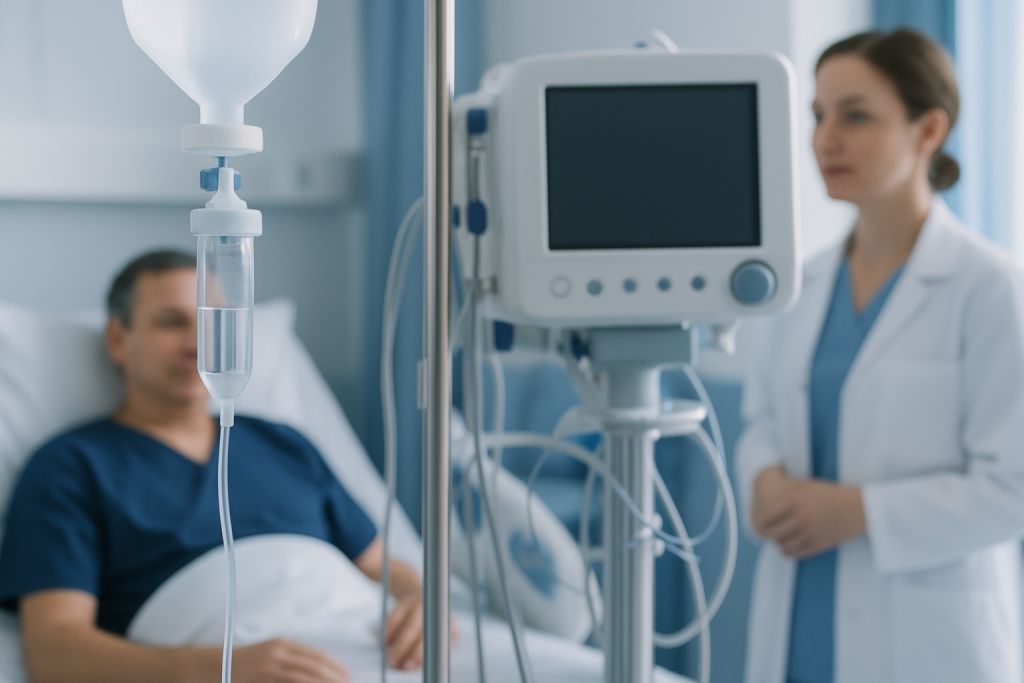
A clear liquid diet is not usually chosen because of a single symptom. Instead, it is often part of the care plan for a specific situation. A doctor may advise it when the bowel needs to be emptied, when nausea or vomiting is present, or when a procedure requires the stomach to be as empty as possible.
Common situations include colonoscopy preparation, some abdominal surgeries, bowel rest during flare-ups of certain digestive problems, or the early phase of recovery after a medical procedure. In these settings, the diet is usually temporary and carefully timed. The patient’s written instructions often specify when to start, when to stop, and whether certain drinks are allowed up to a certain hour.
People may also experience low energy, hunger, mild headache, or light-headedness while on the diet, especially if they are used to regular meals. These sensations are usually related to lower calorie intake rather than the diet being harmful. However, persistent weakness, vomiting, confusion, or signs of dehydration deserve medical review.
Clear Liquid Diet Foods: What Is Usually Allowed

The easiest way to judge a food is to ask whether it is transparent or see-through at room temperature. If the answer is yes, it may fit the plan; if it is cloudy, creamy, or contains bits of pulp, it usually does not. The exact list can vary by hospital or procedure, so the care team’s instructions take priority.
Commonly allowed clear liquid diet foods and drinks include:
- Water
- Plain tea
- Black coffee without milk or creamer
- Clear broths and bouillon
- Strained fruit juices without pulp, such as apple juice or white grape juice
- Clear sports drinks or electrolyte drinks
- Plain gelatin desserts
- Ice pops made from allowed clear liquids
- Some clear carbonated beverages if permitted by the care team
Small amounts of sugar, honey, or lemon may be allowed in some settings if they do not cloud the liquid, but this should be confirmed in advance. For patients traveling for care, it helps to review product labels before departure because some drinks that look “light” may still contain pulp, dairy, or added ingredients that make them unsuitable. When in doubt, the safest approach is to choose the simplest possible option and ask the clinical team.
What to Avoid on a Clear Liquid Diet
Many foods are excluded not because they are unhealthy, but because they are too opaque, too fibrous, or too slow to leave the digestive tract. This includes anything that leaves particles behind or requires more digestion than a clear liquid can provide.
Items that are usually avoided include milk and dairy products, smoothies, yogurt, cream soups, tomato juice with pulp, orange juice, any juice with pulp, alcohol, and most thickened beverages. Solid foods of any kind are also excluded, even very soft ones such as oatmeal, mashed potatoes, or eggs.
It is also wise to avoid red, purple, or blue colored liquids when the hospital has given such instructions for a procedure, because these colors can sometimes interfere with visual assessment. Since protocols differ, patients should follow the exact preparation sheet given by the doctor, endoscopy unit, or surgical team rather than relying on general internet lists.
How Doctors Decide Whether It Is the Right Choice
The need for a clear liquid diet depends on the reason for medical care. A gastroenterology team may recommend it to improve visibility during an examination, while a surgical team may use it to reduce the chance of stomach contents being present during anesthesia. In some digestive illnesses, it may be a short bridge between illness and a gradual return to eating.
Doctors usually consider the person’s overall health, hydration status, current medications, and the timing of the procedure. For example, people with diabetes, kidney disease, swallowing difficulties, or a history of nutrition problems may need extra guidance because a low-calorie liquid plan can affect blood sugar, fluid balance, and medication timing.
For patients traveling internationally, the plan may need to account for flight schedules, hotel access to approved drinks, and language differences on product labels. In those cases, a written checklist can be more useful than memory alone. The most reliable source is always the treating clinician or the procedural team that issued the instructions.
Treatment Options and How the Diet Is Used in Care
A clear liquid diet is not a treatment by itself. Rather, it supports a broader medical plan by making a procedure safer or helping the digestive tract rest briefly. The length of time on the diet is usually short, and patients are often moved to a full liquid or soft diet as soon as it is medically appropriate.
If the diet is being used before a colonoscopy or surgery, the team may combine it with other preparation steps such as laxatives, fasting after a certain time, or medication adjustments. If it is part of recovery from illness, the clinician may recommend a gradual return to regular foods once nausea settles and bowel function improves.
Because the diet is so limited, the main “treatment” concerns are symptom monitoring and safe transition. If a person becomes dizzy, cannot maintain hydration, or has a condition that requires close calorie control, the doctor may adjust the plan or provide alternative nutrition guidance. The goal is always to support the procedure or recovery, not to make eating unnecessarily difficult.
Prevention, Planning, and Self-care
Good preparation makes the diet much easier to follow. Reading the instruction sheet early, shopping ahead of time, and keeping only approved items within reach can reduce mistakes on the day before a procedure. It also helps to check whether the clinic allows clear gelatin, specific electrolyte drinks, or only certain broths.
Self-care during the diet should focus on hydration and comfort. Small, frequent sips are often easier than drinking large amounts at once. Rest is important, especially if reduced calorie intake causes fatigue. People who need to travel for care may find it helpful to pack allowed beverages, a reusable bottle, and a written copy of the instructions so local arrangements are less stressful.
- Keep a list of approved drinks on the phone or in a wallet.
- Choose non-red, non-purple, non-cloudy options when instructed.
- Monitor for thirst, dizziness, or reduced urine output.
- Ask in advance how diabetes medications should be handled.
- Plan the transition back to food before the diet begins.
When to See a Doctor
Medical advice should be sought if a person cannot keep liquids down, feels faint, develops worsening abdominal pain, or shows signs of dehydration such as very dark urine, dry mouth, or reduced urination. A clear liquid diet is meant to be temporary, so prolonged weakness or ongoing nausea should not be ignored.
People with diabetes, kidney disease, swallowing problems, or frailty should contact their clinician if they are unsure whether the plan is safe for them. The same is true if the diet instructions are unclear, conflict with other medication advice, or seem impossible to follow during travel.
Acibadem Health Point supports international patients with multidisciplinary specialists and JCI-accredited hospitals that diagnose and treat digestive conditions and prepare patients for procedures requiring diets such as this one. Even so, any concerns during a clear liquid diet should be discussed with the responsible doctor or care team as early as possible.
Frequently asked questions
01What counts as a clear liquid diet food?
Clear liquid diet foods are items that are transparent or see-through at room temperature. Common examples include water, broth, plain tea, black coffee without milk, clear juice without pulp, gelatin, and some electrolyte drinks. The exact list can vary by clinic, so the procedure sheet should always be followed.
02Can someone drink coffee on a clear liquid diet?
Black coffee is often allowed if no milk, cream, or nondairy creamer is added. Some centers also allow tea in the same way. If the instructions mention avoiding certain colors or additives, those directions should take priority.
03How long does a clear liquid diet usually last?
It is usually short-term, often just for a day or part of a day before a procedure. Sometimes it is used longer during recovery, but only under medical guidance. It is not meant to replace a balanced diet for extended periods.
04Is broth the same as soup on this diet?
Clear broth or bouillon may be allowed, but most soups are not because they contain solids, cream, or cloudiness. If the liquid is strained and fully transparent, it may fit the plan. Cream soups and noodle soups do not qualify.
05Can people with diabetes follow a clear liquid diet safely?
Yes, but they usually need closer guidance because the diet can affect blood sugar. The care team may advise specific drink choices or medication adjustments. Patients with diabetes should ask for individualized instructions before starting the diet.
06What should someone do if they feel weak or dizzy on the diet?
They should sip allowed fluids and rest, but they should also contact a clinician if the symptoms persist or worsen. Dizziness can be a sign of dehydration, low blood sugar, or inadequate intake. Prompt advice is especially important if there is vomiting or inability to drink enough.
This article is for general information only and is not a substitute for professional medical advice. Please consult a qualified doctor about your individual situation.
Persistent digestive symptoms? Get evaluated in Turkey
JCI-accredited · board-certified surgeons · reply within 24h
Add us as a Preferred Source to see more of our trusted health content across Google Search, AI Overviews and Discover.