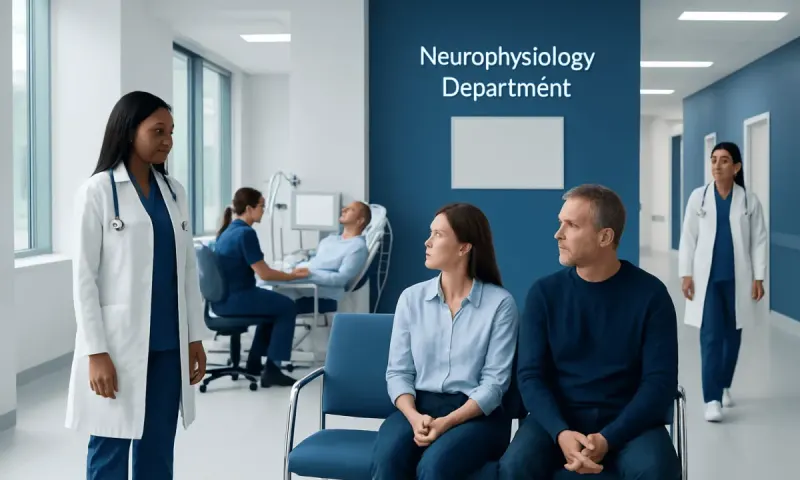
Choosing a Neurophysiology Department: Questions Patients Should Ask
Choosing a neurophysiology department is easier when patients know what to ask about expertise, testing methods, safety, and follow-up care. The right questions can help patients feel informed, comfortable, and confident before diagnostic testing.
Overview: What a Neurophysiology Department Does
A neurophysiology department focuses on testing how the nervous system works in real time. While imaging scans such as MRI or CT show structure, neurophysiology tests assess function. They can help doctors understand how signals travel through the brain, spinal cord, peripheral nerves, and muscles, and whether those signals are normal, slowed, blocked, or overly active.
Common studies include electroencephalography (EEG), electromyography (EMG), nerve conduction studies, evoked potentials, intraoperative neurophysiological monitoring, and sleep-related tests in some centers. These investigations are often used when a person has symptoms such as seizures, fainting, numbness, tingling, weakness, muscle twitching, sleep disturbances, or unexplained episodes affecting awareness or movement.
Because these tests guide diagnosis and treatment decisions, choosing a neurophysiology department matters. Patients may feel more reassured when they understand what services are offered, how experienced the team is, and how results will be communicated. Asking clear questions before booking can make the process smoother and more comfortable.
Why the Choice of Department Matters
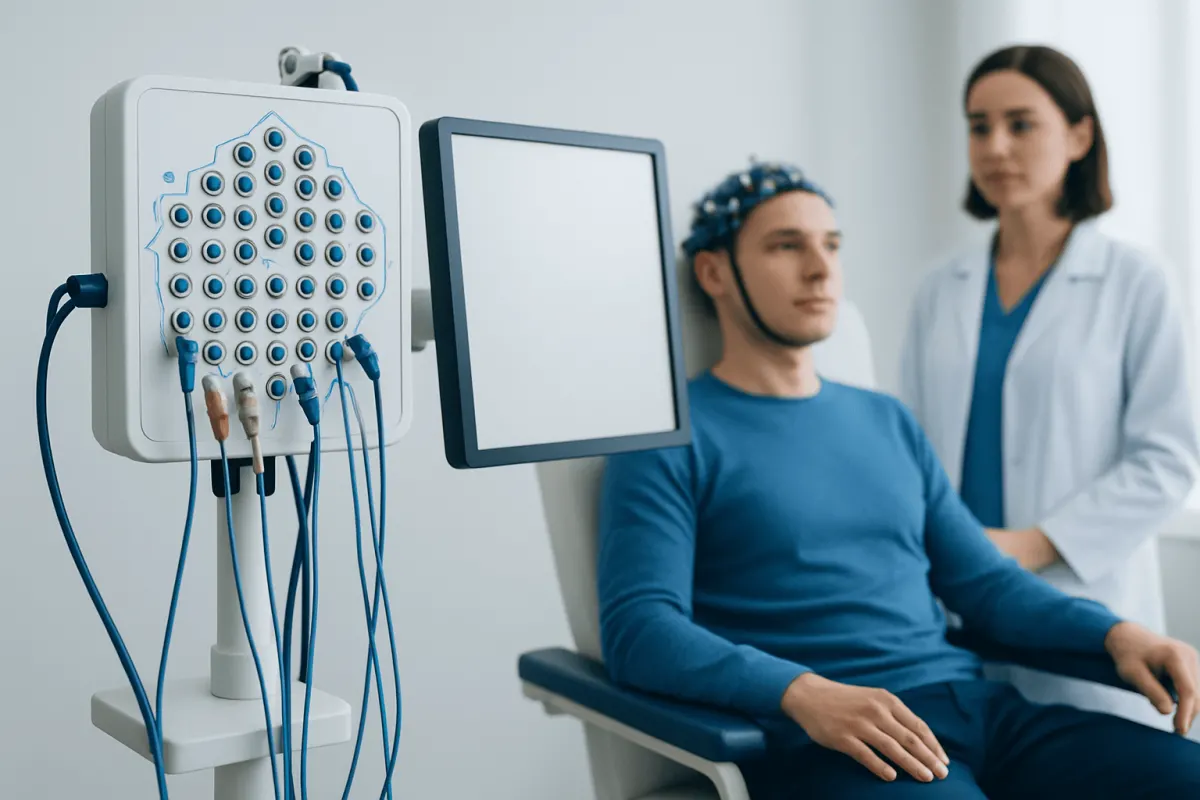
Neurophysiology tests are highly useful, but their value depends on the quality of both the recording and the interpretation. A technically well-performed EEG or nerve conduction study can provide important answers, while a poorly matched or poorly executed test may lead to uncertainty, repeat appointments, or delays in care. For this reason, patients should look beyond convenience alone and consider clinical expertise, equipment standards, and how closely the department works with referring doctors.
The best choice is not always the one offering the largest number of tests. It is often the department that selects the right test for the patient’s symptoms, explains what to expect, and provides results that are clear and clinically meaningful. A department that sees both routine and complex cases may also be better equipped to adapt studies for children, older adults, or people with disabilities, implanted devices, movement problems, or communication needs.
Patients who need broader neurological assessment may also benefit from a center that works closely with specialists in epilepsy care and Parkinson’s disease management when appropriate. This kind of teamwork can be especially helpful when symptoms overlap several conditions and diagnosis requires more than one perspective.
Questions to Ask About Expertise and Team Experience

One of the most useful questions is who will perform the test and who will interpret it. Patients can ask whether the recording is carried out by trained neurophysiology technologists, nurses, or physicians, and whether the final report is reviewed by a neurologist or neurophysiologist with relevant experience. It is also reasonable to ask how often the department performs the specific test recommended, especially for more specialized studies.
Experience matters because neurophysiology is detailed and technique-sensitive. For example, an EEG may require recognition of subtle patterns, while EMG and nerve conduction studies depend on precise electrode placement and careful interpretation in the context of symptoms and examination findings. A strong department should be able to explain the qualifications of its staff in clear, straightforward language.
Helpful questions include:
- Does the department regularly perform the test that has been requested?
- Who interprets the results, and what is their specialty background?
- Does the team assess adults, children, or both?
- Can the department manage complex cases, urgent referrals, or hospital-based monitoring if needed?
- How closely does the team communicate with the referring neurologist, neurosurgeon, or other specialist?
If surgery is being planned, some patients may also need intraoperative neuromonitoring during a procedure. In that setting, it is especially useful to ask whether the neurophysiology team has operating-room experience and how they coordinate with surgeons and anesthesiologists.
Questions to Ask About Tests, Technology, and Safety
Patients should ask whether the department offers the full range of tests relevant to their symptoms. Not every person needs every study, but access to the right test matters. A department should be able to explain why an EEG, video EEG, EMG, nerve conduction study, evoked potential, or sleep-related assessment has been recommended, and whether there are alternative options if the first test is not conclusive.
It is also sensible to ask about equipment quality, hygiene, and patient safety procedures. Neurophysiology tests are generally safe, though some can be briefly uncomfortable. Needle EMG may cause temporary soreness, and sleep-deprived EEG or prolonged monitoring can require planning. The department should explain these points calmly, including any precautions related to skin sensitivity, implanted devices, bleeding risk, or medicines that should or should not be taken before the appointment.
Questions that often help include:
- What exactly will this test show, and what can it not show?
- Is the test invasive, painful, or likely to cause discomfort?
- How long will the appointment take?
- How should the patient prepare, and can regular medications be continued?
- What infection control and equipment cleaning procedures are used?
- Are emergency support and medical supervision available if a patient feels unwell during testing?
For people being assessed for suspected seizures or unexplained episodes, departments that offer EEG testing or longer monitoring options may be particularly relevant. When muscle weakness, tingling, or suspected nerve injury is the concern, access to EMG and nerve conduction studies can be important.
Questions to Ask About Comfort, Communication, and Practical Support
Technical quality is essential, but patient experience also matters. Neurophysiology tests can be unfamiliar, and anxiety often improves when staff explain each step clearly. Patients may wish to ask whether the department provides written instructions before the test, whether a family member can accompany them if appropriate, and whether interpreters or multilingual staff are available.
Comfort needs vary from person to person. Children may need age-appropriate preparation, and adults with claustrophobia, cognitive difficulties, autism, hearing impairment, or limited mobility may benefit from extra planning. A patient-centered department should be willing to discuss these needs in advance rather than only on the day of testing. It is reasonable to ask whether the team has experience supporting nervous or medically complex patients.
Practical questions are also useful because they reduce avoidable stress:
- How long is the waiting time for the test and for the report?
- Will the patient receive same-day feedback or only a written result later?
- What should the patient wear, eat, or avoid before the appointment?
- Can the test be adapted for mobility issues, tremor, developmental needs, or communication barriers?
- Is there support for international patients, including scheduling assistance and language services?
Clear communication is often a sign of overall quality. A department that answers simple questions respectfully is more likely to support patients well through the rest of the process.
Understanding Results and Follow-Up Care
One of the most important questions is how results will be explained. Neurophysiology tests rarely stand alone; they are interpreted alongside the patient’s symptoms, medical history, neurological examination, and sometimes imaging or blood tests. A useful department should make it clear that a test may support a diagnosis, rule out certain possibilities, or indicate the need for further assessment.
Patients can ask when the formal report will be ready, who will discuss it with them, and whether the department communicates directly with the referring doctor. Some findings are straightforward, while others require careful explanation. For example, a normal test does not always mean that symptoms are imaginary or unimportant; it may simply mean that another type of evaluation is needed.
Good follow-up coordination can be especially valuable in ongoing neurological care. Depending on the problem, the next step may involve a neurologist, neurosurgeon, sleep specialist, rehabilitation physician, or pain specialist. In some settings, departments also contribute to planning for vagus Neuromodulation for Localized Chronic Pain" class="ahp-ilk">nerve stimulation or other advanced therapies when clinically appropriate.
Near the end of the care pathway, some patients appreciate access to a center where diagnostic services and specialist treatment are closely connected. Acıbadem Health Point’s multidisciplinary specialists and JCI-accredited hospitals diagnose and treat neurological conditions for international patients, which can support continuity when further evaluation is needed.
Red Flags and Positive Signs to Look For
Most departments provide safe, professional care, but patients can still watch for clues about quality. Positive signs include clear preparation instructions, staff who explain procedures calmly, a clean and organized environment, realistic timelines for results, and straightforward answers about qualifications and test limitations. Departments that coordinate closely with neurology and rehabilitation teams often provide smoother care, especially for complex symptoms.
Possible warning signs include vague explanations, pressure to undergo tests without a clear reason, poor communication about medications or preparation, or reports that are difficult to access through the referring clinician. Repeated scheduling problems, limited support for special needs, or an unwillingness to discuss who interprets the test may also raise concerns. These issues do not automatically mean care is poor, but they may justify asking more questions or seeking a second opinion.
If there is uncertainty, patients can ask for copies of reports, clarification of findings in plain language, and guidance on next steps. It is also reasonable to ask whether a second review is possible in complex cases. In neurophysiology, thoughtful interpretation is often as important as the test itself.
How Patients Can Prepare Before Choosing and Before the Appointment
Before choosing a department, it helps to gather a brief symptom history, a medication list, and any previous test reports. Patients may also want to ask the referring doctor what question the test is meant to answer. This can make it easier to judge whether a department offers the right study and whether the timing is urgent or routine.
Before the appointment itself, preparation depends on the test. For EEG, patients may be asked to wash their hair and avoid styling products. For nerve conduction studies or EMG, loose clothing may help. Some tests require adjusted sleep, while others do not. The department should provide instructions clearly and explain whether there are any restrictions involving food, caffeine, medicines, or driving afterward.
A simple checklist can help:
- Bring referral notes, previous results, and a current medication list.
- Ask what the test is intended to investigate.
- Confirm how long the visit will take and whether someone should accompany the patient.
- Inform the department in advance about pregnancy, implanted devices, bleeding disorders, or accessibility needs.
- Ask when and how results will be shared.
By preparing in advance and asking a few focused questions, patients can make a more confident decision. A good neurophysiology department should support not only accurate testing, but also understanding, comfort, and well-coordinated follow-up care.
Frequently asked questions
01What is a neurophysiology department?
A neurophysiology department performs tests that measure how the brain, nerves, and muscles function. These tests help doctors investigate symptoms such as seizures, weakness, numbness, tingling, blackouts, sleep-related problems, or movement changes.
02Which tests are commonly done in neurophysiology?
Common tests include EEG, EMG, nerve conduction studies, evoked potentials, and sometimes prolonged or video monitoring. The right test depends on the person’s symptoms and the clinical question the doctor is trying to answer.
03Are neurophysiology tests painful?
Many neurophysiology tests are painless or only mildly uncomfortable. Some, such as needle EMG or repeated electrical stimulation during nerve conduction studies, can cause brief discomfort, but staff usually explain each step and try to keep the experience manageable.
04How can a patient tell if a neurophysiology department is good?
It helps to look for experienced staff, clear explanations, proper safety procedures, and timely reporting. A strong department should also explain why a test is needed, what it may show, and how results will be communicated.
05How long does it take to get results?
Timing varies by test and by department. Some patients receive preliminary information on the same day, while the formal report may take longer because the recording must be carefully reviewed and interpreted in context.
06Should patients ask who reads the test?
Yes. Neurophysiology tests are only as useful as their interpretation, so it is reasonable to ask who reviews the results and what their expertise is. This is especially important for specialized testing or complex symptoms.
This article is for general information only and is not a substitute for professional medical advice. Please consult a qualified doctor about your individual situation.
Joint and spine care in Turkey — expert assessment & treatment
JCI-accredited · board-certified surgeons · reply within 24h
Add us as a Preferred Source to see more of our trusted health content across Google Search, AI Overviews and Discover.