Neurophysiology Department: When You Are Referred and What Services It Provides
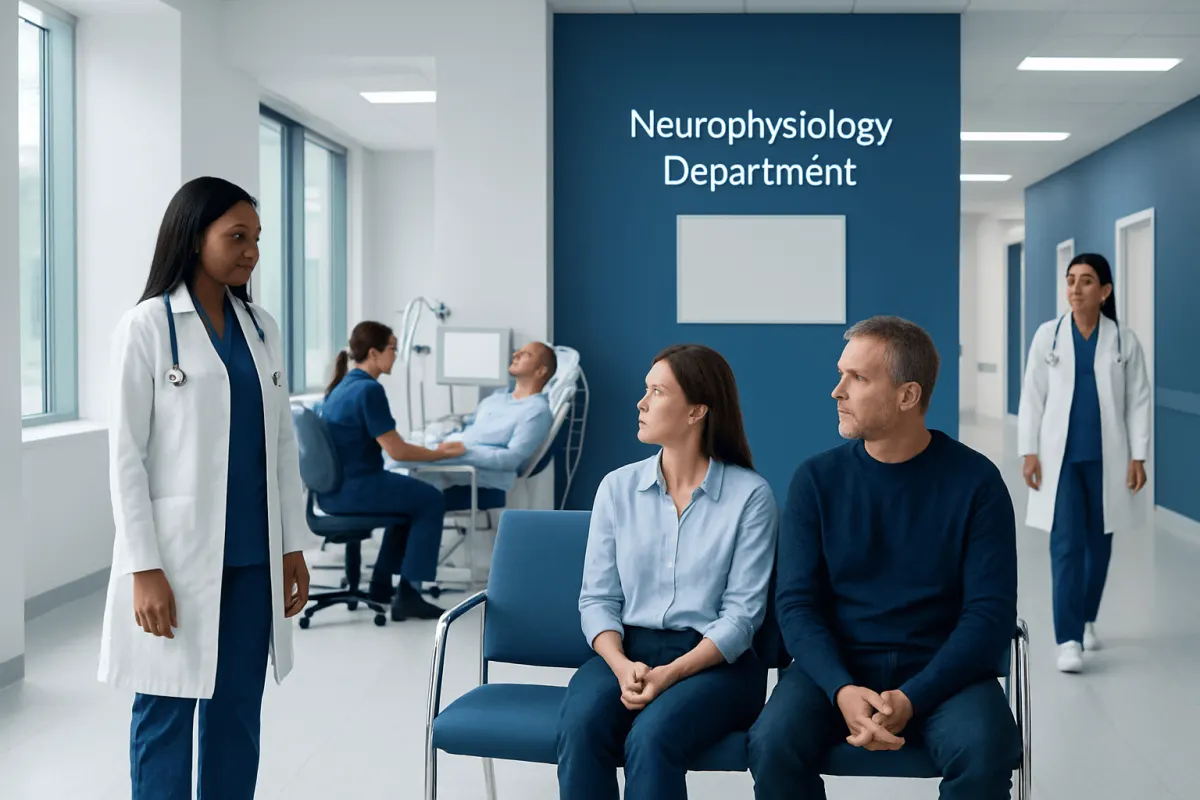
A Neurophysiology Department evaluates how the brain, nerves, muscles, and spinal pathways are working. People are often referred when symptoms such as numbness, weakness, seizures, sleep problems, or unexplained pain need further testing to guide diagnosis and treatment.
Overview: What a Neurophysiology Department Does
A Neurophysiology Department is a specialist hospital unit that studies how the nervous system functions in real time. Rather than looking only at body structures, neurophysiology tests measure electrical activity and signal transmission in the brain, spinal cord, peripheral nerves, muscles, and sometimes sleep-related body systems. This information can help doctors understand why symptoms are happening and where in the nervous system the problem may be located.
Patients may be referred by neurologists, neurosurgeons, pediatricians, rehabilitation specialists, orthopedists, sleep specialists, or primary care doctors. A referral does not automatically mean a serious illness is present. In many cases, these tests are used to clarify common symptoms such as tingling, back-related nerve pain, hand weakness, headaches with concerning features, blackout episodes, or restless sleep.
The department usually combines several kinds of diagnostic services. These may include tests for brain activity, nerve and muscle function, sensory pathways, and sleep physiology. The goal is to support a clear diagnosis, monitor a known condition over time, and help the wider medical team choose the most appropriate treatment.
When Someone Is Referred to a Neurophysiology Department
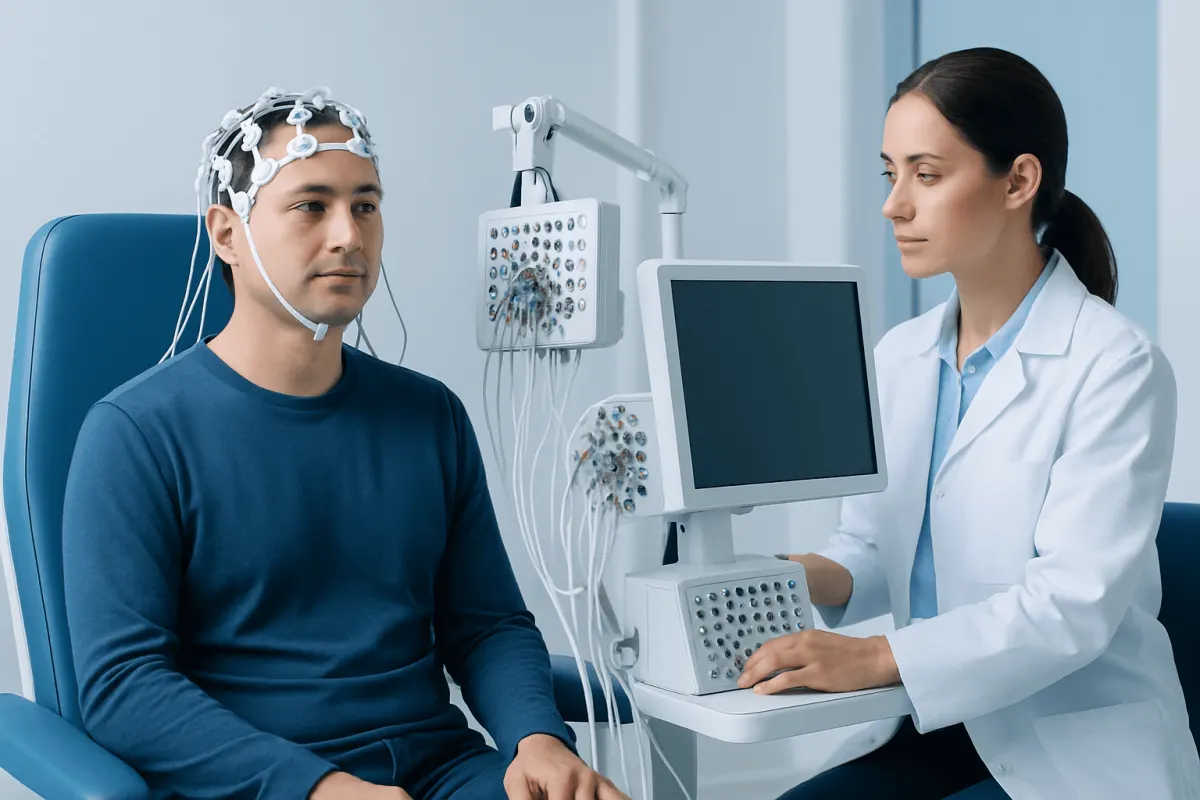
Referral usually happens when symptoms suggest a disorder affecting the nervous system but the cause is not yet fully clear. Common examples include persistent numbness, tingling, burning pain, muscle cramps, visible muscle twitching, weakness, loss of coordination, tremor, memory-related concerns linked to brain function, or episodes that may represent seizures. People may also be referred after a stroke, head injury, spine problem, or surgery to assess nerve recovery or ongoing symptoms.
Children and adults can both need neurophysiology testing. In children, referrals may relate to developmental concerns, unusual movements, staring spells, suspected epilepsy, sleep breathing issues, or weakness. In adults, referrals often involve suspected neuropathy, radiculopathy, carpal tunnel syndrome, myopathy, epilepsy, sleep disorders, or unexplained dizziness and fainting episodes.
Sometimes neurophysiology is used to investigate symptoms that overlap with other conditions. For example, a person with hand numbness may need testing to distinguish between a local nerve compression and a neck-related problem. Someone with episodes of collapse may need brain-wave testing to help separate seizure disorders from non-epileptic events. In this way, neurophysiology often plays an important role in narrowing down the diagnosis.
- Weakness or muscle wasting
- Numbness, tingling, or burning pain
- Suspected seizures or epilepsy
- Tremor or unusual movements
- Back or neck pain with nerve symptoms
- Sleep problems such as snoring, pauses in breathing, or excessive daytime sleepiness
Main Services and Tests Provided
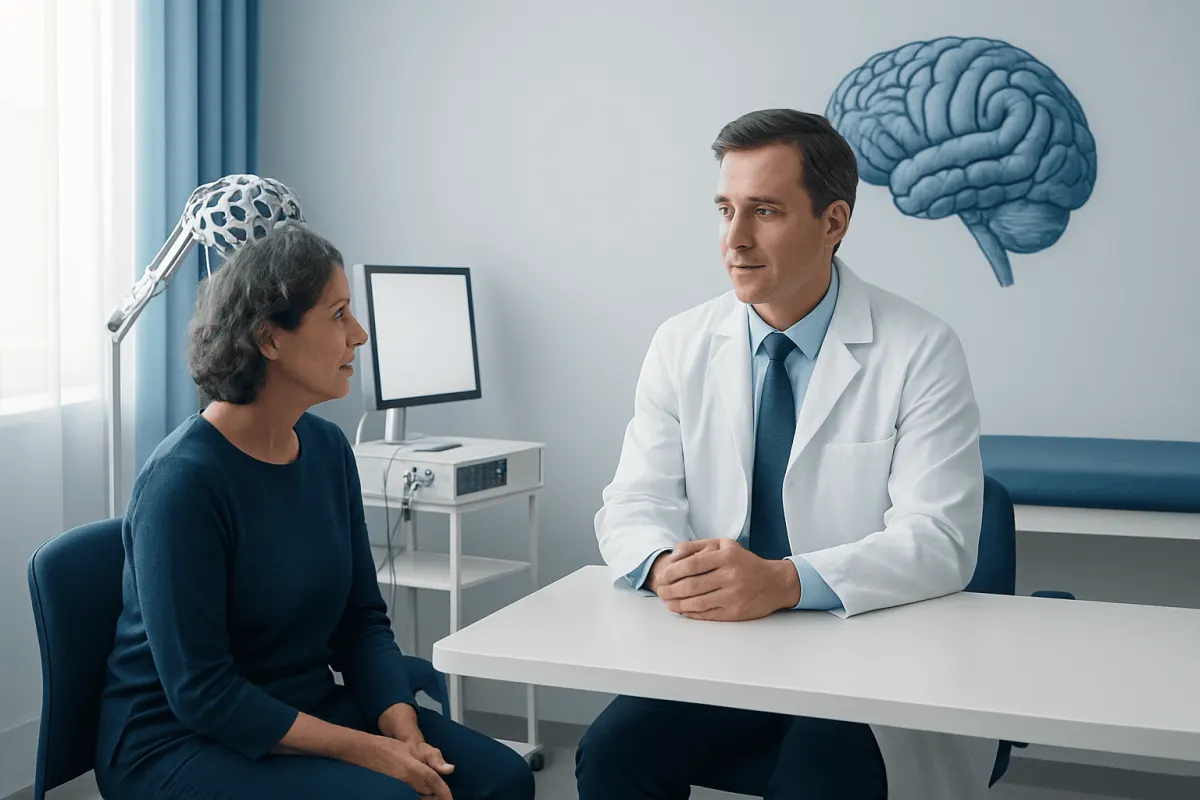
One of the best-known services in a Neurophysiology Department is the electroencephalogram, or EEG. This test records electrical activity in the brain using small sensors placed on the scalp. It is commonly used when a doctor suspects epilepsy, seizure-like episodes, certain sleep-related brain activity changes, or some types of encephalopathy. Depending on the situation, EEG may be done routinely, after sleep deprivation, over a longer period, or together with video monitoring.
Another core service is electromyography and nerve conduction testing, often grouped together as EMG and nerve conduction studies. These tests assess how well nerves carry signals and how muscles respond. They are commonly used for symptoms such as weakness, numbness, tingling, sciatica-like pain, or suspected nerve entrapment. They can help diagnose conditions affecting peripheral nerves, nerve roots, neuromuscular junctions, or muscles themselves.
Evoked potential tests may also be offered. These tests measure how quickly and effectively signals travel through specific sensory pathways, such as visual, auditory, or somatosensory routes. They can be helpful when evaluating disorders that affect the brain or spinal cord pathways. Some departments also provide autonomic testing, which looks at functions such as blood pressure and heart rate responses, especially when dizziness or fainting is being investigated.
Many Neurophysiology Departments work closely with sleep medicine services and may run sleep studies, also called polysomnography. These studies monitor breathing, oxygen levels, heart rhythm, body movements, and brain activity during sleep. They are often used to assess suspected sleep apnea, parasomnias, periodic limb movements, or other sleep-related disorders. In some settings, intraoperative neurophysiological monitoring may also be provided during selected surgeries to help protect nerve pathways.
What Common Tests Feel Like and How to Prepare
Most neurophysiology tests are done as outpatient procedures, meaning the patient goes home the same day. EEG is generally painless. Small electrodes are attached to the scalp with a conductive paste or adhesive, and the patient rests while brain activity is recorded. During the test, the technician may ask the person to open and close their eyes, breathe deeply for a short time, or look at flashing lights, depending on the reason for the study.
Nerve conduction studies involve small electrical stimulations delivered to the skin over a nerve. These pulses can feel brief and unusual, but they are usually well tolerated. EMG uses a very fine needle electrode inserted into selected muscles to record electrical activity. This can cause temporary discomfort or soreness, but it is typically short-lived. Patients are usually advised to avoid lotions or oils on the skin before these tests, as they can interfere with electrode contact.
Preparation depends on the test. For sleep studies, patients may be asked to follow a regular sleep schedule beforehand and bring comfortable nightwear. For EEG, clean hair without sprays, gels, or heavy oils is often recommended. It is important to follow the specific instructions given by the department, including whether usual medicines should be taken on the day of testing. In general, patients should inform the team about pacemakers, bleeding problems, pregnancy, implanted devices, skin sensitivities, or medications that might affect results.
What Conditions Neurophysiology Can Help Diagnose
Neurophysiology does not treat every neurological problem by itself, but it often provides key evidence that supports diagnosis. For example, EEG can help assess suspected epilepsy and other conditions associated with abnormal brain electrical activity. EMG and nerve conduction studies are commonly used when doctors suspect nerve compression syndromes, peripheral neuropathy, muscle disease, or radiculopathy related to the spine.
These services are also useful when symptoms are not straightforward. Tingling in the feet may be linked to diabetes-related nerve damage, vitamin deficiency, medication effects, or other causes. Hand weakness might come from a compressed nerve at the wrist, an elbow problem, a neck nerve root issue, or a muscle disorder. By identifying the pattern and location of abnormal signals, neurophysiology can help distinguish between these possibilities.
Sleep-related neurophysiology may support diagnosis of obstructive sleep apnea, certain Neurology Evaluation" class="ahp-ilk">movement disorders during sleep, narcolepsy evaluation pathways, or unusual nighttime behaviors. Evoked potentials may contribute to the assessment of disorders affecting visual or sensory pathways. In patients with spine symptoms, tests may complement imaging when a doctor is considering options such as spinal cord stimulation or other nerve-focused treatment plans.
Neurophysiology findings are usually interpreted together with the medical history, physical examination, imaging, and laboratory tests. This combined approach helps avoid overreliance on a single test and supports safer, more accurate decision-making.
How Results Are Used in Treatment Planning
Test results can confirm a suspected diagnosis, rule out certain conditions, or show whether a problem is mild, moderate, or more advanced. This can directly influence treatment choices. For example, if nerve conduction studies show a localized nerve compression, treatment may focus on splinting, physiotherapy, activity changes, medication review, or surgery when appropriate. If the pattern suggests a more widespread neuropathy, the next steps may include investigating metabolic, autoimmune, toxic, or inherited causes.
In seizure care, EEG results may help doctors decide whether anti-seizure treatment is appropriate, whether more prolonged monitoring is needed, or whether a patient should be referred for additional assessment. For people with weakness or muscle symptoms, EMG can help determine whether the problem is in the muscle, the nerve, or the connection between them. This often guides referral to the most suitable specialist and may avoid unnecessary procedures.
Sleep study results may lead to lifestyle advice, breathing support during sleep, or further ENT, respiratory, or neurology assessment. In selected cases, neurophysiology contributes to planning advanced care pathways, including deep brain stimulation for specific movement disorders or evaluation before epilepsy surgery in carefully selected patients. The exact pathway depends on the person’s symptoms, diagnosis, and overall health.
At centers with multidisciplinary neurological care, neurophysiology teams work closely with clinicians across neurology, neurosurgery, rehabilitation, sleep medicine, and pain services. Acıbadem Health Point’s multidisciplinary specialists and JCI-accredited hospitals also diagnose and treat neurological conditions for international patients when this type of coordinated assessment is needed.
Limitations, Safety, and What to Ask the Team
Neurophysiology tests are valuable, but they have limits. A normal result does not always exclude disease, especially if symptoms are early, intermittent, or caused by a problem that the chosen test does not measure well. Likewise, an abnormal result must be interpreted in the context of the person’s symptoms and examination. This is why test reports are most useful when discussed with the referring doctor or neurologist.
In general, these tests are considered safe. EEG and nerve conduction studies are non-surgical and low risk. EMG may cause brief discomfort and minor muscle soreness afterward. Sleep studies are also noninvasive, though sleeping in a lab setting can feel unfamiliar. Patients should tell the team about implanted medical devices, blood-thinning medication, skin infections, or any factor that may affect testing.
It often helps to ask practical questions before the appointment. Patients may want to know how long the test will take, whether they can drive afterward, whether a family member may accompany them, and when results will be available. Clear communication can reduce anxiety and help the person prepare more confidently for the visit.
When to Seek Medical Advice
A referral to a Neurophysiology Department should be followed as advised, especially if symptoms are ongoing or worsening. Medical review is particularly important when there is new weakness, repeated blackout episodes, seizure-like events, persistent numbness, progressive balance problems, or sleep symptoms that are causing significant daytime tiredness. Prompt assessment can help identify treatable causes and reduce delays in care.
Urgent medical attention is needed for symptoms such as sudden one-sided weakness, a new facial droop, sudden trouble speaking, severe head injury, prolonged seizure activity, loss of consciousness with injury, or rapidly worsening breathing-related sleep symptoms. These situations may require emergency evaluation rather than routine outpatient testing.
For non-urgent symptoms, keeping a symptom diary can be very useful before the appointment. Noting when symptoms occur, how long they last, possible triggers, and any associated features can help the neurophysiology team and referring doctor choose the right test and interpret the results more effectively.
Frequently asked questions
01What is the difference between neurology and neurophysiology?
Neurology is the broader medical specialty that diagnoses and manages disorders of the brain, spinal cord, nerves, and muscles. Neurophysiology is a focused area that uses specialized tests to measure how these parts of the nervous system are functioning. Neurophysiology results help neurologists and other doctors make more accurate decisions.
02Does a referral to a Neurophysiology Department mean there is a serious problem?
Not necessarily. Many referrals are made to investigate common symptoms such as tingling, nerve pain, dizziness, or sleep problems. These tests are often used to rule out conditions as well as to confirm them.
03Are EEG and EMG painful?
EEG is usually painless because it records brain activity from sensors placed on the scalp. Nerve conduction studies and EMG can cause brief discomfort, especially the electrical stimulation or fine needle part of the EMG, but most people tolerate them well. Any soreness afterward is usually mild and temporary.
04How long do neurophysiology tests take?
The timing depends on the type of test. Some routine EEG or nerve conduction appointments may take less than an hour, while combined EMG studies, prolonged EEG monitoring, or overnight sleep studies take longer. The department usually provides instructions and an expected time frame before the appointment.
05Can I eat, take medicines, or drive before and after the test?
This depends on the specific test and the reason it is being done. Many patients can eat normally and continue usual medicines, but some studies require special preparation, such as sleep deprivation or temporary changes advised by a doctor. Driving afterward is often possible, but it is best to check the instructions given by the department.
06What should I bring to a neurophysiology appointment?
It is usually helpful to bring identification, referral details, a medication list, and any relevant previous test results. For sleep studies, comfortable nightwear may be needed. A symptom diary can also be very useful, especially for episodes such as seizures, fainting, numbness, or sleep disturbances.
This article is for general information only and is not a substitute for professional medical advice. Please consult a qualified doctor about your individual situation.
Joint and spine care in Turkey — expert assessment & treatment
JCI-accredited · board-certified surgeons · reply within 24h
Add us as a Preferred Source to see more of our trusted health content across Google Search, AI Overviews and Discover.