Chemotherapy Clothes: How to Wash Soiled Items
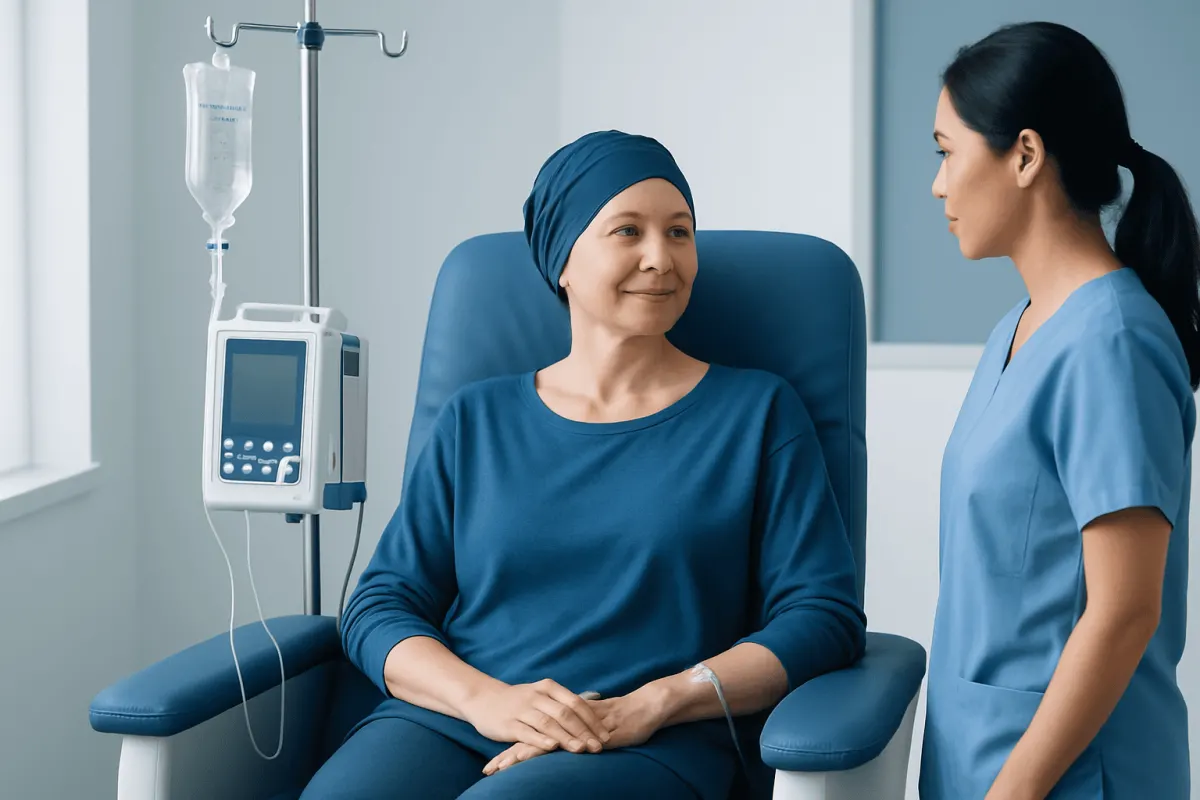
Chemotherapy clothes are usually safe to handle, hug, and wash at home. Extra precautions are mainly needed when clothing, bedding, or bathroom surfaces are contaminated with urine, stool, vomit, blood, or other body fluids during the first days after treatment.
Overview: what are chemotherapy clothes?
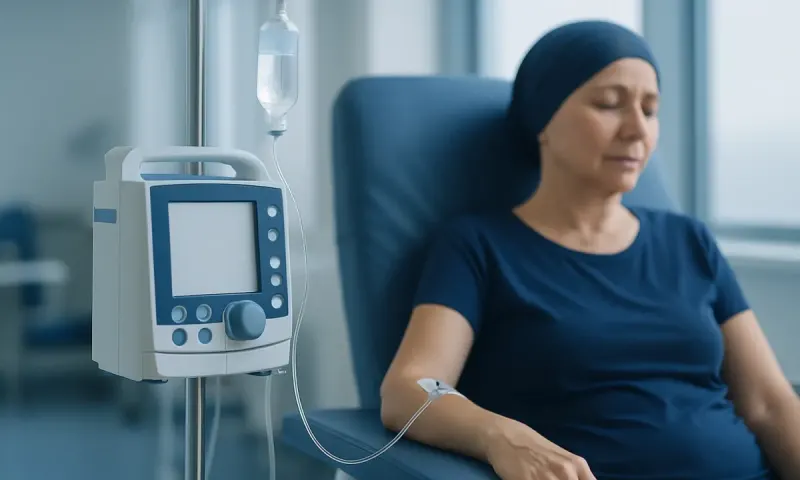
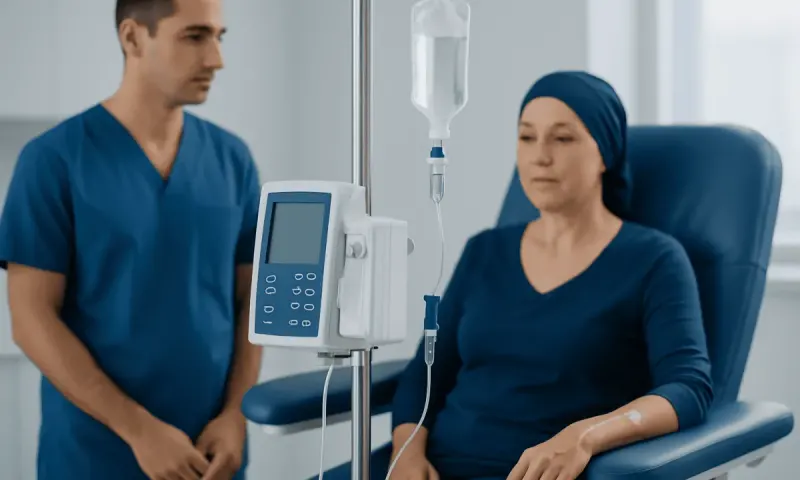
Chemotherapy clothes are the everyday clothes, sleepwear, hospital garments, bedding, and towels used by a person receiving chemotherapy. In most situations, family members can safely touch, wash, and share living spaces with someone having treatment. Normal closeness, including hugs and sitting together, does not transfer chemotherapy medicine through intact skin.
Practical precautions are recommended because small amounts of certain chemotherapy drugs may leave the body in urine, stool, vomit, blood, sweat, or other body fluids for a period after treatment. This is most relevant when an item is visibly soiled. The exact timing depends on the medicines used, so the treating oncology team’s instructions should always take priority.
A chemotherapy procedure gown may be used during an infusion or some hospital-based treatments. It helps provide easy access to the treatment area and supports comfort and cleanliness. It is not usually necessary to buy special clothing for chemotherapy unless the care team advises otherwise.
Choosing comfortable clothes for chemotherapy appointments
Comfortable, loose-fitting clothing can make infusion appointments easier. Many people choose layers because infusion areas may feel cool, and soft fabrics can be more comfortable if the skin is sensitive. A top with sleeves that can roll up easily is helpful when treatment is given through an arm vein.
For a chest port, a shirt with a wide neckline, front buttons, or a zipper may allow the nurse to reach the device more easily. Some people use specially designed chemotherapy clothing with discreet openings, but ordinary clothing can work just as well if it provides access without pulling or pressure.
It can also help to bring warm socks, a light blanket, water if permitted, snacks approved by the care team, and something to pass the time. If treatment causes numbness or tingling in the hands or feet, shoes with stable soles and clothing that is easy to put on may support safety and independence.
Handling chemotherapy on clothes and laundry safely
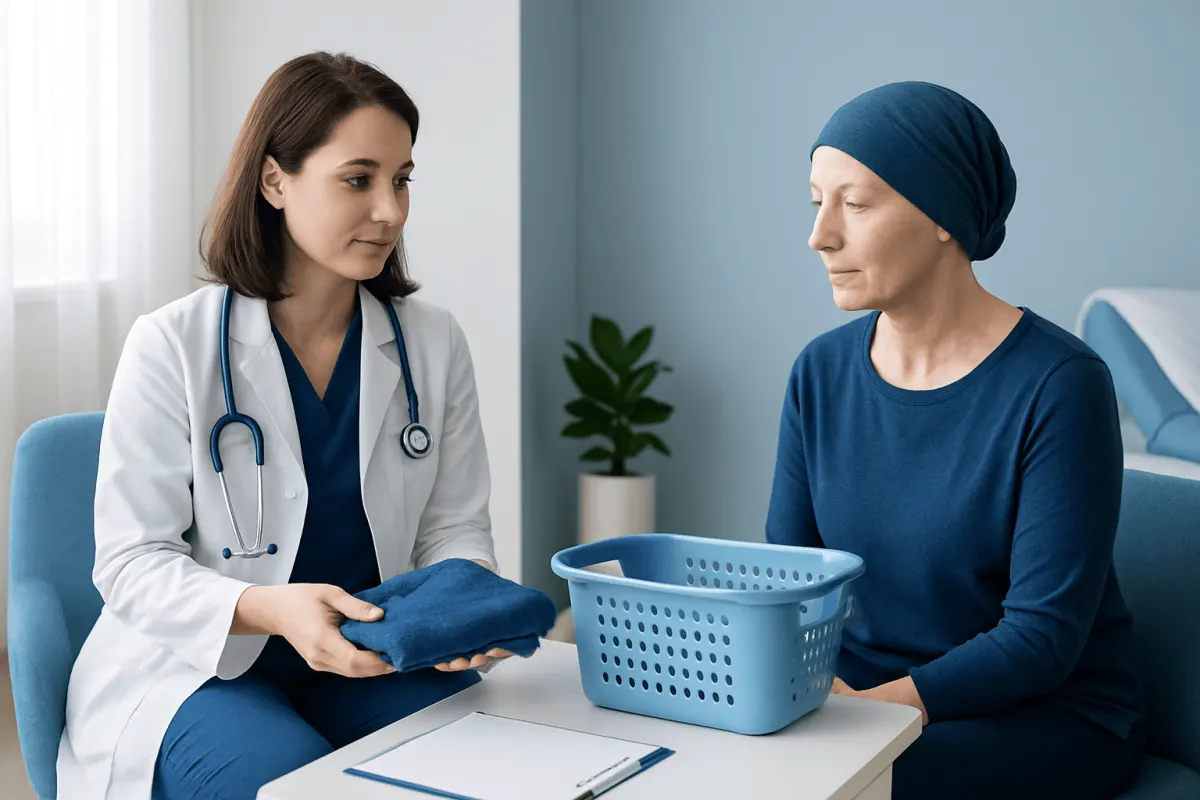
There is generally no need to separate all laundry from the household wash simply because a person is receiving chemotherapy. However, clothing or linens that have urine, stool, vomit, blood, or other body fluids on them should be handled carefully. If possible, the person receiving chemotherapy can place soiled items directly into a washable bag or laundry container.
Caregivers may wear disposable gloves when touching visibly contaminated laundry, then remove the gloves and wash their hands thoroughly with soap and water. Avoid shaking soiled fabrics, as this can spread particles. Wash the items separately using regular detergent and the warmest water recommended for the material, then dry them completely according to the garment label.
If an item cannot be washed promptly, keep it in a closed plastic bag or designated container away from food-preparation areas. Wash hands after handling it. The oncology nurse or pharmacist can give more specific instructions because some chemotherapy medicines, high-dose regimens, and medicines taken at home may require individualized precautions.
- Use gloves for visibly soiled laundry or cleanup.
- Wash contaminated items separately when feasible.
- Clean the washer with an empty cycle if the item was heavily contaminated.
- Do not share towels or washcloths that are visibly soiled.
Can you touch chemo patients' clothes?
Yes. It is usually safe to touch a chemotherapy patient’s clean clothes, sit beside them, hug them, and provide day-to-day support. Chemotherapy is not contagious, and a person cannot pass cancer or routine chemotherapy exposure to another person through casual contact.
The main exception is direct contact with body fluids or items visibly soiled with body fluids shortly after treatment. In that situation, wearing gloves and washing hands afterwards are sensible steps. People who are pregnant, breastfeeding, trying to conceive, or have a weakened immune system may wish to ask the oncology team for tailored advice before cleaning up body fluids.
These measures are about limiting avoidable contact with medication traces, not isolating the patient. Emotional and practical support remain important parts of the chemotherapy recovery process. Household members should not avoid normal affection or conversation because of chemotherapy treatment.
Bathroom hygiene: how long to clean a toilet after chemo?
Many cancer centers advise extra bathroom hygiene for about 48 hours after chemotherapy, though the recommended period may differ depending on the treatment. During this time, it is helpful for the person receiving chemotherapy to close the toilet lid before flushing and wash their hands carefully after using the bathroom.
If possible, the toilet should be flushed twice after use during the precaution period. Clean any visible splashes promptly using household cleaner, while wearing disposable gloves. The toilet seat, flush handle, and nearby surfaces can be cleaned regularly, especially if a bathroom is shared.
If a person is receiving continuous chemotherapy, oral chemotherapy, or a regimen with special handling instructions, the team may recommend a different approach. It is best to ask the oncology nurse exactly how long precautions should continue after each cycle and whether separate bathroom arrangements are needed. In most homes, they are not required.
Rest and recovery after chemotherapy
There is no single number of days that everyone should rest after chemotherapy. Some people feel tired for one or two days, while others need longer to recover, particularly after the first cycle or when several treatments are combined. Energy levels can also change over the course of a treatment plan.
Rest is important, but complete bed rest is not usually necessary unless a clinician recommends it. Short periods of gentle movement, such as walking around the home or stretching, may help with sleep, mood, stiffness, and fatigue when the person feels able. Activity should be adjusted to symptoms and stopped if it causes dizziness, shortness of breath, pain, or extreme exhaustion.
Planning fewer commitments around treatment days can make recovery more manageable. Eating regular meals as tolerated, drinking fluids if permitted, accepting help with chores, and keeping a record of side effects can help the oncology team provide support. Cancer treatment plans may include chemotherapy care alongside surgery, radiation, targeted therapy, or immunotherapy, so recovery needs can vary widely.
What is the hardest day after chemo?
The hardest day after chemotherapy is different for each person and depends on the medicines, treatment schedule, and individual response. Some people experience nausea, tiredness, or headache on the day of infusion or the following day. Others notice that fatigue or digestive symptoms are stronger several days later.
For many regimens, blood cell counts may fall approximately one to two weeks after treatment. This period is sometimes called the nadir and may be when infection risk is higher, although timing differs between treatments. The care team will explain when blood tests are needed and what symptoms require urgent contact.
Keeping a simple symptom diary can reveal patterns across cycles. It may include fatigue, appetite, sleep, bowel changes, temperature readings if advised, pain, and medicines taken. Reporting side effects early gives the oncology team an opportunity to adjust supportive treatment and help a person stay as comfortable and safe as possible.
Chemotherapy reverse isolation and when to seek medical care
Chemotherapy reverse isolation refers to precautions designed to protect a person with low immunity from infections, rather than to protect others from the patient. It may be recommended when white blood cell counts are very low or in particular hospital settings. Measures can include careful hand hygiene, avoiding people who are unwell, food-safety guidance, and following the team’s advice about crowds or travel.
Patients should contact their oncology team urgently if they develop a fever at or above the temperature threshold they were given, chills, new confusion, trouble breathing, chest pain, severe vomiting or diarrhea, inability to keep fluids down, unusual bleeding, or signs of infection such as redness or drainage around a catheter or port. Fever during chemotherapy can need prompt assessment, even when other symptoms seem mild.
For non-urgent concerns about laundry, clothing, nausea, tiredness, or self-care, the oncology nurse can provide practical guidance. Acıbadem Health Point’s multidisciplinary specialists and JCI-accredited hospitals support international patients receiving cancer diagnosis and treatment. Individualized instructions remain essential because every treatment regimen is different.
Frequently asked questions
01Do chemotherapy drugs stay on clothing?
Small amounts of some chemotherapy medicines may be present on clothing if it is contaminated with body fluids, particularly shortly after treatment. Clean clothing is generally safe to touch and does not require special handling. Visibly soiled items should be washed carefully according to the oncology team’s instructions.
02Should chemotherapy clothes be washed separately?
Routine clean laundry does not always need to be washed separately. Clothes or bedding with urine, stool, vomit, blood, or other body fluids should preferably be washed separately using detergent and the warmest suitable water setting. Gloves can be used when handling visibly contaminated items.
03How many days should I rest after chemotherapy?
There is no fixed number of rest days after chemotherapy. Some people return to usual activities quickly, while others need several days or longer because of fatigue or other side effects. The safest approach is to pace activity, prioritize sleep, and follow advice from the treating oncology team.
04Can family members sleep in the same bed as someone receiving chemotherapy?
In most cases, yes. Normal household contact and sharing a bed are generally safe. If bedding is visibly soiled with body fluids, it should be handled with gloves if possible and washed promptly.
05Do I need a special chemotherapy procedure gown?
A hospital may provide a gown for treatment access, particularly when a port, chest area, or arm vein needs to be reached. At home, special garments are optional. Loose, comfortable clothing with easy access to the treatment site is usually enough.
06When should a person on chemotherapy call their doctor?
They should call promptly for fever according to the care team’s stated threshold, chills, breathing problems, severe or persistent vomiting or diarrhea, unusual bleeding, or possible infection. It is better to contact the oncology team early rather than wait for symptoms to worsen.
This article is for general information only and is not a substitute for professional medical advice. Please consult a qualified doctor about your individual situation.
Oncology care in Turkey — second opinion and treatment plan
JCI-accredited · board-certified surgeons · reply within 24h
Add us as a Preferred Source to see more of our trusted health content across Google Search, AI Overviews and Discover.