Chemo Rash During Treatment: Symptoms and Care
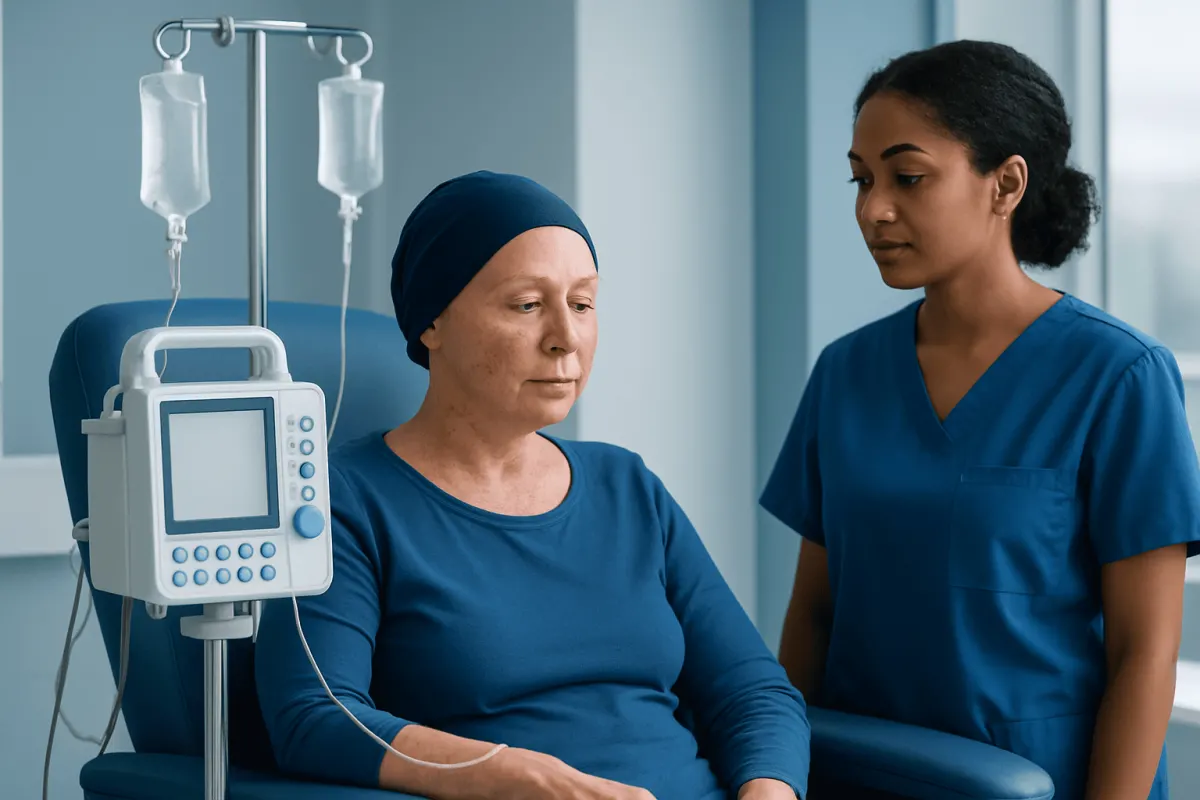
Chemo rash is a broad term for skin changes that can occur during chemotherapy, targeted therapy, immunotherapy, or supportive cancer medicines. Many rashes are manageable, but any new or worsening rash should be shared promptly with the oncology team because the cause and safest treatment can vary.
What Is a Chemo Rash?
A chemo rash is a general term for a skin reaction that develops during cancer treatment. It may occur with traditional chemotherapy, targeted treatments, immunotherapy, hormone therapy, radiation, or medicines used alongside treatment, such as antibiotics, anti-nausea medicines, pain relievers, or growth-factor injections. The rash can range from mild dryness and itching to more visible red, tender, or acne-like areas.
Many skin reactions are temporary and improve with supportive care or changes directed by the oncology team. However, a rash should not be ignored or self-diagnosed. Cancer treatment can affect the skin barrier and the immune system, and some rashes may indicate an infection, a medication allergy, or a reaction that requires prompt treatment.
The term does not describe one specific condition. A clinician will usually consider the treatment being used, when the rash began, where it appears, whether it is painful or itchy, and whether there are symptoms such as fever or mouth sores. This information helps distinguish a common treatment-related effect from a more urgent problem.
What Can a Chemo Rash Look and Feel Like?
Chemo rash can appear differently from person to person. Some people develop dry, flaky, sensitive skin or patches of redness. Others notice small bumps, pimples, pustules, or a rash that resembles acne. In people with darker skin tones, inflammation may appear as darker, purple, gray, or deeper brown areas rather than bright red.
Common symptoms include itching, burning, stinging, tenderness, tightness, scaling, or peeling. The skin may be more sensitive to soaps, fragrances, sunlight, adhesive dressings, or friction from clothing. Changes can arise on the face, scalp, chest, back, hands, feet, skin folds, or throughout the body, depending on the cause.
Some cancer medicines cause characteristic patterns. For example, certain targeted therapies can cause an acne-like eruption on the face and upper body, while some chemotherapy medicines can contribute to redness and soreness of the hands and feet. Radiation can cause skin changes limited to the treated area. The appearance alone is not enough to identify the cause, so photographs and a symptom record can be useful for the care team.
- Mild changes: dryness, mild itching, limited redness, or small areas of peeling.
- More concerning changes: painful skin, open sores, pus-filled bumps, extensive peeling, blisters, or a rapidly spreading rash.
- Possible allergy signs: hives, swelling of the lips or face, wheezing, or trouble breathing.
Common Causes and Related Conditions
Traditional chemotherapy affects rapidly dividing cells. Although its main purpose is to treat cancer, it can also affect cells involved in normal skin renewal, making skin drier, more fragile, or slower to heal. A rash may begin during a treatment cycle or days to weeks after a medicine is started. The oncology team can review the medication schedule to assess whether there is a likely connection.
Targeted therapies and immunotherapies can produce different skin effects. Some targeted medicines alter signaling pathways that are important for skin and hair follicles, leading to acne-like eruptions, dryness, nail changes, or itching. Immunotherapy activates immune responses against cancer and can sometimes trigger inflammation in the skin, including eczema-like or psoriasis-like rashes. These reactions require clinical assessment because treatment may differ depending on severity.
Not all rashes are directly caused by anti-cancer treatment. Infections may be more likely when immunity is reduced, while contact dermatitis can result from adhesives, topical products, laundry products, or medical devices. Shingles, fungal infections, heat rash, and flare-ups of eczema or psoriasis are other possibilities. A rash after radiation may be related to radiation dermatitis, particularly when it remains within the radiation field.
Occasionally, medicines given to prevent or treat treatment complications cause the reaction rather than the Breast Cancer Therapy: How It Works, Results and What to Expect" class="ahp-ilk">cancer therapy itself. Because medication allergies can become more severe with repeat exposure, patients should tell their team about all prescribed medicines, over-the-counter products, supplements, and new topical skin products they are using.
How Doctors Assess a Rash During Cancer Treatment
Assessment begins with a careful history and skin examination. The clinician may ask when the rash started, whether it appeared after an infusion or a new medication, how quickly it is changing, and whether it is itchy, painful, or associated with fever. They will also ask about recent sun exposure, skin products, dressings, travel, sick contacts, and prior skin conditions.
Photographs taken in good light can help show how the rash changes between appointments. Patients should avoid applying makeup or new creams immediately before an examination if possible, unless the skin needs a prescribed treatment. The clinician may check the mouth, eyes, nails, scalp, and other skin areas because these findings can provide important clues.
Testing is not always needed. If infection is suspected, clinicians may take a swab or order blood tests. In selected cases, a dermatologist may examine the skin, perform a biopsy, or recommend allergy-related evaluation. This process is especially useful when the diagnosis is uncertain, the rash is persistent, or there are blisters, ulcers, significant pain, or widespread inflammation.
Patients should not stop chemotherapy, targeted therapy, or immunotherapy on their own because this can affect the treatment plan. The oncology team may recommend monitoring, prescribe skin treatment, adjust supportive medicines, delay a dose, or modify therapy when medically appropriate.
Treatment Options and Everyday Skin Care
Treatment depends on the type and severity of the rash. Mild dryness or irritation may improve with a fragrance-free moisturizer, gentle cleanser, short lukewarm showers, and loose, soft clothing. Applying moisturizer regularly, including soon after bathing, can support the skin barrier. A clinician or pharmacist can help identify products that are suitable for sensitive skin during treatment.
For more symptomatic rashes, the care team may recommend prescription creams, anti-itch medicine, antibiotics when infection is present or likely, or other treatments tailored to the cause. Acne-like eruptions related to targeted therapies often need a specific plan rather than standard acne products, which can be too drying or irritating. If a reaction is severe, the cancer treatment plan may need temporary adjustment under close medical supervision.
Sun protection is important because some treatments increase photosensitivity. Patients can seek shade, wear protective clothing, and use a broad-spectrum sunscreen if their oncology team confirms it is appropriate for their skin and treatment. They should avoid tanning beds, exfoliating scrubs, fragranced products, alcohol-based toners, and unprescribed medicated creams unless advised otherwise.
Skin that is cracked, weeping, blistered, or infected needs medical guidance. It is best not to pick at bumps, squeeze pustules, or cover an extensive rash with heavy occlusive products. For people experiencing complex cancer-treatment skin effects, dermatology care can be an important part of supportive cancer care.
When to Seek Medical Care
Patients should contact their oncology team promptly for any new rash during active cancer treatment, even if it seems mild. Early advice can relieve symptoms and help prevent a manageable reaction from becoming more uncomfortable. The team may ask for photographs and may recommend an in-person assessment depending on the symptoms.
Urgent medical care is needed for a rash with fever, chills, feeling very unwell, rapidly spreading redness, severe pain, pus, open sores, or red streaks. These can be signs of infection or significant inflammation, particularly in people whose white blood cell count may be low. A painful rash with blisters, skin peeling, or sores in the mouth, eyes, or genital area also needs urgent evaluation.
Emergency care is appropriate if hives occur with swelling of the face, lips, tongue, or throat; difficulty breathing; wheezing; faintness; or chest tightness. These symptoms can indicate a serious allergic reaction. Patients should follow their local emergency guidance and inform emergency clinicians that they are receiving cancer treatment.
Acıbadem Health Point’s multidisciplinary specialists and JCI-accredited hospitals can assess cancer-treatment side effects for international patients, coordinating oncology and skin care when needed. Ongoing communication with the treating cancer team remains essential throughout evaluation and treatment.
Practical Steps for Tracking and Preventing Worsening
While not every chemo rash can be prevented, proactive skin care can reduce irritation. Patients can use a simple routine with mild, fragrance-free products and avoid introducing several new products at once. Keeping the skin cool, dry, and protected from friction may be helpful, particularly in skin folds, under medical dressings, and on the hands and feet.
A short symptom diary can make clinical decisions easier. It can include the date the rash began, its location, symptoms, photos, new medicines or products, and whether it changes after treatment sessions. It is also helpful to record what has been applied to the skin and whether it improved or worsened symptoms.
Patients should ask the oncology team before using herbal preparations, essential oils, topical antibiotics, steroid creams, or strong acne treatments. “Natural” products can still cause irritation or allergic contact dermatitis. Individual advice is especially important for people receiving radiation, immunotherapy, or medicines known to affect the skin.
Rashes can be physically uncomfortable and emotionally difficult, particularly when visible. Bringing concerns up early is appropriate and useful. Supportive care is part of cancer treatment, and symptom management can help patients continue daily activities more comfortably.
Frequently asked questions
01How long does a chemo rash last?
The duration depends on the medicine involved, the type of rash, and the treatment used. Some mild skin changes improve within days or weeks, while others may persist for as long as the triggering treatment continues. The oncology team can provide a more individualized expectation after assessing the rash.
02Can chemotherapy cause an acne-like rash?
Yes. Acne-like bumps are more commonly associated with some targeted cancer therapies, but skin eruptions can occur with different cancer treatments. These bumps should not be treated as ordinary acne without medical advice, because usual acne products may worsen dryness and irritation.
03Should a patient stop cancer treatment if a rash develops?
Patients should not stop or delay cancer treatment without instructions from their oncology team. The team will assess the severity and cause of the rash and decide whether supportive care, closer monitoring, or an adjustment to treatment is needed. Prompt reporting helps make this decision safely.
04Is a chemo rash contagious?
A treatment-related rash itself is not contagious. However, a rash can sometimes be caused by an infection, such as shingles or a fungal infection, which may require precautions. A clinician can determine the likely cause and advise on contact with others.
05What should a patient avoid putting on a chemo rash?
It is generally wise to avoid fragranced lotions, harsh soaps, scrubs, peeling products, essential oils, and unprescribed medicated creams. Patients should also avoid picking or squeezing bumps and should check with the oncology team before trying over-the-counter treatments. Gentle, fragrance-free products are often better tolerated.
06Can a chemo rash be a sign of an allergy?
It can be, particularly if the rash occurs soon after a medicine or infusion and is accompanied by hives, swelling, wheezing, dizziness, or breathing difficulty. These symptoms require urgent medical attention. Other rashes may reflect irritation, immune activation, infection, or expected treatment-related skin effects rather than allergy.
This article is for general information only and is not a substitute for professional medical advice. Please consult a qualified doctor about your individual situation.
Hair transplant in Turkey — costs, graft counts & a free assessment
JCI-accredited · board-certified surgeons · reply within 24h
Add us as a Preferred Source to see more of our trusted health content across Google Search, AI Overviews and Discover.