Chemo Mouth: Why Chemotherapy Causes Sores and Dryness
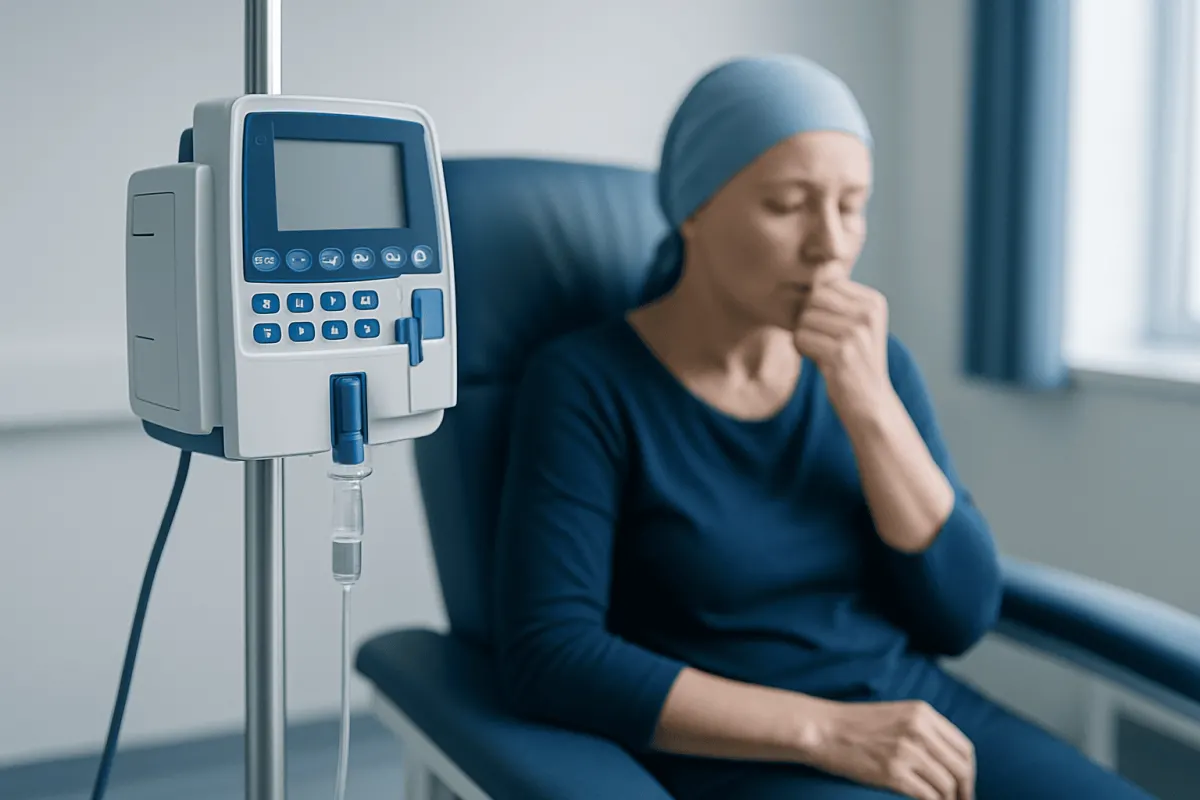
Does your mouth feel raw, dry or strangely metallic since starting chemotherapy? You are not imagining it, and you are not alone. “Chemo mouth” is a common term for the mouth and throat changes that can occur during chemotherapy — soreness, ulcers, dry mouth, infections and altered taste.
The good news: these symptoms are often temporary. And the sooner you tell your cancer care team what you are feeling, the sooner eating, drinking and daily mouth care can be made more comfortable.
Chemo Mouth: What It Is and How It Works
Chemo mouth is an informal term for mouth-related side effects caused by chemotherapy. It may involve a sore or inflamed mouth, ulcers, dry mouth, changes in taste, gum irritation or infections such as oral thrush. Clinicians often use the term oral mucositis when chemotherapy causes inflammation and breakdown of the lining of the mouth and, sometimes, the throat.
Chemotherapy medicines are designed to target rapidly dividing cancer cells. However, some healthy cells also divide quickly, including cells that line the mouth and digestive tract. When these cells are temporarily damaged, the mouth lining can become thinner, more sensitive and less able to repair itself. A lowered white blood cell count may also make infections more likely.
Not every person receiving chemotherapy develops chemo mouth. Risk depends on the medicines used, their schedule, the total treatment plan, previous mouth health, nutrition, hydration and whether radiation therapy to the head or neck is also being given. Symptoms can range from mild sensitivity to pain that interferes with eating and drinking.
Symptoms and Timing: Chemo Mouth How Long Does It Last?
Chemo mouth symptoms may start several days after a treatment cycle. They often become most noticeable about one to two weeks after chemotherapy, when mouth tissues and blood cell counts may be at their lowest. The pattern varies considerably because each chemotherapy medicine, dose schedule and individual recovery process is different.
Symptoms may improve as the mouth lining heals and blood counts recover before the next treatment cycle. For many people, this occurs over days to a few weeks, although symptoms can return with later cycles. Persistent dry mouth or taste changes may last longer, particularly when chemotherapy is combined with head and neck radiation.
- Redness, tenderness or burning in the mouth or throat
- Small sores, ulcers or cracked lips
- Dryness, thick saliva or difficulty swallowing
- Changes in taste, including a metallic taste
- White patches, which may suggest thrush
- Bleeding gums or pain when brushing teeth
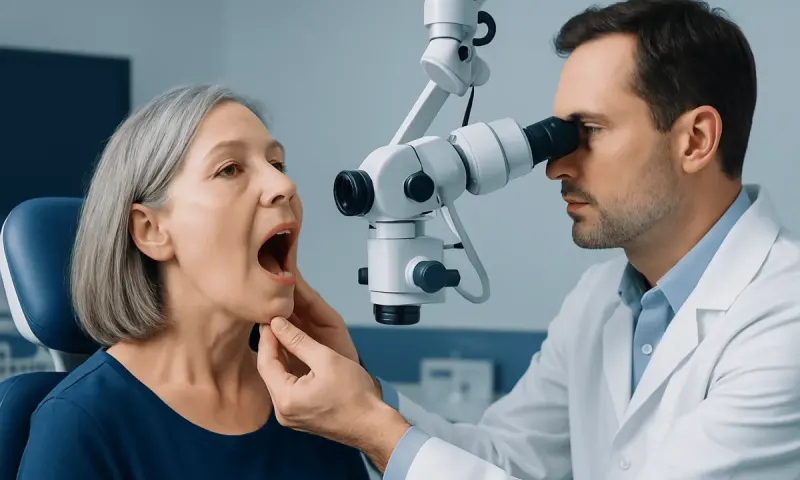
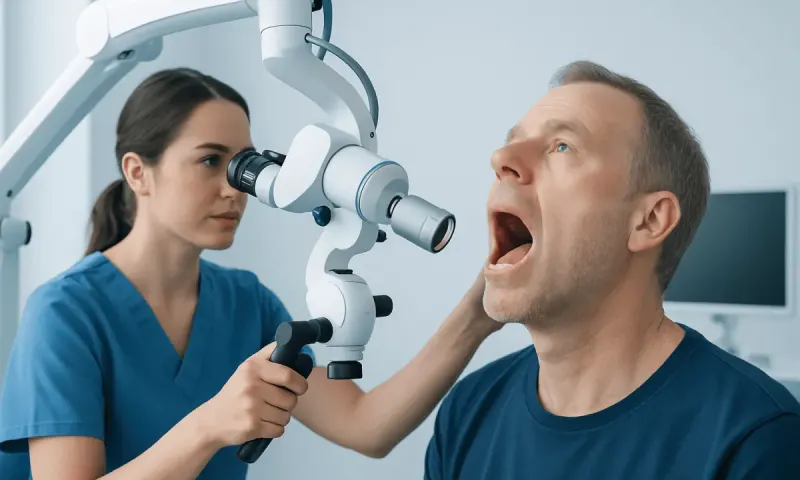
Tell your team about even mild symptoms early. They can look inside your mouth, rule out infection and start supportive care before the discomfort becomes harder to manage.
Who Is More Likely to Develop Chemo Mouth?

Anyone receiving chemotherapy can develop oral side effects, but risk is higher with some treatment regimens and with intensive treatment. People receiving chemotherapy for blood cancers, stem cell transplantation conditioning or combined chemotherapy and head or neck radiation may need especially close mouth monitoring.
Existing dental problems, gum disease, poorly fitting dentures, smoking, alcohol use, dehydration and poor nutritional intake can also increase irritation. Diabetes, reduced immune function and medicines that reduce saliva production may contribute to dryness or infection risk.
Before treatment starts, a dental assessment may be advised when time allows. Treating active dental infections and establishing a gentle daily oral-care routine can lower avoidable risks. Patients should always tell their oncology team about loose teeth, dental pain, dentures and any planned dental procedure, as invasive dental treatment may need to be timed around blood count recovery.
Chemo Mouth Treatments and Daily Mouth Care
Chemo mouth treatments depend on the symptom and its severity. The care team may recommend pain-relieving medicines, protective gels, saliva substitutes, antifungal treatment for thrush, antiviral treatment in selected cases or a medicated rinse. They may also review chemotherapy timing or supportive medicines if symptoms are severe. Treatment should be individualized rather than self-prescribed.
A simple chemo mouth rinse is often part of supportive care. The oncology team may suggest gentle saltwater or salt-and-baking-soda rinses, prepared according to their instructions. These rinses can help keep the mouth clean and comfortable. Alcohol-containing mouthwashes, strongly flavored products and products containing peroxide may sting or dry the tissues and are often unsuitable during mucositis.
Daily care usually includes brushing gently with a soft toothbrush, using a mild toothpaste if tolerated, rinsing after meals and keeping lips moisturized. Flossing may be continued only if it does not cause bleeding and the care team considers it safe, particularly when blood counts are low. Dentures should be cleaned carefully and removed at night if recommended.
Please check with your oncology team before using any over-the-counter numbing product, herbal remedy or antiseptic rinse. Some of them irritate damaged tissue, interact with your medicines, or hide symptoms a doctor needs to see.
Chemo Mouth: What to Eat and Drink
When the mouth is sore, the goal is to maintain fluids, calories and protein while avoiding foods that sting, scratch or worsen dryness. Small, frequent meals can feel more manageable than large meals. A dietitian can help if weight loss, swallowing difficulty or poor appetite develops.
Many people tolerate cool or room-temperature foods best. Examples include yogurt, smoothies, soft scrambled eggs, mashed vegetables, oatmeal, soups that are not hot, tender fish, soft pasta and well-cooked cereals. Adding sauces, broth or gravy may make foods easier to swallow. Using a straw may help some people, although it can be uncomfortable for others depending on where sores are located.
Foods and drinks that commonly aggravate sores include spicy foods, citrus, tomatoes, vinegar, salty snacks, hard crusts, raw crunchy vegetables, alcohol and very hot foods or beverages. Acidic or sugary drinks can also irritate the mouth and affect teeth. Water, milk if tolerated, and non-acidic nourishing drinks may be easier choices.
If eating or drinking is becoming hard, call your cancer team without waiting. They can treat the pain, deal with dehydration and nutrition, and bring in oncology dietitians, dentists, oral medicine specialists or swallowing therapists when that helps.
What Are the Hardest Days After Chemo?
The hardest days after chemotherapy are not the same for everyone. Many people feel relatively well immediately after an infusion and notice fatigue, nausea, bowel changes, mouth soreness or changes in appetite over the following days. For some chemotherapy schedules, mouth symptoms and low blood counts are most likely around one to two weeks after treatment.
The oncology team can explain the expected pattern for the specific chemotherapy regimen. Keeping a brief symptom record, including mouth pain, food and fluid intake, temperature and bowel symptoms, can help the team identify when extra support may be needed.
Try not to measure your cycle against someone else’s. Side effects can differ even from one of your own cycles to the next, and supportive treatments can be adjusted. Speaking up early is one of the simplest ways to protect your comfort, your nutrition and the treatment schedule itself.
Is Chemo Painful?
Chemotherapy itself is usually not painful once the intravenous line, port or injection has been placed, although some medicines can cause temporary burning or discomfort during administration. Nurses monitor closely and should be told immediately about pain, stinging, swelling or redness around an infusion site.
Some chemotherapy side effects can be painful, including chemo mouth, nerve pain, muscle aches or bone pain related to supportive treatments. Pain is not something you should just put up with. The cancer team can assess its cause and provide options to relieve it safely.
If mouth pain prevents brushing, eating, drinking or sleeping, early treatment is especially important. Pain control may need to be combined with mouth rinses, infection treatment and nutrition support for the best relief.
How Long Does It Take to Recover From Chemo?
Recovery from chemotherapy depends on the treatment type, duration, dose intensity, cancer being treated and a person’s overall health. Short-term effects such as fatigue, nausea and mouth soreness may improve between cycles or within weeks after treatment ends. Other changes, such as tiredness, altered taste, numbness or emotional adjustment, can take months or occasionally longer to improve.
Recovery is usually gradual rather than immediate. Rest, regular movement as tolerated, nutritious food, hydration, sleep and follow-up appointments all support recovery. The healthcare team may monitor blood counts, organ function, nutrition and lingering symptoms during and after treatment.
Get in touch with your clinical team if symptoms are getting worse instead of better, or if something new appears after chemotherapy. Follow-up care is tailored to you, so bring up any ongoing concern without delay.
Frequently asked questions
01Can you live a normal life during chemo?
Many people continue parts of their usual routine during chemotherapy, including work, family life, gentle exercise and social activities when they feel well enough. However, energy levels and infection risk can vary from day to day, so flexibility is important. The oncology team can offer practical advice based on the treatment plan, blood counts and individual symptoms.
02What is the best chemo mouth rinse?
The best chemo mouth rinse depends on the symptoms and the person’s treatment plan. A cancer care team may recommend a gentle saltwater or salt-and-baking-soda rinse, or prescribe a medicated rinse for pain or infection. Alcohol-containing mouthwash is often avoided because it can sting and dry an already sensitive mouth.
03Should someone see a dentist during chemotherapy?
A dental check before chemotherapy may be useful, especially when there are untreated dental problems or gum disease. During chemotherapy, dental work should be coordinated with the oncology team because low blood counts can increase bleeding and infection risks. Urgent dental pain, swelling or suspected infection should always be reported promptly.
04Can chemo mouth be prevented?
It cannot always be prevented, but good oral care can reduce risk and severity. Starting gentle brushing, regular rinsing, hydration and dental care before treatment can be helpful. The oncology team may recommend additional preventive measures for people receiving treatments known to cause significant mouth problems.
05When should someone seek medical care for chemo mouth?
Medical advice is needed promptly for fever, chills, mouth swelling, white patches, uncontrolled pain, bleeding, inability to swallow fluids or signs of dehydration such as dizziness or very little urine. These symptoms may indicate infection or a need for stronger supportive care. People receiving chemotherapy should use the urgent contact number provided by their oncology team.
06Does chemo mouth mean chemotherapy is not working?
No. Chemo mouth is a treatment side effect and does not show whether chemotherapy is or is not controlling the cancer. Its severity also does not reliably predict treatment results. The oncology team assesses treatment response using the appropriate examinations, blood tests and imaging studies.
This article is for general information only and is not a substitute for professional medical advice. Please consult a qualified doctor about your individual situation.
Persistent digestive symptoms? Get evaluated in Turkey
JCI-accredited · board-certified surgeons · reply within 24h
Add us as a Preferred Source to see more of our trusted health content across Google Search, AI Overviews and Discover.