Chemo Cannabis for Nausea, Appetite Loss and Pain
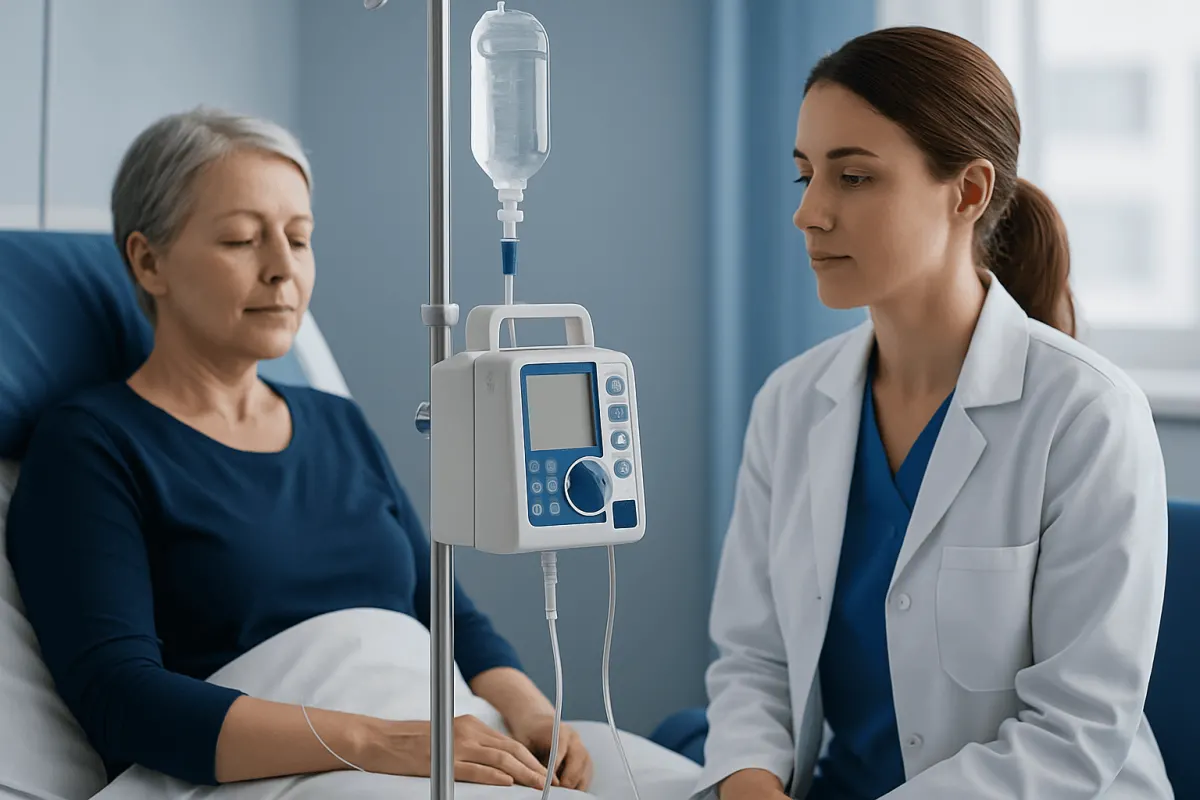
Chemo cannabis refers to the supervised use of cannabis-based medicines or cannabis products to help manage certain symptoms related to chemotherapy. It may be useful for selected patients, particularly for difficult nausea and vomiting, but it is not a cancer treatment and should be discussed with the oncology team before use.
Chemo Cannabis: What It Is and How It Works
Chemo cannabis describes the use of cannabis-based medicines or cannabis products by people receiving chemotherapy, usually to ease treatment-related symptoms such as nausea, vomiting, reduced appetite, pain, anxiety or sleep disruption. Some cannabis-derived medicines have a recognised role in managing chemotherapy-induced nausea and vomiting when standard anti-sickness medicines have not provided enough relief. Cannabis itself does not treat cancer or replace an oncology treatment plan.
Cannabis contains many active compounds, called cannabinoids. The best-known are tetrahydrocannabinol (THC), which can cause intoxication or a “high,” and cannabidiol (CBD), which does not usually cause intoxication. These compounds act on parts of the body’s endocannabinoid system, including pathways involved in nausea, appetite, pain perception, mood and sleep. Their effects vary considerably between people and products.
For cannabis chemotherapy decisions, the most important starting point is a conversation with the treating oncologist. The team can review current symptoms, anti-nausea medicines, other prescriptions, liver and kidney function, mental health history and the legal status of cannabis-based products where the person lives. This helps ensure symptom control is effective without compromising safety.
Potential Benefits, Limits and the Role of THC
The strongest clinical role for cannabinoid medicines in cancer care is generally as an additional option for chemotherapy-induced nausea and vomiting that has not responded adequately to usual antiemetic treatment. For some people, improving nausea control can also make it easier to eat, drink and continue planned cancer treatment. Evidence for other symptoms, including chronic cancer pain, appetite loss, insomnia and anxiety, is less consistent and depends on the specific product and clinical situation.
Chemo THC percentage is not a reliable guide to whether a product is appropriate or effective. A higher THC concentration does not necessarily mean better nausea or pain relief, but it can increase the chance of dizziness, impaired concentration, anxiety, rapid heartbeat, excessive sedation and distressing perceptual effects. Product labels may also be inaccurate or incomplete in unregulated markets.
CBD is sometimes promoted as a gentle alternative, but it can still cause side effects and affect how the body processes medicines. Both THC and CBD may interact with prescribed drugs, including some anticancer treatments, blood thinners, sedatives and medicines used for seizures or mental health conditions. Patients should not assume that a natural product is automatically harmless.
- Possible benefits: reduced difficult nausea or vomiting, improved appetite in some people and symptom relief when other options are insufficient.
- Important limits: variable evidence, unpredictable effects and potential medicine interactions.
- Key principle: use only as part of a coordinated supportive-care plan with the cancer team.
Who May Be a Candidate for Chemo Cannabis?
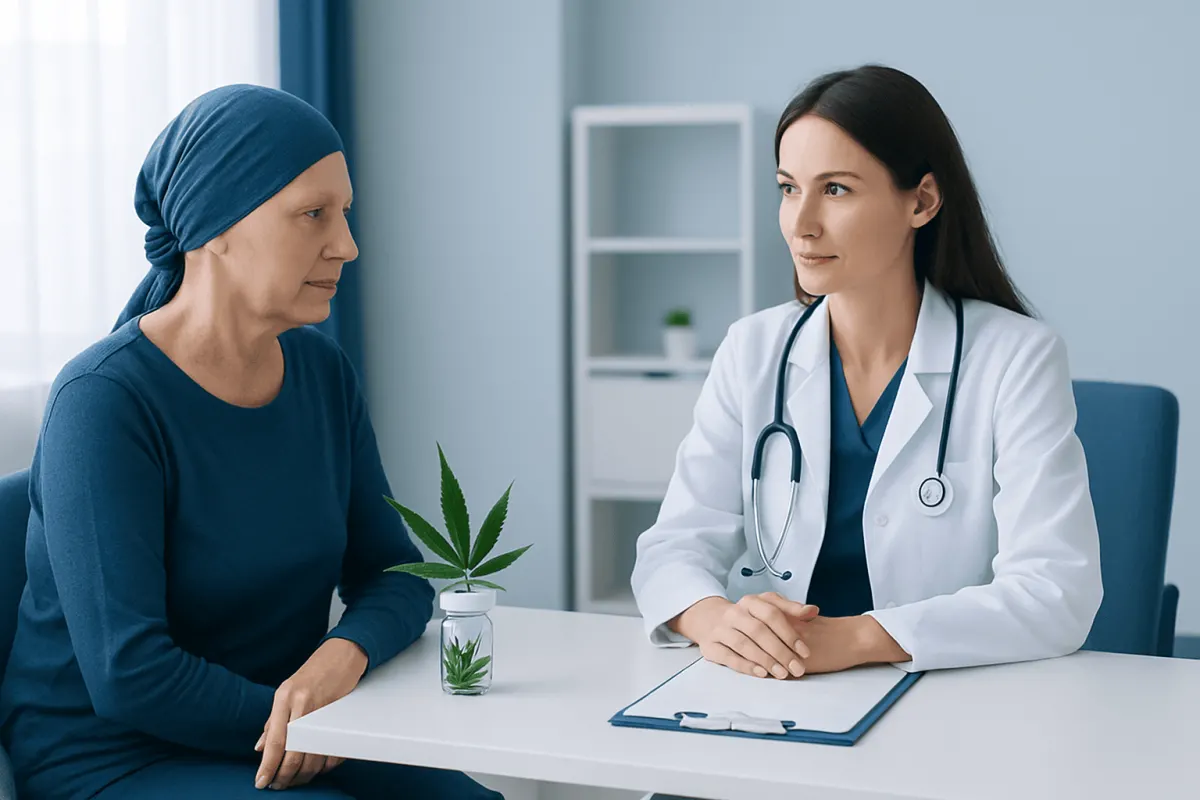
Cannabis-based treatment may be considered for adults receiving chemotherapy who have persistent nausea and vomiting despite appropriately selected standard medicines. In certain circumstances, a clinician may discuss it for other troublesome symptoms after assessing likely benefits, risks and available alternatives. Suitability is individual and depends on the cancer type, treatment regimen, symptoms, medical history and local regulations.
Extra caution is needed in people with a personal or family history of psychosis, severe anxiety, problematic substance use, unstable heart disease, significant liver impairment or cognitive difficulties. Pregnancy and breastfeeding are also situations where cannabis products should generally be avoided unless a specialist provides specific advice. Older adults may be more vulnerable to falls, confusion and medication-related sedation.
Smoking or vaping cannabis is generally not preferred during cancer treatment. It can irritate the lungs, and inhaled products may be especially unsuitable for people with low white blood cell counts, lung disease or infection risk. If a clinician recommends a cannabinoid medicine, regulated oral or oromucosal formulations may offer more predictable dosing than unregulated products.
What to Expect: Assessment, Starting Treatment and Monitoring
There is no single chemo cannabis procedure. Instead, treatment begins with a structured assessment. The oncology or supportive-care team asks about the timing and severity of nausea, vomiting, pain, appetite changes, sleep, current medications and prior cannabis use. They also check whether standard symptom treatments have been optimised, since these remain first-line options for most chemotherapy side effects.
If a cannabis-based medicine is considered appropriate, the prescriber explains the intended symptom target, the type of product, how it is taken, possible side effects and when to contact the care team. Treatment is usually started cautiously and reviewed regularly. The aim is the lowest effective amount that improves a clearly defined symptom without causing troublesome effects.
Patients are often asked to keep a simple symptom record, noting nausea episodes, vomiting, appetite, sleep, dizziness, mood changes and any effect on daily activities. This gives the clinical team practical information for deciding whether to continue, adjust or stop treatment. Cannabis should not be shared with others, mixed with alcohol or used before driving, operating machinery or attending important treatment discussions.
People receiving cancer care may benefit from coordinated input from oncology, pharmacy, nutrition, pain management and psychological support. Acıbadem Health Point’s multidisciplinary specialists and JCI-accredited hospitals can support international patients with cancer treatment planning and symptom management.
Recovery Timeline and Daily Life During Chemotherapy
Recovery from chemotherapy differs widely because treatment plans, cancer types and individual health needs are different. Some effects, such as tiredness, nausea or changes in appetite, may occur in the days after each infusion or treatment cycle. Blood counts can also fall at predictable times depending on the medicines used, which is why the oncology team schedules monitoring and explains infection precautions.
In many cases, symptoms improve before the next cycle, although fatigue can build over several cycles. After chemotherapy ends, some people feel better within weeks, while others need months for energy, appetite, concentration, nerve symptoms or blood counts to recover. Certain effects, such as neuropathy, fertility changes or organ-specific side effects, may persist longer and require follow-up.
A normal life during chemotherapy may still be possible for many people, but it often means adjusting expectations. Some continue work, family roles, gentle activity and social contact between treatment days, while others need more rest or time away from routine responsibilities. Planning around treatment days, accepting practical help, maintaining hydration and nutrition, and reporting symptoms early can make daily life more manageable.
What Are the Worst Days After Chemo?
The worst days after chemo are not the same for everyone, because side effects depend on the medicines, doses and supportive treatments used. For some people, nausea, tiredness, taste changes or bowel changes are most noticeable in the first few days after treatment. Others feel relatively well at first and develop fatigue or low blood counts later in the cycle.
The oncology team can explain the expected pattern for a specific regimen. Keeping a symptom diary helps identify whether symptoms occur immediately after chemotherapy, several days later or throughout the cycle. This information can guide changes to anti-nausea medicines, pain relief, diet advice, rest plans or other supportive care.
Patients should contact their cancer team promptly if symptoms are severe, unexpected or hard to manage. Persistent vomiting, inability to keep fluids down, fever, new shortness of breath, chest pain, confusion, uncontrolled pain or signs of dehydration need timely medical assessment rather than self-treatment with cannabis or other remedies.
Is Chemo Painful?
Chemotherapy itself is not usually painful while it is being infused or administered, although placing an intravenous line or accessing a port can cause brief discomfort. Some medicines can irritate a vein or cause burning, stinging or pain at the injection site. Patients should tell the nurse immediately if this happens, as the infusion may need to be checked or adjusted.
Some chemotherapy medicines can cause side effects that are painful, such as mouth sores, nerve pain, muscle aches, headaches or abdominal discomfort. Not everyone experiences these effects, and many can be prevented or treated with early supportive care. Cannabis may be discussed for selected pain situations, but it is not automatically the safest or most effective choice for every type of cancer-related pain.
Clear communication is important. A person should describe where the pain is, when it began, how strong it is, what makes it better or worse, and whether it is associated with fever, swelling, weakness or new neurological symptoms. These details help the team identify the cause and choose appropriate treatment.
How Long Does It Take to Recover From Chemo and When to Seek Medical Care
How long it takes to recover from chemo depends on the specific treatment and the person’s overall health. Short-term effects may settle between cycles or in the weeks after treatment, while full recovery of stamina can take several months. Regular follow-up allows the oncology team to monitor recovery, address lasting side effects and support a gradual return to usual activities.
Medical care should be sought urgently if a person receiving chemotherapy develops a fever or feels suddenly unwell, especially if the oncology team has warned of low white blood cell counts. Urgent assessment is also important for repeated vomiting, severe diarrhoea, inability to drink, unusual bleeding or bruising, chest pain, breathing difficulty, fainting, severe headache, confusion or a new rash with swelling.
Chemo cannabis should never delay medical evaluation for symptoms that may signal infection, dehydration, a blood clot, an allergic reaction or another treatment complication. Before starting, stopping or changing any cannabis product, patients should speak with their oncologist or oncology pharmacist. This is particularly important when taking multiple medicines or receiving active systemic cancer treatment.
Frequently asked questions
01Can cannabis cure cancer or make chemotherapy work better?
There is no reliable clinical evidence that cannabis cures cancer or should replace established cancer treatments. Some cannabis-based medicines may help selected people manage particular chemotherapy-related symptoms, especially difficult nausea and vomiting. Any use should be coordinated with the oncology team because interactions with cancer medicines are possible.
02What is the best chemo THC percentage?
There is no best chemo THC percentage that is safe or effective for everyone. Higher THC levels can increase unwanted effects such as anxiety, dizziness, impaired thinking and sleepiness. A clinician should assess the specific symptom, product quality, route of use and medication interactions rather than relying on THC percentage alone.
03Can cannabis chemotherapy products be used with anti-nausea medicine?
Sometimes they may be considered alongside standard anti-nausea medicines, particularly when nausea and vomiting remain difficult to control. However, combinations should be reviewed by the oncology team or pharmacist. They can check for added sedation, effects on alertness and potential drug interactions.
04Can you live a normal life during chemo?
Many people can continue important parts of daily life during chemotherapy, though routines often need adjustment. Energy and symptoms can vary across each treatment cycle, so flexible plans, rest and support from family or colleagues can be helpful. The care team can advise about work, exercise, travel and infection precautions for the individual treatment plan.
05Is smoking cannabis safe during chemotherapy?
Smoking cannabis is generally not recommended during chemotherapy because smoke can irritate the airways and lungs. This may be particularly concerning for people with lung conditions, low immunity or an increased risk of infection. If cannabinoid treatment is appropriate, a clinician can discuss safer, regulated alternatives where available.
06How can a patient tell whether cannabis is causing side effects?
New dizziness, excessive sleepiness, confusion, anxiety, palpitations, hallucinations, poor coordination or worsening nausea after using cannabis may indicate a side effect. The product should not be increased without medical advice. The patient should contact the oncology team or pharmacist, especially if symptoms are severe, persistent or interfere with eating, drinking or safety.
This article is for general information only and is not a substitute for professional medical advice. Please consult a qualified doctor about your individual situation.
Persistent digestive symptoms? Get evaluated in Turkey
JCI-accredited · board-certified surgeons · reply within 24h
Add us as a Preferred Source to see more of our trusted health content across Google Search, AI Overviews and Discover.