

Cervical Lymphadenopathy: Causes, Symptoms, Diagnosis and Treatment
- 8 min read
- Published November 25, 2026
Key Takeaways
- Cervical lymphadenopathy is the medical term for enlarged lymph nodes in the neck.
- Infections are the most common cause, but autoimmune conditions and cancers can also be involved.
- The feel, size, location, and duration of the swelling help guide diagnosis.
- Doctors may use examination, blood tests, imaging, or biopsy depending on the situation.
- Many cases improve with treatment of the underlying cause and careful follow-up.
Cervical lymphadenopathy refers to enlarged lymph nodes in the neck, often caused by a temporary infection but sometimes linked to other medical conditions. Understanding the pattern of swelling, associated symptoms, and the timing of evaluation helps patients know when simple observation is reasonable and when medical assessment is needed.
Overview
Cervical lymphadenopathy means that one or more lymph nodes in the neck have become enlarged. Lymph nodes are small immune structures that filter fluid and help the body respond to infection or inflammation. When they react, they may become easier to feel, and sometimes they are tender or visibly swollen.
In everyday practice, this finding is often temporary and related to a viral or bacterial infection in the throat, ears, teeth, scalp, or nearby tissues. In other situations, the swelling reflects an autoimmune condition, a medication reaction, or, less commonly, a more serious illness that needs prompt attention.
For patients deciding where to seek care, the key point is that cervical lymphadenopathy is not a diagnosis by itself. It is a clinical sign that doctors interpret alongside the person’s age, symptoms, exposure history, and the way the swelling changes over time.
Symptoms and What the Swelling May Feel Like
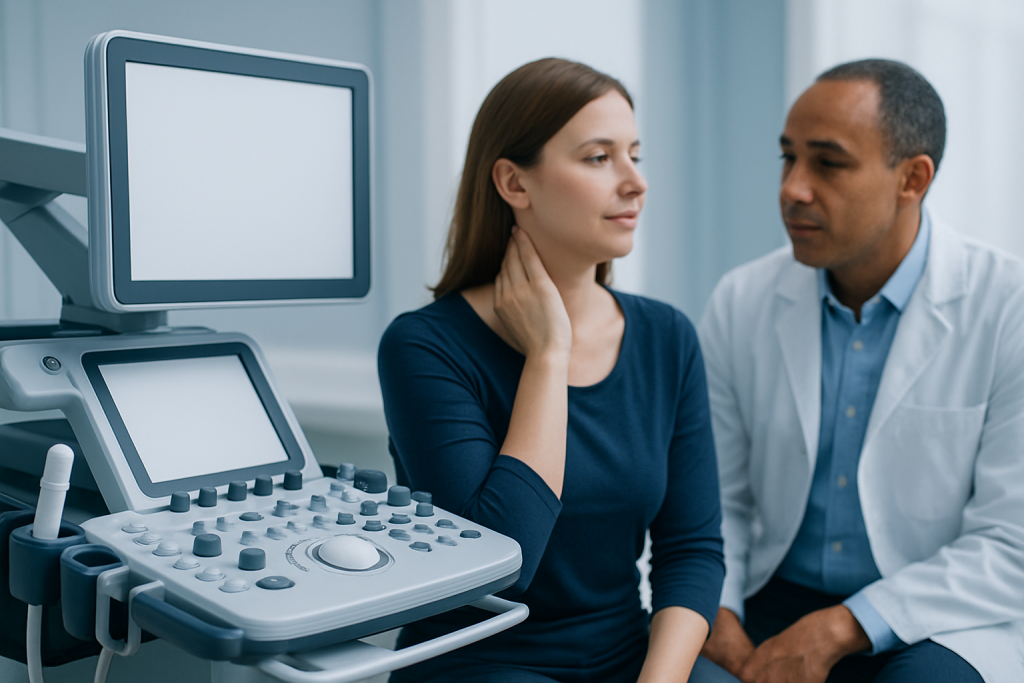
People often notice a lump along the side of the neck, under the jaw, behind the ear, or near the collarbone. The node may be soft or firm, movable or fixed, and it may be tender when touched. Some patients first discover it while recovering from a cold, sore throat, dental problem, or skin infection.
Other symptoms depend on the cause. Fever, sore throat, fatigue, night sweats, weight loss, mouth sores, ear pain, cough, rash, or dental discomfort may provide useful clues. Inflammatory or immune-related causes can also lead to more widespread symptoms, not just neck swelling.
- Tender, mobile nodes often accompany short-term infection.
- Hard, fixed, or steadily enlarging nodes deserve medical review.
- Swelling above the collarbone may need special attention.
- Symptoms lasting more than a few weeks should not be ignored.
Because many different conditions can look similar at first, it is usually not possible to tell the cause from appearance alone. A careful history and physical examination remain essential.
Causes and Risk Factors

Infections are the most frequent reason for cervical lymphadenopathy. Common triggers include viral upper respiratory infections, streptococcal throat infection, ear infections, sinus infections, dental abscesses, mononucleosis, and certain skin infections of the head and neck. In these cases, the lymph nodes are reacting to nearby inflammation or to an infection the body is fighting more generally.
Non-infectious causes also matter. Autoimmune diseases such as lupus or rheumatoid arthritis can produce persistent lymph node enlargement. Some medications may cause lymph node reactions. Less commonly, lymphoma, leukemia, or metastatic cancer can present with cervical lymphadenopathy, especially when swelling is persistent, unexplained, or associated with other concerning signs.
Risk is influenced by age, immune status, travel history, animal exposures, tuberculosis exposure, and the presence of chronic disease. In Myomectomy Recovery for International Patients: The Usual Travel Timeline" class="ahp-ilk">international patients, doctors may also consider recent travel, vaccination history, and whether symptoms began before or after a long journey, because these details can help narrow the possibilities.
Diagnosis
Diagnosis begins with a focused medical history and physical examination. A doctor will usually ask how long the swelling has been present, whether it is painful, whether it changes in size, and whether there are related symptoms such as fever, sore throat, weight loss, or fatigue. The neck is examined for the number of nodes, their size, texture, mobility, and location.
Depending on the findings, further tests may be recommended. Blood tests can look for signs of infection, inflammation, autoimmune disease, or blood disorders. Imaging such as ultrasound is often useful for characterizing a lymph node and deciding whether it appears reactive or suspicious. In some cases, CT or MRI is appropriate, especially when deeper structures need evaluation.
If the swelling is persistent, unexplained, or has concerning features, a biopsy may be advised. This may be a fine-needle aspiration, core biopsy, or surgical biopsy depending on the clinical question. Pathology can distinguish infection-related changes from lymphoma, metastatic disease, or other conditions, which is why tissue sampling is sometimes the most direct route to clarity.
Treatment Options
Treatment depends entirely on the cause. If an infection is responsible, care may include rest, hydration, Period Pain Relief: Causes, Relief and When to Worry" class="ahp-ilk">pain relief, and, when appropriate, antibiotics or other targeted treatment. Viral causes often improve on their own, while bacterial infections or dental sources may require a specific medical or dental intervention.
When an autoimmune condition is the trigger, management focuses on controlling the underlying inflammation under specialist guidance. If the enlarged nodes are related to cancer, treatment plans may include surgery, chemotherapy, radiotherapy, immunotherapy, or a combination, depending on the diagnosis and stage. The node itself is not treated in isolation; the underlying disease drives the plan.
In some cases, a doctor may recommend watchful waiting if the pattern strongly suggests a benign, self-limited cause. This approach is usually paired with a clear follow-up plan so that changes in size, texture, or symptoms are not missed. For patients traveling for care, it is helpful to ensure that test results, images, and pathology reports can be shared smoothly with the next clinician.
Prevention and Self-care
Not every case of cervical lymphadenopathy can be prevented, but general health measures can reduce some common triggers. Good hand hygiene, timely treatment of throat or dental infections, routine dental care, and staying up to date with recommended vaccinations may lower the chance of infection-related swelling.
At home, gentle observation is often enough when a clinician has advised monitoring. Patients should avoid repeatedly pressing on the node, because frequent checking can make an area feel more irritated and may increase anxiety without providing useful information. Keeping track of whether the swelling changes over days or weeks is usually more informative than daily palpation.
- Use a warm compress if a clinician says it is appropriate.
- Maintain hydration and rest during illness.
- Complete prescribed treatment for infections or dental problems.
- Arrange follow-up if the node does not improve as expected.
Self-care is supportive, not a substitute for evaluation when red flags are present. The main goal is to avoid delay in identifying a cause that needs treatment.
When to See a Doctor
Medical review is advisable when neck swelling lasts longer than a few weeks, keeps enlarging, feels hard or fixed, or appears without an obvious infection. A doctor should also be consulted sooner if there is fever that does not settle, unexplained weight loss, drenching night sweats, persistent fatigue, trouble swallowing, hoarseness, or difficulty breathing.
Children, pregnant patients, immunocompromised individuals, and people with a cancer history should generally be assessed with a lower threshold. Swelling near the collarbone, multiple enlarged nodes, or generalized lymph node enlargement also warrants timely evaluation. These patterns do not mean a serious diagnosis is certain, but they do justify a closer look.
For patients seeking second opinions or coordinated cross-border care, Acibadem Health Point offers access to multidisciplinary specialists and JCI-accredited hospitals that diagnose and treat cervical lymphadenopathy for international patients. Clear communication, review of prior records, and a structured follow-up plan can make the experience more straightforward and reassuring.
Frequently asked questions
01What does cervical lymphadenopathy mean?
It means the lymph nodes in the neck are enlarged. This is a sign, not a final diagnosis, and it can happen with infections, inflammation, immune disorders, or cancer. The cause is usually determined by looking at the full clinical picture rather than the swelling alone.
02Is cervical lymphadenopathy always serious?
No. Many cases are caused by common infections and settle as the illness improves. Still, persistent or unusual swelling should be checked so that less common causes are not missed.
03How long can swollen neck lymph nodes last?
That depends on the cause. Nodes related to a recent infection may take days to weeks to settle, and sometimes they remain slightly enlarged for longer even after recovery. Swelling that persists without improvement should be reviewed by a doctor.
04Can cervical lymphadenopathy go away on its own?
Yes, if it is due to a temporary infection or another self-limited cause. However, self-resolution should not be assumed when the node is hard, fixed, growing, or linked to symptoms such as weight loss or night sweats.
05What tests are commonly used to check cervical lymphadenopathy?
Doctors often start with an examination and may order blood tests and ultrasound. If the cause is still unclear or there are concerning findings, CT, MRI, or biopsy may be recommended to look more closely at the tissue.
06Should someone keep pressing on a swollen lymph node to see if it changes?
It is better not to keep checking it by repeated pressing. Gentle observation and noting changes over time is more useful, and constant palpation can make the area feel more tender or noticeable.
This article is for general information only and is not a substitute for professional medical advice. Please consult a qualified doctor about your individual situation.
Hair transplant in Turkey — costs, graft counts & a free assessment
JCI-accredited · board-certified surgeons · reply within 24h
Add us as a Preferred Source to see more of our trusted health content across Google Search, AI Overviews and Discover.


How can we help you today?
Meet an Acibadem specialist by secure video, before you travel.
Book a video visit