Capillaries: Function and Structure

Key Takeaways
- Capillaries connect arteries and veins and support oxygen and nutrient exchange.
- Visible or fragile capillaries may be linked to injury, aging, skin changes, or underlying medical conditions.
- Doctors usually assess capillary concerns by history, exam, and tests aimed at the bigger circulation picture.
- Healthy habits that support circulation can also support capillary health.
- Sudden swelling, pain, color change, or non-healing skin changes deserve medical attention.
Capillaries are the body’s smallest blood vessels, yet they play a central role in delivering oxygen and nutrients where tissues need them most. When capillaries are affected by injury, inflammation, or poor circulation, the changes may be subtle at first but can still matter for overall health.
Overview
Capillaries are the smallest blood vessels in the body, but their job is anything but small. They form a dense network between arteries and veins, acting as the place where oxygen, nutrients, and waste products are exchanged between blood and tissues.
Because they are so fine and widespread, capillaries are involved in nearly every organ system. Skin tone, wound healing, temperature regulation, muscle performance, and even how quickly a bruise appears can all reflect what is happening in these tiny vessels.
For people considering medical care from another country, capillary-related concerns may show up as part of a larger issue such as varicose veins, diabetes-related circulation changes, autoimmune disease, or unexplained skin findings. In those cases, the question is not only whether the capillaries are visible, but why they look or behave differently.
What Capillaries Do
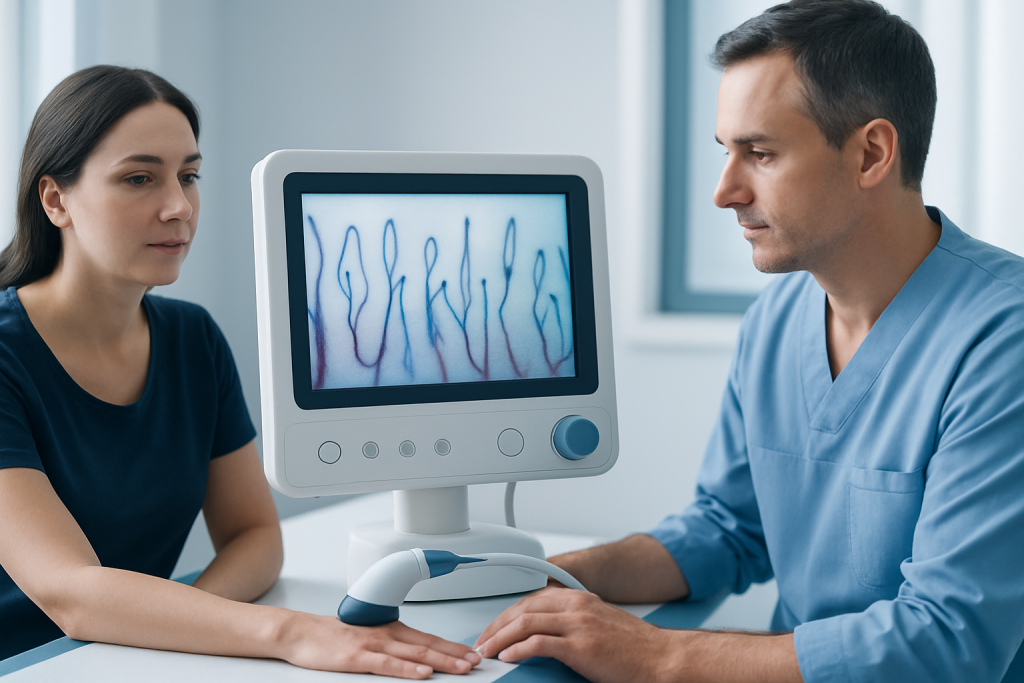
Capillaries are the meeting point of the circulatory system. Blood arrives from arteries, slows down in the capillary network, and gives up oxygen and nutrients to nearby tissues. At the same time, tissues release carbon dioxide and other waste products back into the blood so they can be carried away.
This exchange happens through very thin capillary walls, which are designed to let certain substances pass while keeping blood cells and larger proteins inside the vessels. That selective transfer helps muscles work, skin repair itself, organs stay nourished, and the body maintain balance from one moment to the next.
Capillaries also help regulate fluid movement. When their walls become unusually leaky, blocked, or damaged, swelling, redness, slower healing, or small skin changes can appear. In that sense, capillaries are less like a hidden detail and more like the body’s local delivery system.
Symptoms and Common Signs of Capillary Changes

Capillary problems do not always cause dramatic symptoms. Sometimes the first sign is a pattern a person notices in the mirror or while healing from an injury, such as tiny red or purple lines on the skin, easily broken vessels, or bruising that seems to appear with little provocation.
Other changes may be more functional than visible. Hands or feet may feel unusually cold, skin may seem slow to recover after a minor scrape, or areas with poor microcirculation may look pale or mottled. In some conditions, small capillaries can also become unusually prominent around the nose, cheeks, legs, or ankles.
- Visible fine red or purple vessels on the skin
- Easy bruising or frequent tiny bleeds
- Swelling in the legs or feet
- Delayed wound healing
- Color changes in fingers or toes with cold or stress
- Skin tenderness, warmth, or unexplained redness
These signs are not specific to one diagnosis. They can reflect harmless surface changes, but they can also point to circulation issues, inflammation, medication effects, or systemic illness that deserves a closer look.
Causes & Risk Factors
Capillary changes can happen for many reasons, ranging from everyday skin wear to more complex medical conditions. Aging can make tiny vessels more visible or more fragile, and sun exposure may contribute to superficial vessel changes in the skin.
Medical factors are also common. Diabetes, high blood pressure, autoimmune diseases, chronic inflammation, and certain clotting or bleeding disorders may affect capillary integrity or blood flow. Long periods of standing, smoking, and poor overall vascular health can further strain the microcirculation.
Some people inherit a tendency toward fragile vessels or visible capillaries. Others notice changes after surgery, injury, infections, pregnancy, or hormonal shifts. Medications that affect blood clotting or blood vessel tone may also influence bruising or visible capillary patterns.
Risk increases when more than one factor is present. For example, a person with diabetes who smokes and has limited mobility may be more likely to develop circulation problems than someone with only one of those risk factors. That is why capillary findings are best interpreted in the context of the whole person, not as a standalone cosmetic issue.
Diagnosis
Doctors usually begin with a careful history and physical examination. They may ask when the capillary changes started, whether they are painful or linked to cold exposure, whether bruising is frequent, and whether other symptoms such as fatigue, swelling, or skin ulcers are present.
During the exam, the clinician may look closely at the skin, hands, feet, and any areas of concern. They may check pulses, capillary refill, and signs of broader circulation or connective tissue problems. If an underlying condition is suspected, tests may be ordered to guide the next step.
Possible evaluations can include blood tests, glucose testing, inflammatory markers, clotting studies, urine tests, or imaging when larger blood vessels may also be involved. In some cases, a specialist may use dermoscopy or other focused assessments to distinguish harmless visible vessels from signs of a vascular or skin disorder.
For international patients, diagnosis often works best when records, medications, and previous test results travel with the patient. That continuity helps the medical team avoid repeating unnecessary tests and makes it easier to connect a small capillary finding with the broader medical picture.
Treatment Options
Treatment depends entirely on the cause. If capillary changes are part of a skin concern or a mild cosmetic issue, no treatment may be needed beyond observation or simple skin care. If the changes reflect an underlying health problem, treating that condition is usually the main priority.
When a circulation disorder is involved, doctors may recommend measures to improve blood flow, reduce inflammation, protect the skin, or manage related disease such as diabetes or autoimmune conditions. If swelling or venous pressure is contributing, compression therapy, movement, and leg elevation may be discussed when appropriate.
In selected cases, specialists may offer procedures for visible superficial vessels, but this is only after the medical cause has been assessed. The goal is not to erase every visible vessel, but to make sure the finding is understood correctly and managed safely.
Patients who travel for care often benefit from a multidisciplinary approach, especially when capillary findings are linked to dermatology, vascular medicine, internal medicine, or endocrinology. Acibadem Health Point’s multidisciplinary specialists and JCI-accredited hospitals diagnose and treat this condition for international patients, with care planned around both the medical issue and the practical realities of recovery away from home.
Prevention & Self-care
Not every capillary change can be prevented, especially when genetics or chronic illness play a role. Still, everyday habits can support the health of the microcirculation and reduce avoidable strain on the vessels.
Regular movement is one of the most reliable supports for circulation, since prolonged sitting or standing can slow blood flow in the lower body. Staying hydrated, protecting skin from excess sun, and avoiding smoking also help reduce stress on blood vessels over time.
People with diabetes, high blood pressure, or autoimmune disease may protect their capillaries best by keeping their condition well managed and following the treatment plan agreed with their doctor. Gentle skin care, prompt attention to cuts, and appropriate footwear can also matter when healing is slower than expected.
- Walk or stretch regularly during long trips or desk work
- Use sun protection on exposed skin
- Keep blood sugar and blood pressure under medical guidance
- Avoid smoking and support healthy weight habits
- Care for minor wounds early and watch for delayed healing
When to See a Doctor
It is sensible to seek medical advice when capillary changes appear suddenly, spread quickly, or come with pain, swelling, numbness, or color changes in the fingers or toes. Non-healing sores, frequent unexplained bruising, or repeated tiny skin bleeds also deserve attention.
A doctor should evaluate symptoms that suggest the issue may be more than a surface vessel change, such as chest discomfort, shortness of breath, fever, severe fatigue, or new neurologic symptoms. Even when symptoms are mild, a planned assessment is useful if a person has diabetes, autoimmune disease, a bleeding disorder, or a family history of vascular problems.
For travelers, timing matters. If a capillary-related concern is being investigated abroad, it helps to arrange follow-up before departure so results can be interpreted in context and treatment can continue smoothly at home. A clear summary from the treating team can make the next stage of care much easier.
Frequently asked questions
01What are capillaries, in simple terms?
Capillaries are the smallest blood vessels in the body. They connect arteries and veins and allow oxygen, nutrients, and waste products to move between blood and tissues.
02Are visible capillaries always a sign of disease?
No, visible capillaries can be harmless and may appear with aging, sun exposure, or skin thinning. They can also be associated with circulation problems or other medical conditions, so a doctor should interpret them in context.
03Why do capillaries matter for wound healing?
Tissues need a steady supply of oxygen and nutrients to repair themselves, and capillaries deliver both. If microcirculation is reduced, healing can take longer than expected.
04Can capillary problems improve with lifestyle changes?
Some can, especially when the issue is related to circulation habits such as inactivity, smoking, or poorly controlled chronic disease. Lifestyle changes support vascular health, but they do not replace medical evaluation when symptoms are persistent or unexplained.
05How do doctors check capillary function?
They usually start with an exam and questions about symptoms, then may order blood tests or other studies if an underlying condition is suspected. The exact workup depends on whether the concern is skin-related, circulation-related, or part of a broader illness.
06When should someone worry about capillary changes in the hands or feet?
Cold-induced color changes, numbness, pain, swelling, or sores that do not heal should be assessed. These findings can signal a circulation issue that needs medical review.
This article is for general information only and is not a substitute for professional medical advice. Please consult a qualified doctor about your individual situation.
Explore treatments in Turkey — costs, top hospitals & a free quote
JCI-accredited · board-certified surgeons · reply within 24h
Add us as a Preferred Source to see more of our trusted health content across Google Search, AI Overviews and Discover.