Cancer Diet: Benefits, Limits, and Safer Food Choices

A cancer diet is an individualized eating plan that helps a person meet energy, protein, fluid, and nutrient needs before, during, and after cancer treatment. It can support strength, symptom management, and recovery, but no specific diet, supplement, or food pattern has been proven to cure cancer or replace medical treatment.
What is a cancer diet?
A cancer diet is not one fixed menu or a treatment that eliminates cancer. It is a nutrition approach designed around a person’s medical needs while they are being evaluated, treated, recovering, or living after cancer. The main goals are usually to preserve muscle, prevent or address malnutrition, maintain hydration, manage treatment-related symptoms, and support everyday wellbeing.
The best eating plan differs from person to person. Someone with appetite loss may need small, frequent, energy-dense meals, while someone with diarrhea, mouth soreness, diabetes, kidney disease, or a bowel surgery may need more specific adjustments. Cancer type, stage, treatment, current weight, swallowing ability, and food preferences all matter.
A healthy dietary pattern can complement oncology care, but it does not replace surgery, chemotherapy, radiotherapy, immunotherapy, hormone treatment, or other medically recommended care. People considering major dietary changes should discuss them with their oncology team, especially when active treatment is planned or underway.
What clinical evidence supports—and does not support
Clinical evidence supports nutrition assessment and individualized dietary care as part of cancer treatment. Adequate protein and calorie intake can help limit weight and muscle loss, improve tolerance of treatment for some people, support wound healing, and improve day-to-day function. Nutrition support may include food-first strategies, oral nutrition supplements, tube feeding, or intravenous nutrition in selected situations under medical supervision.
For long-term health after treatment, evidence generally supports a pattern rich in vegetables, fruits, whole grains, beans, and other plant foods, with appropriate protein sources and limited processed meat, alcohol, and highly processed foods. This pattern may help support cardiovascular health, bowel health, weight management, and overall wellbeing. However, it should be adjusted if high-fiber foods, certain textures, or large meals worsen symptoms.
No single food, juice cleanse, alkaline diet, ketogenic diet, fasting regimen, or supplement has been proven to cure cancer. Research on restrictive diets and fasting around treatment remains limited and is not sufficient to recommend these approaches routinely. Restricting food can be particularly harmful for people who are already losing weight, have reduced appetite, or have difficulty eating.
Nutrition needs may also change according to the cancer and its treatment. For example, colon cancer and treatments involving the bowel may affect digestion and tolerance of fiber or fat, while head and neck treatments can affect chewing and swallowing. An individualized plan is more useful than broad rules found online.
Core components of a practical cancer diet
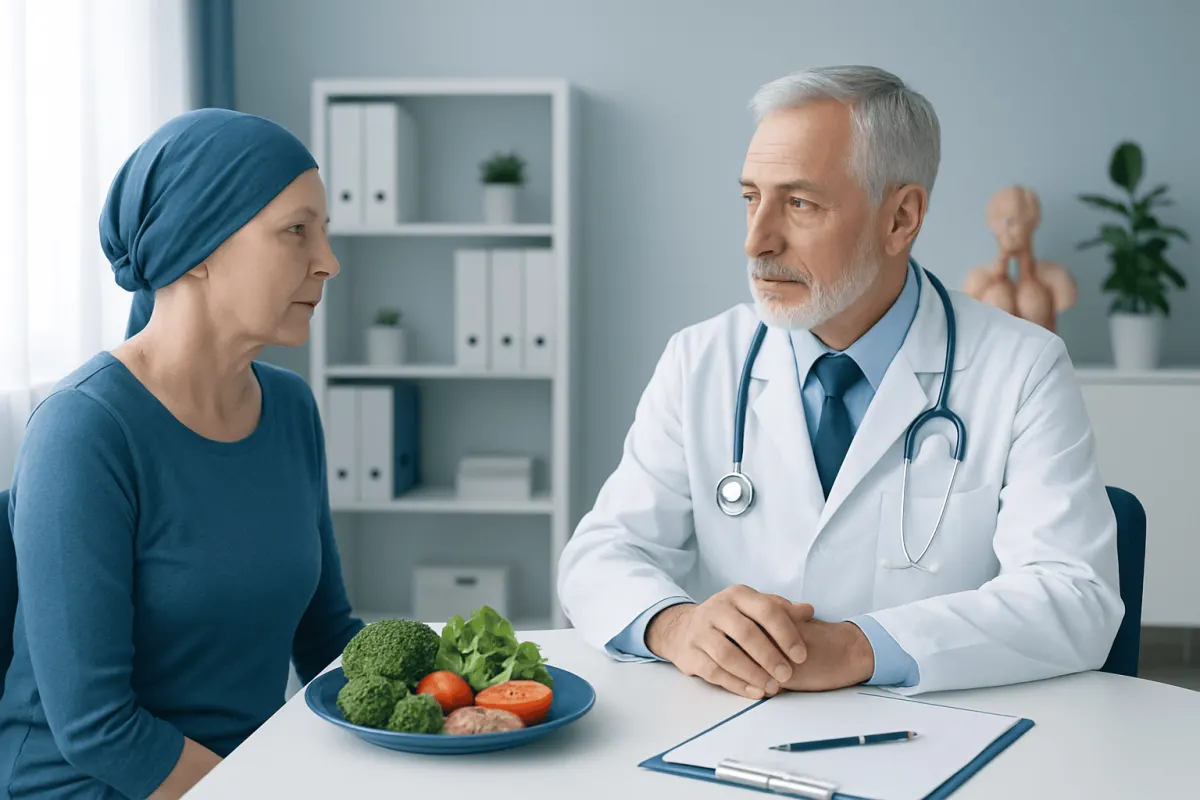
When eating is manageable, a balanced pattern can include vegetables and fruits in forms a person tolerates; whole grains or starchy foods for energy; protein-rich foods; and sources of healthy fats. Protein is especially important because the body uses it to maintain muscle and repair tissues. Suitable choices may include eggs, fish, poultry, dairy foods, soy foods, beans, lentils, nuts, seeds, and lean meats, depending on individual needs and tolerances.
During treatment, “healthy” does not always mean low-calorie. If a person is unintentionally losing weight, adding calories and protein may be more appropriate than choosing low-fat or sugar-free products. Foods such as yogurt, cheese, nut butters, avocado, eggs, olive oil, smoothies, soups, and fortified meals may help when appetite is limited. A dietitian can suggest choices that fit cultural preferences and medical restrictions.
Fluids are also essential. Water, soups, milk, oral rehydration drinks, and other tolerated beverages can help prevent dehydration. People who have vomiting, diarrhea, fever, mouth sores, or difficulty swallowing may need a more structured hydration plan from their healthcare team.
- Choose smaller meals more often if full meals feel difficult.
- Include a protein-containing food at meals and snacks where possible.
- Use soft, moist, cool, or blended foods if the mouth or throat is sore.
- Keep easy-to-eat foods available for low-energy days.
- Ask the care team about food safety if immunity is reduced.
Symptoms, food safety, and treatment interactions
Cancer treatment can affect taste, smell, appetite, digestion, and swallowing. Nausea may be easier to manage with bland foods, small portions, and avoiding strong odors. Constipation may improve with fluids, gentle activity when appropriate, and fiber only if the treating team advises it. Diarrhea may require temporary changes such as reducing greasy foods, alcohol, caffeine, or high-fiber foods, while prioritizing fluid and electrolyte replacement.
Mouth sores, dry mouth, and painful swallowing can make acidic, spicy, rough, or very hot foods uncomfortable. Soft foods, sauces, gravies, smoothies, and chilled foods may be easier to tolerate. Persistent swallowing problems deserve prompt medical assessment because they can contribute to dehydration, malnutrition, and aspiration.
Food safety is important, particularly for people with low white blood cell counts or other immune suppression. The oncology team may recommend avoiding raw or undercooked eggs, meat, poultry, seafood, unpasteurized dairy products or juices, and foods prepared or stored unsafely. Careful handwashing, thorough cooking, prompt refrigeration, and avoiding cross-contamination reduce foodborne illness risk.
Some supplements and herbal products may interact with cancer medicines, anesthesia, anticoagulants, or Cancer Radiation Treatment: Options and Outlook" class="ahp-ilk">radiation treatment. High-dose antioxidants, concentrated green tea extracts, St John’s wort, turmeric or curcumin supplements, and many multi-ingredient products should not be started without approval. Foods used in normal culinary amounts are usually different from high-dose extracts, but the oncology pharmacist or doctor should review any supplement.
Who should avoid restrictive cancer diets?
Restrictive approaches can be unsafe when they reduce protein, calories, or essential nutrients. People at particular risk include those who are losing weight without trying, have low appetite, have difficulty chewing or swallowing, have persistent vomiting or diarrhea, are recovering from major surgery, or have advanced cancer with muscle loss. Children, older adults, pregnant people, and people with diabetes, kidney disease, liver disease, or eating disorders also require individualized professional advice.
Fasting, very-low-carbohydrate diets, raw-food diets, juice-only plans, and elimination diets may be difficult to sustain and can worsen fatigue or nutritional deficiencies. They can also make it harder to complete treatment as planned. A person should not stop eating, stop prescribed medicines, or use supplements as an alternative to oncology care.
Some people seek dietary changes because they want a greater sense of control during a challenging time. This is understandable. A safer approach is to identify realistic goals—such as increasing protein at breakfast, improving hydration, or finding foods that are easier to swallow—while working with the clinical team.
How to build a plan with the cancer care team
Nutrition care is most helpful when it begins early, before significant weight loss or dehydration develops. The care team may ask about weight changes, appetite, bowel habits, food access, supplements, food allergies, and symptoms. They may also monitor blood tests and physical function when relevant. Referral to an oncology dietitian can provide targeted meal ideas, symptom strategies, and nutritional monitoring.
People receiving treatment should tell their team about all vitamins, minerals, herbal remedies, protein powders, meal replacements, and special diets. This allows potential interactions and safety concerns to be checked. A dietitian may also recommend medically appropriate oral nutrition products when food alone is not enough.
Cancer treatment itself may include surgery, systemic therapies, and radiation depending on the diagnosis. Nutrition planning should work alongside these treatments rather than compete with them. When clinically appropriate, chemotherapy and radiotherapy teams can help coordinate symptom control, while dietetic support addresses the effects on eating and drinking.
Acıbadem Health Point’s multidisciplinary specialists and JCI-accredited hospitals support international patients with coordinated cancer evaluation, treatment, and nutrition-related care. Individual recommendations should always come from the treating doctor and qualified dietitian.
When to seek medical care
A person should contact their oncology team or doctor promptly if they cannot keep fluids down, have persistent vomiting or diarrhea, develop signs of dehydration, experience worsening difficulty swallowing, or have rapid or ongoing unintentional weight loss. New severe abdominal pain, fever, confusion, fainting, or inability to eat or drink should be assessed urgently according to the advice provided by the care team.
Medical advice is also important before starting a highly restrictive diet, fasting plan, herbal preparation, or high-dose supplement. These approaches may be unsafe during treatment even if they are described as natural or anti-cancer online.
Regular follow-up is especially valuable when symptoms change. Early support can often make eating more comfortable and can help prevent nutrition problems from becoming more serious.
Frequently asked questions
01Can a cancer diet cure cancer?
No diet has been shown to cure cancer. Nutritious eating can support strength, symptom management, recovery, and general health, but it should be used alongside—not instead of—evidence-based cancer treatment.
02What is the best food to eat during cancer treatment?
There is no single best food for every person. In general, foods that provide protein, energy, fluids, and nutrients and are comfortable to eat are helpful. The best choices depend on symptoms, treatment, weight changes, and any other medical conditions.
03Should people with cancer avoid sugar completely?
Avoiding all sugar does not starve cancer cells or cure cancer. The body can make glucose from several foods and tissues. It is reasonable to limit frequent sugary drinks and highly processed sweets for overall health, but maintaining enough calories may be more important for someone with poor appetite or weight loss.
04Is fasting safe during chemotherapy?
Fasting during chemotherapy is not routinely recommended because it can increase the risk of dehydration, inadequate nutrition, and weight or muscle loss. Research is ongoing, but fasting should only be considered with explicit guidance from the oncology team and a dietitian.
05Can vitamins and supplements interfere with cancer treatment?
Yes. Certain supplements, especially at high doses, may affect medicines, bleeding risk, anesthesia, or radiation treatment. A person should show their oncology team every supplement they use before starting or continuing it.
06When should a person ask for an oncology dietitian?
A dietitian can be helpful at any stage of cancer care, particularly before treatment starts. Referral is especially important for weight loss, poor appetite, nausea, diarrhea, constipation, swallowing difficulty, diabetes, or questions about special diets and supplements.
This article is for general information only and is not a substitute for professional medical advice. Please consult a qualified doctor about your individual situation.
Medical weight-loss options in Turkey — costs & eligibility
JCI-accredited · board-certified surgeons · reply within 24h
Add us as a Preferred Source to see more of our trusted health content across Google Search, AI Overviews and Discover.