Can You Shower After a Tattoo? Safe Aftercare Steps
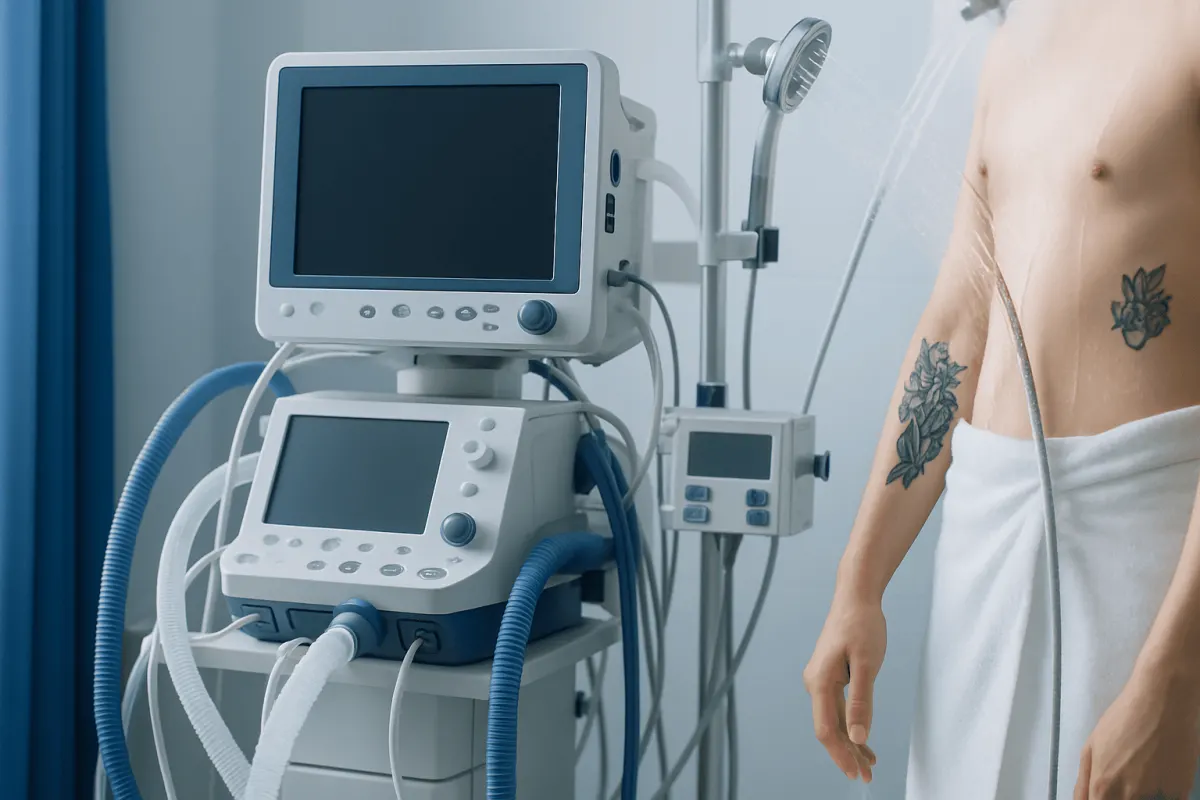
Yes, most people can shower after a tattoo, usually once the tattoo artist’s initial dressing instructions have been followed. A short, lukewarm shower with gentle cleansing is generally safer than soaking the tattoo; worsening redness, pain, drainage, or fever should be assessed by a clinician.
Can You Shower After a Tattoo?
Yes. Most people can shower after a tattoo, provided they follow the tattoo artist’s instructions for the initial covering and avoid prolonged water exposure. A brief lukewarm shower is usually harmless and can help keep the surrounding skin clean, but the tattoo should not be scrubbed, sprayed with strong water pressure, or left wet afterward.
A new tattoo is a controlled skin wound. During the first days and weeks, the skin barrier is repairing itself, so gentle hygiene matters. The main concern is not ordinary showering; it is soaking, friction, unclean water, or irritating products that may delay healing or increase the chance of irritation or infection.
Instructions may differ depending on the type of dressing used. Traditional gauze or plastic wrap is often removed according to the artist’s advice, while adhesive protective films may be intended to remain in place longer. If there is uncertainty, the person should contact the tattoo artist for dressing-specific guidance or ask a healthcare professional if there are skin concerns.
How to Shower Safely With a New Tattoo
Before showering, hands should be washed thoroughly with soap and water. The shower should be brief and comfortably lukewarm rather than hot. Hot water can dry the skin and may make swelling or redness feel worse, particularly during the first few days.
The tattoo can be washed gently using clean fingertips and a mild, fragrance-free soap. It should not be rubbed with a washcloth, loofah, exfoliating glove, or brush. Strongly scented body washes, alcohol-based products, and harsh antiseptics can irritate healing skin unless a clinician has specifically advised their use.
After showering, the area should be patted dry with a clean disposable paper towel or allowed to air-dry. Rubbing with a bath towel may create friction and can transfer bacteria from fabric. Once dry, a very thin layer of the aftercare moisturizer recommended by the artist or clinician may be used. Applying too much ointment or lotion can trap moisture and irritate the skin.
- Keep water pressure gentle and avoid directing a strong stream onto the tattoo.
- Wear clean, loose clothing afterward where possible.
- Use fresh towels and clean bedding during the early healing period.
- Do not re-cover the tattoo after every shower unless specifically instructed to do so.
What Water Exposure Should Be Avoided?

Although showering is generally acceptable, a new tattoo should not be submerged in water while it is healing. Baths, swimming pools, hot tubs, saunas, lakes, rivers, and seawater can expose the area to microorganisms or chemicals and keep the skin overly wet. This may soften scabs, increase irritation, and raise the risk of infection.
Healing time varies with the size, location, technique, and a person’s skin health. The surface may appear improved within a couple of weeks, but deeper skin healing continues longer. It is sensible to avoid swimming and other soaking activities until the tattoo is fully closed, no longer peeling or scabbing, and has no open or weeping areas. When in doubt, a tattoo professional or clinician can give individualized advice.
Sweaty exercise may also cause temporary stinging or irritation, especially when clothing rubs the tattoo. Light activity is often manageable if the area can be kept clean and dry afterward. Contact sports, shared gym equipment that rubs the site, and activities involving dirty water may need to wait until the skin has healed.
Normal Healing Changes and Possible Problems
Some temporary symptoms are common after tattooing. The skin may be mildly red, warm, tender, or swollen for the first day or two. Small amounts of clear fluid, ink, or blood-tinged fluid may occur early on. Later, itching, dryness, flaking, and light scabbing can be part of normal healing. Scabs should be left alone, as picking can remove pigment and damage healing skin.
Not every change around a tattoo means infection. Mild irritation can develop from adhesive dressings, fragranced lotions, excessive washing, tight clothing, or an allergic reaction to ink. However, symptoms that are worsening rather than gradually improving deserve attention. A skin reaction can sometimes resemble an infection, so self-diagnosis is not always reliable.
Possible infection signs include redness that spreads beyond the tattoo, increasing warmth or swelling, worsening throbbing pain, cloudy or foul-smelling drainage, or red streaks extending from the area. Fever, chills, or feeling generally unwell require prompt medical assessment. For broader information about skin infections, see skin infections.
When to Seek Medical Care
Most post-tattoo tenderness and flaking settle with careful aftercare. Medical care is important when symptoms become more severe after the first day or two, rather than steadily improving. A person should seek urgent medical advice for fever, rapidly spreading redness, severe pain, significant swelling, pus-like drainage, red streaks, or signs of a serious allergic reaction such as facial swelling, widespread hives, wheezing, or trouble breathing.
A doctor will usually ask when the tattoo was done, how symptoms have changed, what aftercare products were used, and whether there has been swimming, injury, or exposure to unclean water. They will examine the skin for the pattern and extent of redness, swelling, drainage, and tenderness. In some cases, a swab of drainage or other tests may be needed to identify infection or rule out another cause.
Treatment depends on the cause. It may involve changing irritating aftercare products, caring for contact dermatitis, or prescribing medication when bacterial infection or a significant allergic reaction is suspected. People with diabetes, immune system conditions, poor circulation, or medicines that suppress immunity should have a lower threshold for seeking advice about a healing wound.
Practical Aftercare That Supports Healing
Good aftercare is simple and consistent. The tattoo should be protected from dirt, friction, direct sun, and unnecessary touching. Hands should always be clean before applying moisturizer or checking the area. Choosing breathable clothing can reduce rubbing, and avoiding tight straps or waistbands may be particularly useful for tattoos on the shoulder, ankle, ribs, or waist.
Once the tattoo has healed fully, regular sunscreen use can help reduce fading and protect skin health. Sunscreen should not be applied to an open, scabbed, or actively peeling tattoo unless a healthcare professional recommends it. During early healing, covering the area with clean, loose clothing is usually a practical way to limit sun exposure.
People should avoid sharing aftercare products, towels, razors, or clothing that contacts the tattoo. They should also avoid applying home remedies, essential oils, hydrogen peroxide, rubbing alcohol, or antibiotic creams unless directed by a clinician. These products can cause irritation or may not be appropriate for routine tattoo aftercare.
Acıbadem Health Point’s multidisciplinary specialists and JCI-accredited hospitals can assess suspected tattoo-related skin complications for international patients, including concerns that may need dermatology or infectious disease evaluation.
A Simple Shower Routine for the First Days
A practical routine is to wait until the initial dressing can be removed according to the tattoo artist’s instructions, then take a short shower. The person should wash their hands, use lukewarm water, and let water run lightly over the area rather than soaking it. Mild fragrance-free soap can be used gently if advised for the tattoo aftercare plan.
Afterward, the tattoo should be patted dry with a clean paper towel and left uncovered unless a clinician or artist has recommended a specific protective dressing. A thin layer of suitable moisturizer can then be applied. If the skin becomes increasingly sore, itchy, blistered, or swollen after using a product, it is best to stop that product and seek professional advice.
Following these steps can support uncomplicated healing while allowing normal daily hygiene. The goal is clean, dry, protected skin—not repeated washing or heavy product use. A person who is unsure whether a symptom is normal should contact a qualified healthcare professional rather than trying to treat a possible infection at home.
Frequently asked questions
01How soon can someone shower after getting a tattoo?
Many people can take a brief shower after the initial dressing period advised by their tattoo artist. The timing depends on the type of covering used, so the artist’s specific aftercare instructions should be followed. The tattoo should not be soaked or scrubbed.
02Can a new tattoo get wet in the shower?
Yes, brief contact with clean shower water is generally acceptable once the dressing instructions allow it. The area should not be held under strong water pressure for long and should be gently dried afterward. Prolonged soaking is different and should be avoided while healing.
03Can soap be used on a new tattoo?
A mild, fragrance-free soap is commonly used for gentle cleansing. The tattoo should be washed with clean fingertips rather than a washcloth or exfoliating tool. Harsh, scented, or alcohol-containing products may irritate healing skin.
04Why should baths and swimming be avoided after a tattoo?
Soaking can keep healing skin too wet and expose it to bacteria, chemicals, or other irritants. Pools, hot tubs, lakes, rivers, and the sea may increase the risk of complications before the skin barrier has fully recovered. It is best to wait until the tattoo is fully healed before swimming.
05Is itching after showering normal for a new tattoo?
Mild itching and flaking are common during healing, and warm water or dry skin can make itching more noticeable. Scratching should be avoided because it can damage the skin and affect the tattoo. Increasing itch with a rash, blisters, swelling, or spreading redness should be checked by a clinician.
06How can someone tell whether a tattoo is infected?
A tattoo infection may cause redness that spreads, worsening pain, increasing warmth or swelling, pus-like drainage, or fever. Normal early tenderness should gradually improve, not become more severe. A healthcare professional should evaluate possible infection promptly.
This article is for general information only and is not a substitute for professional medical advice. Please consult a qualified doctor about your individual situation.
Explore treatments in Turkey — costs, top hospitals & a free quote
JCI-accredited · board-certified surgeons · reply within 24h
Add us as a Preferred Source to see more of our trusted health content across Google Search, AI Overviews and Discover.