Alternative Therapies for Shingles: Safe Use
Alternative therapies for shingles can be useful for comfort, sleep, stress management, and coping with pain, but they cannot eliminate the varicella-zoster virus or replace prescribed antiviral medicines. The safest approach combines timely medical care with gentle, evidence-informed supportive measures and avoids products that irritate the rash or delay treatment.
Overview: where alternative therapies fit in shingles care
Alternative therapies for shingles are approaches used alongside standard medical treatment to support comfort and wellbeing. They may include cooling measures, relaxation practices, acupuncture, massage away from the rash, dietary choices, and certain supplements. Some people find these options helpful for managing pain, itch, sleep disruption, or the emotional strain of being unwell.
However, shingles is caused by reactivation of the varicella-zoster virus, the virus that causes chickenpox. Complementary approaches do not stop viral replication, prevent complications, or reliably shorten the illness. Prescription antiviral medicines are the evidence-based treatment, particularly when started early. A clinician can also advise on suitable pain relief and check whether the rash involves higher-risk areas such as the eye or ear.
The most useful question is usually not whether a therapy is “natural,” but whether it is safe, compatible with medical treatment, and likely to offer meaningful relief. Gentle supportive measures can be valuable, while unproven remedies should never lead a person to postpone medical evaluation or prescribed treatment.
Understanding shingles and its symptoms
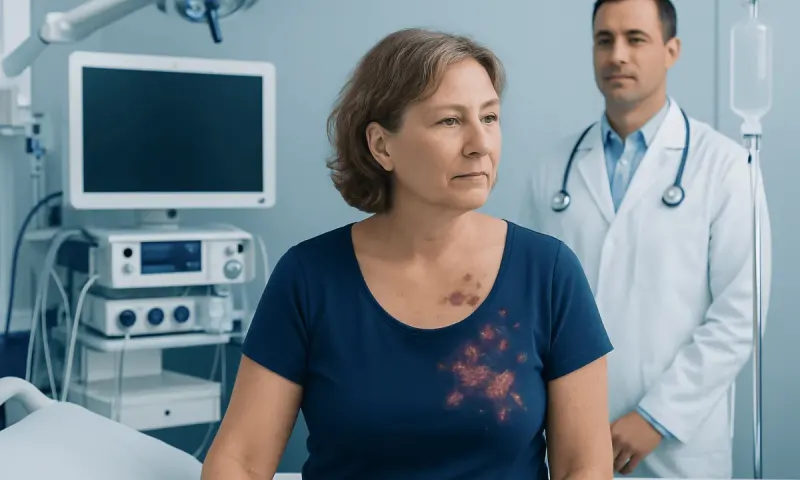
Shingles, also called herpes zoster, develops when varicella-zoster virus becomes active again after remaining dormant in the body following chickenpox. It usually causes a painful, tingling, burning, or sensitive area of skin on one side of the body. Within a few days, a grouped blistering rash commonly appears in a band-like pattern, often on the chest, back, abdomen, face, or neck.
The blisters typically dry and form crusts over about one to two weeks, although recovery varies. Some people have headache, fatigue, fever, or sensitivity to light before or during the rash. Pain can range from mild to severe and may feel out of proportion to the visible skin changes because the virus affects sensory nerves.
In some cases, pain continues after the skin has healed. This is known as postherpetic neuralgia, and it is more common with increasing age and after severe shingles pain or rash. It is treatable, but may need a tailored plan from a doctor. A new painful blistering rash should be assessed rather than self-diagnosed, as other skin conditions can look similar.
Evidence-informed supportive therapies for comfort

Simple physical measures are among the safest supportive options. A clean, cool, damp compress placed gently over the affected area for short periods may soothe burning and itch. A lukewarm bath or shower can also be calming; the skin should be patted dry rather than rubbed. Keeping the rash clean, dry, and covered with a loose non-stick dressing when needed can reduce friction from clothing.
Loose, soft fabrics can help avoid pressure on sensitive skin. Fragrance-free moisturizers or calamine lotion may ease itch for some people, provided the skin is not irritated and the product is not applied to open or infected-looking blisters. Fingernails should be kept short to reduce skin damage from scratching. It is sensible to ask a pharmacist or clinician before using any topical product, especially on the face or near the eyes.
Rest, regular fluids, and balanced meals support general recovery, even though no specific food has been proven to cure shingles. Alcohol can worsen sleep and may interact with medicines, so limiting it while unwell is often sensible. If pain prevents sleep, eating, or usual activities, a clinician can recommend appropriate medical pain management rather than relying only on home remedies.
Mind-body therapies and living with shingles pain
Shingles pain can affect sleep, concentration, mood, and confidence in daily activities. Mind-body therapies do not treat the virus directly, but may help the nervous system respond differently to ongoing discomfort. Slow breathing exercises, guided relaxation, meditation, mindfulness, and listening to calming music are low-risk options for many people and can be practiced for a few minutes at a time.
Gentle movement, such as a short walk or stretching that does not pull on painful skin, may support sleep and reduce stress if a person feels well enough. Activity should be adapted to energy levels. Overexertion is not helpful, and people should avoid contact sports, swimming pools, or activities that rub against uncovered blisters until the rash has crusted over and they have received appropriate advice.
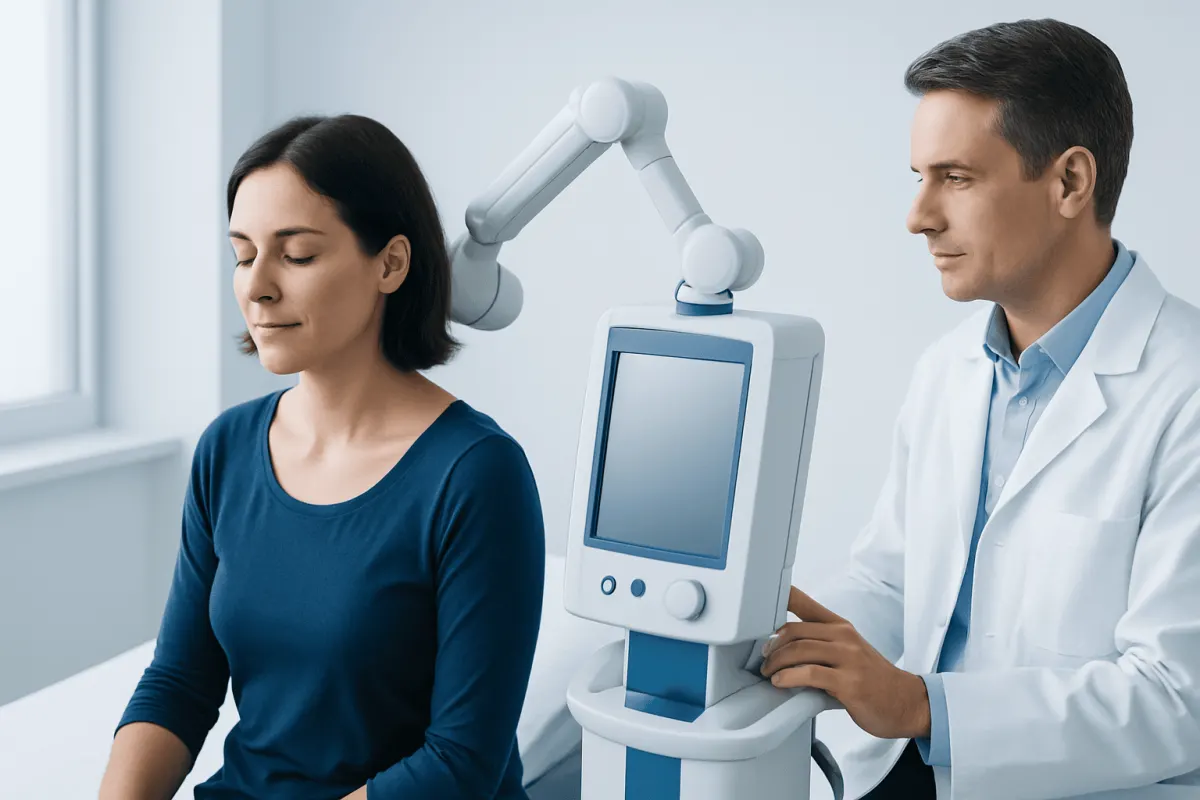
Acupuncture has been studied for several pain conditions, but evidence specifically for acute shingles or postherpetic neuralgia remains limited and is not strong enough to replace conventional care. Anyone considering acupuncture should choose a qualified practitioner, tell them about the shingles diagnosis and all medicines, and avoid needling through active rash or damaged skin. Psychological support or pain-management counseling may also be helpful when pain persists.
Herbs, supplements, and topical products: important cautions
Many supplements and natural products are promoted online for shingles, including lysine, vitamins, zinc, capsaicin, essential oils, aloe vera, and herbal extracts. At present, there is not reliable evidence that these products cure shingles or consistently prevent nerve pain. A supplement can still cause side effects, and “natural” does not always mean safe for every person.
Essential oils, concentrated herbal preparations, alcohol-based products, and strongly scented creams can irritate inflamed skin or trigger allergic contact dermatitis. They should not be applied to blisters, broken skin, the eye area, or mucous membranes. Home remedies such as vinegar, bleach, toothpaste, or undiluted oils can cause harm and should be avoided.
Some supplements can interact with blood thinners, immune-suppressing medicines, diabetes medicines, or treatments for other long-term conditions. This is especially relevant for older adults, pregnant people, and those with kidney or liver disease. A doctor or pharmacist should review any supplement before it is started. If a product causes increased redness, swelling, pain, itching, or blistering, it should be stopped and medical advice sought.
Medical treatment, prevention, and self-care
Antiviral medicines, such as acyclovir, valacyclovir, or famciclovir, may reduce the severity and duration of shingles when prescribed promptly. They are commonly most effective when started within 72 hours after the rash begins, but a clinician may still recommend them later in certain situations, including ongoing new blisters, severe symptoms, or immune-system concerns. Treatment decisions depend on the person’s age, health, rash location, and timing.
A clinician may also recommend pain-relieving medicines or, when pain is severe or persistent, treatments that specifically target nerve pain. These choices should be individualized because medical history, kidney function, other medicines, and side-effect risks matter. People should not share prescription medicines or use leftover antibiotics, steroids, or antiviral drugs without medical advice.
Shingles can spread varicella-zoster virus to someone who has not had chickenpox or vaccination, causing chickenpox rather than shingles. Until all blisters have crusted, the rash should be covered where possible, hands should be washed often, and close contact with pregnant people without immunity, newborns, and people with weakened immune systems should be avoided. Shingles vaccination is an effective prevention strategy for eligible adults; a doctor can advise on local recommendations and individual suitability.
When to seek medical care
Medical advice should be sought as soon as possible for a suspected shingles rash, especially within the first three days. Prompt assessment gives the best opportunity to begin antiviral treatment when appropriate. A person should also contact a clinician if pain is substantial, the rash is spreading, new blisters continue to appear, or symptoms are interfering with sleep and normal daily life.
Urgent same-day assessment is important if the rash is on the face, nose, eyelid, or near an eye; if there is eye redness, eye pain, blurred vision, or sensitivity to light; or if the rash affects the ear with hearing changes, dizziness, or facial weakness. Emergency care may be needed for confusion, severe headache with neck stiffness, weakness in an arm or leg, difficulty walking, or severe illness. People who are pregnant, immunocompromised, receiving chemotherapy, or taking immune-suppressing medicines should seek prompt advice for any possible shingles symptoms.
For people whose pain continues after the rash heals, follow-up is worthwhile rather than simply enduring symptoms. A multidisciplinary assessment can identify nerve-pain treatments, sleep strategies, and rehabilitation support where needed. Acıbadem Health Point’s multidisciplinary specialists and JCI-accredited hospitals can diagnose and treat shingles-related complications for international patients.
Frequently asked questions
01Can alternative therapies cure shingles?
No. Alternative therapies for shingles have not been shown to eliminate the virus or cure the condition. They may support comfort, sleep, and stress management when used alongside timely medical assessment and prescribed treatment.
02What is the safest natural way to soothe a shingles rash?
Cool, clean compresses, lukewarm bathing, loose clothing, and avoiding friction are generally among the safest supportive measures. It is best to avoid fragranced products, essential oils, and harsh home remedies on blisters or broken skin.
03Can stress reduction help shingles?
Stress-reduction practices cannot treat the virus, but they may make pain and sleep disruption easier to manage. Gentle breathing exercises, mindfulness, relaxation recordings, and pacing daily activities are reasonable options for many people.
04Is lysine effective for shingles?
There is not strong, consistent evidence that lysine treats shingles or prevents complications. Because supplements may interact with medicines or be unsuitable for certain health conditions, a doctor or pharmacist should be consulted before taking it.
05Can someone use acupuncture for shingles pain?
Some people choose acupuncture as a complementary pain-management approach, but evidence for shingles-specific benefit is limited. It should not delay antiviral treatment, and needles should never be placed through an active rash or damaged skin.
06When is shingles considered urgent?
Shingles needs prompt medical attention when it affects the eye, face, or ear, or when there are vision changes, facial weakness, dizziness, severe headache, confusion, or widespread rash. People with weakened immune systems should also seek advice quickly, even if symptoms seem mild.
This article is for general information only and is not a substitute for professional medical advice. Please consult a qualified doctor about your individual situation.
Explore treatments in Turkey — costs, top hospitals & a free quote
JCI-accredited · board-certified surgeons · reply within 24h
Add us as a Preferred Source to see more of our trusted health content across Google Search, AI Overviews and Discover.