Can You Lose Weight While You Are Pregnant?

Key Takeaways
- Unplanned weight loss can happen in early pregnancy because of nausea, vomiting, food aversions, or temporary appetite changes.
- Intentional dieting or aggressive exercise for weight loss is generally not advised during pregnancy without medical supervision.
- Weight-gain goals depend on pre-pregnancy body size, overall health, and whether the pregnancy has one baby or multiples.
- Ongoing weight loss, dehydration, or inability to keep food down should be discussed with a clinician promptly.
- A doctor or dietitian can help create a pregnancy nutrition plan that is safe, realistic, and tailored to individual needs.
Yes, some people lose a little weight early in pregnancy, but intentional weight loss is usually not recommended unless a doctor advises it. The safest goal is steady, appropriate weight management that supports both maternal health and the baby’s growth.
Overview
The short answer to can you lose weight while you are pregnant is that some weight loss can happen, especially in the first trimester, but it is not usually something to aim for on purpose. Pregnancy is a time when the body is building another life, so most care plans focus on supporting healthy nutrition and appropriate weight gain rather than reducing weight.
That said, the question is more nuanced than a simple yes or no. A person may lose weight because of nausea, vomiting, reduced appetite, food aversions, or changes in eating habits. In some cases, a clinician may also recommend careful weight management if there were medical concerns before pregnancy, but this should always be individualized and supervised.
For Myomectomy Recovery for International Patients: The Usual Travel Timeline" class="ahp-ilk">international patients arranging care from another country, it helps to think less about the number on the scale and more about the bigger picture: energy levels, hydration, fetal growth, blood pressure, blood sugar, and overall wellbeing. Those factors give a more useful picture of pregnancy health than weight alone.
What Weight Changes Are Normal in Pregnancy?
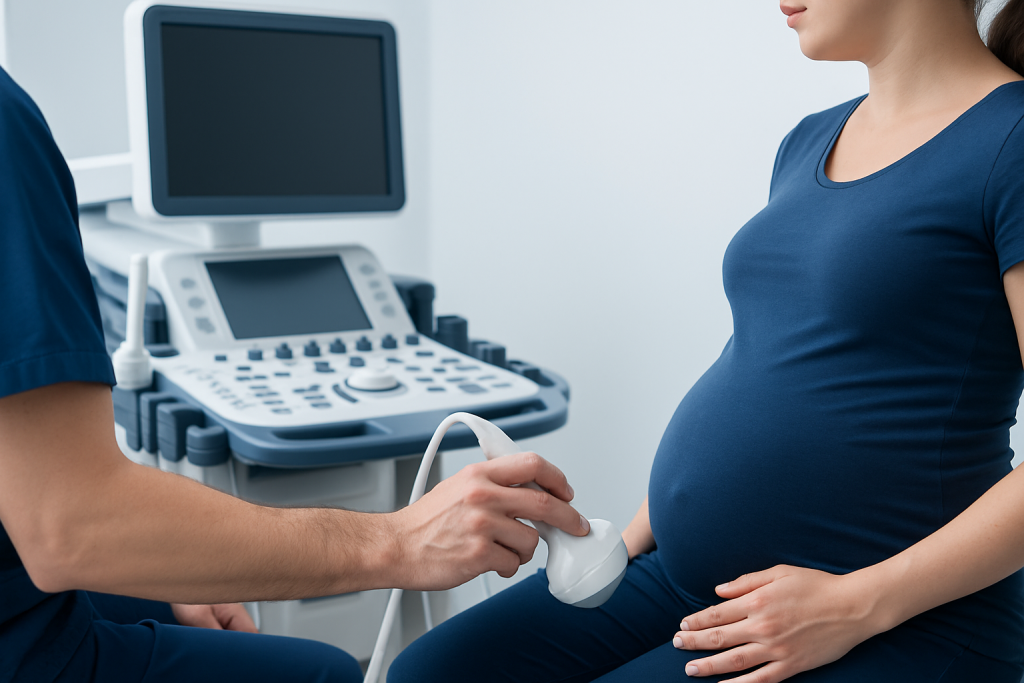
Early pregnancy often brings the most unpredictable changes. Some people gain weight slowly at first, while others temporarily lose a small amount because food tastes different, morning sickness is stronger than expected, or meals become difficult to tolerate. Mild short-term loss may be part of the normal adjustment period if the person is still able to eat, drink, and recover between episodes of nausea.
Later in pregnancy, weight typically begins to rise more steadily as the uterus grows, the placenta develops, the baby increases in size, and the body stores additional fluid and fat reserves. The amount of weight gained varies widely and is influenced by pre-pregnancy weight, whether the pregnancy is single or multiple, and individual medical factors.
Clinicians usually look at trends over time rather than one isolated weigh-in. A small dip on the scale after a bout of vomiting is different from a sustained pattern of weight loss over several weeks. The latter deserves medical review, especially if it is paired with fatigue, dizziness, or reduced fetal movement later in pregnancy.
Why Might Weight Loss Happen During Pregnancy?
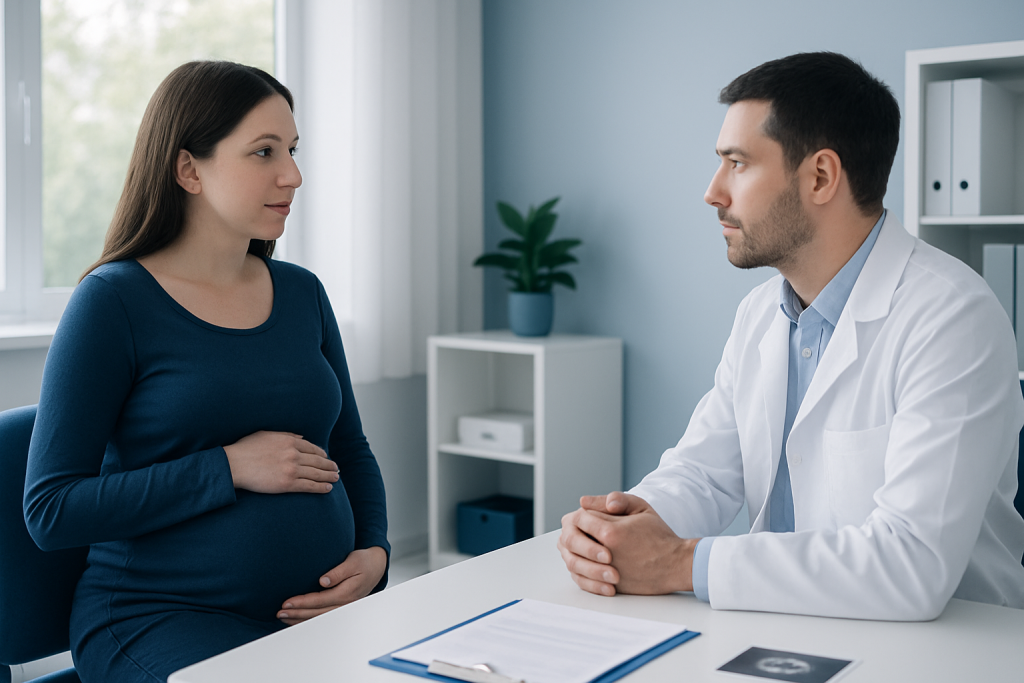
Unintentional weight loss in pregnancy is often related to common symptoms rather than deliberate dieting. Nausea and vomiting are among the most familiar reasons, particularly in the first trimester. Some people also develop strong aversions to certain smells or foods, making it harder to maintain a balanced diet.
Other causes may include reflux, constipation, anxiety, stress, gallbladder problems, infections, thyroid disorders, or a condition such as hyperemesis gravidarum, where nausea and vomiting become severe enough to affect hydration and nutrition. In some pregnancies, blood sugar problems or other medical conditions can also alter appetite and eating patterns.
Intentional restriction can be another factor. A person who is worried about gaining too much weight may cut calories too sharply, skip meals, or avoid entire food groups. In pregnancy, that approach can reduce the nutrients needed for maternal health and fetal development, so it should be avoided unless a doctor gives a specific, monitored plan.
When Weight Loss Needs Medical Attention
Not every small change is dangerous, but some patterns should prompt a conversation with a doctor or midwife. Ongoing weight loss, inability to keep fluids down, or symptoms of dehydration deserve attention sooner rather than later. This is especially important if the person feels faint, has dark urine, or cannot manage regular meals.
Medical review is also sensible if weight loss is accompanied by abdominal pain, fever, severe weakness, repeated vomiting, blood in vomit, or a noticeable decline in fetal movement later in pregnancy. These symptoms do not automatically mean something serious is happening, but they should be assessed.
- Persistent vomiting or nausea that prevents eating
- Weight loss that continues beyond early pregnancy
- Signs of dehydration, such as thirst, dizziness, or reduced urination
- Unexplained fatigue, palpitations, or tremor
- Concerns about the baby’s growth or movement
Pregnancy care works best when concerns are addressed early. A clinician can sort out whether the weight change is part of a temporary symptom pattern or a sign that the pregnancy needs closer monitoring.
How Doctors Evaluate Weight Loss in Pregnancy
Assessment usually starts with a careful history. The clinician may ask when the weight loss began, whether it was intentional, how much food and fluid can be tolerated, and whether there are related symptoms such as vomiting, constipation, or reflux. Pre-pregnancy weight and body mass index may also be considered when interpreting the numbers.
Depending on the situation, the doctor may recommend checking hydration status, urine, blood pressure, blood tests, thyroid function, blood sugar, or other markers. If severe nausea or vomiting is present, the team may look for electrolyte imbalance or signs of malnutrition. Later in pregnancy, ultrasound may be used to assess fetal growth when there is concern that nutrition is not adequate.
For patients traveling for pregnancy care, this evaluation can be coordinated in stages. Some tests may be done before travel, with review by the specialist team after arrival. This can make care more efficient while still keeping the assessment thorough and safe.
Treatment Options and What Is Safe
There is no one-size-fits-all solution because treatment depends on the reason for the weight loss. If nausea is the main issue, doctors often focus first on making eating and drinking more manageable rather than on calorie counting. Small, frequent meals, bland foods, cold foods with less odor, and careful fluid intake can sometimes help.
In some cases, clinicians may recommend prenatal vitamins, hydration strategies, or medication to control severe nausea and vomiting. If a specific medical problem is found, such as thyroid disease or uncontrolled reflux, treating that condition may improve appetite and stabilize weight. Any medication use in pregnancy should be guided by a qualified clinician.
Intentional weight loss programs, detox plans, fasting, and restrictive diets are generally not appropriate during pregnancy. A person who entered pregnancy with obesity may still be advised to make healthier food choices and stay physically active, but the goal is usually careful weight management, not active weight reduction, unless a specialist says otherwise.
Prevention & Self-care
The most helpful self-care during pregnancy is usually gentle, sustainable, and practical. Eating regularly, staying hydrated, and choosing foods that are tolerated well can prevent unnecessary weight loss. If morning sickness is present, it may help to eat before getting out of bed, keep simple snacks nearby, and avoid strong smells that worsen nausea.
A balanced pregnancy pattern does not need to be perfect. Some days may include toast and fruit; others may include more complete meals. The priority is regular intake of fluids, protein, and nutrient-rich foods over time. Rest, light activity if approved by the clinician, and managing constipation or reflux can also improve appetite and comfort.
- Keep easy-to-tolerate snacks available throughout the day
- Sip fluids often if larger amounts are difficult
- Choose foods that feel safe and appealing during nausea
- Follow prenatal vitamin advice from the care team
- Ask for help early if eating becomes difficult
Self-care also includes emotional support. Food worries can become intense during pregnancy, especially for people with prior dieting history or an eating disorder. Those concerns should be discussed openly so the care team can protect both physical and mental health.
When to See a Doctor
A doctor should be contacted if weight loss is ongoing, unplanned, or causing concern. It is particularly important to seek advice if there is dehydration, repeated vomiting, a history of eating disorder, or any medical condition that could complicate pregnancy nutrition. Even if the pregnancy feels otherwise normal, a discussion can provide reassurance and a clearer plan.
Pregnant people who are unsure whether their eating pattern is enough should not wait for symptoms to become severe. Early guidance can prevent small problems from becoming larger ones. This is especially true for those with diabetes, thyroid disease, twins or triplets, or a previous pregnancy affected by poor weight gain.
Acibadem Health Point’s multidisciplinary specialists and JCI-accredited hospitals can diagnose and treat pregnancy-related health concerns for international patients, with care coordinated around travel, testing, and follow-up when needed. A qualified obstetric team can help determine whether the weight change is expected or needs closer monitoring.
Frequently asked questions
01Can you lose weight while you are pregnant in the first trimester?
Yes, a small amount of unintentional weight loss can happen early in pregnancy, especially if nausea or food aversions are present. It is usually not a goal, though, and persistent loss should be discussed with a clinician.
02Is it safe to diet while pregnant if you are overweight?
Strict dieting or fast weight-loss programs are generally not recommended during pregnancy. A doctor may suggest healthier eating habits and appropriate activity, but any weight plan should be individualized and supervised.
03Does weight loss in pregnancy mean the baby is not growing well?
Not necessarily. A brief drop in weight, especially early on, can occur without harming the baby. Ongoing weight loss or poor intake, however, may need assessment to make sure nutrition and fetal growth are adequate.
04What if nausea is making it hard to eat?
That is a common reason for weight loss in pregnancy. Small frequent meals, fluids taken slowly, and medical treatment for severe nausea can often help; if vomiting is persistent, a doctor should be contacted.
05How much weight should be gained during pregnancy?
The target depends on pre-pregnancy weight, overall health, and whether the pregnancy is single or multiple. A clinician can give the most appropriate range for the individual situation.
06When should someone worry about pregnancy weight loss?
Concern is higher when weight loss continues, food or fluids cannot be kept down, or there are signs of dehydration or weakness. In those situations, prompt medical advice is the safest next step.
This article is for general information only and is not a substitute for professional medical advice. Please consult a qualified doctor about your individual situation.
Medical weight-loss options in Turkey — costs & eligibility
JCI-accredited · board-certified surgeons · reply within 24h
Add us as a Preferred Source to see more of our trusted health content across Google Search, AI Overviews and Discover.