O2 Saturation: Understanding Blood Oxygen Levels
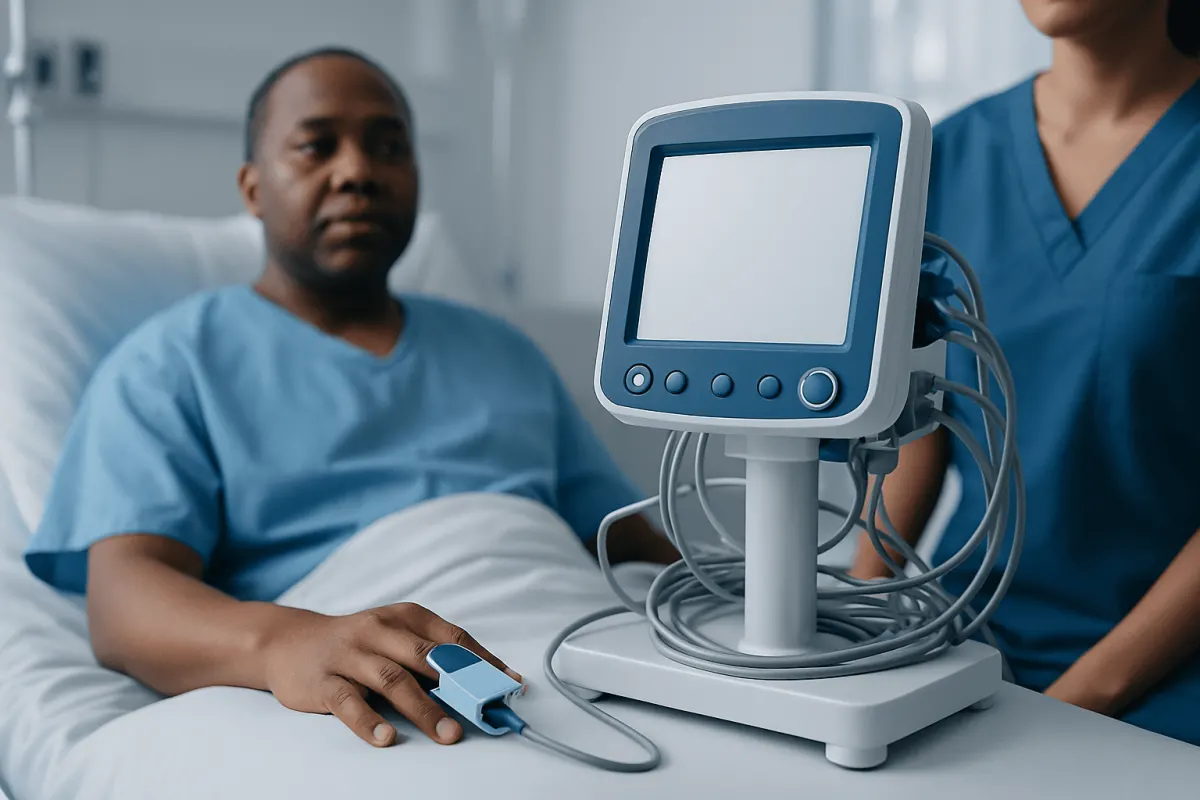
O2 saturation, also called oxygen saturation or SpO2, shows how much oxygen the red blood cells are carrying from the lungs to the body’s tissues. A pulse oximeter provides a useful estimate, but the number should always be interpreted alongside symptoms, medical history, altitude, and the quality of the measurement.
What O2 Saturation Means
O2 saturation is the percentage of hemoglobin, the oxygen-carrying protein in red blood cells, that is carrying oxygen. It is commonly written as SpO2 when estimated by a fingertip pulse oximeter, or SaO2 when measured directly in an arterial blood sample. Oxygen is essential because cells need it to produce energy and support normal organ function.
A pulse oximeter uses light passed through the fingertip, toe, or earlobe to estimate oxygen saturation. It does not measure how much air a person is moving, how hard they are working to breathe, or how much carbon dioxide is in the blood. Therefore, an O2 saturation result is one important piece of clinical information rather than a diagnosis by itself.
In everyday language, people may say “oxygen level” when referring to O2 saturation. This should not be confused with oxygen concentration in the air or with the amount of oxygen dissolved in blood. A clinician may use additional tests when more detail is needed, particularly if symptoms are significant or a reading is unexpectedly low.
What Is a Normal O2 Saturation?
For most healthy adults and children at sea level, an SpO2 of 95% to 100% is generally considered typical. A reading slightly below this range does not automatically mean an emergency, especially if it is a one-time result, the person has no symptoms, or the device reading may be unreliable. Trends and the person’s usual baseline are often more informative than a single number.
Some people with chronic lung conditions, including certain forms of chronic obstructive pulmonary disease (COPD), may have a lower usual oxygen saturation and a personalized target set by their healthcare team. People living at higher altitudes can also have lower expected readings because the air contains less available oxygen pressure.
O2 saturation should be viewed in context. A person with a reading in the normal range can still need urgent care if they have severe breathing difficulty, chest pain, or altered alertness. Conversely, someone with a mildly reduced reading may be stable but should discuss it with a clinician if it persists or is different from their usual level.
- 95% to 100%: often typical at sea level for healthy people.
- Below 95%: may warrant repeating the measurement carefully and considering symptoms and medical history.
- Persistently low or falling readings: should be assessed by a healthcare professional, especially when accompanied by symptoms.
Why O2 Saturation Can Be Low
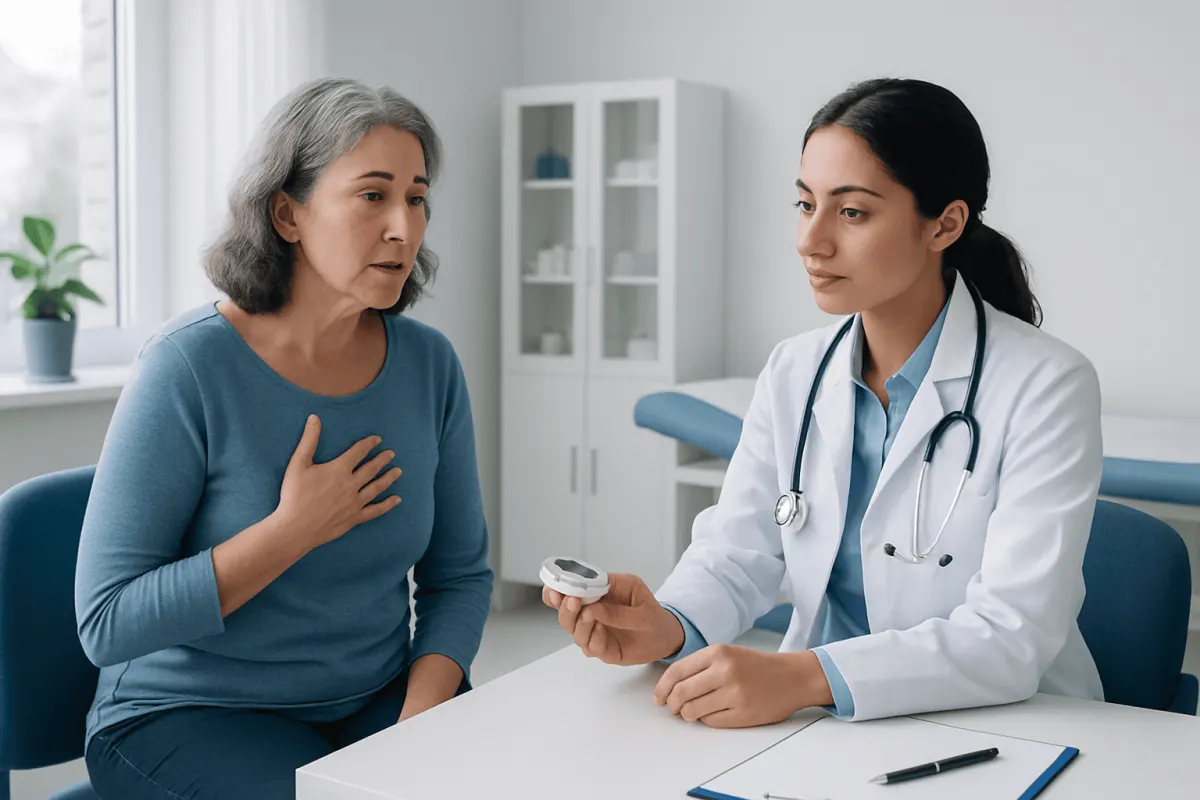
Low O2 saturation, sometimes called hypoxemia, occurs when the blood is not picking up or transporting enough oxygen. This can happen when the lungs are inflamed, infected, narrowed, or filled with fluid; when breathing is reduced during sleep; or when there is a problem affecting blood flow between the heart and lungs. The underlying cause determines the appropriate treatment.
Respiratory illnesses such as asthma flare-ups, pneumonia, COPD, pulmonary embolism, and severe viral infections may reduce oxygen exchange in the lungs. Sleep-disordered breathing can cause oxygen levels to fall intermittently overnight. For more information on breathing-related symptoms and conditions, readers may find asthma and chronic obstructive pulmonary disease helpful.
Heart disease, anemia, medication effects, neurological conditions that weaken breathing muscles, and exposure to high altitude can also influence oxygen delivery or measurements. Anemia may reduce the total oxygen-carrying capacity of blood even when the SpO2 number is normal, because pulse oximetry measures the percentage of available hemoglobin that is saturated, not the total amount of hemoglobin.
Not every low result reflects a medical problem. Cold fingers, low circulation, movement, an improperly positioned sensor, artificial nails, nail polish, bright external light, and device limitations can affect readings. Rechecking correctly is sensible, but ongoing concerns should not be dismissed as a device issue without medical guidance.
How to Use a Pulse Oximeter Correctly
Home pulse oximeters can help people monitor a known condition or check a symptom when advised by a clinician. To obtain the most reliable result, the person should sit quietly for several minutes, warm cold hands, remove nail polish or artificial nails when possible, and place the device securely on a clean fingertip. The hand should remain still until the displayed number settles.
It is useful to record the reading, pulse rate, date, time, symptoms, and relevant circumstances such as exercise, sleep, or altitude. Repeating the measurement on another finger can help identify an inconsistent result. A value that changes rapidly while the person is otherwise well may reflect measurement interference rather than a sudden clinical change.
Pulse oximeters have important limitations. Their accuracy can be reduced by poor circulation, darker skin pigmentation in some circumstances, movement, tobacco use, and certain medical conditions. They may also appear reassuring in carbon monoxide poisoning because standard devices cannot reliably distinguish oxygen-carrying hemoglobin from hemoglobin bound to carbon monoxide.
A home device should not replace medical evaluation. If a person feels significantly unwell, has worsening symptoms, or has been given an individualized oxygen plan, they should follow the plan and contact their healthcare team rather than relying only on repeated home readings.
How Doctors Evaluate an Abnormal Reading
When O2 saturation is lower than expected, clinicians first assess how the person looks and feels. They may ask about breathlessness, cough, fever, wheezing, chest discomfort, sleep symptoms, smoking exposure, recent travel, medication use, and pre-existing heart or lung disease. They will also check breathing rate, heart rate, temperature, blood pressure, and the reliability of the pulse oximeter measurement.
Depending on the situation, evaluation may include a chest examination, chest X-ray or other imaging, electrocardiogram, blood tests, lung function testing, or an arterial blood gas test. An arterial blood gas can provide a direct measurement of oxygen and carbon dioxide and helps clinicians understand acid-base balance when a person is seriously unwell.
Testing is chosen to identify the cause rather than simply to raise the number. For example, treatment for an asthma exacerbation differs from treatment for pneumonia, heart failure, a blood clot in the lung, or sleep apnea. A clinician may also review whether supplemental oxygen is appropriate and safe for the individual.
Acıbadem Health Point’s multidisciplinary specialists and JCI-accredited hospitals diagnose and treat respiratory, cardiac, and sleep-related conditions for international patients when specialist assessment is needed.
Treatment Depends on the Cause
There is no single treatment for low O2 saturation. Care focuses on the condition causing the change and on supporting breathing when necessary. Depending on the diagnosis, this may involve inhaled medicines, treatment for an infection, medicines to reduce fluid overload, management of a blood clot, treatment of a heart condition, or support for sleep-related breathing problems.
Supplemental oxygen is prescribed when it is clinically indicated. It should be used according to a clinician’s instructions, as excessive oxygen can be harmful in certain situations, including for some people with chronic carbon dioxide retention. Oxygen therapy is a treatment, not a substitute for identifying the underlying problem.
Some people need a planned assessment for sleep apnea when overnight oxygen dips are suspected, particularly if there is loud snoring, witnessed pauses in breathing, unrefreshing sleep, morning headaches, or daytime sleepiness. Sleep apnea treatment may include lifestyle measures, positive airway pressure therapy, oral devices, or other approaches selected after appropriate evaluation.
For chronic respiratory disease, a personalized action plan can help patients recognize early deterioration, use prescribed medicines correctly, and know when to seek help. Regular follow-up is particularly important after a hospitalization, a new diagnosis, or a change in oxygen needs.
Supporting Lung and Heart Health
Healthy habits cannot prevent every cause of low O2 saturation, but they can support lung and cardiovascular health. Avoiding smoking and secondhand smoke, keeping vaccinations up to date as advised, maintaining regular physical activity within personal limits, and managing long-term conditions can all be beneficial. People with respiratory disease should discuss appropriate exercise and vaccination plans with their clinician.
People who already use home oxygen or have chronic lung disease should not alter prescribed oxygen flow settings without medical advice. They should also keep equipment maintained, follow fire-safety precautions, and have a plan for travel and power interruptions if relevant. Symptoms, not only numbers, should guide decisions to seek care.
At high altitude, gradual ascent and attention to symptoms can reduce risk. New headaches, marked breathlessness at rest, confusion, unsteadiness, or a persistent decline in wellbeing at altitude need medical assessment. A lower SpO2 reading at altitude may be expected, but it should not be interpreted in isolation.
When to Seek Medical Care
Urgent medical care is needed for severe or rapidly worsening shortness of breath, chest pain or pressure, fainting, confusion, inability to speak in full sentences, or blue, gray, or unusually pale lips or face. These symptoms can signal a serious problem even if a pulse oximeter reading is unavailable, fluctuating, or appears normal.
A person should contact a healthcare professional promptly if O2 saturation remains below their normal range after careful repeat measurement, is declining over time, or is accompanied by new cough, fever, wheezing, swelling, fatigue, or reduced ability to carry out usual activities. Anyone with an individualized target range should follow the advice provided by their own care team.
Parents and caregivers should seek timely assessment for a child with labored breathing, persistent bluish or gray color around the lips, poor feeding, unusual sleepiness, or signs of respiratory distress. Children’s oxygen targets and illness patterns can differ from adults, so a clinician should guide interpretation.
Frequently asked questions
01Is O2 saturation the same as SpO2?
SpO2 is the oxygen saturation estimate shown by a pulse oximeter. O2 saturation is the broader term for the percentage of hemoglobin carrying oxygen. SaO2 usually refers to oxygen saturation measured more directly through an arterial blood test.
02What O2 saturation level is too low?
For many healthy people at sea level, readings below 95% should be rechecked and considered alongside symptoms. A persistently low, falling, or unusually low reading needs medical advice, particularly if the person has breathing symptoms. People with chronic lung disease may have individualized target ranges.
03Can anxiety lower O2 saturation?
Anxiety can cause a feeling of breathlessness, rapid breathing, chest tightness, or tingling, but it does not usually lower oxygen saturation in an otherwise healthy person. New or persistent symptoms should not automatically be attributed to anxiety, especially if there is chest pain, fever, wheezing, or a low reading.
04Why is my pulse oximeter reading low on one finger?
Cold hands, movement, poor circulation, nail products, or an imperfect sensor position can produce an inaccurate result. Rest, warm the hand, keep still, and repeat the measurement on another finger. If readings remain low or symptoms are present, contact a healthcare professional.
05Can a normal O2 saturation rule out lung disease?
No. A normal reading does not exclude all lung, heart, or blood conditions, especially early or mild disease. It also does not measure carbon dioxide levels or the effort required to breathe. Clinical symptoms and examination remain important.
06Should someone use oxygen if their home reading is low?
Oxygen should be used only if it has been prescribed or instructed by a qualified clinician. The correct use and target level depend on the cause of low saturation and the person’s medical history. If a low reading is new or accompanied by concerning symptoms, prompt medical assessment is safer than self-treatment.
This article is for general information only and is not a substitute for professional medical advice. Please consult a qualified doctor about your individual situation.
Explore treatments in Turkey — costs, top hospitals & a free quote
JCI-accredited · board-certified surgeons · reply within 24h
Add us as a Preferred Source to see more of our trusted health content across Google Search, AI Overviews and Discover.