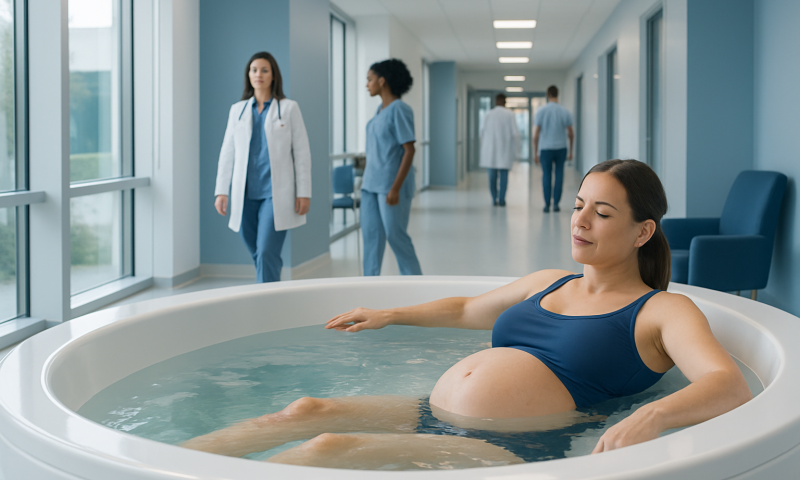
Can You Go in a Jacuzzi When Pregnant?

Key Takeaways
- Hot tubs and jacuzzis are usually not recommended in pregnancy because they can raise body temperature too quickly.
- The first trimester is the most sensitive period for heat exposure, but extra caution is wise throughout pregnancy.
- Warm baths, short showers, and temperature-controlled relaxation are safer alternatives.
- Symptoms such as dizziness, faintness, or overheating mean the person should get out of the water right away.
- A doctor can give personalized advice if there is a high-risk pregnancy, fever, or any concern about heat exposure.
In general, it is safest to avoid jacuzzis and hot tubs during pregnancy, especially in the first trimester, because high body temperature can be harmful to the developing baby. Safer warm-water alternatives and simple precautions can help pregnant people stay comfortable without unnecessary heat exposure.
Overview
For anyone asking can you go in a jacuzzi when pregnant, the practical answer is usually no, or at least not without a doctor’s specific advice. The concern is not the water itself, but the way a jacuzzi can raise core body temperature quickly, which is something pregnancy experts try to avoid.
Pregnancy changes how the body handles heat. Blood vessels widen, circulation shifts, and some people feel warm or lightheaded more easily than usual. A hot tub, spa pool, or jacuzzi may feel relaxing, but even a short soak can become too hot if the temperature is high or the person stays in the water too long.
Most guidance is especially cautious in early pregnancy, when the baby’s organs are developing. Because of that, many clinicians recommend choosing gentler ways to relax and leaving hot-water soaking for after pregnancy unless a qualified doctor says otherwise.
Why heat matters during pregnancy

The main issue with jacuzzis is elevated body temperature, also called hyperthermia. Pregnancy does not make a person fragile, but it does mean the body works harder to regulate heat. In a hot tub, the surrounding water can prevent natural cooling, making overheating more likely.
When the body temperature rises too much, symptoms may include dizziness, nausea, flushing, sweating, weakness, or a racing heartbeat. These signs are the body’s way of saying it is struggling to cool down. In pregnancy, that is a signal to get out of the water immediately, hydrate, and rest somewhere cool.
Heat exposure is most concerning during the first trimester, when the baby’s neural tube and major organs are forming. That does not mean any brief warmth is dangerous, but it does explain why healthcare teams are careful about repeated or intense heat exposure, including very hot baths, saunas, steam rooms, and jacuzzis.
Symptoms and warning signs to notice

Not everyone reacts to heat in the same way, so it helps to know the body’s early warning signs. If a pregnant person starts to feel faint, unusually tired, sweaty, or unsteady in a jacuzzi, the safest step is to leave the water and cool down.
Other signs that the body may be overheating include headache, blurred vision, nausea, palpitations, and confusion. These symptoms can progress quickly in hot, enclosed water, especially if the person is already dehydrated or has been standing up and sitting down repeatedly.
- Dizziness or lightheadedness
- Flushing or feeling overheated
- Nausea or vomiting
- Fast heartbeat
- Weakness or trouble standing
Any episode of fainting, chest pain, severe shortness of breath, or persistent unwellness deserves medical attention, whether or not the jacuzzi was the cause.
Causes and risk factors
Not every pregnant person faces the same level of risk from hot water. The temperature of the jacuzzi, the duration of exposure, the person’s hydration, and the overall health of the pregnancy all matter. A very hot tub can be more concerning than a mildly warm bath, and a long soak is more concerning than a brief dip.
Risk may be higher when pregnancy is already medically complex. People carrying multiples, those with fever or infection, or those with a history of pregnancy complications may need stricter limits. Dehydration, outdoor heat, and alcohol use would further increase risk, though alcohol should be avoided in pregnancy altogether.
Travel can add another layer. A person visiting a spa on holiday may be unfamiliar with the exact water temperature, the cleanliness standards, or how quickly help would be available if they felt unwell. That is one reason Myomectomy Recovery for International Patients: The Usual Travel Timeline" class="ahp-ilk">international patients often benefit from asking a doctor before deciding on any heat-based spa activity while pregnant.
Diagnosis and medical guidance
There is no special test for “jacuzzi exposure” in pregnancy. Instead, doctors assess the situation based on symptoms, pregnancy stage, how long the person was in the water, and whether the water was hot enough to raise body temperature significantly.
If overheating was brief and the person feels well afterward, reassurance and observation may be enough. If there were symptoms such as fainting, abdominal pain, bleeding, contractions, or reduced fetal movement later in pregnancy, a clinician may recommend an evaluation to check both maternal and fetal well-being.
A doctor may also discuss the person’s broader pregnancy plan, including travel, exercise, hydration, and safe ways to relax. For someone who is receiving care in another country, a clear summary of prenatal records can help a local obstetric team give advice that fits the individual situation.
Treatment options and safer alternatives
There is usually no “treatment” needed for a simple, brief jacuzzi exposure if the person has no symptoms. The immediate steps are to get out of the hot water, move to a cooler place, drink fluids, and rest. If symptoms do not settle promptly, medical help should be sought.
When relaxation is the goal, there are safer choices during pregnancy. A warm—not hot—bath can be reasonable for many people if the water stays comfortably warm and the person does not feel overheated. Short showers, foot soaks with lukewarm water, prenatal massage from a qualified professional, breathing exercises, and side-lying rest can also be calming.
In some cases, a doctor may suggest avoiding all hot-water soaking, especially if the pregnancy is high-risk. That advice is not meant to take away comfort; it is meant to lower preventable stress on the body while preserving safer forms of relaxation.
Prevention and self-care
The simplest prevention strategy is to avoid jacuzzis and hot tubs during pregnancy unless a clinician has said they are acceptable in that specific situation. If a pregnant person is traveling, it helps to check the spa temperature in advance and not rely on a “feels fine” impression, because body temperature can rise before discomfort becomes obvious.
Self-care during pregnancy works best when it supports cooling rather than heating. Drinking water regularly, avoiding long periods in the sun, wearing breathable clothing, and choosing moderate indoor environments can reduce the chance of heat strain. If a bath is chosen, it should be kept warm rather than hot, and the person should stand up slowly afterward to avoid dizziness.
For those who miss the spa experience, it may help to build a different ritual: a comfortable chair, a cool drink, a gentle foot rub, calming music, or a brief guided breathing exercise. These small changes can preserve the sense of rest without the heat exposure that hot tubs create.
When to see a doctor
Medical advice is worthwhile if the pregnant person has been in a jacuzzi and develops dizziness, fainting, abdominal pain, bleeding, contractions, or a persistent headache. It is also sensible to seek guidance if there is fever, dehydration, a high-risk pregnancy, or any uncertainty about what the temperature exposure may mean.
A routine prenatal conversation is also a good time to ask about hot baths, travel plans, spa use, swimming, and other comfort activities. That discussion can be especially useful for patients who are receiving care away from home and want practical guidance that fits both their pregnancy and their travel schedule.
Acibadem Health Point’s multidisciplinary specialists and JCI-accredited hospitals diagnose and treat pregnancy-related concerns for international patients, including questions about safe daily activities. The goal is to give clear, individualized advice so expectant parents can feel informed and supported.
A practical way to think about it
If a person is pregnant and wondering whether a jacuzzi is harmless, the safest default is to treat it as something to avoid. The body’s heat tolerance changes during pregnancy, and the developing baby is more sensitive than the adult may realize.
That does not mean comfort, rest, or pampering are off-limits. It simply means choosing lower-heat options that offer relaxation without the risk of overheating. When in doubt, a brief conversation with an obstetrician, midwife, or maternal-fetal medicine specialist can provide peace of mind and a plan that feels both safe and realistic.
Frequently asked questions
01Can you go in a jacuzzi when pregnant if it is only for a few minutes?
Even a short time in a hot jacuzzi can raise body temperature more than is ideal in pregnancy. Because temperature, not just time, is the main concern, many clinicians advise avoiding it rather than trying to time a brief soak. If there is any uncertainty, a doctor can give individualized guidance.
02Is the first trimester the only time jacuzzis are a concern?
The first trimester is the most sensitive period because major organs are forming, so caution is especially important then. However, overheating is not desirable at any stage of pregnancy, so many healthcare professionals recommend avoiding hot tubs throughout pregnancy.
03Are warm baths safer than jacuzzis during pregnancy?
A warm bath is generally less concerning than a jacuzzi because it is usually easier to keep the temperature moderate and to leave the water if needed. The water should feel comfortably warm, not hot, and the person should avoid staying in too long. If the bath causes sweating or dizziness, it is too warm.
04What should a pregnant person do after accidentally using a hot tub?
They should get out of the water, cool down gradually, and drink fluids. If they feel faint, have abdominal pain, bleeding, contractions, or do not feel well afterward, they should contact a healthcare professional. A single brief exposure does not always mean harm, but it should be discussed if symptoms occur.
05Can jacuzzis affect the baby?
The concern is that high maternal body temperature can be stressful for fetal development, especially early in pregnancy. That is why prevention is emphasized. The actual effect depends on how hot the water was, how long exposure lasted, and whether symptoms developed.
06What are some safer ways to relax during pregnancy?
Gentle stretching, lukewarm baths, foot soaks, breathing exercises, and rest in a cool room are usually better options. A prenatal massage from a qualified provider may also be appropriate. A doctor or midwife can suggest choices that match the person’s pregnancy stage and comfort level.
This article is for general information only and is not a substitute for professional medical advice. Please consult a qualified doctor about your individual situation.
Persistent digestive symptoms? Get evaluated in Turkey
JCI-accredited · board-certified surgeons · reply within 24h
Add us as a Preferred Source to see more of our trusted health content across Google Search, AI Overviews and Discover.