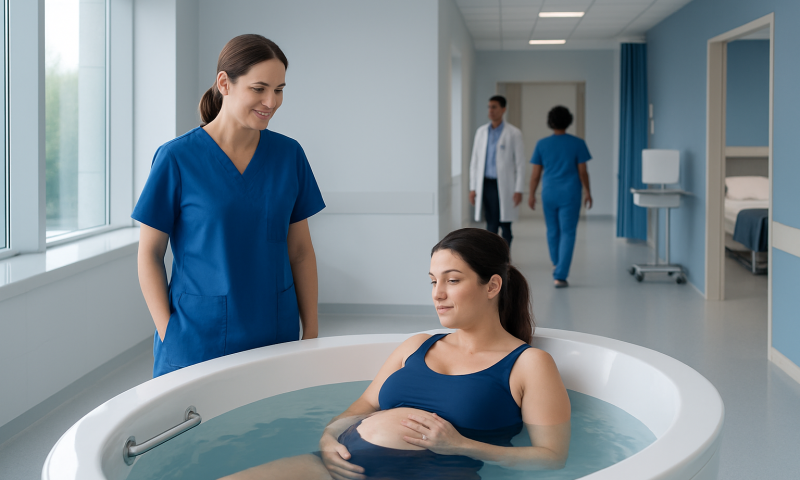
Support Belt for Pregnant Women: What You Need to Know
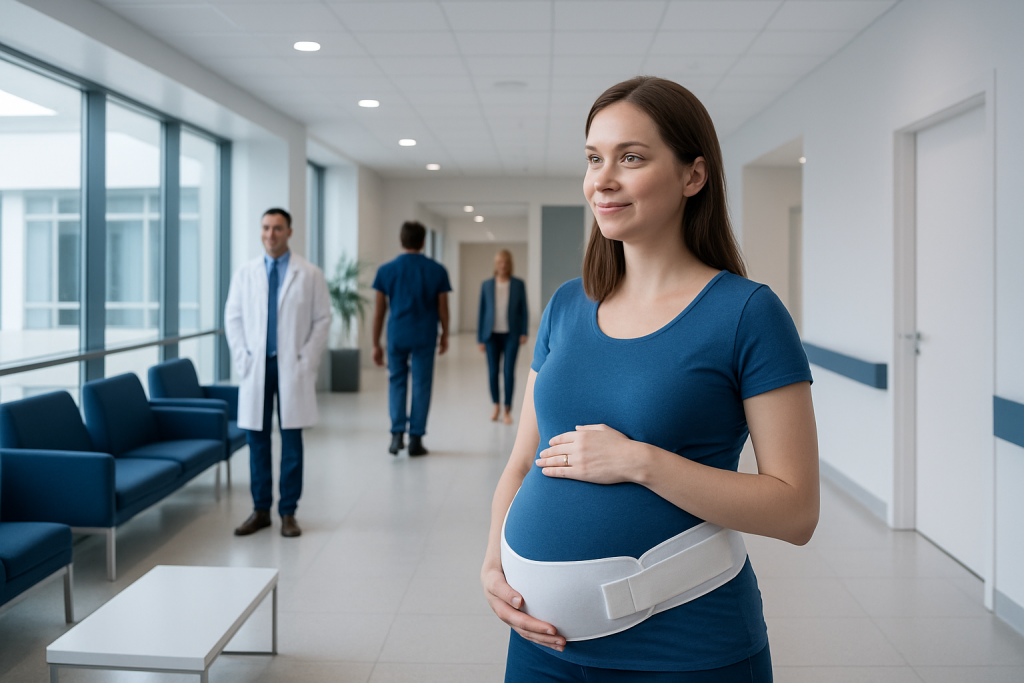
Key Takeaways
- A support belt for pregnant women may help ease back, pelvic, or round-ligament discomfort.
- It should fit comfortably and support, not squeeze, the abdomen.
- A belt is a symptom aid, not a substitute for medical evaluation if pain is severe or unusual.
- It works best as part of a broader plan that may include posture changes, movement, and physiotherapy advice.
- Pregnant patients should ask a clinician before using one if they have high-risk pregnancy concerns or specific medical conditions.
A support belt for pregnant women is a simple non-drug aid that may help reduce pressure on the lower back, pelvis, and abdomen during pregnancy. It can be useful for some people, but choosing the right type and using it safely matters.
Overview
A support belt for pregnant women is designed to provide gentle external support as the belly grows and the body’s center of gravity shifts. Many people use it to make walking, standing, or everyday activities feel more manageable when the lower back, pelvis, or abdominal wall starts to feel strained.
The belt is not a treatment for every pregnancy discomfort, and it is not meant to replace medical care. Still, for some pregnant women, it can be a practical comfort tool, especially during the second and third trimesters when extra weight and posture changes can make movement feel harder.
In real-world pregnancy care, the question is often not whether a belt is “good” or “bad,” but whether it matches the person’s symptoms, body shape, and stage of pregnancy. A clinician, midwife, or physiotherapist can help decide whether a maternity support belt is likely to be helpful and how it should be worn.
Common Symptoms a Support Belt May Help With
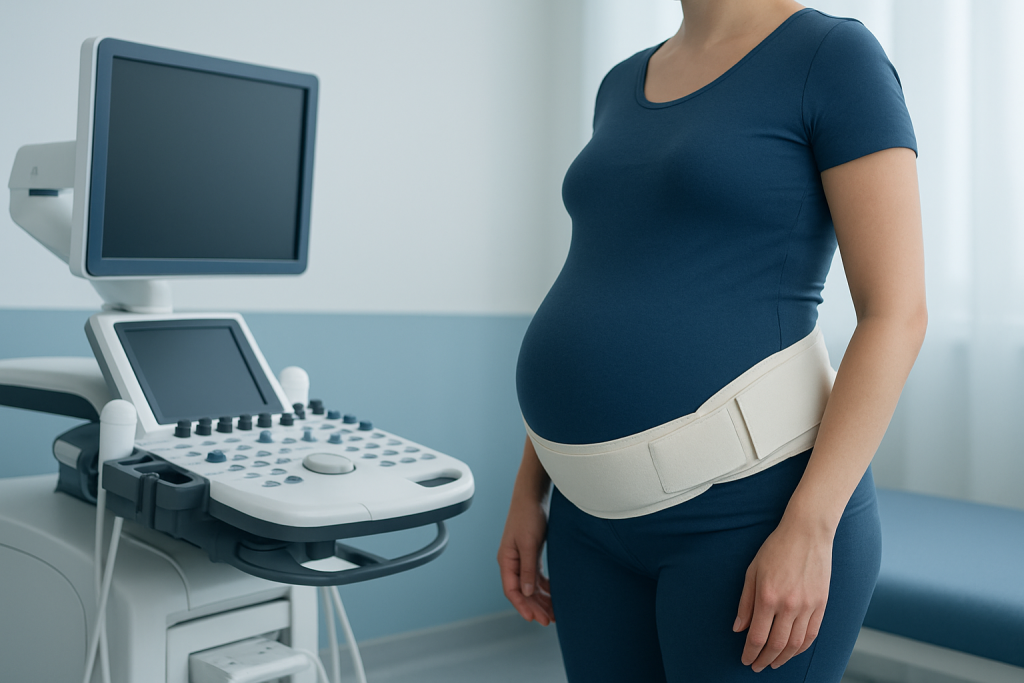
People usually look into a pregnancy support belt because of discomfort rather than a specific diagnosis. The most common reasons include lower back pain, aching around the pelvis, pressure in the lower abdomen, or a feeling of heaviness when standing for long periods.
Some pregnant women also describe pain that becomes sharper when they change position, climb stairs, walk farther than usual, or roll over in bed. In those situations, a belt may reduce movement-related strain and help the abdomen feel more supported.
Possible situations where a belt may be discussed include:
- Low back pain related to posture changes
- Pelvic girdle pain or pubic discomfort
- Abdominal heaviness during daily activity
- General support during movement or work shifts
It is important to remember that not all pain in pregnancy is ordinary. New, severe, or one-sided pain, contractions, bleeding, fever, or reduced fetal movement should be evaluated promptly rather than managed with a belt alone.
Why Discomfort Happens: Causes & Risk Factors
Pregnancy changes how the body carries weight. As the uterus grows, the abdominal muscles and ligaments stretch, posture shifts forward, and the lower back often works harder to keep balance. Hormonal changes also loosen ligaments, which can make joints feel less stable.
These changes can lead to discomfort even in a healthy pregnancy. Certain factors may make symptoms more noticeable, such as carrying multiples, having a physically demanding routine, standing for long periods, or having a history of back pain or pelvic joint problems before pregnancy.
Some pregnant women are more sensitive to movement-related pain because their core muscles fatigue quickly or because the pelvic joints are irritated. In those cases, a support belt may offer a sense of stability, but it works best when the underlying cause of pain has been considered and when other supportive measures are also in place.
How Doctors Evaluate the Problem
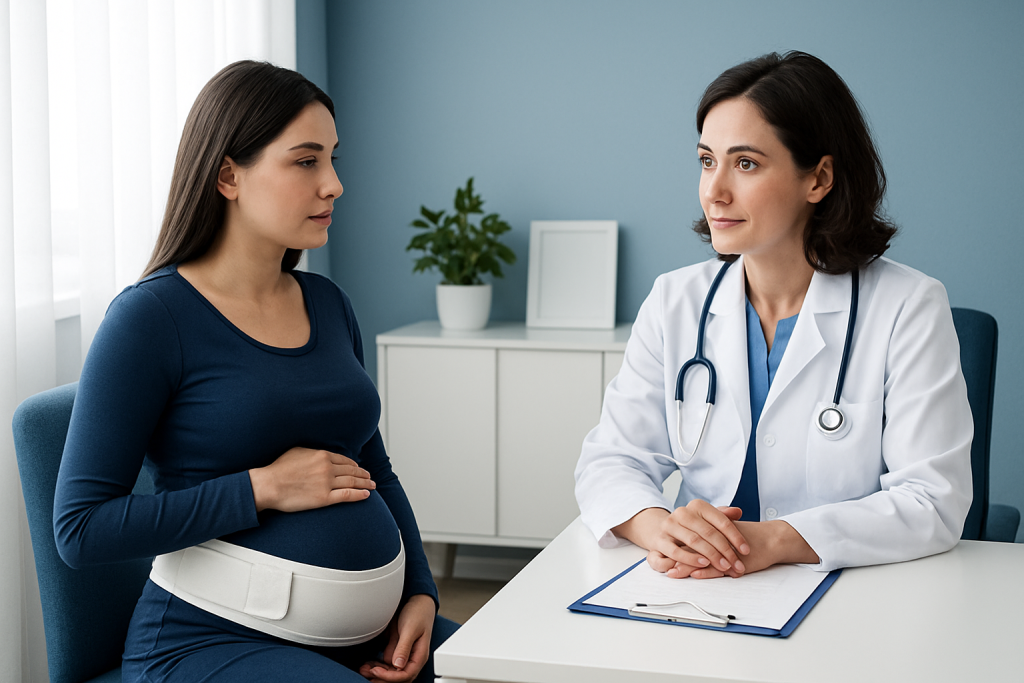
Before recommending a support belt, a clinician will usually ask where the pain is located, what makes it better or worse, how far along the pregnancy is, and whether the symptoms are affecting daily life. They may also check posture, gait, abdominal tenderness, and signs of pelvic joint irritation.
In many cases, the evaluation is based on history and physical examination. If the symptoms suggest something other than ordinary musculoskeletal discomfort, the clinician may suggest additional assessment to rule out causes that need specific treatment.
For Myomectomy Recovery: Healing Time, Activity Limits, and Fertility Planning" class="ahp-ilk">Myomectomy Recovery for International Patients: The Usual Travel Timeline" class="ahp-ilk">international patients seeking care while traveling, this step is especially important because an unfamiliar environment can make it harder to judge what is normal. A clear evaluation helps make sure the belt is being used for the right reason and that any warning signs are not overlooked.
Treatment Options and How a Support Belt Fits In
A support belt is usually one part of a broader comfort plan, not the only solution. Other measures may include posture adjustments, activity pacing, physiotherapy-guided exercises, better footwear, and practical changes such as avoiding prolonged standing or lifting heavy objects.
There are different types of belts. Some are simple elastic bands, while others provide firmer pelvic support or abdominal lift. The best choice depends on the symptom pattern and how far the pregnancy has progressed. A belt should feel snug but never overly tight, and it should not cause numbness, pain, or breathing difficulty.
Safe use matters. Many clinicians advise wearing the belt during activity rather than all day, unless a health professional recommends otherwise. It should be easy to remove, and the skin underneath should be checked for irritation. If symptoms worsen while wearing it, the fit or the diagnosis should be reconsidered.
For women who need coordinated care, multidisciplinary teams can be useful. At Acibadem Health Point, multidisciplinary specialists and JCI-accredited hospitals diagnose and treat this condition for international patients, with attention to obstetric care, pain management, and rehabilitation when needed.
Prevention & Self-care
Support belts are most helpful when they are combined with everyday habits that reduce strain. Gentle movement, frequent position changes, and attention to posture often make a meaningful difference. Simple strategies such as sitting with back support, avoiding a sudden twist at the waist, and keeping weight evenly distributed can help.
Pregnant women may also benefit from basic core and pelvic stability advice from a qualified physiotherapist, as long as the exercises are appropriate for pregnancy. Rest, hydration, and supportive shoes can also reduce the sense of fatigue that often makes pain feel worse by the end of the day.
Self-care tips to consider:
- Put the belt on over light clothing and adjust it comfortably
- Use it during tasks that trigger pain, not necessarily continuously
- Avoid tightening it enough to compress the abdomen
- Pair it with walking, stretching, or physiotherapy advice if approved by a clinician
- Stop using it and seek advice if skin irritation or worsening pain appears
Pregnant women who travel for care should plan rest time, keep follow-up appointments organized, and ask how to continue the same support plan at home after returning to another country.
When to See a Doctor
Medical advice is important if pain is strong, persistent, or interfering with sleep, walking, or daily tasks. A clinician can confirm whether the discomfort is likely musculoskeletal and help decide whether a support belt is suitable or whether another approach would be better.
Prompt assessment is especially important if there is bleeding, leaking fluid, fever, contractions, sudden swelling, headache with visual changes, pain with urination, or decreased fetal movement. These symptoms deserve medical review rather than self-management.
It is also wise to seek guidance before using a maternity support belt if the pregnancy is considered high risk, if there is a history of abdominal surgery, or if the woman is unsure whether the pain is coming from the back, pelvis, or something else. A careful discussion can prevent unnecessary discomfort and make support safer and more effective.
Frequently asked questions
01What does a support belt for pregnant women do?
A support belt may help reduce pressure on the lower back, pelvis, and abdomen by providing external support. It can make walking, standing, or other daily activities feel more comfortable for some pregnant women. It does not treat the underlying cause of pregnancy pain, so it is best used as part of a broader care plan.
02When is the best time to start using a pregnancy support belt?
There is no single ideal time, because it depends on symptoms and pregnancy stage. Many women consider one in the second or third trimester when belly growth and posture changes become more noticeable. A clinician can help decide whether the timing makes sense for the individual.
03Can a maternity belt hurt the baby?
When used correctly, a support belt should not harm the baby. It should feel snug but not tight enough to compress the abdomen or cause discomfort. If the belt causes pain, shortness of breath, numbness, or skin problems, it should be adjusted or stopped and discussed with a clinician.
04Should a support belt be worn all day?
Usually, it is worn during activities that trigger discomfort rather than continuously throughout the day. Wearing it for long periods without guidance may be unnecessary or uncomfortable for some people. A doctor or physiotherapist can recommend a more specific schedule if needed.
05Can a support belt replace physiotherapy or exercise in pregnancy?
No, it is not a replacement for other helpful measures. Many women do better when a belt is combined with posture changes, safe movement, and physiotherapy-guided exercises. The belt is best thought of as one supportive tool, not the whole solution.
06Who should ask a doctor before using one?
Anyone with a high-risk pregnancy, severe pain, unusual symptoms, or a history of pelvic or abdominal problems should ask first. It is also sensible to check with a clinician if the person is unsure about the cause of discomfort. A quick assessment can help confirm whether a belt is appropriate.
This article is for general information only and is not a substitute for professional medical advice. Please consult a qualified doctor about your individual situation.
Joint and spine care in Turkey — expert assessment & treatment
JCI-accredited · board-certified surgeons · reply within 24h
Add us as a Preferred Source to see more of our trusted health content across Google Search, AI Overviews and Discover.