Can You Get Pregnant While Taking the Pill?
Yes, pregnancy can happen while taking the birth control pill, but it is uncommon with consistent, correct use. A late or missed withdrawal bleed is often not caused by pregnancy, yet taking a pregnancy test is the clearest first step when there has been missed medication, possible contraceptive failure, or pregnancy symptoms.
Can You Get Pregnant on the Pill?
Yes, it is possible to get pregnant on the pill, although this is uncommon when pills are taken consistently and correctly. Many people who have a lighter, late, or absent withdrawal bleed while using the pill are not pregnant; hormonal contraception can itself change bleeding patterns. Still, a pregnancy test is sensible if a period-like bleed does not occur as expected, pills were missed, or pregnancy symptoms develop.
The pill works mainly by preventing ovulation. It also thickens cervical mucus and changes the lining of the uterus, making pregnancy less likely. Its effectiveness depends on the type of pill and, importantly, how reliably it is used. Taking a pill at the same time every day and starting each new pack on schedule gives the strongest protection.
There are two main types: combined oral contraceptive pills, which contain estrogen and progestin, and progestin-only pills. Both can be very effective, but progestin-only pills may have a narrower window for taking a late dose, depending on the formulation. A pharmacist or prescribing clinician can explain the instructions for the specific pill being used.
Why Pregnancy Can Happen While Taking the Pill
The most common reason for pregnancy on the pill is not taking it as directed. Missing one or more active pills, starting a new pack late, extending the hormone-free interval, or taking pills inconsistently can allow ovulation to occur. The likelihood depends on how many pills were missed, where they were in the pack, and the type of pill.
Vomiting shortly after taking a pill may mean the body did not absorb it. Severe or prolonged diarrhea can also affect absorption. In these situations, the pill instructions usually recommend treating the dose as missed and using condoms or avoiding sex for a short period. The product leaflet and a pharmacist can provide advice tailored to the brand and pill type.
Some medicines and herbal products can make hormonal contraception less reliable. Important examples include certain medicines used for seizures, tuberculosis treatment such as rifampicin or rifabutin, some HIV medicines, and the herbal product St John’s wort. Most commonly prescribed antibiotics do not reduce pill effectiveness, but it is still wise to ask the prescriber or pharmacist about any new medication.
- Missing pills or taking them much later than advised
- Starting the next pack late or having a longer-than-planned break
- Vomiting or severe diarrhea around the time of a dose
- Using medicines or supplements that speed up hormone breakdown
- Not using backup contraception when the pill instructions recommend it
Possible Pregnancy Symptoms While on the Pill

Early pregnancy symptoms can overlap with common effects of the pill and with premenstrual symptoms. Breast tenderness, nausea, fatigue, mood changes, bloating, spotting, and changes in appetite do not confirm pregnancy on their own. Some people also have no noticeable symptoms in early pregnancy.
A missed withdrawal bleed can be concerning, but it is not always a sign of pregnancy. Combined pills can make bleeding lighter, and some people do not bleed every month. Progestin-only pills may cause irregular spotting or no bleeding at all. Stress, illness, weight changes, and changes in routine can also affect bleeding patterns.
A home urine pregnancy test is more reliable than trying to interpret symptoms. It is generally best to test from the first day of a missed period-like bleed or at least 21 days after unprotected sex if bleeding is irregular. If the result is negative but pregnancy remains possible, repeating the test after several days or speaking with a clinician is appropriate.
What to Do After a Missed Pill or Possible Contraceptive Failure
The safest next step depends on the pill type, the number of pills missed, and the timing within the pack. In general, a person should take the most recently missed active pill as soon as they remember, continue the remaining pills as scheduled, and check the packet instructions for whether backup contraception is needed. Taking two pills in one day is sometimes advised to catch up, but the individual leaflet should guide this decision.
If unprotected sex occurred after missed pills or another possible contraceptive failure, emergency contraception may be an option. It works best when used as soon as possible, and the most suitable method depends on timing, the regular pill being used, medical history, and local availability. A pharmacist, sexual health clinic, or doctor can provide prompt guidance.
Do not stop taking the pill solely because pregnancy is suspected unless a clinician advises otherwise. If a pregnancy test is positive, contact a healthcare professional to discuss the result and next steps. Accidental use of birth control pills in early pregnancy has not been shown to cause birth defects, but the pill is no longer needed once pregnancy is confirmed.
How a Doctor Checks for Pregnancy and Other Causes
A clinician will usually begin by asking about the pill name, how it has been taken, missed doses, vomiting or diarrhea, recent sex, bleeding, symptoms, and other medicines or supplements. This information helps estimate whether ovulation or pregnancy could have occurred and whether the contraceptive plan needs adjustment.
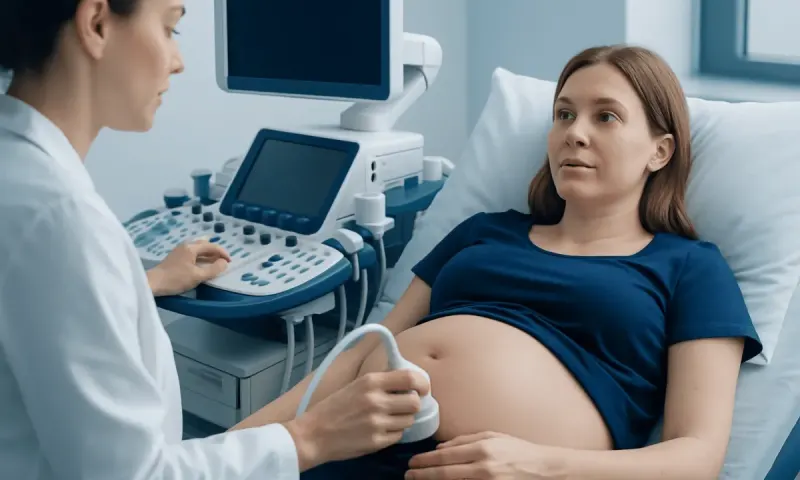
Testing may include a urine pregnancy test or a blood test for human chorionic gonadotropin (hCG), the pregnancy hormone. Blood testing can be useful when results are unclear, symptoms are concerning, or pregnancy may be very early. If pregnancy is confirmed, the clinician may arrange an ultrasound at the appropriate time to check that the pregnancy is developing in the uterus.
A doctor may also consider other explanations for missed bleeding or symptoms, such as the expected effects of hormonal contraception, stress, thyroid conditions, weight changes, infection, or ovarian cysts. The assessment is individualized, and most changes in bleeding while taking the pill are not dangerous. However, persistent symptoms deserve medical review rather than repeated reassurance alone.
When to Seek Medical Care
Arrange non-urgent medical advice if a pregnancy test is positive, if pregnancy tests remain negative but bleeding has been absent for more than one cycle, or if there have been repeated missed pills and uncertainty about protection. A clinician can review pill-taking technique, check for medicine interactions, and help choose a method that better suits the person’s routine if needed.
Seek urgent medical care for a positive pregnancy test together with severe or worsening lower abdominal pain, pain mainly on one side, unusual vaginal bleeding, fainting, marked dizziness, or pain at the tip of the shoulder. These symptoms can occasionally indicate an ectopic pregnancy, where a pregnancy develops outside the uterus. The overall risk of pregnancy is low on the pill, but prompt assessment is important whenever these warning signs occur.
Urgent advice is also appropriate for severe chest pain, sudden shortness of breath, coughing blood, sudden severe headache, vision changes, or painful swelling in one leg while using a combined pill. These are uncommon but can be signs of a blood clot and should not be ignored.
Staying Protected and Looking After Reproductive Health
Simple habits can make the pill easier to use effectively: set a daily alarm, keep a spare pack available, refill prescriptions early, and review the instructions when traveling across time zones. If daily pill-taking is difficult, a clinician can discuss longer-acting options such as an implant, hormonal intrauterine device, copper intrauterine device, injection, patch, or vaginal ring.
Condoms remain important for reducing the risk of sexually transmitted infections. The pill prevents pregnancy but does not protect against infections such as chlamydia, gonorrhea, HIV, or syphilis. Testing may be appropriate after a new sexual partner, unprotected sex, symptoms of infection, or a partner’s diagnosis.
For Myomectomy Recovery for International Patients: The Usual Travel Timeline" class="ahp-ilk">international patients, Acıbadem Health Point’s multidisciplinary specialists and JCI-accredited hospitals can assess contraceptive concerns, investigate possible pregnancy, and provide individualized reproductive health care. A qualified clinician can help ensure that the chosen contraceptive method is safe, practical, and aligned with personal health needs.
Frequently asked questions
01Can you get pregnant on the pill if you take it every day?
Pregnancy is unlikely when the pill is taken correctly every day, but no contraceptive method is 100% effective. Risk can increase if pills are taken late, a new pack is started late, or absorption is affected by vomiting or severe diarrhea. A pregnancy test can clarify concerns after a missed bleed or possible pill error.
02How soon can I take a pregnancy test after missing birth control pills?
A home test is generally reliable from the first day of a missed period-like bleed. If bleeding is irregular or absent because of the pill, testing at least 21 days after unprotected sex is a useful guide. Repeat the test after several days or seek medical advice if the result is negative but concerns continue.
03Does a missed withdrawal bleed always mean pregnancy?
No. Hormonal birth control can make withdrawal bleeds lighter, irregular, or absent, especially with continuous use or progestin-only pills. However, pregnancy should be ruled out with a test when pills were missed, the next pack was started late, or symptoms suggest pregnancy.
04What medicines can make the pill less effective?
Some enzyme-inducing medicines can reduce the effectiveness of hormonal contraception, including certain treatments for epilepsy, tuberculosis, and HIV, as well as St John's wort. Most routine antibiotics do not have this effect, apart from specific drugs such as rifampicin and rifabutin. A pharmacist should check all prescription medicines, over-the-counter products, and supplements.
05Should I stop taking the pill if I think I might be pregnant?
It is usually best to take a pregnancy test and contact a healthcare professional for advice rather than making changes based only on symptoms. If pregnancy is confirmed, the pill is no longer needed. Inadvertent pill use early in pregnancy has not been shown to cause birth defects.
06Can pregnancy on the pill be ectopic?
An ectopic pregnancy is uncommon, and the pill reduces the overall chance of any pregnancy. However, any pregnancy that occurs while using contraception should be assessed, particularly if there is one-sided pelvic pain, bleeding, dizziness, fainting, or shoulder-tip pain. These symptoms need urgent medical evaluation.
This article is for general information only and is not a substitute for professional medical advice. Please consult a qualified doctor about your individual situation.
Persistent digestive symptoms? Get evaluated in Turkey
JCI-accredited · board-certified surgeons · reply within 24h
Add us as a Preferred Source to see more of our trusted health content across Google Search, AI Overviews and Discover.