Can You Take an Epsom Salt Bath While Pregnant?
Can you take an Epsom salt bath while pregnant? For most people with an uncomplicated pregnancy, a brief warm bath with Epsom salt is generally considered low risk, provided the water is not hot enough to raise body temperature or cause dizziness. However, Epsom salt baths have limited evidence for pregnancy-specific benefits, and new pain, bleeding, fluid leakage, contractions, fever, or faintness should be assessed by a maternity clinician rather than managed at home.
Can You Take an Epsom Salt Bath While Pregnant?
For most people with an uncomplicated pregnancy, taking a short Epsom salt bath in comfortably warm water is generally considered low risk. The main safety concern is not the salt itself, but becoming overheated, dehydrated, dizzy, or slipping when getting in or out of the bath. Water should feel pleasantly warm rather than hot, and a person should be able to sit comfortably without sweating or feeling flushed.
Epsom salt is magnesium sulfate. It is commonly added to baths for relaxation and temporary relief of sore muscles, but there is limited high-quality research showing that an Epsom salt bath provides specific medical benefits during pregnancy. It should not be used as a replacement for assessment of significant back pain, swelling, cramps, headache, or other new symptoms.
People with pregnancy complications, a high-risk pregnancy, broken or irritated skin, or a history of fainting should ask their obstetrician or midwife before using a bath for symptom relief. When in doubt, a warm shower, gentle stretching, rest, or clinician-approved comfort measures may be a simpler option.
Why Heat Matters More Than Epsom Salt
During early pregnancy especially, sustained elevation of core body temperature is best avoided. Hot tubs, saunas, steam rooms, and very hot baths can raise body temperature more quickly than a warm bath. They can also widen blood vessels, which may lead to light-headedness, lower blood pressure, nausea, or fainting.
A safer approach is to use warm water rather than hot water, keep the bath brief, and leave immediately if overheating develops. Signs that the water is too warm include sweating, a racing heartbeat, flushed skin, dizziness, nausea, weakness, or feeling short of breath. Drinking water before and after bathing can help support hydration.
Bathroom safety is also important in pregnancy, when changes in balance and blood pressure may increase fall risk. A non-slip mat, a stable surface to hold, and help from another adult if a person feels unsteady can make bathing safer. It is best not to bathe alone if there is a tendency to faint or severe dizziness.
What an Epsom Salt Bath May and May Not Help

Warm water can relax tense muscles and may temporarily ease mild back discomfort, leg fatigue, or general soreness. The calming routine of a bath may also support relaxation before sleep. These effects are mainly related to warmth, buoyancy, and rest; they should be viewed as comfort measures rather than treatment for an underlying health concern.
Although Epsom salt contains magnesium, it is not known how much magnesium is absorbed through healthy skin in a typical bath. Therefore, an Epsom salt bath should not be relied on to correct low magnesium levels, prevent preeclampsia, relieve persistent leg cramps, reduce swelling, induce labor, or treat constipation. A clinician can advise on safe and effective options when these concerns are present.
It is sensible to choose plain, unscented Epsom salt if using it, as fragranced products, essential oils, dyes, or foaming additives can irritate sensitive skin. People with eczema, open cuts, a rash, vaginal irritation, or recurrent infections may be more comfortable avoiding bath additives and discussing symptoms with a healthcare professional.
Symptoms That Should Not Be Managed With a Bath
Mild aches can be common as pregnancy progresses, but some symptoms need medical assessment rather than home comfort measures. Sudden or severe abdominal pain, one-sided pelvic pain, persistent back pain with pressure, or pain that comes in regular waves may indicate a condition that needs prompt review.
Contact a maternity clinician urgently for vaginal bleeding, a gush or ongoing trickle of fluid, fever, severe headache, visual changes, chest pain, difficulty breathing, fainting, marked swelling of the face or hands, or pain and swelling in one leg. Later in pregnancy, a noticeable reduction or change in fetal movements should also be discussed promptly according to the care team’s instructions.
New burning with urination, frequent urgent urination, lower abdominal pain, or fever can occur with a urinary tract infection. A bath may feel soothing, but it will not treat an infection. Timely evaluation is important in pregnancy because appropriate treatment can protect both the pregnant person and the developing baby.
How a Doctor Evaluates Pain, Cramping, or Other Concerns
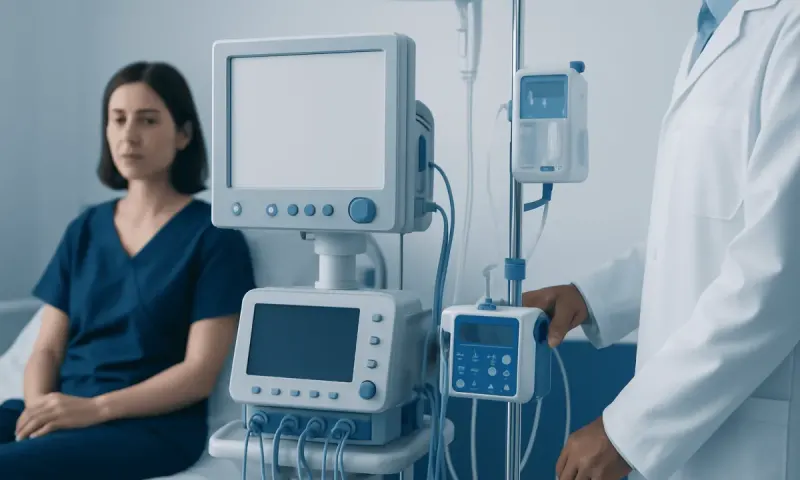
If symptoms arise after bathing or are the reason a person is considering an Epsom salt bath, a doctor or midwife will begin by asking about the timing, location, severity, and pattern of symptoms. They may ask about bleeding, fluid loss, contractions, fever, urinary symptoms, fetal movement, medical history, medicines, and possible dehydration or overheating.
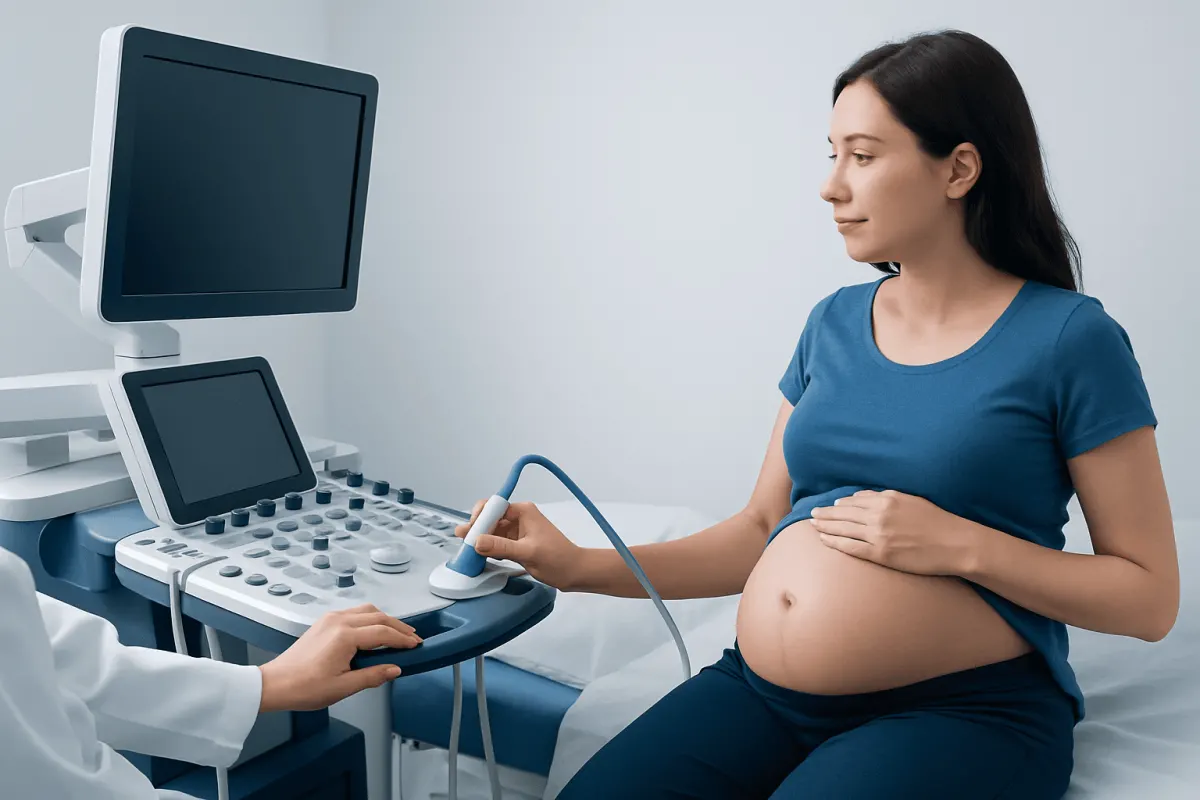
Depending on gestational age and the concern, assessment may include checking blood pressure, temperature, pulse, urine, and abdominal tenderness. The clinician may listen to the fetal heartbeat, monitor contractions, perform an examination when appropriate, or arrange blood tests and ultrasound. These steps help distinguish common pregnancy discomforts from issues such as infection, preterm labor, dehydration, or hypertensive disorders.
Seeking evaluation does not mean that a serious problem is likely. Most pregnancy discomforts have manageable explanations, and assessment provides reassurance as well as an opportunity to identify concerns early. A clinician can also recommend pregnancy-appropriate approaches for back pain, pelvic discomfort, swelling, sleep difficulties, or skin symptoms.
Practical Tips for a Safer Bath
For someone whose maternity clinician has not advised against bathing, a few practical steps can reduce risk. Use warm water rather than hot water, limit time in the bath, keep drinking water nearby, and get out if any discomfort occurs. It is best to avoid alcohol, sedating medicines not prescribed for this purpose, and any situation that makes it harder to recognize overheating or dizziness.
- Test the water first; it should feel comfortably warm, not intensely hot.
- Avoid hot tubs, saunas, and steam rooms during pregnancy.
- Use a clean tub and avoid sharing bathwater if there is an active skin infection.
- Do not use bath products that cause stinging, itching, or irritation.
- Stand up slowly and use non-slip support when leaving the bath.
For ongoing muscle or back discomfort, gentle movement, supportive footwear, pregnancy pillows, clinician-approved exercise, and physical therapy may be useful. Persistent pain deserves individualized advice, particularly if it affects walking, sleep, or daily activities. A clinician may discuss options such as physical therapy and rehabilitation when appropriate.
When to Seek Medical Care
Medical advice should be sought promptly if a person feels faint, develops persistent dizziness, has palpitations, or remains unwell after leaving a bath and resting in a cooler environment. Emergency care is appropriate for severe trouble breathing, chest pain, loss of consciousness, heavy bleeding, severe abdominal pain, or other sudden severe symptoms.
Contact the obstetrician, midwife, or maternity unit the same day for bleeding, suspected fluid leakage, fever, painful or regular contractions before term, severe or worsening headache, visual symptoms, or reduced fetal movement. It is always appropriate to call the maternity team when something does not feel right, even if symptoms seem mild at first.
Acıbadem Health Point’s multidisciplinary specialists and JCI-accredited hospitals support Myomectomy Recovery for International Patients: The Usual Travel Timeline" class="ahp-ilk">international patients who need pregnancy-related assessment and care. Individual recommendations should always come from the clinician who knows the person’s pregnancy history, current symptoms, and stage of pregnancy.
Frequently asked questions
01Can an Epsom salt bath harm a baby during pregnancy?
A brief bath with Epsom salt in comfortably warm water is generally considered low risk for an uncomplicated pregnancy. The greater concern is overheating from very hot water, hot tubs, saunas, or prolonged bathing. A person should leave the bath if they feel hot, dizzy, nauseated, weak, or unwell.
02How hot can a bath be when pregnant?
Bathwater should be warm and comfortable, not hot enough to cause sweating, flushing, or a rapid heartbeat. Because individual tolerance varies, avoiding hot baths and avoiding prolonged immersion is more reliable than aiming for a particular home temperature reading. Hot tubs, saunas, and steam rooms are best avoided in pregnancy because they can raise core temperature quickly.
03Can Epsom salt baths help with pregnancy back pain?
Warm water may temporarily relax muscles and ease mild soreness, including common back discomfort. However, an Epsom salt bath does not address causes of severe, persistent, or new back pain. Back pain with bleeding, fever, painful urination, contractions, weakness, or numbness should be assessed by a clinician.
04Can an Epsom salt bath reduce swelling during pregnancy?
A bath may feel comforting, but it is not a proven treatment for pregnancy swelling. Mild ankle and foot swelling can be common, particularly later in pregnancy, but sudden swelling of the face or hands or swelling with headache, visual changes, or upper abdominal pain needs urgent medical advice. One-sided leg swelling, redness, warmth, or pain also needs prompt assessment.
05Can Epsom salt baths cause a urinary tract infection in pregnancy?
Epsom salt itself is not known to cause urinary tract infections, but fragranced products and other bath additives may irritate sensitive genital skin in some people. Bathing does not cause most urinary tract infections, which are usually related to bacteria entering the urinary tract. Burning urination, fever, urgency, or lower abdominal pain should be discussed with a maternity clinician.
06Should someone use Epsom salt baths if they have a high-risk pregnancy?
A person with a high-risk pregnancy should check with their obstetrician or midwife before using Epsom salt baths or any home remedy for symptoms. Advice may differ based on conditions such as bleeding, blood pressure concerns, preterm labor risk, skin conditions, or other medical needs. The care team can suggest safe comfort measures tailored to the pregnancy.
This article is for general information only and is not a substitute for professional medical advice. Please consult a qualified doctor about your individual situation.
Persistent digestive symptoms? Get evaluated in Turkey
JCI-accredited · board-certified surgeons · reply within 24h
Add us as a Preferred Source to see more of our trusted health content across Google Search, AI Overviews and Discover.