Can You Get an STI From a Toilet Seat?
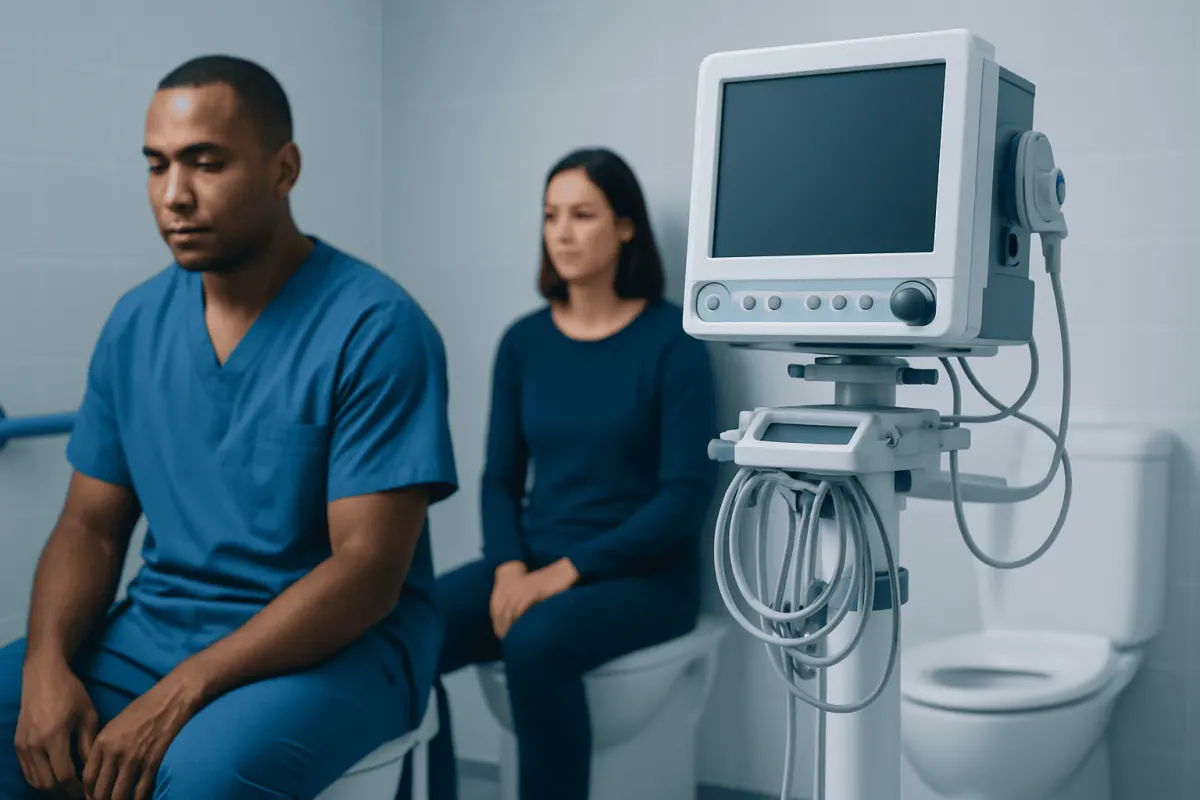
You can get an STI from a toilet seat is a common worry, but it is extremely unlikely in everyday life. Sexually transmitted infections are mainly passed through direct sexual contact, contact with infected blood, or transmission during pregnancy and birth—not by using a public toilet.
The short answer: toilet seats are not a usual STI risk
It is extraordinarily unlikely that a person would get a sexually transmitted infection (STI) from a toilet seat. STIs are adapted to spread through specific routes, most often vaginal, anal, or oral sexual contact; direct skin-to-skin genital contact; contact with infected semen, vaginal fluids, or blood; or transmission from a pregnant person to a baby. Sitting on a toilet seat does not usually create the type of direct exposure these infections need.
Public bathrooms can feel unclean, which may understandably raise concerns. However, a toilet seat is a dry environmental surface rather than a route for intimate contact. Even if a germ were present, it would generally need to remain infectious, reach the right body tissue, and enter the body in enough quantity to cause infection. This chain of events is not how common STIs are spread in real-world settings.
Good restroom hygiene is still sensible for preventing some everyday illnesses. Washing hands with soap and water after using the bathroom is particularly important. But avoiding a toilet seat, using a seat cover, or wiping the seat is not considered an STI-prevention measure.
How sexually transmitted infections actually spread
Different STIs have different routes of transmission. Chlamydia, gonorrhea, and trichomoniasis are usually passed through vaginal, anal, or oral sex with a person who has the infection. HIV and hepatitis B can be transmitted through certain sexual exposures and through infected blood, such as by sharing needles. Syphilis, genital herpes, and human papillomavirus (HPV) may spread through direct contact with an infectious sore, lesion, or area of skin during sexual activity.
Many infections cause no symptoms, especially early on. This means a person may not know they have an STI and can pass it on without intending to. For that reason, risk is best assessed by considering sexual contact, barrier use, partners’ known test results, needle exposure, and pregnancy-related risks—not by whether someone used a public restroom.
Nonsexual transmission can occur in limited circumstances for particular infections, but it is different from toilet-seat transmission. For example, some infections can be passed from parent to baby, while bloodborne viruses can spread through shared injection equipment. Rarely, pubic lice may be spread through recently used clothing, towels, or bedding, although they are most commonly transmitted through close intimate contact.
Why germs on surfaces rarely cause STIs

Infection requires more than simply encountering a microorganism. Many STI-causing viruses, bacteria, and parasites survive poorly once they leave the warm, moist environment of the human body. Cleaning products, drying, temperature changes, time, and exposure to air can reduce their ability to infect. A visible mark or moisture on a surface does not indicate that an STI is present or infectious.
In addition, intact skin is an effective protective barrier. For an STI to be acquired from an object, infectious material would generally need to be transferred promptly and directly to susceptible tissue, such as mucous membranes or an open wound, in a way that allows infection to occur. Brief contact between intact skin and a toilet seat does not provide this kind of exposure.
Some infections can survive on surfaces under laboratory conditions, but laboratory survival does not mean routine transmission occurs in daily life. Health advice is based on evidence about how infections spread among people. Toilet seats are not recognized as a meaningful source of common STIs by public health and sexual health organizations.
Symptoms are not proof of where an infection came from
Genital symptoms can be uncomfortable and worrying, but they do not automatically mean that a person has an STI. Itching, irritation, unusual discharge, burning with urination, sores, bumps, pelvic discomfort, or a rash can have many possible causes. These include skin irritation from soaps or sanitary products, urinary tract infections, yeast infections, bacterial vaginosis, dermatologic conditions, and some STIs.
If symptoms develop after sexual contact, it is important not to assume a toilet seat was responsible. A healthcare professional can consider the symptoms, medical history, timing, and possible exposures, then recommend the most appropriate tests. Testing may involve a urine sample, swab, blood test, or examination, depending on the infection being considered.
It is also important to remember that symptom timing cannot reliably identify when or from whom an STI was acquired. Some infections have no symptoms, while others may appear days, weeks, months, or longer after exposure. A calm, nonjudgmental clinical assessment is the safest way to obtain clear answers and appropriate care.
Testing, treatment, and protecting partners
STI testing is recommended when a person has symptoms, has had sex with a partner known to have an STI, has had sex without a barrier method with a new or multiple partners, or is due for routine screening based on their age, pregnancy status, sexual practices, and personal risk factors. A clinician can explain which tests are useful and when they are most accurate, as some infections may not be detectable immediately after exposure.
Many STIs can be treated effectively, and some can be cured with the correct medicines. Others, such as HIV and herpes, can be managed with medical care that helps protect health and reduce the chance of transmission. Treatment should be based on confirmed or strongly suspected diagnosis; taking leftover antibiotics or medicines prescribed for someone else can delay appropriate care and contribute to antibiotic resistance.
When an STI is diagnosed, partners may also need testing or treatment, even if they feel well. A clinician can advise about avoiding sex temporarily, using condoms or dental dams, notifying partners, follow-up testing, and vaccination where appropriate. Confidential sexual health care is available in many primary care, gynecology, urology, and infectious disease settings.
Practical ways to lower STI risk
The most effective prevention steps focus on sexual and blood exposure rather than public restroom surfaces. External condoms and internal condoms can lower the risk of many STIs when used correctly and consistently, although they do not fully prevent infections spread by skin contact outside the area covered. Dental dams or cut-open condoms can provide a barrier during oral sex.
Regular testing can be especially helpful for sexually active people with new or multiple partners, because many STIs have no noticeable symptoms. Discussing testing, vaccination, barrier use, and contraception with partners can support informed choices. Vaccines can help prevent HPV and hepatitis B, and a healthcare professional can advise whether these vaccines are appropriate for an individual.
- Wash hands after using the bathroom and before eating or preparing food.
- Use condoms or other barrier methods during sexual activity.
- Avoid sharing needles or equipment used for injecting drugs.
- Seek testing after a possible sexual exposure, even if there are no symptoms.
- Choose gentle, unscented products for genital hygiene and avoid douching, which can cause irritation or disrupt normal vaginal bacteria.
Routine cleaning of toilet seats is reasonable for general hygiene and peace of mind. It should not, however, replace measures that directly reduce STI risk, such as barrier protection, vaccination, and testing.
When to seek medical care
A person should arrange medical care promptly if they notice genital sores or blisters, a new rash around the genitals or anus, unusual discharge, pain or burning during urination, testicular pain or swelling, pelvic or lower abdominal pain, bleeding after sex, or persistent genital itching. These symptoms are often treatable, but they need assessment because causes can overlap.
Urgent medical attention is appropriate for severe pelvic or abdominal pain, high fever with genital symptoms, severe testicular pain or swelling, heavy bleeding, or symptoms following sexual assault. Anyone who believes they may have had a significant recent HIV exposure should seek urgent medical advice, as time-sensitive preventive treatment may be available in some situations.
People who have no symptoms but are concerned after sexual contact can still benefit from discussing testing with a qualified clinician. Acıbadem Health Point’s multidisciplinary specialists and JCI-accredited hospitals can support diagnosis and treatment for international patients. Seeking care is a practical step toward clarity and good health, and it does not require feeling embarrassed or assigning blame.
Frequently asked questions
01Can you get chlamydia or gonorrhea from a toilet seat?
No, chlamydia and gonorrhea are not spread through ordinary contact with toilet seats. They are usually transmitted through vaginal, anal, or oral sexual contact with someone who has the infection. Testing is appropriate if there has been a possible sexual exposure or relevant symptoms.
02Can HIV be transmitted by sitting on a public toilet?
No. HIV is not transmitted by sitting on a toilet seat, touching bathroom surfaces, or using shared toilets. HIV transmission requires certain direct exposures to infected blood, semen, vaginal fluids, rectal fluids, or breast milk.
03Can herpes spread from a toilet seat?
Herpes is typically passed through direct skin-to-skin contact with an infected area during oral, vaginal, or anal sexual activity. Transmission from toilet seats is not considered a realistic route because the virus does not spread effectively through this type of casual environmental contact. A new genital sore should be assessed by a clinician.
04What infections can be picked up in a public bathroom?
Public bathrooms can contribute to the spread of some common germs, especially when hand hygiene is poor. Gastrointestinal viruses and bacteria may be transferred from contaminated hands to the mouth, which is why handwashing is important. This is different from transmission of STIs.
05Should someone get an STI test after using a dirty toilet?
Using a dirty toilet alone is not a reason for STI testing. Testing may be appropriate if a person has had a possible sexual exposure, has symptoms, or is due for routine screening based on their circumstances. A healthcare professional can recommend the right tests and timing.
06Can an STI cause symptoms immediately after sex?
Some irritation or symptoms can occur soon after sex, but this does not necessarily mean an STI is present. Many STIs have an incubation period and may cause no symptoms at all. A clinician can help determine whether testing now or repeat testing later is appropriate.
This article is for general information only and is not a substitute for professional medical advice. Please consult a qualified doctor about your individual situation.
Explore treatments in Turkey — costs, top hospitals & a free quote
JCI-accredited · board-certified surgeons · reply within 24h
Add us as a Preferred Source to see more of our trusted health content across Google Search, AI Overviews and Discover.