Can You Eat Sourdough Bread Before a Colonoscopy?
Sourdough bread before colonoscopy may be suitable during the low-fiber phase of preparation when it is made with refined white flour and contains no seeds, grains, nuts, or dried fruit. Preparation instructions vary by clinic and procedure time, so the endoscopy team's written plan always takes priority over general dietary advice.
Sourdough Bread Before Colonoscopy: The Short Answer
Sourdough bread before colonoscopy can usually be eaten only during the earlier low-fiber part of preparation, provided it is plain white sourdough without seeds, whole grains, nuts, or dried fruit. It should not be eaten once the patient has started a clear-liquid-only diet, which is commonly required the day before the examination.
Colonoscopy preparation clears stool from the bowel so the clinician can inspect the lining properly and remove or sample abnormalities when needed. The exact schedule differs between hospitals, whether the procedure is in the morning or afternoon, and an individual’s health needs. Patients should use the instructions given by their endoscopy unit as their main guide.
Sourdough describes the fermentation method, not the fiber content. A white sourdough loaf may be lower in fiber than a wholemeal, rye, multigrain, or seeded sourdough loaf. Reading the label and choosing refined white flour products can help, but patients should ask their clinical team if the diet instructions are unclear.
Why Food Choices Matter for Colonoscopy Results
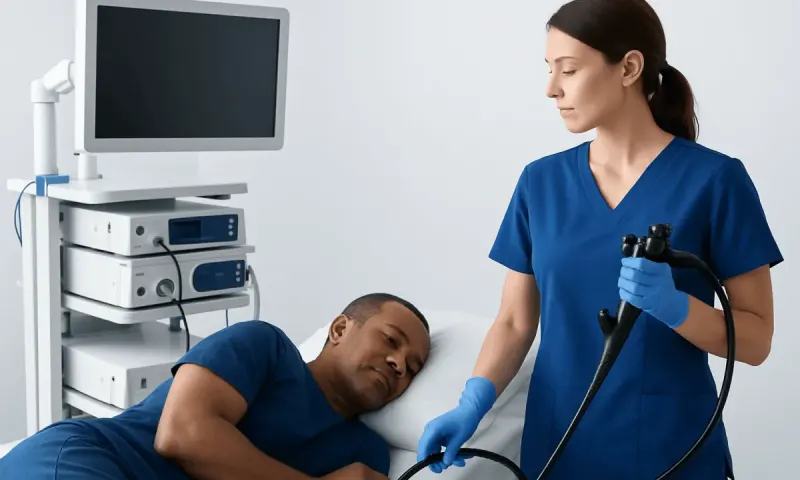
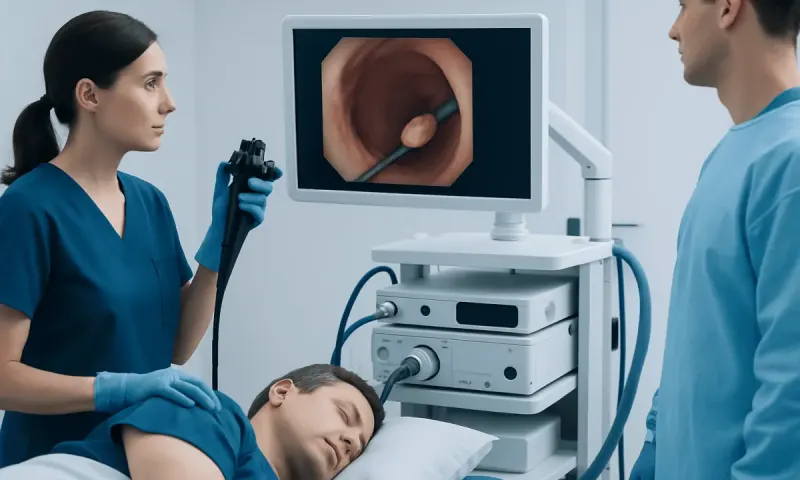
A colonoscopy is a procedure in which a specialist passes a flexible camera through the rectum to examine the large intestine. It may be used to investigate symptoms, screen for bowel cancer, monitor previous polyps, or assess conditions such as Ulcerative Colitis, and Flares" class="ahp-ilk">inflammatory bowel disease.
Food residue and high-fiber material can remain in the colon despite laxative preparation. Seeds, skins, grains, nuts, and fibrous vegetables are particularly likely to leave material behind. If the view is limited, the procedure may take longer, small findings may be harder to see, or the examination may need to be repeated.
Most preparation plans have two dietary stages. A low-fiber or low-residue diet is often advised for one to several days before the test, followed by clear liquids during the final day or final portion of the day. The patient also takes a prescribed bowel-cleansing solution according to the timing provided by the care team.
- Low-fiber foods are generally easier for the bowel preparation to clear.
- Clear liquids are transparent or nearly transparent fluids without solid particles.
- Red, purple, or dark-colored drinks may be restricted because they can resemble blood or stain the bowel lining.
Can I Eat Sourdough 2 Days Before a Colonoscopy?
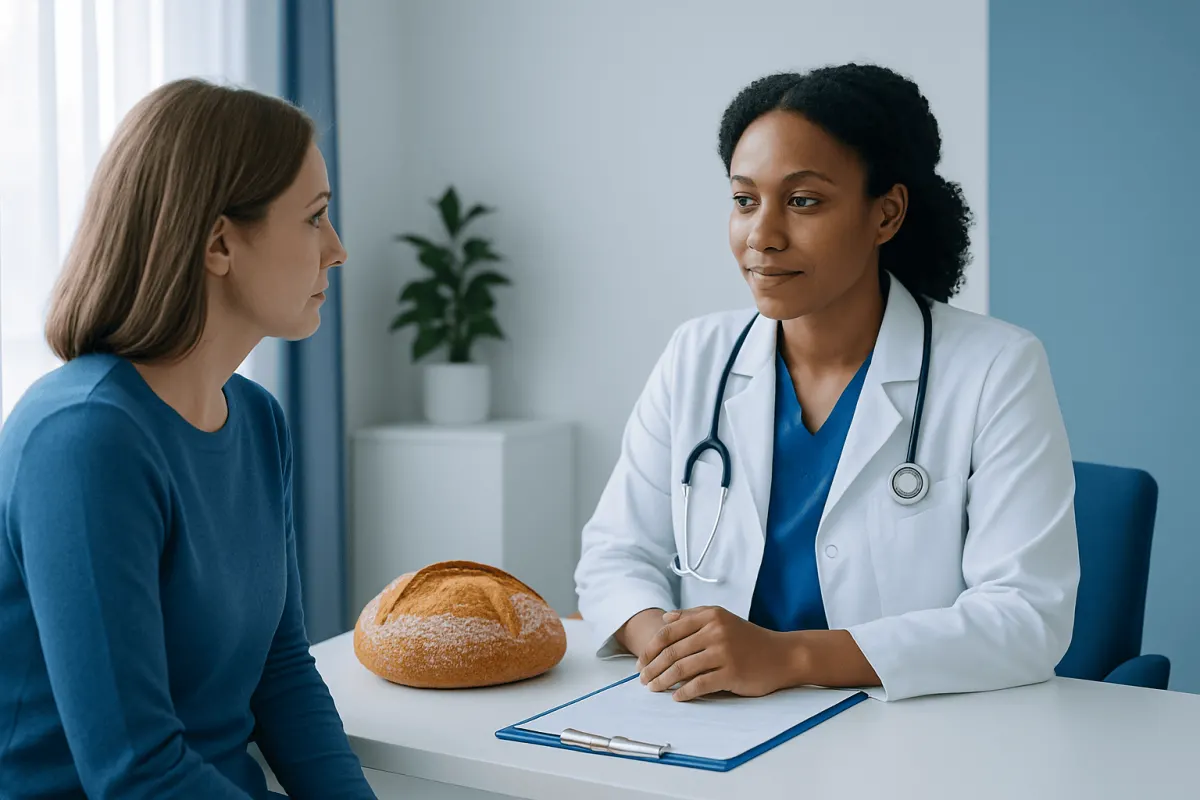
Many patients can eat plain white sourdough two days before a colonoscopy if their instructions allow a low-fiber diet at that stage. A suitable choice is typically a soft, white-flour sourdough with no visible seeds, grains, bran, nuts, or fruit. Toasting it does not remove fiber, so the ingredients remain the important consideration.
Wholemeal sourdough, rye sourdough, multigrain loaves, and loaves topped or mixed with seeds are usually not appropriate during low-fiber preparation. These ingredients can leave residue in the bowel. If the label does not clearly identify refined white flour as the main ingredient, it is safer to choose another approved option or contact the endoscopy unit.
Some centers begin dietary restrictions three days before the procedure, while others allow a normal diet until two days before. In addition, patients with chronic constipation, prior inadequate bowel preparation, or certain digestive conditions may be given a longer or modified preparation plan. Individual instructions should always override general guidance.
What Is the Best Bread to Eat Before a Colonoscopy?
When bread is permitted, the best choice is generally plain white bread, white toast, a plain white roll, or white sourdough made without high-fiber additions. These products are usually lower in residue than wholegrain breads. A small portion is often easier to fit into a low-fiber meal plan than heavily topped or filled bread products.
Breads commonly avoided before colonoscopy include whole wheat, brown bread, wholemeal, rye, pumpernickel, multigrain bread, seeded rolls, oat bread, and breads containing flax, chia, sesame, sunflower, or pumpkin seeds. Patients should also avoid bread with raisins, dates, or other dried fruit when their instructions restrict fiber.
Once clear liquids begin, no type of bread is suitable. Typical clear-liquid choices may include water, clear broth, apple juice without pulp, tea or coffee without milk or cream, and approved clear electrolyte drinks. The clinic may give additional advice about colors, sweeteners, and drinks for people with diabetes or kidney disease.
Can I Eat a Turkey Sandwich 2 Days Before a Colonoscopy?
A turkey sandwich may be allowed two days before a colonoscopy if the patient is still on a low-fiber diet and the sandwich uses permitted ingredients. Plain cooked turkey on white bread or plain white sourdough may fit many preparation plans. However, mayonnaise, cheese, or spreads should only be used if the clinic’s instructions allow them.
The filling and toppings matter as much as the bread. Avoid wholegrain or seeded bread, salad leaves, tomato, cucumber, onion, pickles, avocado, coleslaw, and other raw vegetables if low-fiber preparation has started. Seeds, skins, and fibrous produce can reduce the quality of bowel cleansing.
A turkey sandwich is not appropriate after the patient has moved to clear liquids. Patients should also be careful with deli meats if they have specific dietary restrictions, such as a low-salt diet, or if they have been instructed to avoid certain foods for another medical reason. When in doubt, the endoscopy team can confirm whether a planned meal is acceptable.
The Day of the Procedure: Hygiene, Medicines, and Travel Home
Should I shower the morning of a colonoscopy? Yes. Showering the morning of a colonoscopy is usually fine and may help the patient feel comfortable and prepared. Unless the hospital gives different instructions, patients can use their usual soap and should avoid applying heavy lotions, oils, perfume, or body products that could interfere with monitoring equipment or adhesive pads.
Patients should wear comfortable, loose clothing and bring identification, medication information, and any requested documents. They should follow the fasting instructions precisely, including when to stop clear liquids. Taking a prohibited drink too close to sedation can increase the risk of complications related to anesthesia.
Medication plans should be reviewed in advance. This is particularly important for insulin and other diabetes medicines, blood-thinning medicines, iron supplements, diuretics, and medicines affecting kidney function. Patients should never stop a prescribed medicine without advice from the clinician who manages it or from the endoscopy team.
Sedation is commonly used, and patients may feel drowsy afterward. They should arrange for a responsible adult to take them home and should not drive, operate machinery, make important decisions, or drink alcohol until the care team says it is safe. Colonoscopy preparation and procedure guidance can help patients understand what to expect from arrival through recovery.
Recovery After Colonoscopy and When to Seek Medical Care
After a colonoscopy, mild bloating, cramping, or passing gas is common because air or carbon dioxide is introduced into the bowel during the examination. These symptoms usually improve as the gas passes. Many people can return gradually to normal food and fluids after the procedure, unless the clinician gives specific instructions following biopsy removal, polyp removal, or another intervention.
Results may be discussed before discharge, although biopsy results take longer because tissue must be examined in a laboratory. A normal-looking examination does not always provide immediate answers for every symptom, and the care team will explain whether further tests, treatment, or follow-up are needed.
When to seek medical care: Patients should contact the endoscopy unit or seek urgent medical assessment for severe or worsening abdominal pain, a firm or swollen abdomen, heavy rectal bleeding, fever, repeated vomiting, fainting, chest pain, shortness of breath, or an inability to keep fluids down. A small amount of blood after removal of a polyp may occur, but the care team should explain what amount is expected and when it needs urgent review.
Acıbadem Health Point’s multidisciplinary specialists and JCI-accredited hospitals support international patients undergoing diagnostic procedures, including colonoscopy, with individualized preparation and follow-up planning.
Frequently asked questions
01Is white sourdough better than wholegrain sourdough before colonoscopy?
White sourdough is generally more suitable during a low-fiber stage because it is usually made from refined flour and leaves less residue. Wholegrain, rye, multigrain, and seeded sourdough are commonly avoided. The patient's written preparation instructions remain the final authority.
02Can I put butter on sourdough before a colonoscopy?
Some low-fiber plans allow small amounts of butter or other permitted fats before the clear-liquid phase begins. However, instructions differ, especially for people with diabetes, delayed stomach emptying, or other medical conditions. Patients should check their preparation sheet or call the endoscopy team if it does not specify allowed spreads.
03When do I need to stop eating bread before colonoscopy?
Bread must be stopped when the clear-liquid diet begins. For many patients, this is the day before the procedure, but the timing can vary according to the appointment time and bowel-prep regimen. Following the exact times supplied by the clinic is important.
04Can I drink coffee during colonoscopy preparation?
Coffee may be allowed during the clear-liquid phase if it is black and the clinic permits it. Milk, cream, and non-dairy creamers are usually not considered clear liquids. Patients should also avoid coffee if their team has told them to limit caffeine or stop all liquids by a specified time.
05What happens if I accidentally eat a high-fiber food before colonoscopy?
Patients should contact the endoscopy unit as soon as possible and explain what was eaten and when. The team can advise whether preparation can continue as planned, needs adjustment, or requires rescheduling. It is better to ask early than to assume the food will not affect the examination.
06Can I return to my normal diet after a colonoscopy?
Many people can eat normally after the effects of sedation begin to wear off, starting with light foods and fluids if they feel nauseated or bloated. If a polyp was removed or another treatment was performed, the clinician may provide specific dietary or activity instructions. Patients should follow those directions and report concerning symptoms promptly.
This article is for general information only and is not a substitute for professional medical advice. Please consult a qualified doctor about your individual situation.
Persistent digestive symptoms? Get evaluated in Turkey
JCI-accredited · board-certified surgeons · reply within 24h
Add us as a Preferred Source to see more of our trusted health content across Google Search, AI Overviews and Discover.