Can Stress Contribute to a Stroke? The Real Risk
Stress alone does not usually directly cause a stroke. However, severe or long-lasting stress can affect blood pressure, heart rhythm, sleep, and health habits, which may contribute to stroke risk over time.
Can stress contribute to a stroke?
Yes, stress can contribute to a stroke risk, but it is rarely the only or immediate cause. Everyday stress is common and does not mean a person is about to have a stroke. The greater concern is persistent, intense stress that may worsen blood pressure, sleep, smoking, alcohol use, diet, physical activity, and other factors known to affect the blood vessels and heart.
A stroke occurs when blood flow to part of the brain is blocked by a clot or narrowed blood vessel, or when a blood vessel in the brain bursts. The most important potentially modifiable risks include high blood pressure, diabetes, high cholesterol, smoking, Neurology for Stroke Prevention: Which Patients May Benefit?" class="ahp-ilk">Stroke Prevention in Atrial Fibrillation: How Doctors Choose Between Drugs and Procedures" class="ahp-ilk">atrial fibrillation, obesity, physical inactivity, and excessive alcohol intake. Stress may interact with these risks rather than replacing them.
New neurological symptoms should never be assumed to be stress. Sudden weakness, numbness, difficulty speaking, loss of balance, new vision problems, or a severe unusual headache require urgent medical attention, even if the person has recently been anxious or under pressure.
How stress may affect stroke risk over time
During stressful situations, the body releases hormones that can temporarily increase heart rate and blood pressure. This response is normal and usually settles once the situation passes. When stress is ongoing, however, repeated activation of this response may make it more difficult to control blood pressure and may contribute to inflammation and unhealthy changes in blood vessels.
Stress can also influence daily routines. Some people sleep poorly, exercise less, eat more processed or salty foods, smoke more, or drink more alcohol when stressed. These patterns can increase the likelihood of high blood pressure, weight gain, diabetes, and cardiovascular disease, all of which are linked with stroke.
In some people, severe emotional strain may be associated with heart rhythm disturbances or a sudden rise in blood pressure. This does not mean that stress is the explanation for every symptom. A clinician can assess the wider picture, including existing vascular risks and whether symptoms could reflect a neurological or heart-related condition.
- Long-term stress may make blood pressure harder to manage.
- Poor sleep and untreated sleep apnea can increase vascular risk.
- Smoking, heavy alcohol use, and inactivity can amplify the effects of stress.
- Regular preventive care can identify risks before a stroke occurs.
How likely is stress to cause a stroke?
For most people, stress by itself is unlikely to cause a stroke. Strokes more often result from a combination of medical and lifestyle factors that have developed over time, such as uncontrolled high blood pressure, diabetes, narrowed arteries, or an abnormal heart rhythm such as atrial fibrillation.
It is reasonable to view stress as a possible contributing factor rather than a reliable single trigger. A person with several existing risks may be more vulnerable during periods of severe stress because blood pressure and other health behaviours can change. Conversely, managing stress is valuable for overall health but cannot fully replace medical treatment for high blood pressure, diabetes, high cholesterol, or heart disease.
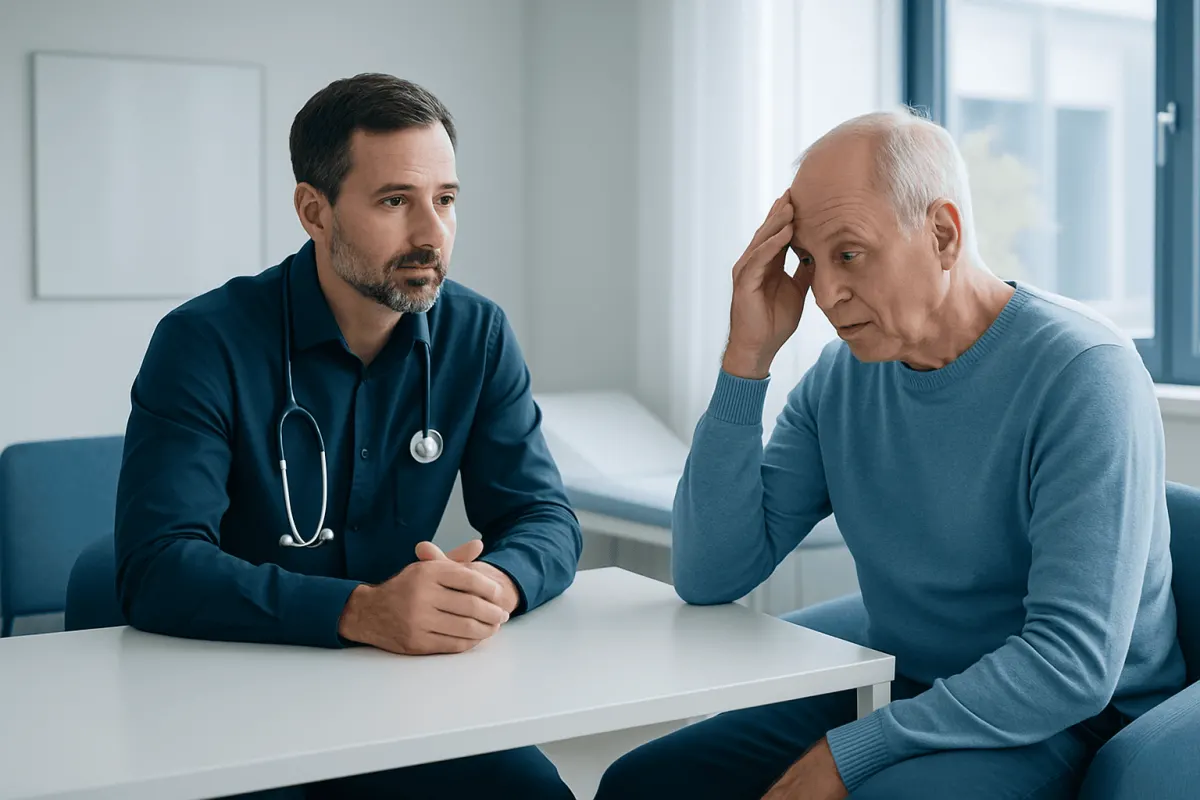
Anyone worried that stress may be affecting their health can discuss symptoms and risk factors with a doctor. Checking blood pressure and reviewing medications, sleep, mood, smoking, alcohol intake, and family history can help create a practical prevention plan.
What are the signs of a mini-stroke?
A mini-stroke is the common name for a transient ischemic attack, or TIA. It happens when blood flow to part of the brain is briefly interrupted. Symptoms can last minutes or hours and may disappear completely, but a TIA remains an urgent warning sign because it can occur before a full stroke.
The symptoms are similar to those of a stroke and often begin suddenly. A useful memory aid is FAST: face drooping, arm weakness, and speech difficulty mean it is time to call emergency services. Other signs can include sudden numbness or weakness on one side of the body, confusion, difficulty understanding speech, loss of vision in one or both eyes, double vision, dizziness, loss of coordination, or a sudden severe headache.
Even if symptoms improve, the person should seek emergency assessment immediately. A medical team may use a neurological examination, blood tests, heart rhythm testing, and brain or blood-vessel imaging to look for the cause and reduce the chance of another event. Further information about stroke and its warning signs can help patients and families recognise an emergency.
What doctors check after stroke-like symptoms
Doctors first need to determine whether the symptoms are due to a stroke, TIA, or another condition that can resemble one, such as migraine, seizure, low blood sugar, or a nerve problem. Because treatments can be time-sensitive, emergency assessment is important whenever symptoms are new and sudden.
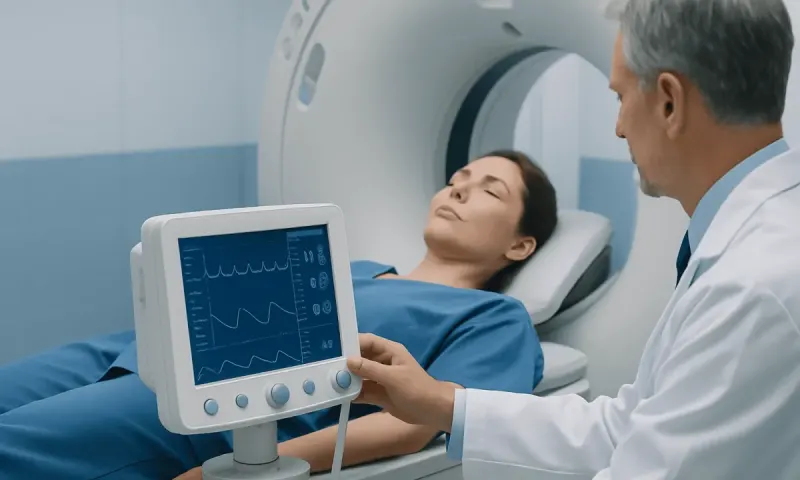
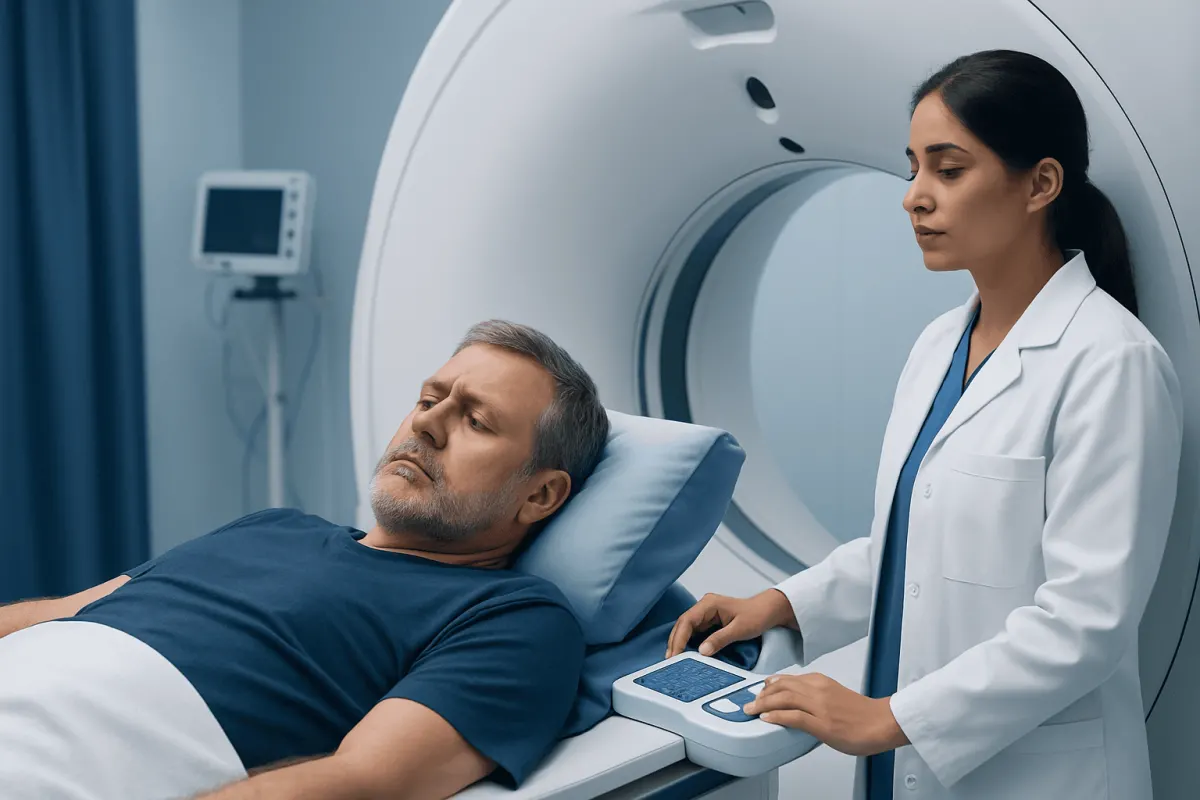
Evaluation commonly includes checking blood pressure, blood glucose, oxygen level, and heart rhythm, followed by a focused neurological examination. A CT scan or MRI scan of the brain may be used to look for bleeding or areas affected by reduced blood flow. Imaging of the neck and brain arteries and heart tests may be needed to identify a clot source, narrowed artery, or rhythm disorder.
Treatment depends on the type and cause of stroke. It may include urgent clot-removing treatment for selected ischemic strokes, medicines to reduce future clotting risk, treatment for blood pressure or cholesterol, and care for underlying heart conditions. stroke treatment is tailored to the individual and should be directed by an experienced stroke team.
What to avoid after a stroke?
After a stroke, people should avoid stopping prescribed medicines or changing doses without medical advice. Drugs that manage blood pressure, cholesterol, diabetes, or blood clot risk are often important in preventing another stroke. Patients should also avoid smoking and should ask their clinician about alcohol, as the safest amount can vary according to their health and medicines.
It is also best to avoid rushing back to strenuous activity, driving, work, or travel before the treating team confirms that it is safe. Stroke can affect movement, vision, attention, swallowing, communication, and reaction time in ways that are not always immediately obvious. A rehabilitation plan can help a person return to activities gradually and safely.
Skipping follow-up appointments, ignoring recurrent symptoms, and relying only on supplements or stress-relief practices instead of prescribed treatment can raise avoidable risks. Support from family, rehabilitation specialists, and mental health professionals can be valuable, particularly if depression, anxiety, fatigue, or cognitive changes develop after stroke.
Can you live a normal life after a stroke?
Many people can return to independent, active, and meaningful lives after a stroke. Recovery is highly individual and depends on the area of the brain affected, the severity of the stroke, how quickly treatment was received, other health conditions, and access to rehabilitation and support.
Improvement can continue for months and sometimes longer. Physical therapy may support strength, mobility, and balance; occupational therapy may help with everyday tasks; speech and language therapy may help communication and swallowing. Rehabilitation also addresses practical goals such as returning home, participating in family life, and resuming work or hobbies where appropriate.
Emotional recovery matters as much as physical recovery. Frustration, anxiety, low mood, and changes in confidence are common and treatable. Open discussion with the healthcare team can ensure that emotional wellbeing, sleep, pain, fatigue, and caregiver needs are included in the recovery plan. stroke rehabilitation can be adapted as needs change over time.
When to seek medical care
Call local emergency services immediately if a person develops sudden facial drooping, weakness or numbness of the face, arm, or leg, speech or understanding problems, sudden vision loss, severe dizziness, inability to walk, or a new severe headache. Do not drive the person to hospital if emergency transport is available, and do not wait to see whether symptoms settle.
A person should arrange a non-emergency medical appointment if they have ongoing stress alongside persistently raised blood pressure, palpitations, poor sleep, panic symptoms, smoking, or concerns about diabetes or cholesterol. These concerns can often be addressed early through medical review and realistic changes in daily habits.
Helpful steps include regular blood pressure checks, taking prescribed medication as directed, eating a balanced diet, being physically active within individual ability, avoiding tobacco, limiting alcohol, and building manageable stress-reduction routines such as regular sleep, relaxation practice, social support, or counselling. Acıbadem Health Point’s multidisciplinary specialists and JCI-accredited hospitals provide assessment and treatment for international patients with stroke risk factors and neurological symptoms.
Frequently asked questions
01Can stress contribute to having a stroke suddenly?
Acute stress can temporarily raise blood pressure and strain the cardiovascular system, but it is not usually the sole explanation for a sudden stroke. Most strokes involve underlying risks such as high blood pressure, diabetes, smoking, artery disease, or an abnormal heart rhythm. Sudden neurological symptoms should always be treated as an emergency, regardless of stress levels.
02Can stress cause stroke symptoms that feel real?
Stress and anxiety can cause physical symptoms such as tingling, dizziness, chest discomfort, shaking, rapid heartbeat, and difficulty concentrating. However, these symptoms can overlap with serious conditions. New, sudden one-sided weakness, speech difficulty, facial drooping, or vision loss needs emergency assessment rather than self-diagnosis.
03What is the difference between a mini-stroke and a stroke?
A mini-stroke, or TIA, causes temporary stroke-like symptoms because blood flow to part of the brain is briefly reduced. A stroke causes brain injury when blood flow is blocked or bleeding occurs in the brain. Both need urgent assessment because a TIA can be an important warning of a future stroke.
04Can high blood pressure caused by stress lead to stroke?
Long-term high blood pressure is one of the strongest risk factors for stroke. Stress may contribute to higher blood pressure in some people, especially when it affects sleep, medication adherence, smoking, diet, or alcohol use. Regular monitoring and treatment of high blood pressure are important regardless of its cause.
05How can a person reduce stress-related stroke risk?
Stress management can support stroke prevention when combined with medical care for established risks. Helpful measures include regular sleep, physical activity, avoiding tobacco, limiting alcohol, balanced eating, social support, and counselling when needed. A clinician can also review blood pressure, cholesterol, blood sugar, and heart rhythm.
06Can a person have another stroke after recovering well from the first one?
Yes, a previous stroke or TIA increases the risk of another event, but prevention measures can substantially help. Follow-up care may include medicines, treatment of blood pressure and cholesterol, heart rhythm management, and rehabilitation-supported lifestyle changes. New stroke-like symptoms should always be treated as an emergency.
This article is for general information only and is not a substitute for professional medical advice. Please consult a qualified doctor about your individual situation.
Medical weight-loss options in Turkey — costs & eligibility
JCI-accredited · board-certified surgeons · reply within 24h
Add us as a Preferred Source to see more of our trusted health content across Google Search, AI Overviews and Discover.