Can Pregnant Women Go in Hot Tubs?

Key Takeaways
- Hot tubs are usually not recommended in pregnancy because they can raise core body temperature quickly.
- The first trimester is the most sensitive period for heat exposure, but caution matters throughout pregnancy.
- Warm baths are generally safer than hot tubs when the water is kept comfortably warm rather than hot.
- If a pregnant person feels dizzy, overheated, or unwell, they should get out of the water and cool down right away.
- A clinician can offer individualized guidance based on pregnancy stage, symptoms, and medical history.
Can pregnant women go in hot tubs? In general, it is best to avoid them during pregnancy because prolonged heat exposure can raise body temperature and may be unsafe for the developing baby, especially early in pregnancy. Safer warm-water options and simple cooling habits can help expectant mothers relax without unnecessary risk.
Overview
The short answer to can pregnant women go in hot tubs is that it is usually better not to. Hot tubs can raise body temperature faster than many people realize, and during pregnancy that matters because the body is already working harder to regulate heat.
Heat exposure is not the same as a brief, comfortable warm bath. A hot tub keeps water and air temperatures high, often for long enough to increase core temperature. That is why pregnancy guidance tends to favor caution, especially in the early months when the baby’s organs are forming.
Many pregnant people ask this question while planning travel, spa visits, or family weekends, and the safest answer is to choose a cooler alternative. A clinician or midwife can help translate general advice into personal recommendations, particularly if the pregnancy is considered higher risk.
Why Hot Tubs Raise Concern in Pregnancy
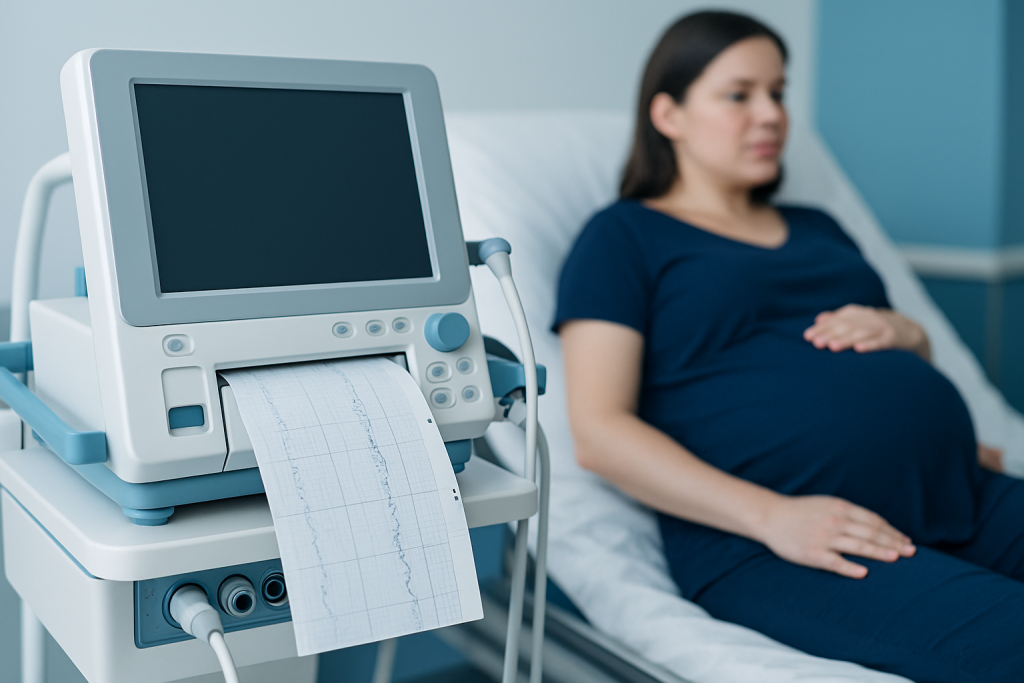
The main issue is not the water itself; it is the effect of sustained heat on the pregnant person’s body. When core temperature rises too much, the body may struggle to cool down efficiently, and that can cause dizziness, dehydration, or faintness.
Early pregnancy is a special concern because the developing embryo is in a sensitive stage. Medical guidance generally advises avoiding activities that can cause marked overheating, including hot tubs, saunas, and very hot baths.
It is also worth noting that hot tubs may feel different from room to room and from day to day. A temperature that seems tolerable for a few minutes can become less safe if the person is already tired, dehydrated, or spending time in the water after exercise, in warm weather, or while traveling.
- Heat can build gradually, even when a person “feels fine” at first.
- Dehydration can make overheating happen more quickly.
- Standing up too fast after hot water exposure may cause lightheadedness.
Symptoms and Warning Signs of Overheating

Pregnant people should pay attention to how their body feels in a hot environment. Early signs of overheating may include flushing, sweating, thirst, headache, nausea, weakness, or a racing heartbeat.
Dizziness is especially important to notice because it can be a sign that blood pressure is dropping or that the body is struggling with heat. In a hot tub, even mild symptoms are a reason to get out, sit down, and cool off.
If symptoms progress to confusion, fainting, shortness of breath, or persistent vomiting, medical attention is needed promptly. These are not symptoms to “wait out,” even if they seem related to heat exposure rather than the pregnancy itself.
Causes and Risk Factors
The risk from hot tubs during pregnancy depends on several factors, including water temperature, how long the person stays in the water, and whether the room is also warm or poorly ventilated. A longer soak in very warm water is more concerning than a brief exposure to mild warmth.
Some people are more vulnerable to heat-related problems. This includes those with a history of fainting, dehydration, anemia, low blood pressure, or pregnancy complications that already require extra monitoring. Travel can add another layer, because changes in climate, activity level, and routine hydration can all influence how the body handles heat.
Personal habits matter too. Skipping fluids, using hot tubs after exercise, or staying in for the full recommended spa time can all raise risk. For pregnant travelers, it is wise to assume that “relaxation time” should be gentle, cool, and easily interruptible.
How Doctors Evaluate the Situation
There is no special test for “hot tub exposure” by itself, but a doctor may ask how hot the water was, how long the person stayed in it, and whether any symptoms occurred afterward. The timing in pregnancy also matters, since the first trimester is handled with greater caution.
If a pregnant person reports overheating, the clinician may check hydration status, blood pressure, and any signs that need follow-up. When symptoms are mild and brief, reassurance and simple self-care may be enough. When there is pain, bleeding, fainting, or reduced fetal movement later in pregnancy, a more complete evaluation is appropriate.
For patients who are traveling internationally or seeking care away from home, clear communication is important. Bringing any available records, knowing the pregnancy stage, and describing exactly how long the hot tub use lasted can help the clinician give practical advice quickly.
Treatment Options and Immediate Self-Care
Most situations related to hot tub exposure are managed by cooling down and observing symptoms. The person should leave the water, move to a cooler place, drink water if they are able, and rest. Loose clothing, a cool compress, and a fan can also help the body return to normal temperature.
If the person feels faint, they should lie down on their side if possible, especially later in pregnancy. Any concerning symptoms, such as persistent dizziness, severe headache, or abdominal pain, should be discussed with a doctor. Treatment depends on whether the issue is simple overheating or something else that needs assessment.
If a clinician recommends follow-up, they may advise avoiding hot tubs for the rest of the pregnancy or limiting other heat exposures as well. The goal is not to create unnecessary restrictions, but to reduce avoidable stress on the body.
- Get out of the hot tub at the first sign of discomfort.
- Rehydrate and rest in a cool environment.
- Seek medical advice if symptoms do not settle quickly.
Prevention and Safer Alternatives
The safest prevention strategy is to skip hot tubs during pregnancy and choose gentler ways to relax. A comfortably warm bath, a short shower, stretching, prenatal yoga, or sitting in a cool pool may offer the calming effect many people want without the same heat load.
If a pregnant person does take a bath, the water should feel pleasantly warm rather than hot, and the time should be limited. It helps to keep a glass of water nearby, avoid locking the bathroom door, and stand up slowly afterward to prevent dizziness.
When traveling, it can be useful to plan ahead. Spa menus, hotel pools, and wellness facilities sometimes blur the line between “warm” and “hot,” so asking about water temperature before getting in is a sensible habit. That is especially useful for Myomectomy Recovery: Healing Time, Activity Limits, and Fertility Planning" class="ahp-ilk">Myomectomy Recovery for International Patients: The Usual Travel Timeline" class="ahp-ilk">international patients who are trying to balance rest, sightseeing, and pregnancy-safe routines in a new setting.
When to See a Doctor
A pregnant person should contact a doctor or midwife if they used a hot tub and then developed worrying symptoms, especially dizziness, fainting, headache, abdominal pain, bleeding, or reduced fetal movement later in pregnancy. If the person feels unwell right away, they should not wait for the next routine visit.
It is also a good idea to ask for individualized advice if there is a history of miscarriage, preterm birth, blood pressure problems, or any pregnancy complication that makes general guidance less certain. A short conversation can clarify what is safe for that specific pregnancy.
Acibadem Health Point’s multidisciplinary specialists and JCI-accredited hospitals can diagnose and treat pregnancy-related concerns for international patients who need clear, coordinated care. Whether the question comes up before travel, during a trip, or after returning home, a qualified obstetric team can help interpret the situation calmly and accurately.
Practical Bottom Line
For most pregnancies, the best answer to can pregnant women go in hot tubs is to avoid them and choose cooler, safer alternatives. The main concern is overheating, not the idea of bathing or relaxing itself.
Pregnancy comfort matters, and so does safety. With a few simple adjustments, it is usually possible to find a soothing routine that protects both the pregnant person and the baby while still allowing time to rest.
Frequently asked questions
01Can pregnant women go in hot tubs for just a few minutes?
Short exposure is less concerning than a long soak, but it is still generally not recommended. The key issue is how much the hot water raises core body temperature, and that can happen faster than expected. A safer choice is to avoid hot tubs altogether during pregnancy.
02Are warm baths safer than hot tubs in pregnancy?
Yes, a comfortably warm bath is usually considered safer than a hot tub because the temperature is lower and easier to control. The water should never feel hot enough to make the person flushed, sweaty, or lightheaded. If there is any doubt, the person should lower the temperature or ask a clinician for guidance.
03Is the first trimester the only time hot tubs are risky?
No, caution is important throughout pregnancy. The first trimester is the most sensitive period for heat exposure, but overheating can still cause symptoms such as dizziness or dehydration later on. The safest habit is to avoid hot tubs at any stage unless a doctor specifically advises otherwise.
04What should a pregnant person do if they already used a hot tub?
They should get out, cool down, and drink water if they can. If they feel fine afterward, there is often no reason for alarm, but they should watch for symptoms such as headache, faintness, nausea, or abdominal discomfort. If anything feels unusual, it is sensible to contact a healthcare professional.
05Can hot tubs affect the baby?
The concern is indirect: hot tubs can raise the pregnant person’s core temperature, and that is why they are discouraged. The baby is not affected by the water itself, but by the maternal heat stress that can occur with prolonged exposure. This is why prevention is emphasized rather than treatment after the fact.
06What are better ways to relax during pregnancy?
Gentle stretching, prenatal exercise approved by a clinician, a warm—not hot—bath, or a cool pool can be relaxing options. Staying hydrated and avoiding long periods in heat also helps. A doctor or midwife can suggest choices that fit the person’s stage of pregnancy and overall health.
This article is for general information only and is not a substitute for professional medical advice. Please consult a qualified doctor about your individual situation.
Explore treatments in Turkey — costs, top hospitals & a free quote
JCI-accredited · board-certified surgeons · reply within 24h
Add us as a Preferred Source to see more of our trusted health content across Google Search, AI Overviews and Discover.