Can Hypothyroidism Be Reversed Without Medication?
Can hypothyroidism be reversed without medication? It can improve or resolve when it is caused by a temporary problem, such as certain medicines, thyroid inflammation, or iodine imbalance. However, most people with persistent hypothyroidism—especially autoimmune Hashimoto’s thyroiditis or thyroid removal—need thyroid hormone replacement to maintain normal body functions.
Can hypothyroidism be reversed without medication?
Can hypothyroidism be reversed without medication? Sometimes, but only when the low thyroid function is due to a temporary or correctable cause. In many cases, particularly autoimmune hypothyroidism or hypothyroidism following thyroid surgery or radioactive iodine treatment, the thyroid gland cannot make enough hormone permanently and replacement medication is needed.
Many symptoms that people associate with an underactive thyroid—such as tiredness, dry skin, weight change, low mood, or feeling cold—are common and are often caused by other conditions, lifestyle factors, or normal life changes. This is reassuring because symptoms alone do not confirm thyroid disease. A clinician can clarify the situation with straightforward blood tests before recommending treatment or lifestyle changes.
It is important not to stop levothyroxine or other prescribed thyroid hormone based on symptoms, supplements, or online advice alone. When thyroid hormone is genuinely needed, treatment replaces a hormone the body normally produces; it is not simply a symptom-relief medicine. A supervised review can determine whether a dose adjustment, a repeat test, or—in selected temporary cases—a carefully monitored medication trial-off is appropriate.
What hypothyroidism means
Hypothyroidism occurs when the thyroid gland does not produce enough thyroid hormone. This small gland in the front of the neck helps regulate energy use, temperature control, heart rate, digestion, muscle function, skin and hair health, and many other processes. Thyroid hormone levels that are too low can slow these body functions.
The most common cause in areas with sufficient iodine intake is Hashimoto’s thyroiditis, an autoimmune condition in which the immune system gradually damages thyroid tissue. This form may develop slowly over years. Other causes include thyroid surgery, radioactive iodine therapy, some medicines, radiation exposure to the neck, pituitary gland disorders, and iodine deficiency or excess.
Doctors usually distinguish between overt hypothyroidism and subclinical hypothyroidism. In overt hypothyroidism, thyroid-stimulating hormone (TSH) is typically high and free thyroxine (free T4) is low. In subclinical hypothyroidism, TSH is elevated while free T4 remains in the usual range. Whether subclinical hypothyroidism needs treatment depends on the test results, symptoms, age, pregnancy status, thyroid antibodies, and other individual factors.
Symptoms and signs that deserve attention

Hypothyroidism often develops gradually, and its symptoms can be mild or nonspecific. Possible features include persistent tiredness, increased sensitivity to cold, constipation, dry skin, hair thinning, puffiness, muscle aches, slower thinking, low mood, heavy or irregular periods, and unexplained weight gain. Not everyone develops the same symptoms, and having one or more of these signs does not necessarily mean a person has thyroid disease.
Some people notice a swelling or fullness in the neck, which may reflect thyroid enlargement or nodules. Others have no obvious symptoms and learn about an abnormal thyroid result during routine testing, fertility assessment, pregnancy care, or evaluation for another health concern.
More severe untreated hypothyroidism can affect cholesterol levels, heart function, fertility, pregnancy, and nerve or muscle function. Severe complications are uncommon, especially when symptoms and test abnormalities are assessed promptly. Early medical review is a practical way to identify the cause and prevent avoidable problems.
- Persistent fatigue that does not improve with adequate sleep
- New cold intolerance, constipation, or dry skin alongside other symptoms
- Changes in menstrual cycles, fertility, or pregnancy planning
- Neck swelling, hoarseness, or difficulty swallowing
- Symptoms developing after thyroid surgery, radioactive iodine, or a new medication
Which cases may improve without long-term medication?
Some causes of hypothyroidism can be temporary. For example, thyroiditis—an inflammation of the thyroid—can temporarily reduce hormone production. This may occur after pregnancy, after certain viral illnesses, or without a clear trigger. During recovery, thyroid function can return to normal, although some people later develop permanent hypothyroidism and need follow-up testing.
Medication-related thyroid dysfunction may improve if the responsible medicine can be changed or stopped safely by the prescribing clinician. Iodine deficiency can also be corrected through appropriate dietary or public-health measures, while excessive iodine intake from supplements, seaweed products, or certain preparations may need to be reduced. These situations require medical guidance because iodine changes can worsen thyroid problems in some people.
Subclinical hypothyroidism may also be temporary, particularly when TSH is only mildly elevated and thyroid antibodies are absent. A doctor may repeat the blood tests after an interval rather than start medication immediately. This monitoring approach is not suitable for everyone, including many pregnant people or those with more significant abnormalities.
By contrast, thyroid hormone medication is usually lifelong when hypothyroidism results from Hashimoto’s thyroiditis, removal of the thyroid gland, or treatment that permanently reduces thyroid tissue. Lifestyle habits can support overall health and wellbeing, but they cannot reliably restore destroyed or absent thyroid tissue.
How doctors identify the cause
Assessment usually begins with a discussion of symptoms, personal and family history, pregnancy plans, medicines, supplements, previous thyroid treatment, and dietary iodine exposure. A clinician may examine the neck for thyroid enlargement, tenderness, or nodules and look for other signs that may suggest a thyroid-related problem.
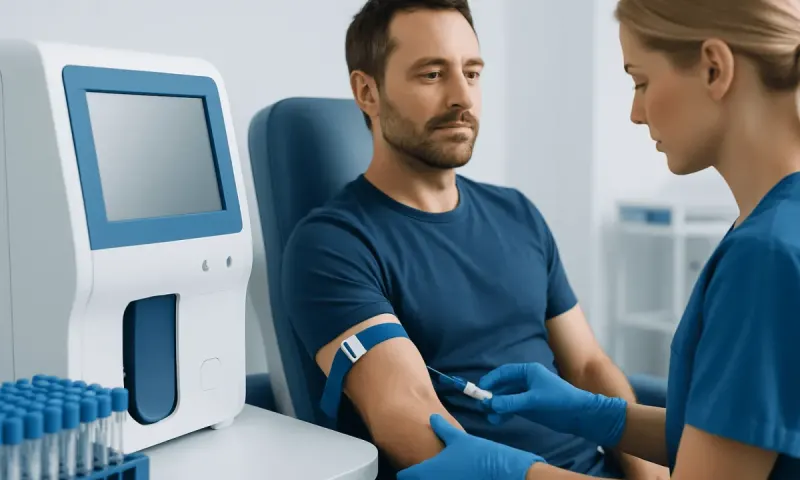
The main blood tests are TSH and free T4. TSH is produced by the pituitary gland and usually rises when the thyroid is underactive. Free T4 measures the circulating thyroid hormone available to the body. Thyroid peroxidase antibody testing can help identify autoimmune thyroid disease, particularly when the diagnosis is uncertain or when subclinical hypothyroidism is being evaluated.
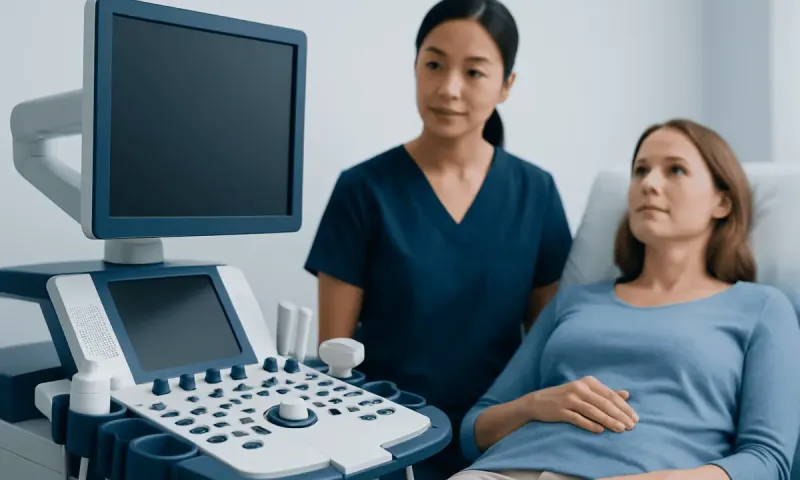
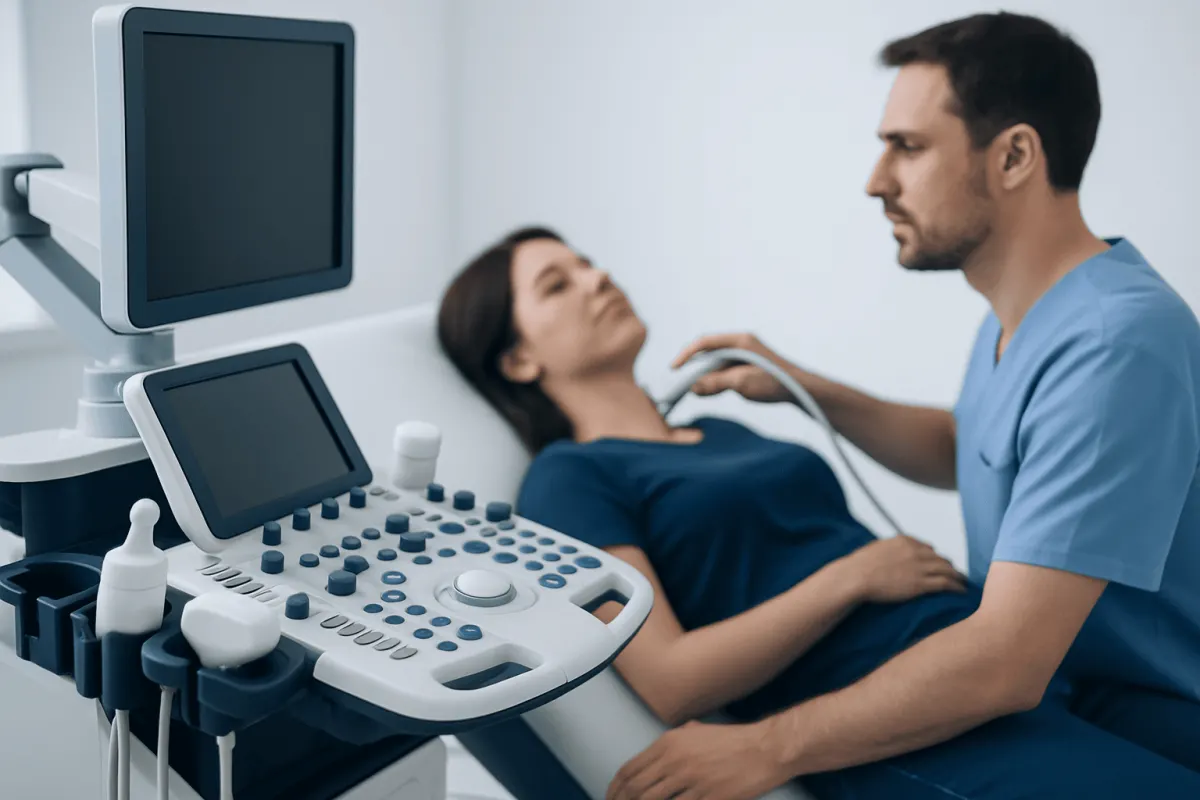
Repeat testing is often valuable because temporary illness, laboratory variation, pregnancy, and certain medicines can influence results. Thyroid ultrasound is not routinely required for abnormal blood tests alone, but it may be useful when there is a lump, enlargement, pain, or concern about thyroid structure. Accurate diagnosis helps avoid both unnecessary treatment and missed long-term hormone deficiency.
Treatment, monitoring, and safe lifestyle support
For permanent hypothyroidism, levothyroxine is the standard treatment. It is a synthetic form of T4 that replaces the hormone the thyroid would normally make. The dose is individualized and is adjusted using symptoms, TSH results, free T4 where appropriate, age, body size, pregnancy status, heart health, and other medicines. Follow-up blood tests help confirm that replacement is adequate but not excessive.
Medication absorption can be affected by timing, food, calcium, iron, some antacids, and other products. A doctor or pharmacist can explain how to take prescribed treatment consistently and whether other medicines or supplements should be separated from it. People should mention biotin supplements before thyroid testing, as biotin can interfere with some laboratory assays.
Healthy routines remain valuable whether or not medication is required. A balanced diet with adequate protein, fruits, vegetables, whole grains, and appropriate iodine intake supports general health. Regular physical activity, sufficient sleep, stress management, and treatment of iron deficiency, vitamin deficiencies, sleep disorders, or depression may also help with fatigue. However, no supplement, detox, or restrictive diet has been proven to reverse established autoimmune hypothyroidism.
In some circumstances, endocrinology specialists may review persistent symptoms or complex test results and arrange thyroid disease treatment tailored to the underlying diagnosis. Supplements marketed as “thyroid support” should be discussed with a clinician because they may contain iodine, thyroid hormone-like substances, or ingredients that interfere with treatment.
When to seek medical care
A medical appointment is appropriate for persistent symptoms that could be related to thyroid function, especially if they affect daily activities or occur alongside neck swelling, menstrual changes, fertility concerns, or a family history of autoimmune thyroid disease. Testing is also important for people who have had thyroid surgery, radioactive iodine treatment, or medicines known to affect the thyroid.
Pregnant people, those trying to conceive, and people who become pregnant while taking thyroid medication should contact their maternity or thyroid care team promptly. Thyroid hormone requirements can change during pregnancy, and maintaining appropriate levels supports both maternal health and fetal development.
Urgent assessment is needed for severe drowsiness or confusion, marked weakness, fainting, chest pain, shortness of breath, a very slow heartbeat, or rapidly worsening swelling. These symptoms have many possible causes, but they should not be managed at home. For non-urgent concerns, a primary care doctor or endocrinologist can arrange testing and explain the next steps.
Acıbadem Health Point’s multidisciplinary specialists and JCI-accredited hospitals support international patients with thyroid assessment, monitoring, and treatment planning when specialist care is needed.
Frequently asked questions
01Can diet alone cure hypothyroidism?
Diet alone cannot usually cure permanent hypothyroidism, including Hashimoto’s thyroiditis or hypothyroidism after thyroid surgery. A balanced diet supports general health, and correcting a documented iodine deficiency may help in selected cases. It is best to avoid high-dose iodine or “thyroid support” supplements unless a clinician recommends them.
02Can Hashimoto’s hypothyroidism go away without medication?
Hashimoto’s thyroiditis commonly causes permanent loss of thyroid function, so many people need long-term levothyroxine. Thyroid hormone levels can fluctuate, especially early in the condition, and treatment needs may change over time. Regular blood tests help a clinician determine the right plan.
03Is it safe to stop levothyroxine to see if hypothyroidism is gone?
A person should not stop levothyroxine without discussing it with the clinician who manages their thyroid care. In carefully selected people with a possible temporary cause, a doctor may arrange a monitored trial-off and repeat blood tests. Stopping treatment independently can lead to recurrent symptoms and abnormal thyroid hormone levels.
04How long does temporary hypothyroidism last?
The duration depends on the cause. Thyroiditis may improve over weeks to months, although recovery can take longer and some people develop permanent hypothyroidism afterward. Repeat TSH and free T4 testing is the reliable way to track recovery.
05Can exercise improve hypothyroidism?
Regular activity can improve fitness, mood, sleep, strength, and energy levels, but it does not replace thyroid hormone when the gland cannot produce enough. Exercise should be adjusted to a person’s symptoms, fitness level, and other health conditions. Once thyroid levels are well managed, most people can take part in their preferred physical activities.
06What tests confirm hypothyroidism?
The most commonly used tests are TSH and free T4. A clinician may also request thyroid antibody tests to assess for autoimmune thyroid disease and may repeat tests to confirm a mild or unexpected result. Ultrasound is generally reserved for thyroid enlargement, nodules, pain, or other structural concerns.
This article is for general information only and is not a substitute for professional medical advice. Please consult a qualified doctor about your individual situation.
Hair transplant in Turkey — costs, graft counts & a free assessment
JCI-accredited · board-certified surgeons · reply within 24h
Add us as a Preferred Source to see more of our trusted health content across Google Search, AI Overviews and Discover.