Phytoestrogen: Food Sources, Effects and Safety

Phytoestrogens are naturally occurring plant compounds that can interact mildly with estrogen receptors in the body. They are commonly found in foods such as soy, flaxseed, legumes, whole grains, and some fruits and vegetables, but their effects vary by type, dose, health status, and whether they come from food or supplements.
What Is Phytoestrogen?
Phytoestrogens are naturally occurring compounds made by plants. Their chemical structure allows them to bind to estrogen receptors, which are proteins in certain body tissues that respond to the hormone estrogen. However, phytoestrogens are not the same as estrogen produced by the ovaries or used in prescribed hormone therapy. Their activity is usually much weaker, and their effects can differ between people and body tissues.
The term can sound concerning because it includes the word “estrogen,” but eating phytoestrogen-containing foods is a normal part of many dietary patterns worldwide. These compounds have been studied for their potential relationships with menopausal symptoms, bone health, heart health, and certain cancers. Research remains complex because dietary patterns, gut bacteria, genetics, age, hormone status, and the amount consumed can all influence the body’s response.
Phytoestrogens may sometimes have estrogen-like effects and, in other settings, may partly block stronger estrogen signals. This does not mean they can reliably raise or lower estrogen levels. Rather, they can produce selective and often modest biological effects. For most people, phytoestrogens are best understood as nutritional compounds found in plant foods rather than as hormones or medicines.
Types and Food Sources of Phytoestrogens
The most widely studied phytoestrogens are isoflavones, lignans, and coumestans. Isoflavones are especially associated with soybeans and soy-based foods. The main soy isoflavones are genistein and daidzein. Lignans are present in flaxseed, sesame seeds, whole grains, legumes, berries, and some vegetables. Coumestans occur in smaller amounts in foods such as sprouts, beans, and peas.
Common food sources include tofu, tempeh, edamame, soy milk, miso, flaxseed, chickpeas, lentils, beans, oats, rye, barley, sesame seeds, and many fruits and vegetables. The amount in a serving can vary considerably according to the plant variety, processing method, and preparation. Fermented soy foods, for example, have a different nutrient profile from highly processed soy products.
Whole foods provide more than phytoestrogens. They also supply protein, fiber, unsaturated fats, vitamins, minerals, and other plant compounds. For this reason, research findings related to soy or flaxseed may reflect the overall food and dietary pattern rather than the action of one isolated compound. A varied eating pattern is generally more useful than focusing on one “hormone-balancing” food.
- Isoflavones: soybeans, tofu, tempeh, edamame, soy milk, legumes
- Lignans: ground flaxseed, sesame, whole grains, beans, berries
- Coumestans: alfalfa sprouts, mung bean sprouts, split peas, beans
How Phytoestrogens Act in the Body
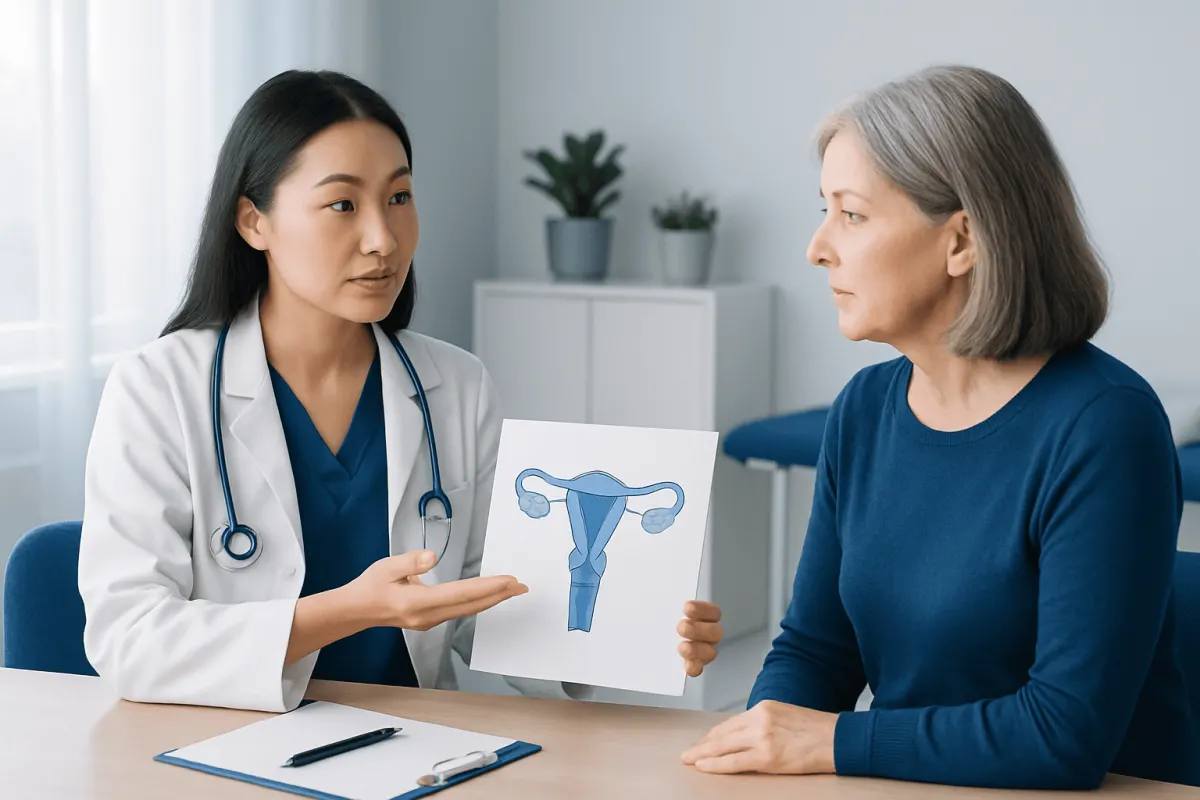
Estrogen receptors are found in tissues throughout the body, including the brain, bones, blood vessels, breast tissue, uterus, and reproductive organs. Phytoestrogens can bind to these receptors, particularly one type called estrogen receptor beta. Their binding is weaker than that of the body’s own estrogen, and the final effect depends on the tissue involved and the person’s existing hormone environment.
For example, before menopause, when estrogen levels are generally higher, a weak phytoestrogen may act differently than it does after menopause, when estrogen levels are lower. Gut bacteria also matter. Some people can convert daidzein, a soy isoflavone, into a compound called equol, which may have different biological activity. Not everyone has the gut bacteria needed to make equol.
This variability helps explain why study results are not always consistent. A supplement containing a concentrated extract may also act differently from a serving of food. It is therefore not accurate to assume that a product labeled “natural estrogen” will have a predictable effect on symptoms, hormone levels, fertility, or disease risk. Clinical decisions should be based on a person’s full medical history rather than supplement marketing claims.
Possible Benefits: What the Evidence Suggests
Phytoestrogens have been studied most often for menopause-related hot flashes and night sweats. Some studies suggest soy isoflavones may provide a modest reduction in hot flash frequency or severity for some postmenopausal women. Benefits, when they occur, are usually not immediate and may be less pronounced than those seen with prescription menopausal hormone therapy. Other studies have found little or no meaningful improvement.
Research also explores possible roles in bone and cardiovascular health. Diets containing soy foods, legumes, whole grains, nuts, and seeds can support overall heart health when they replace foods high in saturated fat. Soy protein may help improve some cholesterol measures in certain people, although this cannot be attributed to phytoestrogens alone. Evidence that phytoestrogens independently prevent fractures, osteoporosis, heart disease, or dementia is not strong enough to use them as a primary treatment.
Studies of phytoestrogens and cancer are also observational and require careful interpretation. A diet containing traditional soy foods has not been shown to increase breast cancer recurrence in most survivors, and many expert organizations consider moderate intake of soy foods acceptable. Still, research does not support using phytoestrogen supplements to prevent or treat cancer. Nutrition choices should complement, never replace, recommended screening, oncology care, or prescribed medicines.
Food Compared With Supplements
For most people, obtaining phytoestrogens through ordinary foods is the more cautious approach. Foods such as tofu, edamame, beans, and ground flaxseed contain phytoestrogens in naturally occurring amounts alongside nutrients that support general health. They are also easier to include as part of a balanced dietary pattern without relying on a single active ingredient.
Supplements may contain highly concentrated isoflavones, red clover extracts, soy extracts, or mixed herbal products. Product quality, actual dose, purity, and absorption may vary. “Natural” does not automatically mean safe for every person, particularly when a supplement is taken daily, combined with several other products, or used in place of evidence-based care for troublesome symptoms.
Anyone considering a phytoestrogen supplement should discuss it with a doctor, pharmacist, or registered dietitian. This is particularly important for people who have had breast, uterine, or ovarian cancer; have unexplained vaginal bleeding; have endometriosis or uterine fibroids; take endocrine therapy; or use medications for thyroid disease. A clinician can help distinguish a reasonable food-based choice from an approach that may be unsuitable or unnecessary.
Safety, Interactions, and Practical Use
Moderate intake of phytoestrogen-containing foods is generally considered safe for most healthy adults. For example, including soy foods a few times a week, eating legumes regularly, or adding a small amount of ground flaxseed to meals can fit into a nutritious diet. People should increase fiber-rich foods gradually and drink adequate fluids, as a sudden increase may cause bloating, gas, or changes in bowel habits.
People taking levothyroxine or other thyroid hormone replacement should be aware that soy foods and high-fiber foods can affect medication absorption when consumed too close to the dose. This does not necessarily mean soy must be avoided; it means medication timing should be discussed with the prescribing clinician. Adequate iodine intake is also important for thyroid health. Any prescribed medicine should be taken according to individualized instructions.
There is limited high-quality evidence about concentrated phytoestrogen supplements during pregnancy, breastfeeding, childhood, and adolescence. Food-based sources are generally preferable, while supplements should not be started without professional guidance. People with allergies to soy, sesame, or other relevant foods should avoid those specific sources and choose alternatives.
Symptoms commonly attributed to “low estrogen,” such as hot flashes, fatigue, sleep changes, mood changes, irregular periods, or vaginal dryness, can have different causes. Self-treating with supplements may delay a useful assessment. A healthcare professional can evaluate symptoms and discuss lifestyle measures, nonhormonal treatments, or hormone-based options when appropriate.
When to Seek Medical Care
Medical advice is recommended before using phytoestrogen supplements for menopausal symptoms, menstrual concerns, fertility, or cancer prevention. A clinician can review current medications, personal and family history, and possible causes of symptoms. This is especially important for people with a current or past hormone-sensitive cancer, a history of blood clots, liver disease, endometriosis, fibroids, or thyroid disease.
Prompt medical assessment is important for vaginal bleeding after menopause, unusually heavy menstrual bleeding, bleeding between periods, a new breast lump, persistent pelvic pain, or unexplained weight loss. These symptoms have many possible causes and should not be assumed to result from changing hormones or dietary phytoestrogens. Seeking care early supports appropriate diagnosis and treatment.
A balanced diet remains the foundation of using phytoestrogen-containing foods safely. An individualized plan can be particularly helpful for people managing menopause, cancer survivorship, endocrine conditions, or complex medication regimens. Acıbadem Health Point’s multidisciplinary specialists and JCI-accredited hospitals can assess hormone-related concerns and support international patients with evidence-based care.
Frequently asked questions
01Are phytoestrogens the same as estrogen?
No. Phytoestrogens are plant compounds that can interact with estrogen receptors, but they are structurally different from human estrogen and usually have much weaker effects. Their actions vary depending on the type of phytoestrogen, the tissue involved, and a person’s hormone status.
02Which foods contain the most phytoestrogens?
Soy foods, including tofu, tempeh, edamame, and soy milk, are well-known sources of isoflavones. Ground flaxseed, sesame seeds, legumes, whole grains, berries, and some sprouts also provide phytoestrogens. Amounts vary between foods and serving sizes.
03Can phytoestrogens help with hot flashes?
Soy isoflavones may modestly improve hot flashes for some postmenopausal women, but results are inconsistent. They are not as reliably effective as prescription hormone therapy for people who are suitable candidates. A clinician can discuss options based on symptom severity and medical history.
04Is soy safe for people with breast cancer?
Moderate amounts of traditional soy foods are generally considered safe for most people with a history of breast cancer. However, concentrated soy or isoflavone supplements should not be used without discussing them with the oncology team. Individual advice is important because treatment plans and cancer types differ.
05Can phytoestrogens affect thyroid medication?
Soy and high-fiber foods can reduce levothyroxine absorption if eaten too close to the medication dose. Many people can still include these foods in their diet by following consistent medication timing guidance from their clinician. Thyroid blood tests may be monitored when dietary habits change substantially.
06Should phytoestrogen supplements be used during pregnancy?
Concentrated phytoestrogen supplements are generally not recommended during pregnancy or breastfeeding unless specifically advised by a qualified healthcare professional. Evidence about their safety in these settings is limited. Food-based sources within a balanced diet are usually the more appropriate choice.
This article is for general information only and is not a substitute for professional medical advice. Please consult a qualified doctor about your individual situation.
Persistent digestive symptoms? Get evaluated in Turkey
JCI-accredited · board-certified surgeons · reply within 24h
Add us as a Preferred Source to see more of our trusted health content across Google Search, AI Overviews and Discover.