Can an Online Endometriosis Test Diagnose Symptoms?
An endometriosis test online is usually a symptom questionnaire, not a diagnostic test. It can help a person recognize patterns worth discussing with a gynecologist, while a confirmed diagnosis is based on medical assessment and, when needed, imaging or laparoscopy.
Endometriosis Test Online: What It Can and Cannot Show
An endometriosis test online generally refers to a symptom checker or questionnaire. It asks about concerns such as painful periods, pelvic pain, pain during sex, bowel or bladder symptoms that worsen around menstruation, tiredness, or difficulty becoming pregnant. The results may suggest whether it is sensible to arrange a medical appointment, but they cannot diagnose endometriosis.
There is no single blood test, saliva test, home test, or online questionnaire that can reliably confirm or exclude endometriosis. Symptoms overlap with other conditions, including ovarian cysts, irritable bowel syndrome, pelvic inflammatory disease, fibroids, adenomyosis, bladder conditions, and some gastrointestinal disorders. A qualified clinician can assess the full pattern of symptoms and decide which investigations, if any, are appropriate.
Using an online tool can be a practical first step for organizing concerns before a consultation. It is most useful when paired with a written record of symptoms, menstrual timing, medicines tried, and the effect of symptoms on daily life, work, relationships, and fertility goals.
How Endometriosis Is Assessed in Clinical Care
Endometriosis occurs when tissue similar to the lining of the uterus grows outside the uterus. It may affect the ovaries, fallopian tubes, pelvic lining, bowel, bladder, or other nearby structures. The condition varies widely: some people have substantial pain with small areas of disease, while others have few symptoms despite more extensive lesions.
A medical evaluation usually begins with a discussion of symptoms and medical history. The clinician may ask when pain occurs, whether it follows the menstrual cycle, whether there is heavy bleeding, and whether bowel, urinary, sexual, or fertility concerns are present. A pelvic examination may be offered, with consent, to check for tenderness, masses, or other findings.
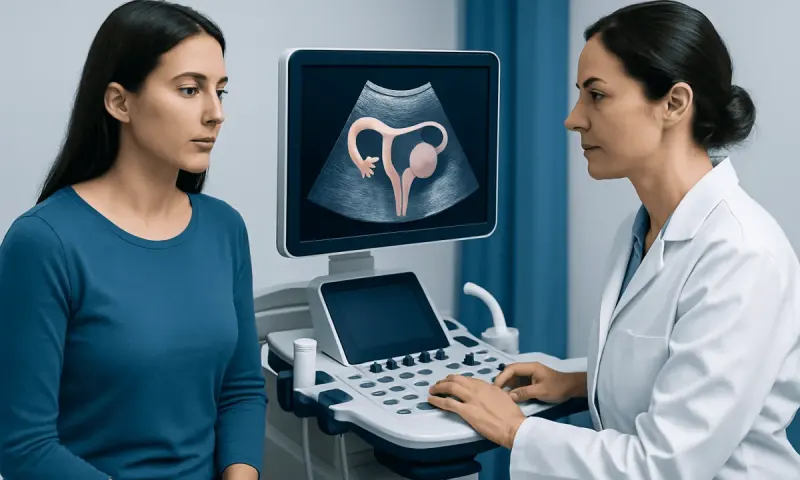
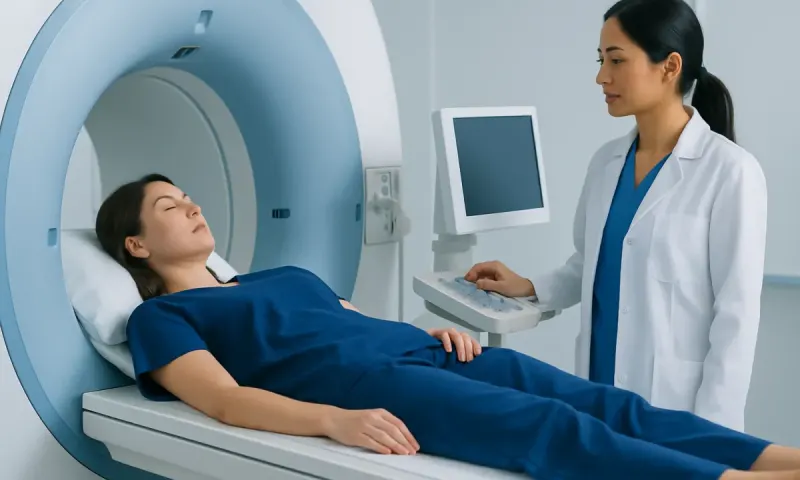
Pelvic ultrasound is often used to look for ovarian endometriomas and other possible causes of symptoms. A specialized ultrasound or magnetic resonance imaging scan may help identify deep endometriosis in selected cases. However, normal imaging does not rule out endometriosis, particularly superficial disease. More information is available in endometriosis information.
In some situations, a clinician may make a working diagnosis based on symptoms and imaging and begin treatment without surgery. Laparoscopy, a minimally invasive operation using a small camera, can allow a surgeon to inspect the pelvis and remove or sample suspected endometriosis when clinically appropriate.
Is There an Online Test for Endometriosis?
There are online symptom questionnaires for endometriosis, but there is no validated online test that independently diagnoses the condition. A questionnaire cannot examine the pelvis, assess imaging, identify other causes of symptoms, or determine whether surgery is needed. Its role is to support awareness and help a person decide whether to seek professional advice.
Online results should be treated as a conversation starter rather than a medical conclusion. A high symptom score does not prove endometriosis, and a low score does not fully exclude it. Symptoms may change over time, and some people with endometriosis have symptoms that do not fit a typical checklist.
It can be helpful to save or write down the questionnaire results and take them to a consultation. The most useful details are the location and severity of pain, its relationship to periods, bleeding patterns, gastrointestinal or urinary symptoms, attempts to conceive, and the treatments that have or have not helped.
How to Prepare for an Endometriosis Test?
Preparation depends on the type of assessment planned. Before an initial appointment, keeping a symptom and period diary for several weeks or months can be valuable. Record the first day of each period, pain severity and location, bleeding, bowel or bladder symptoms, pain during or after sex, fatigue, missed activities, and any pain medicines or hormonal treatments used.
Bring a list of medicines, supplements, allergies, previous operations, medical conditions, pregnancy history, and relevant family history. If fertility is a concern, it may help to note how long pregnancy has been attempted and whether any prior fertility tests or treatments have been completed. Previous scan reports, laboratory results, and operation notes can also help avoid repeated testing.
For a pelvic ultrasound, the imaging center will provide specific instructions. Some pelvic scans are performed with a full bladder, while transvaginal ultrasound may require an empty bladder. A person should ask beforehand what to expect, whether an internal scan is suitable for them, and whether they may bring a support person if local policy allows.
If laparoscopy is planned, the surgical team will give instructions about fasting, medicines, transport home, and recovery arrangements. People should mention blood-thinning medicines, diabetes medicines, possible pregnancy, previous anesthesia reactions, and any new illness before the procedure.
Laparoscopy and Endometriosis Surgery: Procedure and Results
Laparoscopy is performed under general anesthesia. The surgeon makes small incisions, usually in the abdomen, and inserts a camera to view the pelvic organs. Carbon dioxide gas is used temporarily to create working space. If endometriosis is found, the surgeon may remove, destroy, or release tissue and adhesions, depending on the pre-agreed surgical plan, the location of disease, and safety considerations.
Samples may be sent to a laboratory for examination under a microscope. A pathology result can support the diagnosis when endometriosis tissue is identified. Still, a negative sample does not always explain every symptom, and the treating clinician will interpret results alongside the surgical findings and overall clinical picture.
The surgeon should explain what was seen, what treatment was performed, whether tissue was sent for analysis, and what follow-up is needed. Endometriosis can recur or continue to cause symptoms after surgery, so surgery is often combined with a longer-term plan that may include hormonal treatment, pain management, pelvic floor support, or fertility care.
When surgery is appropriate, laparoscopic surgery can be used for diagnosis and treatment in the same procedure. The choice to proceed should be made after discussing expected benefits, limitations, alternatives, fertility plans, and possible surgical risks with a gynecologist.
How Long Is Recovery After Endo Surgery?
Recovery after endometriosis surgery depends on the type and extent of the operation, the areas treated, and the person’s general health. After a straightforward diagnostic laparoscopy or minor treatment, many people return to light activities within several days and feel more comfortable over one to two weeks. Tiredness, abdominal tenderness, mild vaginal bleeding, and shoulder-tip discomfort from the surgical gas can occur temporarily.
More extensive laparoscopic surgery, including removal of significant lesions, ovarian cyst surgery, or treatment involving the bowel, bladder, or deeper pelvic tissues, may require several weeks of recovery. Open abdominal surgery usually involves a longer recovery period, often several weeks or more. The surgical team can provide the most accurate estimate for the specific procedure.
Following discharge, rest, gentle walking, adequate fluids, and following wound-care advice can support recovery. Driving, exercise, lifting, sexual activity, and return to work should follow the clinician’s recommendations, especially after more complex surgery. Pain relief should be used exactly as advised.
Urgent medical advice is appropriate for worsening pain rather than gradual improvement, fever, persistent vomiting, heavy bleeding, increasing redness or discharge from wounds, shortness of breath, chest pain, fainting, or a swollen painful leg. These symptoms are uncommon but should not be ignored after any operation.
What Happens After You Get Diagnosed with Endometriosis?
After an endometriosis diagnosis, care is tailored to the person’s symptoms, life stage, preferences, and pregnancy plans. The goals may include reducing pain, improving everyday function, managing heavy bleeding, protecting fertility where possible, and addressing the emotional impact of long-term symptoms. Not everyone needs surgery, and treatment can change over time.
Common options include nonsteroidal anti-inflammatory pain medicines when suitable, hormonal treatments that reduce or suppress menstruation, and surgery for selected symptoms or disease patterns. Hormonal treatment is not appropriate for everyone and does not improve the chance of conception while it is being used. People who are trying to become pregnant may benefit from early discussion with a gynecologist or fertility specialist.
Supportive care can also matter. Physiotherapy for pelvic floor muscle pain, nutritional guidance for individual bowel symptoms, psychological support, and strategies for sleep and activity pacing may help some people manage the wider effects of chronic pelvic pain. These approaches complement, rather than replace, medical assessment and treatment.
Regular follow-up allows the care plan to be reviewed if symptoms persist, return, or change. Acıbadem Health Point’s multidisciplinary specialists and JCI-accredited hospitals provide evaluation and treatment planning for international patients with endometriosis.
When to Seek Medical Care
A person should arrange a medical appointment for pelvic pain that repeatedly affects school, work, sleep, relationships, exercise, or daily activities; periods that are increasingly painful or heavy; pain during sex; or bowel and bladder symptoms that occur predictably around menstruation. Medical assessment is also advisable when pregnancy has not occurred after a period of trying, particularly if there are symptoms suggestive of endometriosis.
Seek urgent care for sudden severe pelvic or abdominal pain, fainting, heavy vaginal bleeding, fever with pelvic pain, persistent vomiting, or possible pregnancy with pain or bleeding. These symptoms may have causes other than endometriosis and need prompt assessment.
Symptoms deserve attention even if an earlier examination or ultrasound was normal. A clinician can review whether symptoms suggest endometriosis or another condition and discuss safe next steps. Keeping a symptom diary can make this conversation clearer and more productive.
Frequently asked questions
01Can an online endometriosis test diagnose me?
No. Online tools usually assess symptoms and may indicate that a medical consultation would be worthwhile, but they cannot diagnose or rule out endometriosis. Diagnosis requires evaluation by a qualified clinician and may include examination, imaging, or laparoscopy.
02Can an ultrasound detect endometriosis?
Ultrasound can identify some forms of endometriosis, including ovarian endometriomas, and can help look for other causes of pelvic symptoms. However, a normal ultrasound does not exclude endometriosis, especially superficial lesions. A specialist may recommend further assessment depending on symptoms and findings.
03Does endometriosis always require surgery for diagnosis?
No. Many clinicians can make a clinical or working diagnosis from symptoms, examination, and imaging, then offer treatment without immediate surgery. Laparoscopy may be considered when the diagnosis remains uncertain, symptoms do not improve, fertility issues need investigation, or surgery may treat suspected disease.
04How soon can someone return to work after endometriosis laparoscopy?
Some people return to desk-based work after several days to one or two weeks following a simple laparoscopy. More extensive surgery may require several weeks away from work. The surgical team should advise based on the procedure, healing progress, and the physical demands of the job.
05What should I ask at an endometriosis appointment?
Useful questions include what conditions may be causing the symptoms, whether imaging is needed, and what treatments are suitable for current goals. It is also reasonable to ask how treatment may affect fertility, what side effects are possible, and when follow-up should occur. Bringing a symptom diary can help guide the discussion.
06Can endometriosis symptoms return after surgery?
Yes. Surgery can improve symptoms and remove visible disease, but endometriosis-related symptoms may persist or recur over time. Follow-up and a personalized long-term plan, which may include hormonal treatment when appropriate, can help manage ongoing risk and symptoms.
This article is for general information only and is not a substitute for professional medical advice. Please consult a qualified doctor about your individual situation.
Persistent digestive symptoms? Get evaluated in Turkey
JCI-accredited · board-certified surgeons · reply within 24h
Add us as a Preferred Source to see more of our trusted health content across Google Search, AI Overviews and Discover.