Can an Insulin Overdose Trigger a Heart Attack?
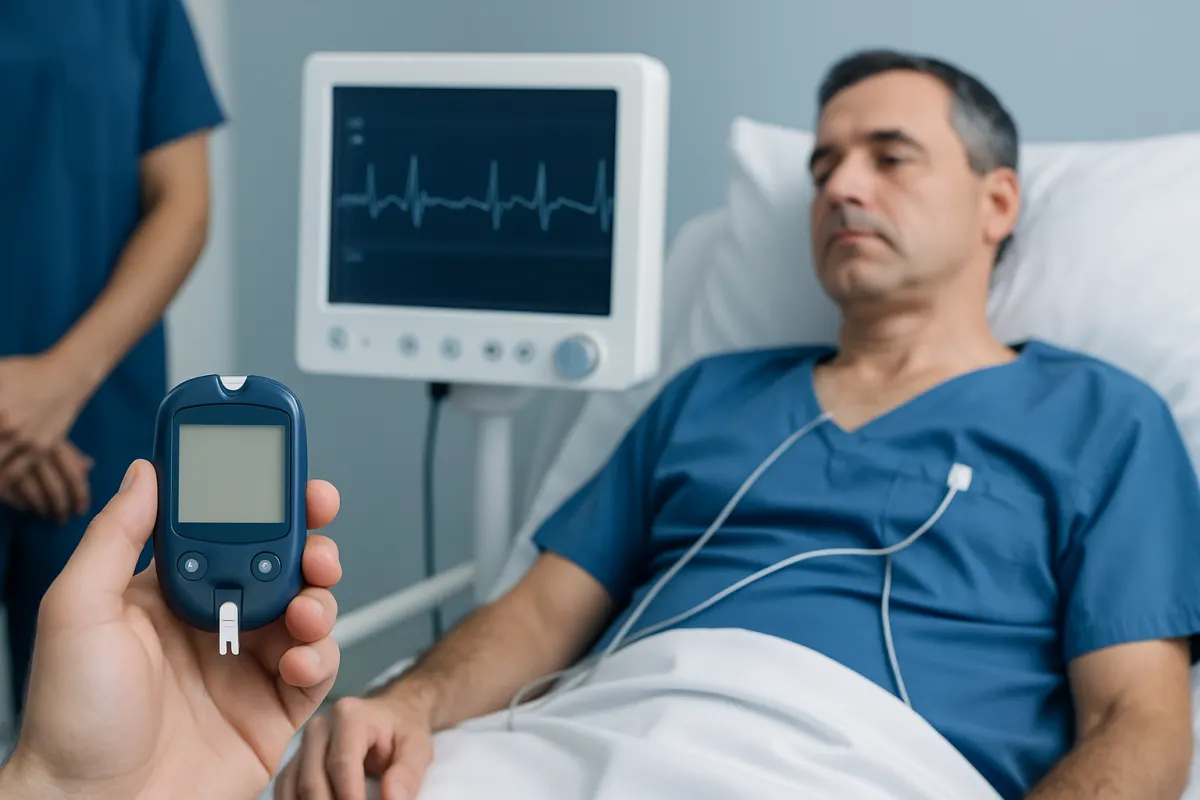
Can insulin overdose cause a heart attack? Most promptly recognized episodes of extra insulin lead to low blood sugar and can be treated before lasting harm occurs. However, severe or prolonged hypoglycemia can place significant stress on the heart, particularly in people with existing heart disease, and needs urgent medical attention.
Can insulin overdose cause a heart attack?
Yes, an insulin overdose can contribute to a heart attack in uncommon, serious circumstances, mainly by causing severe hypoglycemia (very low blood glucose). Most insulin dosing mistakes are recognized early and treated successfully with fast-acting carbohydrate or medical care, without causing a heart attack or permanent heart damage. Nevertheless, a severe or prolonged low blood sugar episode can put stress on the cardiovascular system and may be especially risky for people with coronary artery disease, heart rhythm conditions, or other significant health concerns.
Insulin helps move glucose from the bloodstream into cells, where it is used for energy. Taking more insulin than the body needs, delaying or missing a meal, exercising more than expected, drinking alcohol, or having reduced kidney function can all make blood glucose fall too far. The immediate problem is lack of glucose for the brain and body, not a heart attack itself.
It is important not to ignore symptoms after suspected excess insulin. Early treatment often prevents complications. Chest pressure or pain, shortness of breath, collapse, seizures, marked confusion, or inability to safely eat or drink are emergency warning signs and should be assessed urgently.
How low blood sugar can affect the heart
When glucose drops, the body releases stress hormones, including adrenaline, to raise it. This response may cause sweating, shakiness, anxiety, a racing heartbeat, and a rise in blood pressure. In a severe episode, these changes can increase the heart’s oxygen demand at the same time as blood vessels may be narrowed by pre-existing atherosclerosis.
Hypoglycemia can also affect the electrical system of the heart. It may prolong the QT interval on an electrocardiogram (ECG) and increase the chance of abnormal heart rhythms in some people. Low potassium levels can occur during insulin excess as potassium shifts into cells, which may further contribute to rhythm disturbances.
A heart attack occurs when blood flow to part of the heart muscle is suddenly reduced or blocked, usually because of coronary artery disease and a blood clot. Hypoglycemia does not usually create that blockage directly. However, the physical stress of severe hypoglycemia can, in rare cases, help trigger reduced blood flow to the heart or a cardiac event in someone already at high cardiovascular risk. Related cardiac concerns can be assessed through coronary artery disease evaluation when clinically appropriate.
Symptoms of insulin overdose and severe hypoglycemia
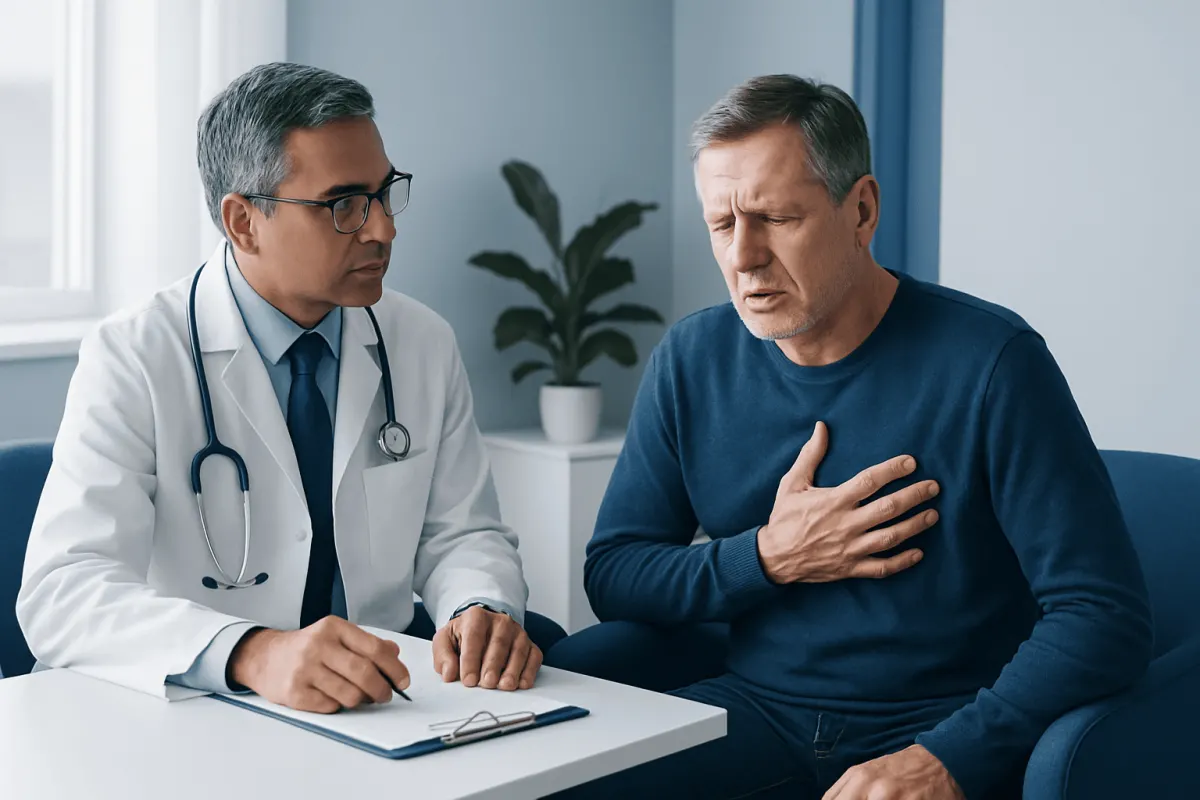
Symptoms can develop quickly or gradually, depending on the type and amount of insulin used, food intake, activity level, and individual response. Early symptoms may be uncomfortable but are often manageable if the person is awake, able to swallow, and can check or treat their glucose level promptly.
- Shaking, sweating, hunger, tingling around the lips, or palpitations
- Headache, dizziness, blurred vision, weakness, or irritability
- Difficulty concentrating, unusual behavior, slurred speech, or poor coordination
- Confusion, drowsiness, fainting, seizures, or unconsciousness in severe cases
Symptoms of low blood sugar can overlap with heart symptoms because both may cause sweating, nausea, dizziness, and a fast heartbeat. New chest pain, chest tightness, pain spreading to the arm, jaw, back, or upper abdomen, breathlessness, or a persistent irregular heartbeat should not be assumed to be hypoglycemia alone. Emergency assessment is appropriate, even if glucose improves after treatment.
Some people, especially those who have had diabetes for many years or repeated episodes of hypoglycemia, may have reduced awareness of early warning symptoms. Continuous glucose monitoring, if prescribed, and regular review of glucose patterns can help identify risks before a severe episode develops.
Who may be at greater risk of complications?
Anyone who uses insulin can experience low blood sugar, but the risk rises when insulin doses do not match meals, activity, illness, or changing medical needs. Long-acting insulin can cause prolonged hypoglycemia, while rapid-acting insulin may produce a faster drop, particularly if a meal is skipped or delayed. An accidental dose mix-up, such as using the wrong insulin product or injecting a dose twice, also needs prompt guidance from a clinician or poison information service.
Serious cardiovascular effects are more likely in people with known heart disease, a past heart attack, heart failure, an arrhythmia, high blood pressure, or substantial risk factors such as smoking, high cholesterol, and kidney disease. Older adults may be more vulnerable to both hypoglycemia and its consequences. People with diabetes should continue individualized care for type 2 diabetes or other diabetes conditions with their treating team.
Alcohol can increase the risk of delayed hypoglycemia because it can interfere with the liver’s ability to release stored glucose. Vomiting, diarrhea, poor appetite, infection, and kidney or liver disease may also alter insulin needs. A change in daily routine is a reason to monitor glucose more closely and ask a clinician whether the treatment plan should be adjusted.
What doctors may check after a suspected overdose
Medical assessment begins with the immediate priorities: checking blood glucose, treating hypoglycemia, monitoring consciousness, and ensuring the person can safely eat and drink. The clinical team will ask which insulin was used, the estimated amount, the time of injection, recent meals, alcohol intake, activity, other medicines, and any previous low-glucose episodes.
Because certain insulins can act for many hours, clinicians may recommend observation and repeated glucose checks even after the first treatment seems effective. Hospital treatment may include oral carbohydrate for mild episodes, intravenous glucose for severe hypoglycemia, and close monitoring when symptoms are ongoing or the insulin dose was substantial. The appropriate approach depends on the specific situation.
If there are chest symptoms, fainting, a known cardiac condition, or concerning examination findings, tests may include an ECG, blood tests such as electrolytes and cardiac markers, and heart monitoring. These tests help distinguish hypoglycemia-related symptoms from a heart attack or an abnormal rhythm. Appropriate cardiology assessment can support investigation of suspected cardiac complications.
When to seek medical care
Emergency medical care is needed if a person with suspected insulin overdose is unconscious, having a seizure, severely confused, unable to swallow safely, or not improving after initial low-blood-sugar treatment. Call local emergency services immediately for chest pain or pressure, new shortness of breath, a sustained irregular heartbeat, blue or gray lips, collapse, or signs of stroke. Do not give food, drink, or medication by mouth to someone who is drowsy, unconscious, or having a seizure because of choking risk.
If the person is awake and can swallow, they should follow their prescribed hypoglycemia action plan, check glucose when possible, and recheck after treatment. Fast-acting glucose sources are generally used first, followed by a longer-acting carbohydrate or meal once glucose has improved, but individual care plans may differ. A person should not drive, stay alone, or resume potentially hazardous activity until glucose is stable and they feel fully recovered.
Even when symptoms settle, it is sensible to contact the diabetes care team after an unintentional overdose, recurrent lows, or a treatment change. They can advise on monitoring duration and help identify why the episode happened. Suspected intentional insulin overdose is a medical emergency and also requires immediate compassionate mental health support.
Prevention and practical next steps
Preventing hypoglycemia starts with using insulin exactly as prescribed and understanding how meals, exercise, illness, and alcohol affect glucose levels. Keeping insulin products clearly labeled, checking the insulin type before each dose, using reminders when needed, and recording injections can reduce the risk of dose errors. People who use pens should confirm the dose window and avoid sharing devices.
Regular glucose monitoring or a continuous glucose monitor can reveal patterns that may require a change in insulin timing, food planning, or activity adjustments. A clinician, diabetes nurse, or dietitian can help create an individualized plan. People at risk of severe hypoglycemia may be advised to keep prescribed glucagon available and ensure close contacts know when and how to use it.
It is helpful to carry a source of fast-acting carbohydrate and wear or carry diabetes identification. Family members, friends, colleagues, and school staff can be taught to recognize severe hypoglycemia and call emergency services. Acıbadem Health Point’s multidisciplinary specialists and JCI-accredited hospitals diagnose and treat diabetes-related and cardiovascular concerns for international patients.
Repeated low blood sugar is not something a person should simply tolerate. It may signal that insulin needs, eating patterns, other medicines, or an underlying health condition need review. Timely follow-up can make diabetes management safer while supporting good long-term glucose control.
Frequently asked questions
01Can too much insulin cause a heart attack immediately?
Too much insulin most often causes low blood sugar rather than a heart attack directly. Severe hypoglycemia can create stress on the heart and may rarely contribute to a cardiac event, particularly in a person with underlying heart disease. Chest pain, breathlessness, collapse, or persistent palpitations need emergency evaluation.
02What should someone do after accidentally taking too much insulin?
They should check blood glucose if possible and follow their individualized hypoglycemia plan if they are awake and able to swallow. They should seek urgent medical advice because the needed monitoring period depends on the insulin type, amount, and timing. Emergency services are needed for severe symptoms, seizures, unconsciousness, or inability to take carbohydrates safely.
03Can low blood sugar cause an irregular heartbeat?
Yes, severe hypoglycemia can affect the heart's electrical activity and may contribute to abnormal rhythms in some people. The risk may be greater with existing heart disease, electrolyte disturbances, or prolonged low glucose. A new or sustained irregular heartbeat should be medically assessed.
04How long can symptoms last after an insulin overdose?
The duration varies widely according to the insulin formulation, dose, food intake, activity, and kidney function. Some long-acting insulins can cause recurrent low blood sugar for many hours. This is why medical guidance and repeated glucose checks may be necessary even when a person initially feels better.
05Should a person go to hospital for every insulin dosing mistake?
Not every dosing error requires hospital care, especially if it is minor, promptly recognized, and glucose remains stable with a clinician-approved plan. However, a healthcare professional should advise on significant extra doses, use of long-acting insulin, recurrent lows, uncertainty about the dose, or any risk factors for severe hypoglycemia. Emergency care is required for serious symptoms or heart-related warning signs.
06Can insulin overdose be prevented?
Many accidental overdoses can be prevented by checking the insulin type and dose before injecting, using consistent routines, and keeping clear records. Glucose monitoring, education about meals and activity, and regular review of insulin needs can further reduce risk. Anyone having repeated lows should discuss this with their diabetes care team rather than changing doses independently.
This article is for general information only and is not a substitute for professional medical advice. Please consult a qualified doctor about your individual situation.
Heart care in Turkey — expert evaluation and treatment
JCI-accredited · board-certified surgeons · reply within 24h
Add us as a Preferred Source to see more of our trusted health content across Google Search, AI Overviews and Discover.