Heart Palpitations After Drinking Alcohol: When to Seek Care

Heart palpitations after drinking may feel like racing, pounding, fluttering, or skipped heartbeats. They are often temporary, particularly after heavier alcohol intake, but recurrent or severe symptoms can signal an abnormal heart rhythm and deserve medical assessment.
Overview: why alcohol can make the heart race
Heart palpitations after drinking are sensations of being unusually aware of the heartbeat. A person may notice pounding in the chest, a racing pulse, fluttering, skipped beats, or a brief irregular rhythm. Alcohol can trigger these sensations shortly after drinking, later that night, or the following day as the body recovers.
For many people, palpitations are short-lived and settle with rest, hydration, and avoiding further alcohol. However, alcohol can also trigger clinically important arrhythmias, particularly atrial fibrillation. This is an irregular rhythm that may cause a fast or uneven heartbeat, tiredness, breathlessness, light-headedness, or no symptoms at all.
Symptoms should not be self-diagnosed as harmless simply because they occur after alcohol. The pattern matters: new symptoms, episodes that recur, a sustained rapid or irregular pulse, or symptoms in someone with heart disease should be discussed with a qualified clinician.
What palpitations may feel like and when they occur
People describe palpitations in different ways. The heart may feel as though it is beating too fast, thumping forcefully, fluttering, pausing, or “flip-flopping.” Some notice the feeling in the chest, throat, or neck. The sensation can be brief and occasional, or it may persist for minutes to hours.
The timing can offer useful clues. Alcohol may increase heart rate while a person is drinking, especially when combined with dancing, heat, nicotine, caffeine, energy drinks, or little food. Palpitations may also occur overnight or the next morning, when dehydration, disrupted sleep, stress hormones, and alcohol withdrawal effects can be more noticeable.
Not every pounding heartbeat is an arrhythmia. Anxiety, nausea, reflux, fever, panic, and dehydration can all create similar sensations. Conversely, some arrhythmias do not feel dramatic. Recording when symptoms start, how long they last, what was consumed, and whether the pulse felt regular can help a clinician evaluate the episode.
- Fast but regular heartbeat may occur with alcohol’s stimulant-like effects, anxiety, dehydration, or low blood sugar.
- Irregular, fluttering, or uneven beats may suggest premature beats or an arrhythmia such as atrial fibrillation.
- Symptoms that continue after alcohol has worn off should not be ignored.
How alcohol triggers palpitations
Alcohol affects the heart and nervous system in several overlapping ways. It can increase adrenaline-related activity, alter the electrical signals that coordinate the heartbeat, and raise the resting heart rate. These effects may be stronger after a large amount of alcohol consumed over a short period, but some individuals are sensitive to smaller amounts.
Alcohol also promotes fluid loss and can contribute to dehydration. Vomiting, diarrhea, sweating, or not drinking enough water may worsen this effect. Changes in minerals involved in normal muscle and nerve function, including potassium and magnesium, can make palpitations more likely in susceptible people.
Sleep disruption is another important factor. Alcohol may make it easier to fall asleep initially, but it can fragment sleep later in the night and worsen snoring or obstructive sleep apnea. Poor sleep and sleep apnea are both associated with a higher likelihood of palpitations and some abnormal heart rhythms.
Heavy episodic drinking can precipitate atrial fibrillation in people with or without previously recognized heart disease. This alcohol-related pattern is sometimes called holiday heart syndrome because it may occur after celebratory periods of increased drinking. For more information about this rhythm condition, see atrial fibrillation.
Who may be at greater risk
Anyone can experience a temporary fast heartbeat after drinking, but some people have a higher chance of recurrent palpitations or alcohol-related arrhythmia. Risk may increase with frequent heavy drinking, binge drinking, older age, high blood pressure, diabetes, thyroid disease, obesity, obstructive sleep apnea, or a personal or family history of rhythm problems.
People with established heart conditions, including coronary artery disease, heart failure, valve disease, or a previous arrhythmia, should be particularly cautious. Alcohol may interact with the effects of some medicines or make it harder to control conditions such as blood pressure. A doctor or pharmacist can provide individualized advice about alcohol and prescribed treatment.
Other common triggers may combine with alcohol. These include caffeine, nicotine, cannabis or stimulant drugs, decongestants, energy drinks, emotional stress, illness, and inadequate sleep. Identifying the complete pattern is often more useful than focusing on one drink alone.
Regular alcohol intake can also contribute over time to high blood pressure and weakening of the heart muscle in some people. Reducing alcohol can be an important part of protecting long-term cardiovascular health, particularly for those who already have palpitations or an arrhythmia.
How doctors evaluate palpitations after alcohol
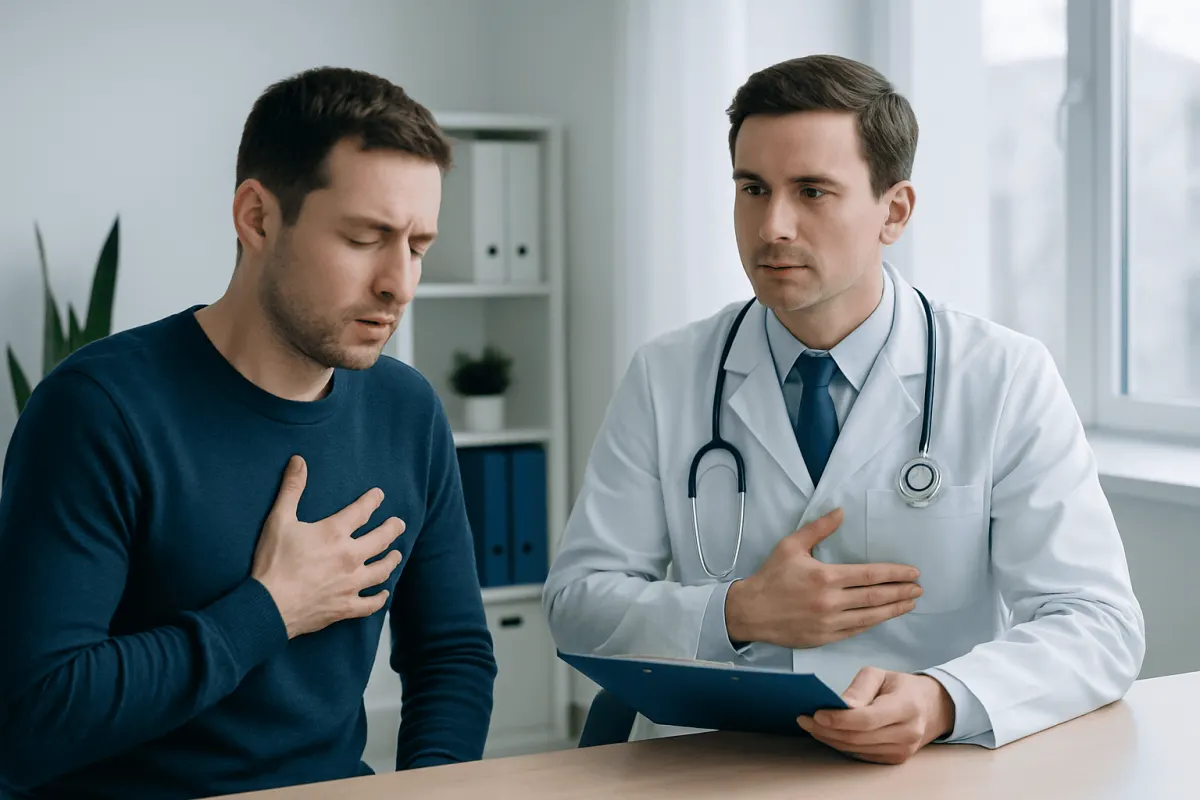
A clinician will usually begin by asking about the symptoms: when they began, how long they lasted, whether the heartbeat felt regular, and whether chest discomfort, breathlessness, dizziness, or fainting occurred. They will also ask about the amount and timing of alcohol, other substances, medicines, caffeine use, sleep, medical history, and family history of sudden cardiac death or rhythm disorders.
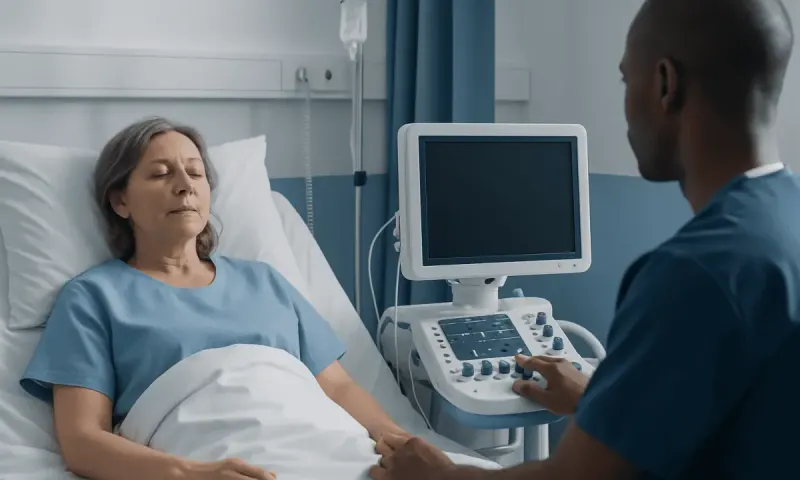
An electrocardiogram (ECG) can show the heart rhythm at the time of testing. If palpitations come and go, a portable rhythm monitor may be worn for a day, several days, or longer to capture an episode. Depending on the situation, blood tests may assess thyroid function, anemia, electrolytes, blood sugar, or other contributors.
Some people may need an echocardiogram, which uses ultrasound to assess the heart’s structure and pumping function. Further testing depends on the symptoms, examination findings, age, medical history, and the suspected rhythm problem. Evaluation is designed to distinguish benign extra beats from rhythms that require treatment or follow-up.
It is helpful to bring a symptom record to the appointment. If possible, note the date, alcohol intake, accompanying foods or drinks, symptoms, pulse information from a reliable device, duration, and what relieved the episode. Consumer wearable data can be useful context, but it does not replace medical rhythm testing.
Treatment and practical self-care
Treatment depends on the underlying cause rather than the sensation of palpitations alone. When alcohol is the likely trigger and there are no concerning features, the first step is usually to stop drinking for a period and observe whether episodes resolve. Avoiding binge drinking is especially important, and complete avoidance may be recommended for people whose palpitations reliably follow alcohol use.
During a mild, brief episode, a person can stop alcohol and stimulants, sit or lie down safely, drink water if they are able to swallow normally, and avoid driving. A balanced meal may help if they have not eaten, although symptoms that are severe or persistent should be assessed rather than managed at home.
Clinicians may treat contributing conditions such as high blood pressure, thyroid disease, sleep apnea, or dehydration. If an arrhythmia is confirmed, management may include rhythm or rate-control medicines, stroke-prevention treatment for selected people with atrial fibrillation, or a procedure such as cardiac ablation when appropriate. The right approach depends on the rhythm, symptom burden, overall health, and individual risks.
Acıbadem Health Point’s multidisciplinary specialists and JCI-accredited hospitals evaluate and treat heart rhythm concerns for international patients. Care plans should always be developed with a qualified medical team who can assess the person’s symptoms and health history.
When to seek medical care
Seek emergency medical help immediately if palpitations occur with chest pain or pressure, fainting, severe shortness of breath, confusion, new weakness, or a feeling of imminent collapse. Urgent assessment is also important when the heart is persistently very fast or clearly irregular, particularly if the person has known heart disease or is feeling unwell.
Arrange a non-urgent medical appointment for palpitations that recur after drinking, last longer than a few minutes, wake a person from sleep, occur with exercise, or happen even when alcohol is avoided. A review is also sensible for anyone with a history of atrial fibrillation, other arrhythmias, stroke, heart failure, or significant cardiovascular risk factors.
People who drink heavily on a regular basis should not suddenly stop without medical guidance if they have had shaking, sweating, agitation, hallucinations, or seizures when cutting down before. Alcohol withdrawal can be dangerous, and supervised support may be needed. A clinician can help create a safe plan for reducing alcohol and managing dependence.
Reducing future episodes
The most dependable way to prevent alcohol-related palpitations is to avoid alcohol if it has been identified as a trigger. For those who choose to drink, avoiding large amounts in one session, drinking slowly, eating regularly, and alternating alcoholic drinks with water may reduce some contributors such as dehydration. These measures do not guarantee that palpitations or arrhythmias will not occur.
It may also help to limit caffeine and energy drinks when drinking alcohol, avoid nicotine and recreational stimulants, prioritize sleep, and address snoring or suspected sleep apnea. Maintaining healthy blood pressure, regular physical activity, and management of diabetes or thyroid conditions can support heart health overall.
A symptom diary can clarify whether palpitations are related to alcohol quantity, a particular drinking pattern, other triggers, or an unrelated rhythm issue. If symptoms return despite avoiding alcohol, medical review is important because another cause may be present.
Frequently asked questions
01Can one drink cause heart palpitations?
Yes. Some people are sensitive to alcohol and may notice palpitations even after a small amount, particularly if they are dehydrated, anxious, sleep-deprived, or also using caffeine or nicotine. Repeated symptoms after small amounts are a reason to discuss alcohol use and heart rhythm with a clinician.
02How long do heart palpitations after drinking last?
Brief palpitations may settle within minutes or hours as alcohol’s effects decrease and hydration and rest improve. However, an abnormal rhythm can last longer, including into the following day. Persistent, recurrent, or worsening symptoms should be medically assessed.
03Is heart palpitations after drinking a sign of atrial fibrillation?
It can be, but palpitations do not always mean atrial fibrillation. Alcohol may trigger a fast normal rhythm, premature beats, anxiety-related symptoms, or several types of arrhythmia. An ECG or heart monitor is needed to identify the rhythm accurately.
04Should a person stop drinking alcohol if it causes palpitations?
Avoiding alcohol is the clearest way to determine whether it is a trigger and is often recommended when episodes reliably occur after drinking. A clinician can provide personalized guidance, particularly for people with atrial fibrillation, other heart conditions, or regular heavy alcohol use. Someone at risk of alcohol withdrawal should seek medical advice before abruptly stopping.
05Can dehydration from alcohol cause a racing heart?
Yes. Alcohol can increase fluid loss, and dehydration may raise heart rate and make a person more aware of their heartbeat. Vomiting, diarrhea, heat exposure, and inadequate food or water intake can increase the effect, but hydration should not be used as a substitute for evaluation of severe symptoms.
06Are palpitations after drinking dangerous?
Many episodes are temporary and not dangerous, but it is not possible to judge the cause based on symptoms alone. Palpitations with chest pain, fainting, severe breathlessness, marked dizziness, or a persistent irregular heartbeat require urgent care. Recurrent episodes should be reviewed by a healthcare professional.
This article is for general information only and is not a substitute for professional medical advice. Please consult a qualified doctor about your individual situation.
Heart care in Turkey — expert evaluation and treatment
JCI-accredited · board-certified surgeons · reply within 24h
Add us as a Preferred Source to see more of our trusted health content across Google Search, AI Overviews and Discover.