Can a Colonoscopy Detect Prostate Cancer?
No, a colonoscopy is not a test for prostate cancer. It examines the lining of the rectum and colon, while prostate cancer is assessed through a combination of risk review, PSA blood testing, clinical examination, imaging and, when needed, biopsy.
Does a colonoscopy detect prostate cancer?
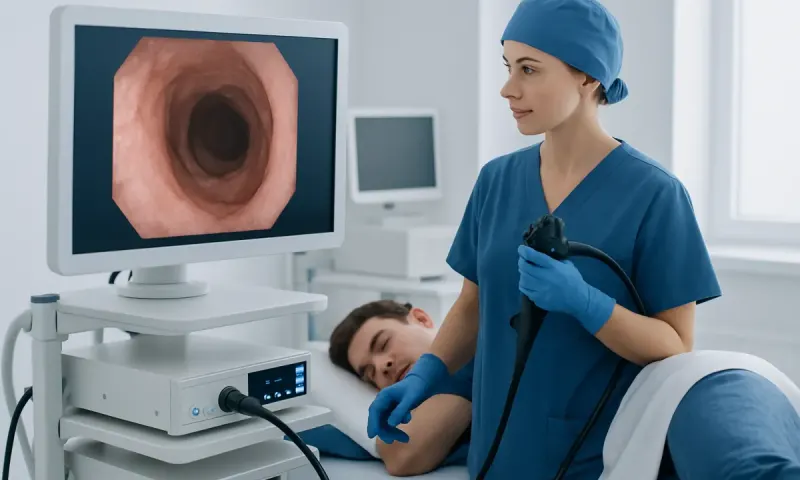
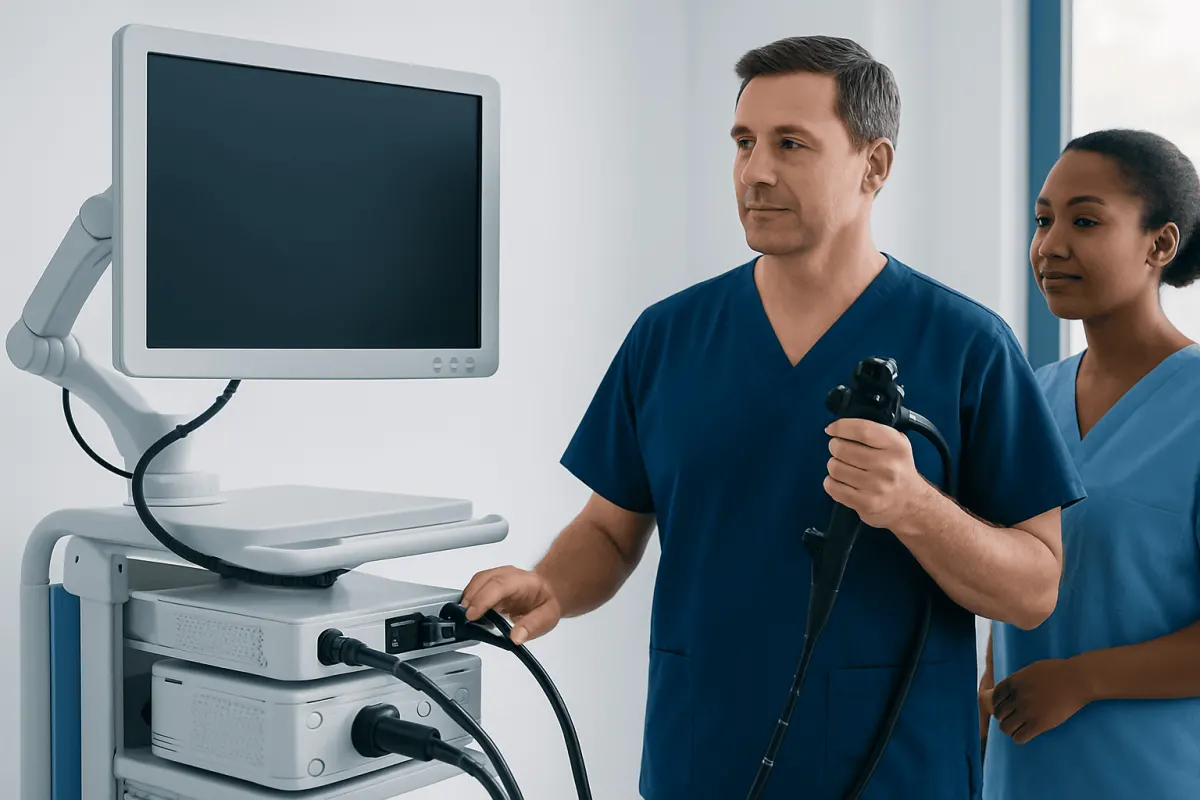
No. A colonoscopy does not detect prostate cancer and should not be considered a substitute for prostate cancer screening or assessment. During colonoscopy, a specialist passes a flexible camera through the rectum to examine the inner lining of the rectum and large bowel. The purpose is to identify conditions such as bowel polyps, inflammation, bleeding sources and colorectal cancer.
The prostate is located below the bladder and directly in front of the rectum, rather than inside the bowel. Although a colonoscopy doctor may occasionally notice pressure on the rectum from outside or an unusual finding near the rectal wall, the procedure cannot reliably assess the prostate or diagnose cancer within it. If someone asks whether a colonoscopy checks for prostate cancer too, the answer is no.
A person who has had a normal colonoscopy may still need prostate evaluation based on age, family history, ancestry, symptoms and shared decision-making with a clinician. Bowel screening and prostate assessment are separate forms of preventive care, each with an important but different role.
Why colonoscopy and prostate assessment are different
Colonoscopy looks at the mucosal surface, meaning the inside lining of the colon and rectum. It is highly useful for colorectal cancer prevention because doctors can remove many precancerous polyps during the same procedure. It does not provide a detailed view of tissues outside the bowel wall, including the prostate gland.
The prostate produces part of the fluid in semen and surrounds the upper part of the urethra, the tube that carries urine from the bladder. Prostate conditions may affect urinary flow or cause other changes, but they cannot usually be seen through a colonoscope. Therefore, whether a colonoscopy would show prostate cancer depends only on an unusual indirect finding; it is not a dependable way to find or exclude the disease.
Likewise, a digital rectal examination is different from colonoscopy. In a digital rectal examination, a clinician gently feels the back surface of the prostate through the rectal wall. This can identify some abnormalities in size, firmness or shape, but it cannot diagnose cancer alone.
What is the best test for prostate cancer?

There is no single best test that can diagnose every prostate cancer by itself. The most appropriate approach is usually a stepwise assessment that combines an individual’s risk factors, a prostate-specific antigen (PSA) blood test, and sometimes a digital rectal examination. Results are interpreted together rather than in isolation.
PSA is a protein made by prostate cells. A raised or changing PSA level can be associated with prostate cancer, but it can also occur with benign prostate enlargement, inflammation, infection, recent ejaculation, cycling or certain medical procedures. For this reason, an abnormal PSA result does not automatically mean cancer, and a normal result cannot exclude every cancer.
When PSA findings, examination results or risk factors suggest further investigation, multiparametric MRI is often used to obtain detailed images of the prostate. MRI can help clinicians decide whether a biopsy is appropriate and can guide sampling if one is needed. A biopsy, in which small tissue samples are examined by a pathologist, is the test that confirms a prostate cancer diagnosis.
Screening decisions should be individualized. A clinician can discuss the possible benefits, limitations and follow-up implications of PSA testing, particularly for people with a close relative who had prostate cancer or those with other factors associated with higher risk.
What is the first hint of prostate cancer?
Early prostate cancer often causes no symptoms at all. It may first be suspected after a PSA result is higher than expected for the individual, has risen over time, or after an abnormality is felt during a digital rectal examination. This is why risk-based discussions about PSA testing can be useful even when a person feels well.
When symptoms occur, they may include a weaker urine stream, trouble starting urination, needing to urinate more often, waking at night to urinate, urgency, or a feeling that the bladder has not emptied completely. Blood in urine or semen, erectile changes, unexplained weight loss, persistent back, hip or bone pain also deserve medical attention, particularly if they are new or progressive.
Importantly, these symptoms are not specific to cancer. Benign prostatic hyperplasia, a common non-cancerous enlargement of the prostate, and urinary infections can cause similar symptoms. Prostate cancer is only one possible explanation, so prompt, balanced medical assessment is more helpful than trying to interpret symptoms alone.
Do I need a prostate exam if I just had a colonoscopy?
Possibly. Having a colonoscopy does not determine whether a person needs prostate screening or a prostate examination. The decision should be based on the person’s age, general health, family history, ancestry, prior PSA results, urinary symptoms and preferences after discussing the topic with a qualified clinician.
For example, someone with a close family history of prostate cancer, a known inherited cancer-related gene change, or a previously elevated PSA may need follow-up even if their colonoscopy was completely normal. Conversely, not every person needs an immediate digital rectal examination; clinicians may use PSA results and individual risk to decide whether it adds useful information.
It can help to view colonoscopy as bowel health screening and PSA-based assessment as prostate health screening. One does not replace the other. A doctor can coordinate routine preventive care so that testing is appropriate and avoids unnecessary procedures.
How do you check for prostate cancer?
Checking for prostate cancer typically begins with a medical consultation. The clinician reviews urinary symptoms, medications, medical history, family history and previous test results. They may discuss whether PSA testing is suitable and explain that PSA can be influenced by several non-cancerous factors.
If indicated, the next steps may include repeating the PSA test, performing a digital rectal examination, checking urine for infection, or arranging prostate MRI. MRI may identify areas that need closer evaluation and is increasingly used to improve decision-making before biopsy.
If biopsy is recommended, it may be performed through the rectum or through the skin between the scrotum and anus, usually with imaging guidance. The samples are examined in a laboratory to determine whether cancer cells are present and, if so, their characteristics. Biopsy decisions should be made with a urology team after discussing potential benefits and risks.
People diagnosed with prostate cancer may have options such as active surveillance, surgery, radiation therapy, hormone therapy or other systemic treatments, depending on the cancer’s features and the individual’s health. Prostate cancer treatment should be tailored through shared decision-making rather than assumed from a PSA level alone.
When to seek medical care
A person should arrange a medical appointment for persistent or worsening urinary changes, blood in urine or semen, unexplained pelvic discomfort, or concerns about prostate cancer risk. It is also sensible to speak with a clinician about PSA testing when there is a close family history of prostate or related cancers, especially if relatives were diagnosed at a younger age.
Urgent medical care is appropriate for an inability to pass urine, fever with urinary symptoms, severe pain, or visible blood in the urine that is heavy or accompanied by clots. These symptoms can have several causes and should be assessed promptly.
A colonoscopy may still be recommended for bowel symptoms or colorectal cancer screening, but it should not delay evaluation of prostate-related concerns. Acıbadem Health Point’s multidisciplinary specialists and JCI-accredited hospitals support international patients with prostate assessment and treatment planning when needed.
Practical steps after a colonoscopy
After a colonoscopy, it is useful to ask the clinician when the next bowel screening test is due and whether any polyps or bowel findings require follow-up. Separately, a person can ask their primary care doctor or urologist whether prostate risk assessment is appropriate for them.
Before a PSA blood test, patients should tell the clinician about recent urinary infection, prostate procedures, catheter use, cycling, ejaculation and medicines, as these may affect interpretation or test timing. The clinician may advise when to test or whether to repeat an unexpected result.
Maintaining a healthy weight, staying physically active, avoiding tobacco and attending recommended health checks support overall health. These habits cannot guarantee prevention of prostate cancer, but they can contribute to well-being and may help reduce the impact of several chronic diseases.
Frequently asked questions
01Can a colonoscopy detect prostate cancer?
A colonoscopy is not designed to detect prostate cancer. It examines the inside of the rectum and colon, while the prostate lies outside the bowel. Rarely, an indirect abnormality may be noticed, but a normal colonoscopy cannot rule out prostate cancer.
02Does a colonoscopy help detect prostate cancer?
Not reliably. Colonoscopy may be important for colorectal cancer screening, but it does not assess prostate tissue in the way PSA testing, examination, MRI and biopsy can. Prostate concerns should be evaluated separately with a clinician.
03Would a colonoscopy identify prostate cancer if it is advanced?
Even advanced prostate cancer may not be identified by colonoscopy unless it causes an uncommon effect on the rectum or nearby tissues. Colonoscopy cannot confirm or exclude prostate cancer. Appropriate prostate-specific tests are needed when there is clinical concern.
04Is PSA testing enough to diagnose prostate cancer?
No. PSA testing can help identify people who may need further assessment, but PSA can rise for reasons other than cancer. If results are concerning, a clinician may recommend repeat testing, MRI, examination or biopsy.
05Should urinary symptoms mean I have prostate cancer?
No. Urinary symptoms are often caused by benign prostate enlargement, infection or other non-cancerous conditions. However, new, persistent or worsening symptoms should be discussed with a healthcare professional so the cause can be assessed.
06What happens if a prostate MRI is abnormal?
An abnormal MRI does not by itself prove cancer. It helps clinicians identify whether a biopsy is appropriate and may guide the areas to sample. The biopsy result is used to confirm a diagnosis and help plan next steps.
This article is for general information only and is not a substitute for professional medical advice. Please consult a qualified doctor about your individual situation.
Persistent digestive symptoms? Get evaluated in Turkey
JCI-accredited · board-certified surgeons · reply within 24h
Add us as a Preferred Source to see more of our trusted health content across Google Search, AI Overviews and Discover.