Burst of Blood Vessel: What You Need to Know

Key Takeaways
- A burst of blood vessel can look dramatic, but many small vessel breaks are minor and self-limiting.
- The location matters: a red eye, bruised skin, or bleeding inside the body are not the same problem.
- Common triggers include strain, trauma, high blood pressure, medications that affect clotting, and fragile blood vessels.
- Most cases are diagnosed with a history and physical exam; tests are used when the cause is unclear or symptoms are concerning.
- Seek prompt medical care for pain, vision changes, severe headache, shortness of breath, chest pain, heavy bleeding, or repeated unexplained episodes.
A burst of blood vessel usually means a small vessel has broken and leaked blood into nearby tissue. In many cases it is harmless and clears on its own, but the meaning depends on where it happens and whether it is linked to injury or other symptoms.
Overview
When someone says a burst of blood vessel, they are usually describing a small blood vessel that has broken and allowed blood to escape into surrounding tissue. The result may be a red patch in the eye, a bruise on the skin, or, less commonly, bleeding inside the body where it is not visible from the outside.
The phrase sounds alarming, but the health meaning depends on where the vessel burst and why it happened. A tiny vessel in the white of the eye often heals without treatment, while bleeding in the chest, brain, abdomen, or digestive tract needs urgent medical attention. A careful evaluation helps separate a minor event from a more serious one.
For international patients arranging care away from home, it is useful to think of this symptom as a starting point rather than a diagnosis. Doctors usually begin by identifying the location of the bleed, asking about recent strain or injury, and checking for conditions that make vessels more fragile or blood slower to clot.
Symptoms
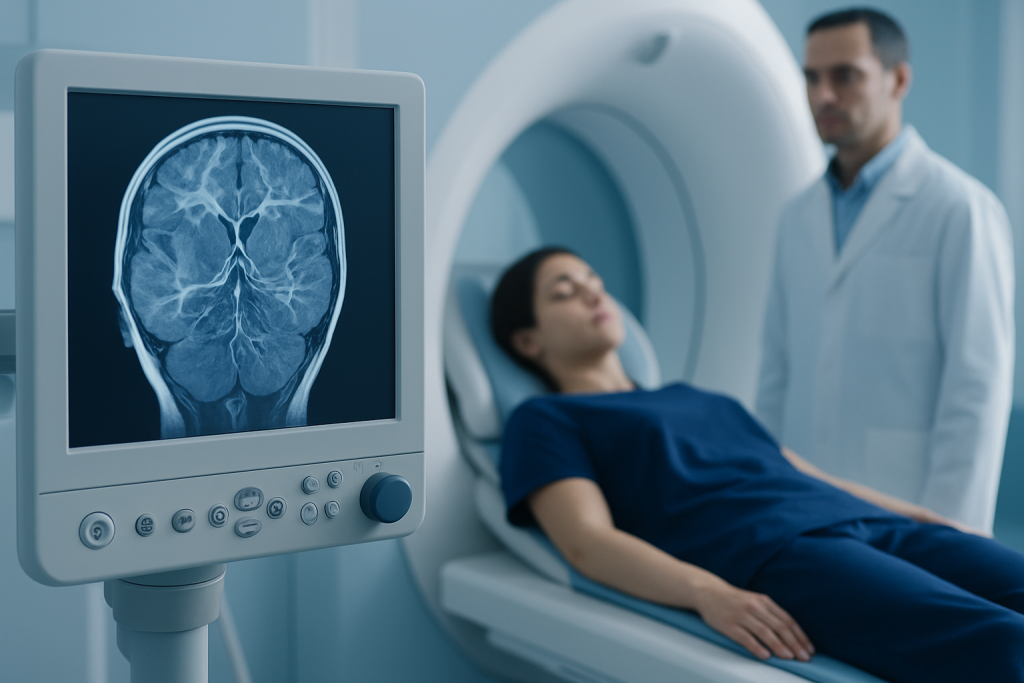
The symptoms of a burst blood vessel vary by location. On the skin, the most familiar sign is a bruise, which may start red or purple and change color as it heals. In the eye, a broken surface vessel can create a bright red patch on the white part of the eye without changing vision. If a vessel inside the body is involved, symptoms may reflect the organ affected rather than the bleed itself.
Common signs may include:
- A red patch in the white of the eye
- Bruising, swelling, or tenderness under the skin
- Bleeding from the nose or gums
- Blood in urine or stool
- Sudden pain, headache, weakness, or shortness of breath when deeper bleeding is involved
Some people feel no discomfort at all, especially with a superficial eye bleed. Others notice pressure, irritation, or pain if the vessel broke after trauma or if the surrounding tissue is inflamed. Any new symptom that is severe, recurring, or paired with vision loss, chest pain, or neurologic changes deserves prompt assessment.
Causes & Risk Factors

There are many reasons a blood vessel may burst. Minor strain, coughing, vomiting, heavy lifting, or sneezing can raise pressure briefly and cause a small vessel to break, especially in the eye or face. Direct trauma is another common cause, ranging from a simple bump to a more significant injury.
Certain health conditions and medications can increase the chance of bleeding or make vessels more delicate. These include uncontrolled high blood pressure, diabetes, blood-clotting disorders, liver disease, vitamin deficiencies, and the use of blood thinners or antiplatelet medicines. Aging can also make blood vessels and surrounding tissue more fragile, so bruising may become easier over time.
Risk may rise when several factors overlap. For example, a person taking a clot-affecting medication who also has frequent falls, persistent coughing, or very high blood pressure may bleed more easily. Repeated unexplained episodes should not be dismissed as simple bruising, because they can signal an underlying condition that deserves testing.
Diagnosis
Diagnosis begins with a detailed history and physical examination. The clinician will usually ask where the bleeding appeared, whether there was an injury or strain, what symptoms came with it, and whether similar episodes have happened before. A review of medications and supplements is especially important because some can increase bleeding risk.
In many straightforward cases, no advanced testing is needed. A visible subconjunctival hemorrhage, for example, may be diagnosed by eye inspection alone if vision and eye movement are normal. When the cause is unclear, when bleeding is recurrent, or when symptoms suggest deeper involvement, tests may be added to look for anemia, clotting problems, infection, inflammation, or organ injury.
Depending on the situation, evaluation may include blood tests, blood pressure measurement, urine or stool testing, eye examination, or imaging studies. The goal is not only to confirm that a vessel has burst, but also to determine whether it happened in isolation or as part of a broader medical issue.
Treatment Options
Treatment depends on the location and cause of the bleed. Many small surface vessel breaks, especially in the eye or skin, do not require special treatment and improve with time. Comfort measures such as rest, cold compresses for a fresh bruise, or lubricating eye drops for mild irritation may be suggested if appropriate.
When a blood vessel rupture is linked to an underlying problem, treatment focuses on that condition. This may involve controlling blood pressure, reviewing blood-thinning medicines, treating a cough or vomiting episode that triggered strain, or addressing a clotting disorder. If there is deeper bleeding, significant trauma, or organ involvement, more urgent treatment may be necessary in a hospital setting.
Because the right approach depends on the exact site of bleeding, self-diagnosis is not enough when symptoms are unusual. A doctor can decide whether reassurance alone is appropriate or whether further treatment, monitoring, or specialist referral is needed. This is particularly helpful for patients traveling for care, since follow-up planning can be coordinated before they return home.
Prevention & Self-care
Not every burst of blood vessel can be prevented, but some risks can be lowered. Managing blood pressure, taking prescribed medicines as directed, and treating persistent coughing, constipation, or vomiting can reduce sudden pressure spikes. Protective eyewear and injury prevention are also sensible when activities carry a risk of trauma.
Self-care is usually simple for minor surface bleeds. Resting the affected area, avoiding rubbing the eye, and monitoring for change are often enough. If bruising or a red eye appears after a clear trigger and symptoms are mild, many people can observe it while it heals naturally.
It is also wise to notice patterns. Frequent bruises, repeated nosebleeds, or vessel breaks without a clear reason may point to an issue worth discussing with a clinician. Keeping a note of when symptoms occur, what medicines are being used, and whether there was recent strain can help the doctor identify the cause more efficiently.
When to See a Doctor
Medical attention is advisable when a burst of blood vessel is accompanied by pain, vision changes, severe headache, fainting, shortness of breath, chest pain, weakness, numbness, or confusion. These symptoms suggest that the bleed may not be superficial, or that something more urgent is happening alongside it.
It is also important to seek evaluation if bleeding is frequent, appears without injury, or is happening in more than one place. People who take anticoagulants, have a bleeding disorder, or have recently had surgery should be especially cautious and contact a clinician promptly if they notice unexpected bleeding.
For patients considering care abroad, a targeted evaluation can clarify whether the vessel break is benign or part of a larger condition that needs treatment and follow-up. Acibadem Health Point’s multidisciplinary specialists and JCI-accredited hospitals can diagnose and treat this condition for international patients, with care plans designed around safe recovery and continuity after travel.
Living With the Symptoms and Recovery
Recovery is often straightforward when the vessel break is minor. Skin bruises gradually fade, and a superficial red eye typically clears on its own over days to a few weeks. During this time, it helps to avoid unnecessary rubbing, heavy strain, or anything that aggravates the area.
When the symptom is linked to a chronic condition, long-term care matters more than the single episode. People with high blood pressure, diabetes, clotting concerns, or medication-related bleeding risk may benefit from regular follow-up and a clear plan for what to do if bleeding recurs while they are at home or traveling.
A practical recovery plan usually includes clear warning signs, medication review, and a follow-up appointment if the cause is not fully understood. That approach can be especially reassuring for international patients, because it turns a sudden symptom into an organized sequence of care rather than a confusing one-off event.
FAQ
Is a burst of blood vessel the same as a bruise?
A bruise is one common result of a small blood vessel breaking under the skin. The blood leaks into nearby tissue and creates the color change that people see.
Can a burst blood vessel in the eye be dangerous?
Often it is not dangerous and clears on its own. It becomes more concerning if there is pain, blurred vision, eye injury, or repeated episodes.
Why did my blood vessel burst after coughing or lifting?
A sudden increase in pressure can sometimes break a tiny vessel, especially in the face or eye. If it happens often, a clinician should look for an underlying cause.
Do I need medicine for a burst blood vessel?
Not always. Many minor cases heal without specific treatment, but the underlying cause may need attention if bleeding is recurrent or linked to another condition.
Should I stop blood thinners if I notice bruising or bleeding?
No one should stop a prescribed medicine on their own. A doctor should review the situation and advise whether any change is needed.
When is a burst blood vessel an emergency?
It is urgent if there is chest pain, severe headache, weakness, trouble breathing, major injury, heavy bleeding, or any change in vision or consciousness. These signs need prompt medical evaluation.
This article is for general information only and is not a substitute for professional medical advice. Please consult a qualified doctor about your individual situation.
Explore treatments in Turkey — costs, top hospitals & a free quote
JCI-accredited · board-certified surgeons · reply within 24h
Add us as a Preferred Source to see more of our trusted health content across Google Search, AI Overviews and Discover.