

What Is Bleeding Piles? A Complete Medical Guide

Key Takeaways
- Bleeding piles often cause bright red blood during or after passing stool.
- Constipation, straining, and sitting on the toilet for long periods can worsen hemorrhoids.
- A doctor may recommend an exam and sometimes further tests to confirm the cause of bleeding.
- Treatment ranges from fiber and fluids to office procedures and, in some cases, surgery.
- Any new, persistent, heavy, or unexplained rectal bleeding should be medically assessed.
Bleeding piles usually refers to hemorrhoids that bleed during bowel movements, often causing bright red blood on the tissue or in the toilet. While this is commonly linked to a benign cause, rectal bleeding should still be checked to rule out other digestive conditions.
Overview
Bleeding piles is a common way of describing hemorrhoids that bleed, usually when a swollen vein in the anal canal is irritated by a hard stool or straining. The blood is often bright red and may appear on toilet paper, streaked on the stool, or in a small amount in the toilet bowl.
In many people, bleeding piles are uncomfortable but not dangerous. Still, rectal bleeding should never be assumed to be “just piles” without proper assessment, because fissures, inflammation, polyps, and other bowel conditions can sometimes look similar.
For international patients, the practical question is often not only “what is it?” but “how quickly can it be confirmed and treated?” A clear diagnosis matters, especially if travel is planned or symptoms have been recurring for weeks. The good news is that most cases can be evaluated with a focused history, examination, and targeted tests when needed.
Symptoms
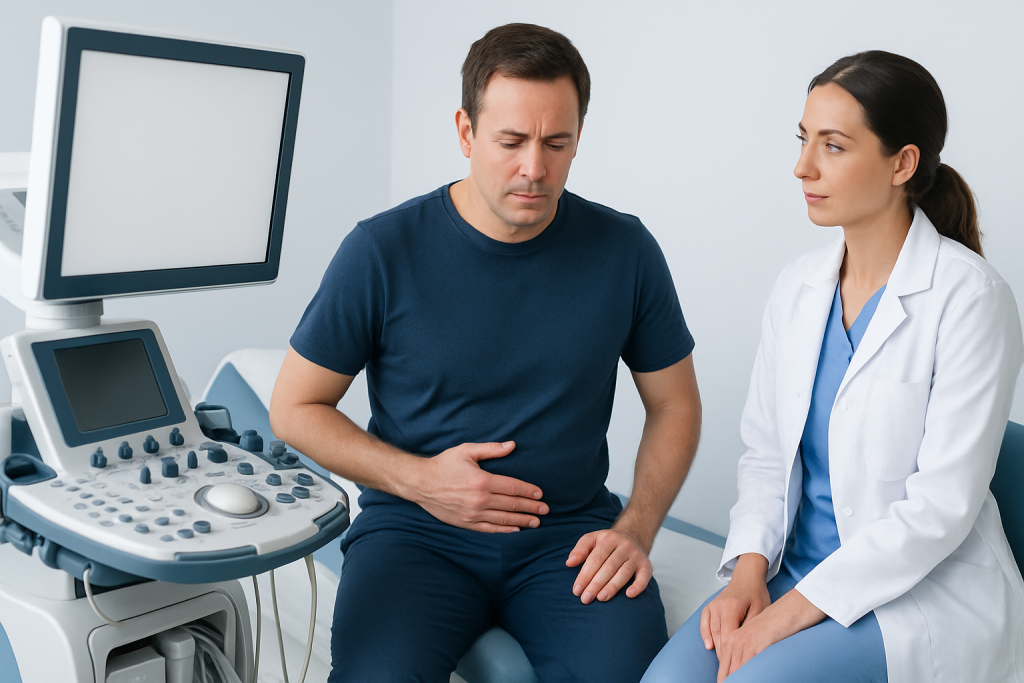
Bleeding piles can cause more than visible blood. Some people notice itching, a feeling of fullness, mild pain, or a small lump around the anus, especially after a bowel movement. Others have bleeding without much pain, which is more typical of internal hemorrhoids.
The bleeding is often light, but the pattern can vary. It may happen only occasionally after constipation, or it may recur whenever stools are hard or bowel habits are irregular. A sense of incomplete emptying, mucus soiling, or irritation from wiping can also be present.
Symptoms that should prompt a more careful review include blood mixed into the stool, dark or maroon-colored blood, black stools, dizziness, weakness, weight loss, change in bowel habits, or bleeding that continues despite self-care. These features suggest that the cause may be something other than simple hemorrhoids.
Causes & Risk Factors

Hemorrhoids form when veins in the lower rectum or around the anus become enlarged and under pressure. Bleeding often starts when those veins are exposed to repeated strain, friction, or local inflammation during bowel movements.
Common contributors include chronic constipation, hard stools, low-fiber eating patterns, dehydration, prolonged sitting on the toilet, frequent straining, and pregnancy. Heavy lifting and obesity can also increase pressure in the pelvic and abdominal area, which may worsen symptoms in some people.
Age can play a role as the supporting tissue around the anal cushions becomes less firm over time. People with jobs that involve long periods of sitting, or those who travel frequently and miss regular bowel routines, may also be more prone to flare-ups.
- Constipation or repeated straining
- Low dietary fiber and inadequate fluid intake
- Pregnancy and postpartum changes
- Prolonged toilet sitting or frequent phone use on the toilet
- Family tendency toward hemorrhoids
Diagnosis
Diagnosis begins with a conversation about the bleeding pattern, bowel habits, pain, and any associated symptoms. A clinician may ask whether the blood is bright red, whether it appears on paper or in the stool, and whether there has been constipation, diarrhea, or recent travel-related dietary change.
A physical examination may include inspection of the anal area and a digital rectal exam. In some situations, a scope examination such as anoscopy, sigmoidoscopy, or colonoscopy may be recommended to look more closely inside the rectum or colon, especially if the bleeding pattern is unusual or the patient is older, has anemia, or has risk factors for other bowel disease.
Testing is not meant to alarm; it is meant to avoid assumptions. Rectal bleeding deserves a reasoned evaluation so that treatment is matched to the real cause rather than to a guess.
Treatment Options
Treatment depends on the severity of the hemorrhoids, the amount of bleeding, and whether symptoms keep returning. For many people, the first step is improving stool consistency and reducing irritation so the swollen veins are less likely to bleed.
Conservative care may include increasing fiber intake, drinking enough fluids, avoiding straining, responding promptly to the urge to pass stool, and using warm sitz baths for comfort. A clinician may also suggest topical treatments for short-term symptom relief, although these do not fix the underlying pressure on the veins.
If bleeding continues or hemorrhoids are more advanced, office-based procedures may be considered. These can include rubber band ligation or other methods that reduce blood flow to the hemorrhoid tissue. Surgery is usually reserved for larger, persistent, or recurrent cases, or when other treatments have not provided lasting relief.
When patients are arranging care from another country, it is helpful to ask in advance whether the clinic can provide diagnosis, treatment, and follow-up before and after travel. Coordinated care makes recovery easier and reduces uncertainty once the patient returns home.
Prevention & Self-care
Daily habits often make the biggest difference. Soft, regular stools place less pressure on hemorrhoids, so a fiber-rich diet, adequate hydration, and regular physical activity are important parts of prevention.
It also helps to avoid sitting on the toilet for long periods, delaying bowel movements, or straining to “finish.” Gentle cleaning with water or soft toilet tissue can reduce irritation, and some people find warm baths soothing during a flare.
Self-care is especially useful after travel, when routines may be disrupted. Long flights, irregular meals, and reduced fluid intake can lead to constipation, so planning ahead with simple bowel-friendly habits may reduce the chance of bleeding episodes.
- Eat more fruits, vegetables, legumes, and whole grains
- Drink fluids regularly unless a doctor has advised otherwise
- Move daily, even with light walking
- Avoid heavy straining during bowel movements
- Use toilet time efficiently and avoid prolonged sitting
When to See a Doctor
Medical review is important if rectal bleeding is new, persistent, heavier than usual, or happening with pain, fever, swelling, or a change in bowel habits. Blood should not be repeatedly attributed to piles without an evaluation, particularly if the person has never been diagnosed before.
Prompt assessment is also wise if there are signs of anemia such as fatigue, shortness of breath, or paleness; if stools look black or tarry; or if there is abdominal pain, unexplained weight loss, or a family history of bowel cancer or inflammatory bowel disease. These symptoms do not mean something serious is certain, but they do justify timely medical attention.
For travelers and international patients, a planned consultation before flying back home can be practical if bleeding is ongoing. Acibadem Health Point’s multidisciplinary specialists and JCI-accredited hospitals can help diagnose and treat bleeding piles for international patients in a coordinated setting.
Living With Hemorrhoids: What Patients Often Ask Next
Many people want to know whether bleeding piles will go away on their own. Mild hemorrhoids can improve when constipation is addressed and irritation is reduced, but recurring bleeding suggests that the underlying triggers are still active and should be managed more deliberately.
Another common question is whether all rectal bleeding is hemorrhoids. The answer is no. Although hemorrhoids are a frequent cause, only an examination can distinguish them from fissures, inflammation, or other gastrointestinal conditions.
Recovery is usually smoother when people treat bowel habits as part of the plan rather than an afterthought. That means paying attention to diet, hydration, toilet routines, and follow-up if symptoms do not settle as expected.
Complications and Outlook
Most hemorrhoids are manageable, and the outlook is generally good when the cause is identified early. The main complication of bleeding piles is ongoing irritation, repeated bleeding, or a reduction in iron stores if bleeding is frequent enough over time.
Occasionally, hemorrhoids can become thrombosed, prolapse, or cause more discomfort than bleeding alone. Even then, many cases respond well to treatment choices that are matched to the severity of symptoms and the person’s bowel pattern.
The key is not to wait until symptoms become disruptive. A timely review can prevent prolonged discomfort, clarify the diagnosis, and help the patient return to normal routines with more confidence.
Frequently asked questions
01What does bleeding piles usually look like?
It often appears as bright red blood on toilet paper, on the stool surface, or in the toilet after a bowel movement. The bleeding is usually small in amount, but any repeated rectal bleeding should still be checked.
02Are bleeding piles the same as hemorrhoids?
Yes, the term bleeding piles usually refers to hemorrhoids that are bleeding. The bleeding often happens when swollen veins in the rectal or anal area are irritated during passing stool.
03Can bleeding piles heal without treatment?
Mild cases may improve when constipation and straining are corrected. However, if bleeding keeps coming back, medical assessment is important to confirm the cause and avoid missing another condition.
04What foods help with bleeding piles?
Foods high in fiber, such as fruits, vegetables, beans, and whole grains, can help soften stools and reduce straining. Drinking enough fluids is also important unless a doctor has advised fluid restriction.
05When is rectal bleeding an emergency?
Immediate care is advised if bleeding is heavy, if there is dizziness or fainting, or if stools are black or tarry. Severe pain, fever, or sudden swelling also needs prompt evaluation.
06Do bleeding piles always need surgery?
No. Many cases improve with lifestyle changes, stool-softening strategies, or office procedures. Surgery is generally reserved for more advanced or persistent hemorrhoids.
This article is for general information only and is not a substitute for professional medical advice. Please consult a qualified doctor about your individual situation.
Medical weight-loss options in Turkey — costs & eligibility
JCI-accredited · board-certified surgeons · reply within 24h
Add us as a Preferred Source to see more of our trusted health content across Google Search, AI Overviews and Discover.


