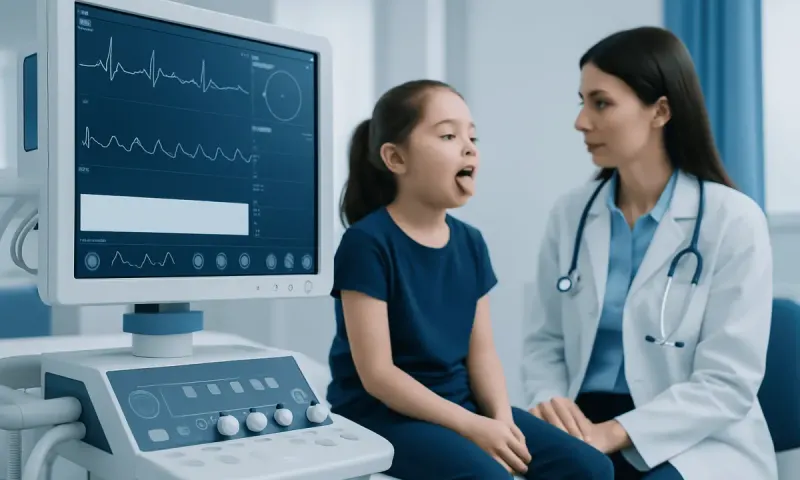
Cramping of the Tongue: Causes and When to Seek Care

Cramping of tongue describes a sudden tightening, pulling, twitching or painful spasm in the tongue muscles. It is often short-lived and related to local irritation, jaw clenching, dehydration or muscle overuse, but recurrent, severe or neurologically associated symptoms should be assessed by a clinician.
What does cramping of tongue mean?
Cramping of tongue is a sensation of involuntary tightening, pulling, stiffness, twitching or pain in the tongue. It can involve one small area or much of the tongue, and an episode may last seconds to minutes. Some people notice it while speaking, chewing, yawning or swallowing; others feel it at rest.
In many cases, a brief tongue cramp is not a sign of a serious illness. The tongue is a highly active muscle, and its movement can be affected by strain, dry mouth, local irritation, jaw tension and changes in hydration. However, repeated episodes, persistent pain, weakness or changes in speech or swallowing deserve medical attention because several dental, muscular, medication-related and neurological conditions can produce similar symptoms.
It is helpful to distinguish a cramp from other tongue symptoms. Tingling or burning may suggest nerve irritation or oral conditions; a visible sore may point to trauma or infection; and swelling is different from muscle spasm. A clear description of the feeling, timing and triggers helps a healthcare professional identify the most likely cause.
How tongue cramps may feel and what to notice
The experience varies. A person may feel that the tongue is briefly “stuck,” drawn to one side, curled, tight under the jaw, or difficult to move normally. Speech may sound temporarily unclear, and chewing or swallowing may be uncomfortable during the episode. A small visible twitch can occur, although twitching alone is not always a true muscle cramp.
Recording the pattern can be useful before an appointment. Consider whether symptoms occur after prolonged talking, singing, chewing gum, dental work, alcohol use, poor sleep, exercise, stress, or a new medicine. Also note whether the tongue looks normal between episodes and whether there is pain, numbness, weakness, swelling, sores, jaw clicking or neck discomfort.
- Short-lived, isolated cramping: often relates to a temporary trigger or muscle tension.
- Recurring cramping: may warrant assessment for dental, jaw, nutritional, medication or nerve-related contributors.
- Persistent change: ongoing tongue pain, weakness, ulcers, a lump or altered movement should be examined.
Symptoms that start suddenly with a drooping face, one-sided weakness, confusion or new difficulty speaking should not be assumed to be a simple cramp. These may be signs of a neurological emergency and need immediate evaluation.
Possible causes and contributing factors

Local muscle strain is a common explanation. The tongue works continuously during speaking, eating and swallowing, and it may become fatigued after unusual exertion, prolonged speaking, excessive chewing, frequent throat clearing or forceful tongue movements. Jaw clenching and teeth grinding can also place tension on the mouth, jaw and tongue muscles, especially overnight.
Dental and oral factors can contribute. A sharp tooth edge, poorly fitting dental appliance, recent dental treatment, mouth ulcers, inflammation or oral infections may make a person hold the tongue in an unusual position or tense it protectively. Dry mouth, which may occur with dehydration, mouth breathing or certain medicines, can increase oral discomfort and make normal tongue movement feel more difficult.
Less commonly, cramping or abnormal tongue movements may be related to medication effects, electrolyte disturbances, vitamin deficiencies, nerve irritation or movement disorders. Some medicines can cause involuntary muscle contractions called dystonia, particularly after starting or changing treatment. Neurological causes are uncommon but important to consider when there are additional symptoms such as weakness, tremor, difficulty swallowing, altered speech, facial symptoms or other involuntary movements.
Stress and anxiety do not mean the symptom is imaginary. They can increase muscle tension, teeth grinding, rapid breathing and attention to normal body sensations, which may worsen cramping or make episodes more noticeable. A clinician can help address both physical contributors and stress-related muscle tension without dismissing the symptom.
How clinicians assess tongue cramping
A doctor, dentist or ear, nose and throat specialist will usually begin with a detailed history. They may ask when symptoms began, how long episodes last, which activities trigger them, whether there is pain or visible change, and whether there have been recent illnesses, injuries, dental procedures, medication changes or dietary restrictions.
The examination may include the tongue, gums, teeth, throat, jaw and neck. The clinician may look for irritation, swelling, sores, signs of biting, dental problems, reduced saliva or difficulty moving the tongue. If symptoms suggest a jaw problem, assessment may include the chewing muscles and jaw joint. Neurological examination may be appropriate when there is weakness, altered sensation, tremor or impaired coordination.
Testing is not needed for every brief, isolated episode. Depending on the findings, a clinician may recommend blood tests to assess relevant metabolic or nutritional factors, review current medicines, arrange dental evaluation, or refer to a neurologist or other specialist. Imaging or additional swallowing assessment is considered when symptoms are persistent, progressive or accompanied by concerning signs.
Treatment options and symptom management
Treatment for cramping of tongue depends on the cause. When examination identifies local irritation, addressing the source may help, such as smoothing a sharp tooth edge, adjusting a dental appliance or treating an oral condition. For jaw clenching or grinding, a dental clinician may recommend measures to protect teeth and reduce muscle strain, sometimes including a custom-made night guard.
If a medication is suspected, it is important not to stop prescribed treatment suddenly without medical advice. The prescribing clinician can assess whether the medicine, dose or combination may be contributing and discuss safer alternatives or management. Disorders involving involuntary muscle contractions require individualized care, often with input from neurology or other relevant specialties.
For mild episodes without warning signs, simple measures may be reasonable: drink fluids regularly, rest the mouth after prolonged use, avoid chewing gum or repetitive tongue movements for a time, and choose soft foods if chewing is uncomfortable. Gentle jaw relaxation, adequate sleep and stress-management techniques may help people who notice clenching or tension. Avoid forcefully stretching the tongue or using unproven supplements, as these may cause injury or delay appropriate assessment.
For international patients, Acıbadem Health Point’s multidisciplinary specialists and JCI-accredited hospitals can assess oral, dental, neurological and swallowing-related concerns when tongue symptoms need further evaluation.
Prevention and everyday self-care
Not every episode can be prevented, but reducing known triggers can lower the chance of recurrent discomfort. Regular fluid intake and attention to dry mouth may be useful, particularly during hot weather, exercise or illness. Limiting alcohol and tobacco can also support oral health and reduce irritation.
People who clench their jaw may benefit from noticing when the teeth are touching during the day. At rest, the lips can be gently closed while the teeth remain slightly apart and the jaw relaxed. Taking short breaks during extended speaking, singing or computer work may reduce tension in the jaw, neck and tongue.
A balanced diet generally provides the nutrients needed for normal muscle and nerve function. Supplements should not be started solely for tongue cramping unless a clinician identifies a likely deficiency or recommends them. Good oral hygiene, regular dental visits and prompt review of broken teeth or uncomfortable appliances can help prevent local sources of irritation.
When to seek medical care
Arrange a non-urgent medical or dental appointment if tongue cramping recurs, lasts longer than a few minutes, becomes more frequent, interferes with eating or speaking, or occurs with mouth pain, a persistent sore, a lump, numbness, weakness or unexplained weight loss. Assessment is also important if symptoms began after a new medication or dose change.
Seek urgent emergency care immediately if tongue symptoms begin suddenly with trouble speaking or understanding speech, facial drooping, weakness or numbness on one side of the body, severe dizziness, loss of coordination or a sudden severe headache. These symptoms can occur with a stroke and require rapid evaluation. Learn more about possible stroke warning signs.
Emergency help is also needed for tongue, lip or throat swelling; hives; wheezing; breathing difficulty; or an inability to swallow saliva. These may indicate a severe allergic reaction or another airway emergency. It is safer to seek prompt care rather than wait to see whether breathing or swallowing improves.
Frequently asked questions
01Is cramping of tongue usually serious?
A brief, isolated tongue cramp is often related to temporary muscle strain, jaw tension, dry mouth or local irritation. It should be checked if it keeps returning, lasts, worsens, affects speech or swallowing, or occurs with weakness, numbness or visible tongue changes.
02Can dehydration cause tongue cramps?
Dehydration and dry mouth can contribute to oral discomfort and may make muscle tightening more likely in some people. Drinking fluids regularly may help, but recurrent symptoms should not automatically be attributed to dehydration without considering other causes.
03Can anxiety cause a tongue cramp?
Stress and anxiety can increase jaw clenching, teeth grinding, rapid breathing and muscle tension, which may trigger or worsen tongue discomfort. However, persistent or unusual symptoms still deserve a medical or dental assessment rather than being assumed to be caused by anxiety alone.
04Why does my tongue cramp when I speak or eat?
Speaking and eating require repeated, coordinated tongue movements. Symptoms during these activities may be related to muscle overuse, jaw tension, dental irritation, dry mouth or an issue affecting tongue movement. A clinician can assess the pattern if it is recurrent or interfering with daily life.
05Can medications cause tongue spasms?
Some medicines can rarely cause involuntary muscle contractions or abnormal movements, including in the mouth and tongue. Anyone who develops new tongue cramping after starting or changing a medication should contact the prescribing clinician promptly and should not stop medication without advice unless emergency symptoms occur.
06When is tongue cramping an emergency?
Emergency assessment is needed when cramping is accompanied by difficulty breathing, swelling of the tongue or throat, or inability to swallow. It is also urgent when symptoms start suddenly with facial drooping, one-sided weakness, confusion or new difficulty speaking, as these can be signs of stroke.
This article is for general information only and is not a substitute for professional medical advice. Please consult a qualified doctor about your individual situation.
Explore treatments in Turkey — costs, top hospitals & a free quote
JCI-accredited · board-certified surgeons · reply within 24h
Add us as a Preferred Source to see more of our trusted health content across Google Search, AI Overviews and Discover.