Buffalo Hump Lipo: When Upper-Back Fat Is Suitable
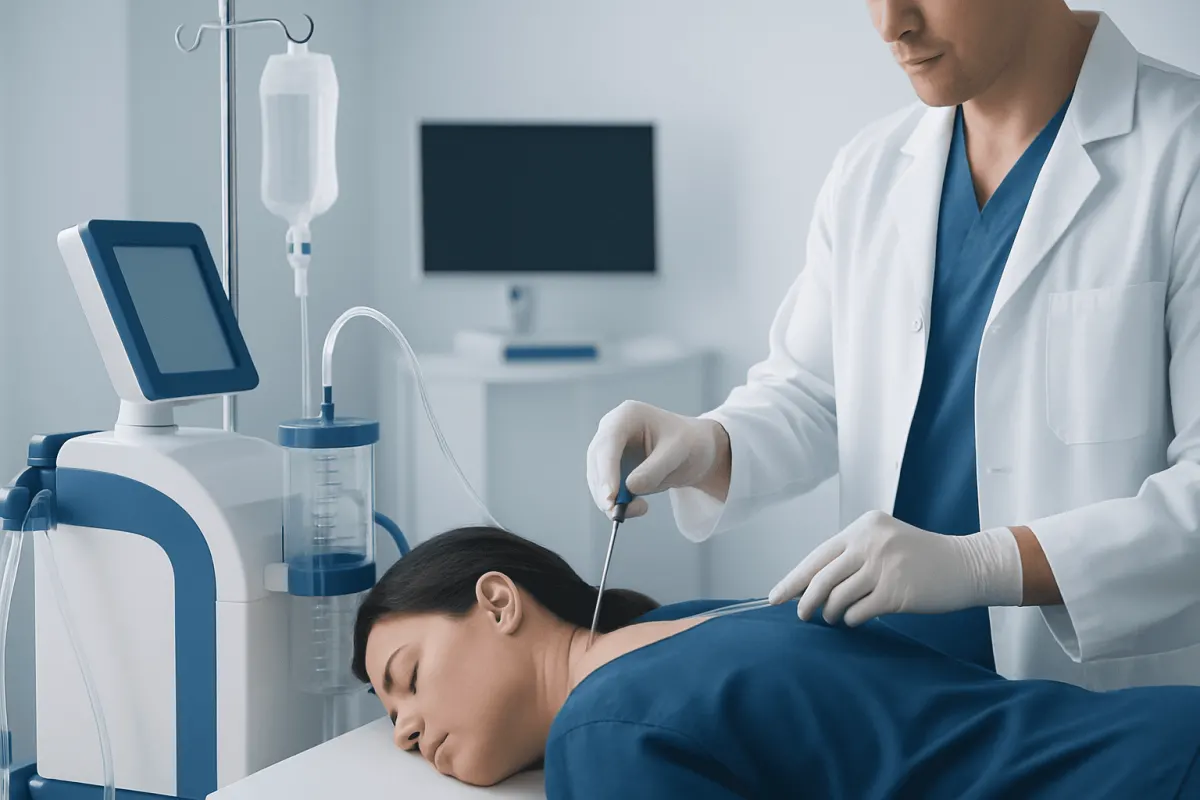
Buffalo hump lipo is a liposuction procedure that may reduce a localized fatty pad at the base of the neck when the fullness is caused by removable fat and the person is an appropriate candidate. A medical assessment is important first, because a neck or upper-back hump can also result from posture, spinal shape, medication effects, or hormonal conditions that liposuction cannot correct.
Overview: What Is Buffalo Hump Lipo?
Buffalo hump lipo is liposuction performed to reduce a concentrated pad of fat at the back of the neck and upper back, often called a dorsocervical fat pad. The surgeon removes fat through very small incisions using a thin suction tube called a cannula. For carefully selected people, this can improve the contour between the neck, shoulders, and upper back.
It is not a treatment for every visible hump in this area. Similar-looking fullness can be related to rounded posture, curvature of the spine, bone structure, skin laxity, steroid medication use, or hormone disorders such as Cushing syndrome. A qualified clinician should identify the cause before any procedure is planned, particularly when the change is new, rapidly developing, painful, or accompanied by other symptoms.
Liposuction is a body-contouring treatment rather than a weight-loss procedure. The goal is a smoother, more balanced profile, not a perfect or identical contour on both sides. A consultation should include a discussion of the individual’s goals, skin quality, health history, and whether liposuction is likely to provide a meaningful benefit.
How Does Buffalo Hump Liposuction Work?
After marking the treatment area, the surgeon makes one or more small, discreet incisions. A solution may be placed into the fatty tissue to reduce bleeding and help with comfort. A cannula is then passed through the fat layer to gently loosen and remove excess fat while preserving an even contour.
The procedure may be performed using local anesthesia with sedation or under general anesthesia, depending on the size of the area, the surgical plan, and the patient’s health needs. The exact approach varies. The upper back and lower neck are technically sensitive areas because the surgeon must contour conservatively and evenly while respecting nearby nerves, blood vessels, and the natural transition from neck to shoulders.
Removed fat cells do not usually grow back in the same location. However, remaining fat cells can enlarge with weight gain, and a hump caused by hormones, medicines, or posture may persist or reappear despite fat removal. This is why a diagnosis-focused assessment is an essential part of safe care.
Who May Be a Candidate for the Procedure?

Potential candidates usually have a stable, localized upper-back fat pad that remains despite general weight management and is confirmed on examination to be mainly fatty tissue. They should be in generally good health, have realistic expectations, and understand that skin retraction varies from person to person. Good skin elasticity may support a smoother result, although age and tissue quality also matter.
Before recommending surgery, the clinician may ask about long-term corticosteroid use, HIV-related treatments, recent weight changes, diabetes, bleeding concerns, smoking or nicotine use, and previous procedures in the neck or upper-back area. They may also assess posture and examine the spine. Further blood tests or imaging may be appropriate when an endocrine or structural explanation is suspected.
Liposuction is generally postponed or avoided when the fullness is mainly due to a spinal curve, an untreated hormonal disorder, active infection, unstable medical conditions, or unrealistic expectations. If symptoms suggest excess cortisol, such as easy bruising, muscle weakness, new high blood pressure, or changes in body fat distribution, medical evaluation takes priority over a cosmetic procedure.
- Best suited to localized, removable fat rather than a bony or postural prominence
- Requires an individualized assessment of medical history and medications
- Works best alongside stable weight and sustainable health habits
- May not address loose skin or an underlying condition causing the contour change
What Happens During Buffalo Hump Lipo?
At the preoperative visit, the surgical team reviews the plan, anesthesia options, medications, allergies, and aftercare arrangements. The patient may be asked to stop or adjust certain medicines only under guidance from the prescribing clinician. Smoking and nicotine products can impair healing and are typically discouraged before and after surgery.
On the day of surgery, the treatment area is marked while the patient is upright. After anesthesia is administered, the skin is cleaned and small incisions are made. The surgeon infiltrates fluid when appropriate, then uses controlled cannula movements to remove fat gradually. The incisions may be closed with small sutures or allowed to drain briefly, depending on the technique.
A compression garment or dressing is usually placed at the end of the procedure to support the tissue and limit swelling. Most patients go home the same day, but they need a responsible adult to assist after sedation or general anesthesia. The surgical team provides specific instructions for dressings, showering, activity, pain relief, and follow-up.
Buffalo Hump Lipo Recovery Time, Aftercare and Results
Buffalo hump lipo recovery varies, but soreness, tightness, bruising, swelling, and temporary numbness are common in the first days. Many people can manage light daily activities after several days, provided they avoid straining, heavy lifting, and vigorous exercise. The exact buffalo hump liposuction recovery plan should always follow the operating surgeon’s instructions.
Compression is commonly recommended for a defined period to support healing and help swelling settle. Buffalo hump lipo aftercare also usually includes keeping incision sites clean, attending review appointments, taking short walks to promote circulation, and avoiding smoking or nicotine. Patients should not massage the area, resume exercise, or use topical products unless their surgical team says it is appropriate.
Early contour changes may be visible once bruising begins to fade, but swelling can obscure the final shape. Buffalo hump lipo before and after comparisons are most meaningful after tissues have settled, often over several months. The pace of improvement depends on the amount of fat removed, skin elasticity, healing response, and whether there is any underlying cause of the fullness.
Maintaining a stable body weight can help preserve the result. If hormone changes, medication effects, or postural factors contributed to the hump, these should also be managed with the relevant medical specialist to support a lasting outcome.
Benefits, Limitations and Possible Risks
For an appropriate candidate, buffalo hump lipo may reduce upper-back fullness, improve clothing fit, and create a more gradual transition from the neck to the shoulders. The incisions are small, and treatment is usually less extensive than larger body-contouring operations. Still, results depend on anatomy and healing, and no procedure can promise a particular appearance.
Possible short-term effects include bruising, swelling, discomfort, firmness, and altered sensation. Less common complications can include bleeding, infection, delayed healing, fluid collection, uneven contour, skin irregularities, scarring, persistent numbness, anesthesia-related complications, or a need for revision treatment. A surgeon should explain the individual risk profile before consent.
It is also important to recognize the limitations. Liposuction cannot straighten a curved spine, correct poor posture by itself, remove a bony prominence, or treat an endocrine disorder. Where the hump is not primarily fat, care may involve physiotherapy, medication review, endocrinology assessment, or another treatment plan rather than surgery.
How Many Days Should I Rest After Liposuction?
After a small-area procedure such as buffalo hump lipo, many people take several days away from work or routine responsibilities, especially if their job involves lifting, prolonged bending, or physical activity. Light walking is usually encouraged soon after surgery, but the patient should rest when tired and avoid activities that increase pain, swelling, or strain on the treated area.
Return to desk-based work is often possible within about a week for some patients, while more demanding work may require longer. Exercise, gym training, swimming, and heavy lifting are generally reintroduced gradually after the surgeon confirms that healing is progressing well. Individual instructions may differ according to anesthesia, the extent of liposuction, and any other procedures performed.
Rest does not mean complete immobility. Short, frequent walks can support circulation and reduce stiffness. Patients should contact their surgical team promptly if pain suddenly worsens, one side becomes increasingly swollen, or they develop symptoms that do not match the expected recovery pattern.
When to Seek Medical Care
Medical care should be sought before considering lipo if an upper-back hump appears suddenly, grows quickly, is painful, or is associated with weakness, numbness, fever, unexplained weight changes, easy bruising, or other new health changes. A doctor can assess whether the contour is related to fat distribution, posture, medication effects, hormones, or another condition.
After surgery, patients should follow the clinic’s urgent-contact instructions. They should seek prompt medical advice for fever, spreading redness, pus-like drainage, increasing rather than improving pain, significant bleeding, shortness of breath, chest pain, or swelling in a leg. These symptoms are uncommon but require timely assessment.
For international patients, Acıbadem Health Point’s multidisciplinary specialists and JCI-accredited hospitals can assess the cause of upper-back fullness and provide individualized surgical or medical care when appropriate.
Frequently asked questions
01Can lipo get rid of buffalo hump?
Liposuction can reduce a buffalo hump when it is primarily a localized collection of removable fat and the person is a suitable surgical candidate. It will not correct a hump caused mainly by posture, spinal curvature, bone structure, loose skin, or an untreated hormonal condition. A medical examination is needed to establish the cause before surgery is considered.
02How long does it take to get rid of buffalo hump?
The timeline depends on the cause and treatment. After liposuction, early improvement may be seen as bruising and swelling settle, but the contour often continues to refine for several months. When the hump is related to medication, hormone imbalance, posture, or weight changes, improvement may require medical treatment, rehabilitation, or longer-term lifestyle measures.
03What is the hardest plastic surgery to recover from?
There is no single operation that is hardest for every person, because recovery is influenced by the extent of surgery, overall health, pain tolerance, support at home, and whether several procedures are combined. Larger operations involving the abdomen, body lift procedures, or major reconstructive surgery may involve longer recovery than small-area liposuction. A surgeon can explain the expected recovery demands of a proposed procedure in relation to the individual’s circumstances.
04How painful is buffalo hump liposuction recovery?
Most patients experience soreness, pressure, tightness, and tenderness rather than severe pain, particularly during the first several days. Bruising and swelling can make the area feel uncomfortable, and temporary numbness is possible. The surgical team can recommend a safe pain-management plan and explain what level of discomfort is expected.
05Will buffalo hump return after liposuction?
Fat cells removed through liposuction are permanently removed, but remaining fat cells can enlarge with weight gain. Fullness may also recur or remain if an underlying medical issue, medication effect, or postural factor is not addressed. Stable weight and appropriate management of contributing conditions help support the long-term result.
06What should patients avoid after buffalo hump lipo?
Patients are usually advised to avoid strenuous exercise, heavy lifting, smoking or nicotine use, and activities that rub or strain the treated area until cleared by their surgeon. They should also avoid changing compression or wound-care routines without advice. The exact restrictions and timing depend on the surgical technique and the person’s healing progress.
This article is for general information only and is not a substitute for professional medical advice. Please consult a qualified doctor about your individual situation.
Joint and spine care in Turkey — expert assessment & treatment
JCI-accredited · board-certified surgeons · reply within 24h
Add us as a Preferred Source to see more of our trusted health content across Google Search, AI Overviews and Discover.