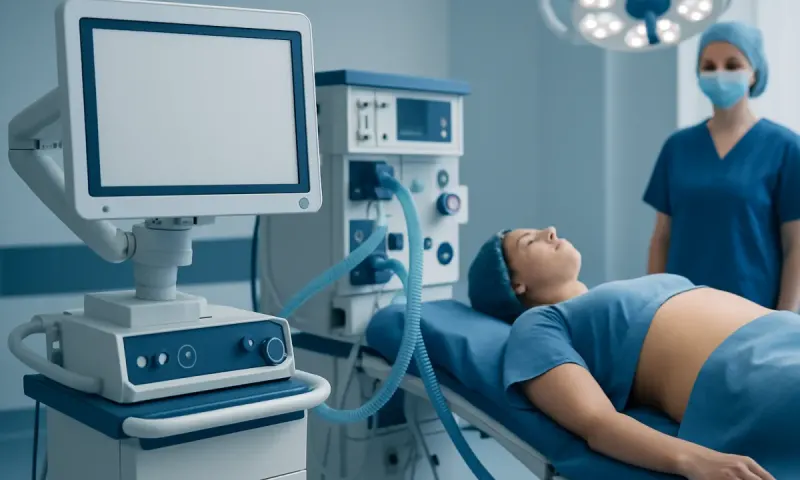
Breast Reconstruction After Lumpectomy: When Shape Correction May Help

Breast reconstruction after lumpectomy may help improve breast shape, balance, and comfort for people who notice a contour change after breast-conserving surgery. Options vary from reshaping the treated breast to improving symmetry in both breasts, and the best plan depends on the amount of tissue removed, radiation history, and personal goals.
Overview
Breast reconstruction after lumpectomy refers to procedures that help restore the breast’s appearance after breast-conserving surgery. A lumpectomy removes the cancer and a rim of surrounding tissue, but the breast may heal with a visible indentation, flattening, volume loss, scar tightness, or nipple shift. For some people, these changes are minor. For others, they affect clothing fit, body image, or physical comfort.
Shape correction does not usually mean recreating the breast from the beginning, as is often done after mastectomy. Instead, it focuses on improving contour, symmetry, and balance. This may involve reshaping tissue in the treated breast, adding volume, or performing a matching procedure on the other breast. In many cases, this is called partial breast reconstruction or oncoplastic reconstruction.
There is no single “best” option for everyone. The ideal plan depends on how much tissue was removed, where in the breast the lumpectomy was performed, whether radiation therapy was given, and what changes matter most to the patient. Some people prefer the least invasive option possible, while others want a more comprehensive correction.
Importantly, reconstruction after lumpectomy is usually considered only after cancer treatment planning is clear. The care team’s first priority is effective cancer treatment. Once that is addressed, restoring shape can become part of recovery and long-term well-being, often through breast reconstruction tailored to partial breast defects.
When Shape Changes May Happen After Lumpectomy
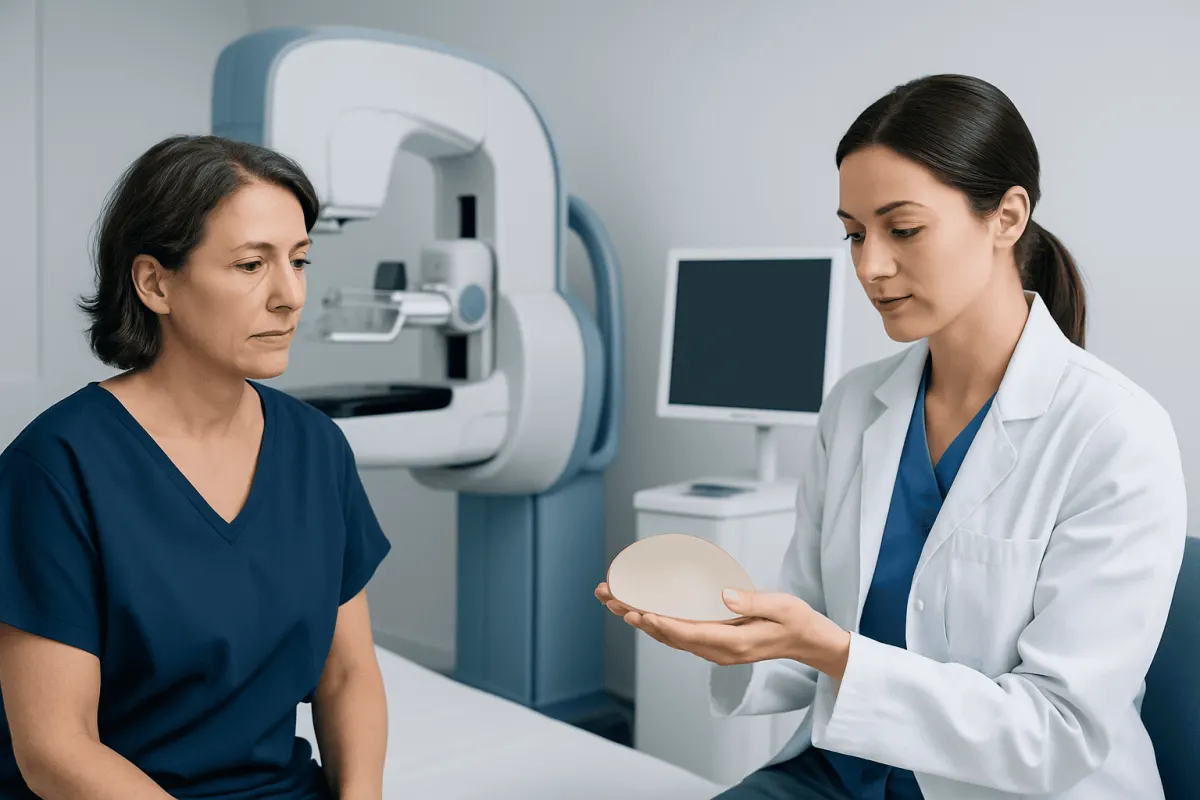
Not every lumpectomy causes a noticeable breast change. However, shape issues become more likely when a larger amount of tissue is removed compared with the breast’s original size. A small lumpectomy in a larger breast may heal with little visible difference, while the same size removal in a smaller breast may create a more obvious dent or distortion.
The location of the tissue removal also matters. Defects near the lower breast, central breast, or around the nipple can sometimes be especially noticeable. Depending on the area, the nipple may point in a different direction, the lower pole may look hollow, or the breast may appear lifted on one side and not the other.
Radiation therapy can add to these changes over time. Irradiated breast tissue may become firmer, tighter, or slightly smaller months or years after treatment. This can make an early good result change later, or it can limit which correction techniques are most suitable. Scar quality also matters, especially in people prone to thicker scars such as keloid scars.
Sometimes the main concern is not the treated breast alone but the difference between both breasts. One breast may become smaller, sit higher, or have a different shape. In these cases, treatment may focus on restoring symmetry rather than making the treated breast look exactly as it did before surgery.
Symptoms and Concerns That May Lead to Evaluation

People usually seek evaluation because they notice a visible contour change after healing. Common concerns include a dent in the breast, flattening in one area, pulling of the skin, a change in breast size, or nipple displacement. Some feel comfortable in most situations but find the asymmetry more noticeable in fitted clothing, swimwear, or when looking in the mirror.
There may also be physical symptoms. Some patients describe tightness, pulling with arm movement, sensitivity around the scar, or discomfort from a bra no longer fitting evenly. Radiation-related firmness can make the breast feel less soft and more fixed in shape. These issues do not always require surgery, but they can be important to discuss with a specialist.
Emotional concerns are also valid. After breast cancer treatment, many people want their body to feel more familiar again. Considering shape correction is not only about appearance; it may also be part of recovery, confidence, and comfort. Reconstructive discussions can be helpful even if a person is unsure about having any procedure.
It is also important to tell the doctor about new swelling, redness, skin changes, a new lump, or ongoing pain. These symptoms do not always mean cancer has returned, but they should be assessed before planning cosmetic or reconstructive correction.
Causes, Risk Factors, and Timing
The main cause of breast deformity after lumpectomy is loss of breast volume. Removing tissue changes the internal support of the breast, and the skin over that area may sink or tighten as it heals. Larger resections, repeat excisions for clear margins, and centrally located tumors can increase the likelihood of visible change.
Radiation treatment is one of the most important factors in planning correction. Radiation can reduce skin elasticity, affect blood supply, and increase the chance of firmness or delayed healing. This does not mean reconstruction cannot be done, but it may influence technique choice. For example, some surgeons may prefer one method over another if the tissue has been heavily irradiated.
Breast size and shape matter as well. People with larger or more ptotic breasts may benefit from rearrangement, reduction, or lift techniques that reshape both sides. In selected cases, procedures related to breast lift or breast reduction principles are used to improve balance. Smaller breasts with a localized defect may be considered for targeted volume replacement.
Timing can be immediate or delayed. Immediate reconstruction is done at the same operation as the lumpectomy and may provide the best chance to preserve shape. Delayed correction is performed later, after pathology, radiation, and healing are complete. Delayed treatment is common and can still be very effective, especially when the long-term breast changes are clearer.
How Doctors Evaluate the Breast
Evaluation begins with a detailed history and physical examination. The team asks about the original lumpectomy, whether more than one surgery was needed, radiation treatment, current symptoms, and personal goals. Prior scars, the quality of the skin, breast size, nipple position, and the location of the contour defect are all assessed carefully.
Photographs are often taken as part of planning. These help document asymmetry and guide discussion about realistic outcomes. The doctor may also ask whether the patient wants the smallest possible procedure, accepts scars on one or both breasts, or would consider surgery on the opposite breast for better symmetry.
Imaging may be needed in some cases, especially if there is concern about a new mass, fluid collection, or scar change. Mammography, ultrasound, or other imaging is used according to the oncology team’s recommendations. Reconstruction planning should not interfere with routine cancer surveillance.
Many patients benefit from a coordinated approach involving both breast and plastic surgery specialists. This is especially helpful when correction is complex, when radiation has affected the tissues, or when options include volume replacement, symmetry procedures, or fat transfer to the breast.
Treatment Options for Shape Correction
Treatment depends on the size and type of the defect. Small contour irregularities may be improved with fat grafting, also called fat transfer, in which fat is taken from another part of the body and injected into the breast to soften a dent or add volume. This may be done in stages because some of the transferred fat does not survive long term. It can be useful for selected patients, including some with radiation-related contour loss.
When the issue is more than a small dent, surgeons may reshape the remaining breast tissue. This is commonly called tissue rearrangement or oncoplastic surgery. The goal is to move nearby tissue into the defect and reshape the breast so it looks more balanced. If the treated breast becomes smaller or sits differently, the other side may also be adjusted for symmetry using techniques related to breast aesthetic surgery.
For larger defects, particularly in smaller breasts or after radiation, more advanced reconstruction may be considered. This can include bringing in tissue from another area of the body, known as a flap procedure. Not all patients need this, and not all are candidates, but it can be helpful when local tissue is limited or heavily scarred. In some situations, delayed reconstruction provides the safest and most predictable result.
Every option has potential trade-offs. These may include additional scars, changes in breast sensation, the possibility of asymmetry over time, the need for more than one procedure, or limits created by radiation damage. A careful discussion of expected outcomes is important. The goal is usually improvement, not absolute perfection or complete return to the pre-lumpectomy breast.
Recovery, Self-care, and Long-Term Expectations
Recovery varies depending on the procedure. Less invasive correction, such as limited fat grafting, may involve a shorter recovery than larger reshaping or flap surgery. Swelling, bruising, temporary soreness, and changes in sensation are common in the early phase. The team usually advises supportive garments, wound care, and a gradual return to activity.
Healing may take longer in tissue that has been irradiated. The skin can be less elastic, and swelling may settle more slowly. Final shape also takes time to judge. A breast may look higher, firmer, or uneven at first and then improve over weeks to months as tissues soften and scars mature.
Patients can support recovery by following post-operative instructions closely, avoiding smoking or nicotine exposure, eating well, staying active within advised limits, and attending all follow-up visits. Scar care may be recommended once wounds have healed. If there is a history of problematic scarring, the surgeon may discuss ways to reduce that risk.
Long-term expectations should be realistic. The corrected breast may look more balanced and feel more comfortable in clothing, but it may not match the other breast exactly. Weight changes, aging, and the effects of past radiation can continue to influence breast shape over time. In centers such as Acıbadem Health Point, multidisciplinary specialists in JCI-accredited hospitals evaluate international patients who need breast contour correction after cancer treatment.
When to See a Doctor
A doctor should be consulted if a person is unhappy with breast shape after lumpectomy and wants to understand available options. Even if the change seems mainly cosmetic, evaluation can clarify what is feasible and whether a simple or more involved approach is most appropriate. Some people seek help soon after healing, while others wait months or years.
Medical review is especially important if there is a new lump, skin dimpling that is worsening, redness, warmth, fluid buildup, nipple discharge, or persistent pain. These symptoms do not automatically indicate a serious problem, but they should be assessed before any reconstructive procedure is planned. Ongoing breast surveillance should continue as advised by the oncology team.
Patients should also ask for specialist input if radiation has caused tightness or shrinkage, if bra fitting has become difficult, or if asymmetry affects comfort and daily life. A plastic surgeon with experience in breast reconstruction can explain options ranging from observation to staged correction. Shared decision-making helps ensure that the plan fits both medical needs and personal goals.
Anyone considering surgery should discuss benefits, limitations, healing time, and possible risks in detail. Questions about future mammograms, cancer follow-up, work, travel, and exercise are all appropriate. A thoughtful consultation often helps patients feel more informed and reassured, whether they choose treatment now, later, or not at all.
Frequently asked questions
01Can breast reconstruction be done after a lumpectomy instead of a mastectomy?
Yes. Reconstruction after lumpectomy is often possible and usually focuses on improving contour, volume, and symmetry rather than rebuilding the whole breast. The best technique depends on breast size, the amount of tissue removed, radiation history, and personal goals.
02When is the best time to correct breast shape after lumpectomy?
Correction may be done at the same time as the lumpectomy or later after healing and cancer treatment. Delayed correction is common, especially when radiation is planned or when the long-term shape change becomes clearer over time. The right timing should be decided with the care team.
03Will radiation therapy affect reconstruction options?
Often, yes. Radiation can make the breast tissue firmer, less elastic, and slower to heal, which may limit some techniques and favor others. It does not rule out correction, but it makes careful planning especially important.
04Is fat transfer a good option after lumpectomy?
Fat transfer can be helpful for some small to moderate contour defects. It may soften dents and improve volume, but more than one session can be needed because some transferred fat is naturally absorbed. Not every patient is an ideal candidate, especially if the defect is large or the tissue is heavily scarred.
05Will the corrected breast look exactly the same as before cancer surgery?
Usually, the goal is improvement rather than a perfect return to the pre-surgery breast. Many patients achieve better symmetry and a more natural contour, but exact matching is not always possible. Scars, radiation effects, and normal differences between breasts can remain.
06Can the other breast be adjusted to improve symmetry?
Yes. In some cases, the most balanced result comes from treating both breasts, for example by lifting, reducing, or reshaping the opposite side. This is discussed carefully so the patient understands the added scars, recovery, and expected benefits.
This article is for general information only and is not a substitute for professional medical advice. Please consult a qualified doctor about your individual situation.
Oncology care in Turkey — second opinion and treatment plan
JCI-accredited · board-certified surgeons · reply within 24h
Add us as a Preferred Source to see more of our trusted health content across Google Search, AI Overviews and Discover.